Example Of Formal Letter Template In Montgomery
Description



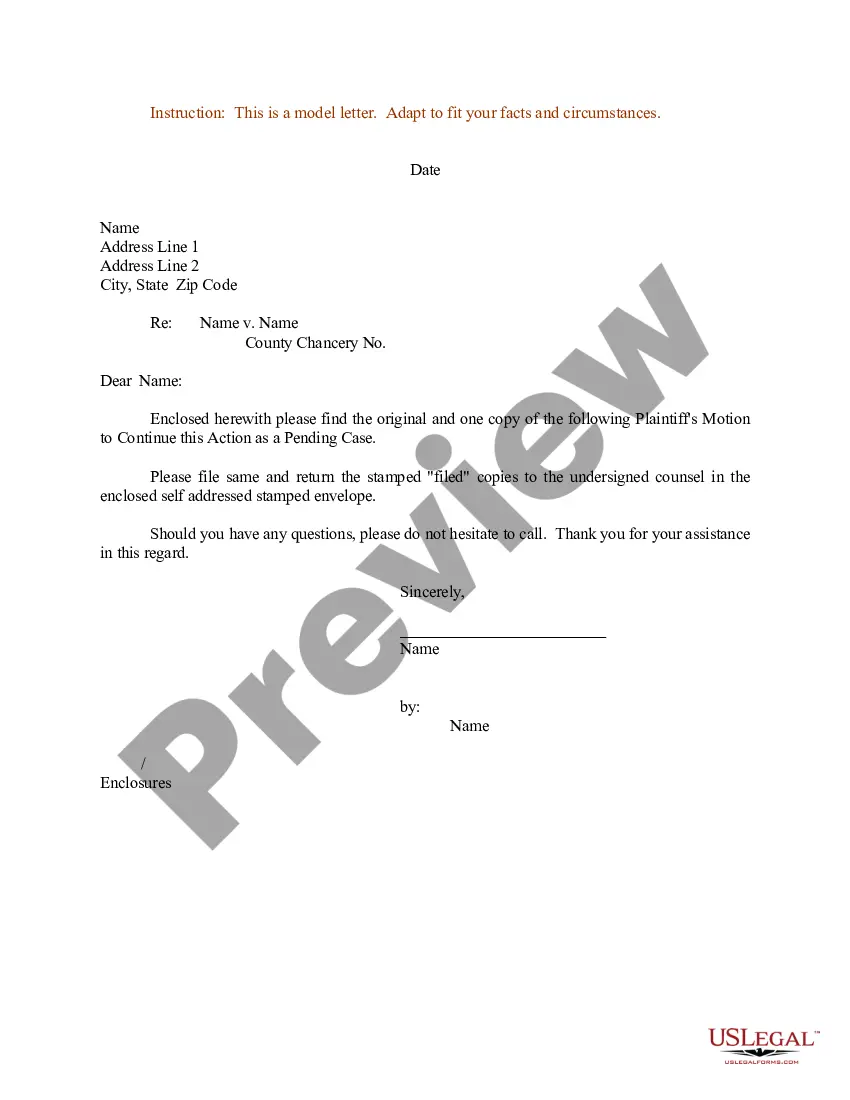
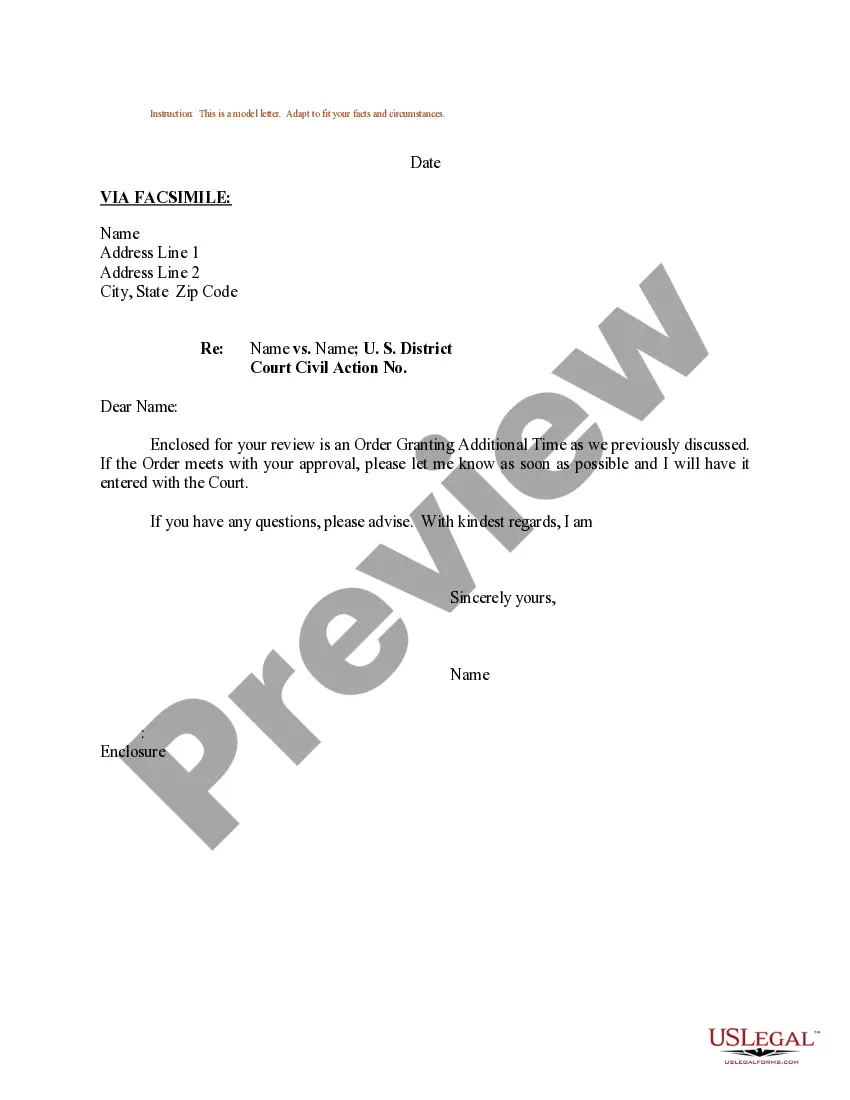
Get your form ready online
Our built-in tools help you complete, sign, share, and store your documents in one place.
Make edits, fill in missing information, and update formatting in US Legal Forms—just like you would in MS Word.
Download a copy, print it, send it by email, or mail it via USPS—whatever works best for your next step.
Sign and collect signatures with our SignNow integration. Send to multiple recipients, set reminders, and more. Go Premium to unlock E-Sign.
If this form requires notarization, complete it online through a secure video call—no need to meet a notary in person or wait for an appointment.
We protect your documents and personal data by following strict security and privacy standards.

Make edits, fill in missing information, and update formatting in US Legal Forms—just like you would in MS Word.

Download a copy, print it, send it by email, or mail it via USPS—whatever works best for your next step.

Sign and collect signatures with our SignNow integration. Send to multiple recipients, set reminders, and more. Go Premium to unlock E-Sign.

If this form requires notarization, complete it online through a secure video call—no need to meet a notary in person or wait for an appointment.

We protect your documents and personal data by following strict security and privacy standards.
Looking for another form?

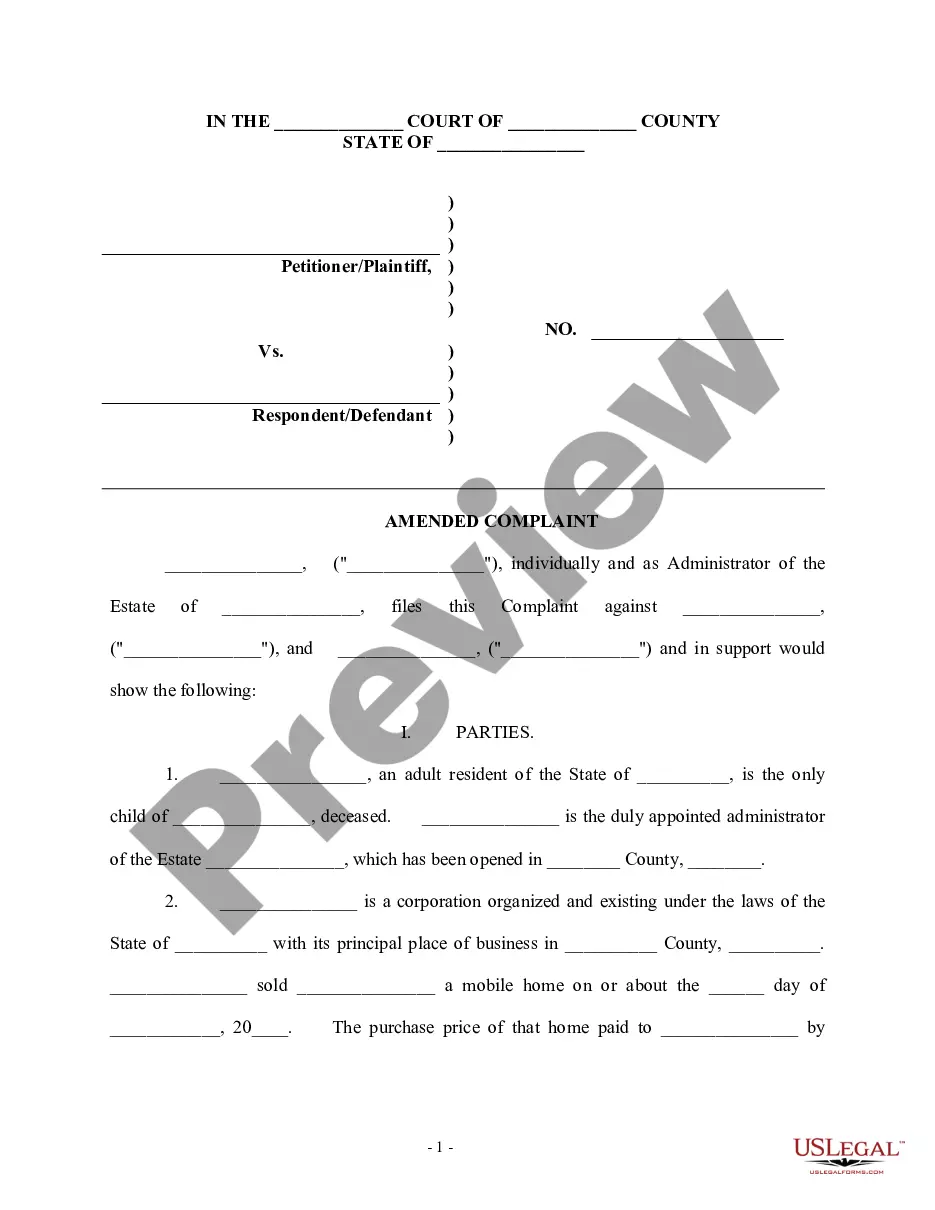





Form popularity
FAQ
First Paragraph—state the purpose of the letter in a direct manner. E.g. “I am writing to…” Second Paragraph—Fill in and explain the necessary background information, leaving out anything that is unnecessary. Stick to the facts. Third Paragraph—Give your call to action.
2 Start With a Proper Format: Formal letters have a specific layout that includes the sender's address, date, recipient's address, salutation, body, close, and signature. Align your text to the left and use a professional font like Times New Roman or Arial.
Request Letter Example: Dear (Employer), I am writing to request a leave of absence from work due to (reason for leave). I am requesting (amount of time) off, starting on (start date) and ending on (end date). I understand that this may be short notice, but I would appreciate your understanding in this matter.
What to include in an official letter A heading that lists your address and the recipient's address. A formal salutation. One paragraph stating your reasons for writing the letter. Another paragraph expanding further on the introduction paragraph. A final paragraph concluding the letter. Closing letter signature.
Proof of Residence To Whom It May Concern, I, Jane Johnson, the landlord of John Baker, am writing to you to acknowledge that said tenant currently resides at 456 Rental Drive, Los Angeles, CA. John Baker has resided at said address since October, 2020.
As a landlord, you're a reliable source to provide proof that your tenant actually lives at the address. As a result, the letter you submit is considered a legally binding document. The proof of residency letter confirms the recipient's address, so your tenant has evidence they live where they say they live.
This letter is typically requested by individuals or organizations, such as employers, schools, or government agencies, as a way to verify a person's residence. The letter is written and signed by the landlord or property manager and serves as official confirmation that the tenant resides at the specified address.
To get a landlord reference letter, you will need to ask your current or former landlord for a recommendation. Reach out using the contact information that was provided during your tenancy and politely request a letter written for the prospective landlord.
The landlord sends the rental application to a company who looks into the person's credit and background. All the information pertinent to verifying identity is on the application, along with references, current address, date of birth, and other data.

