Sample Email Templates For Customer Service In Maryland
Description

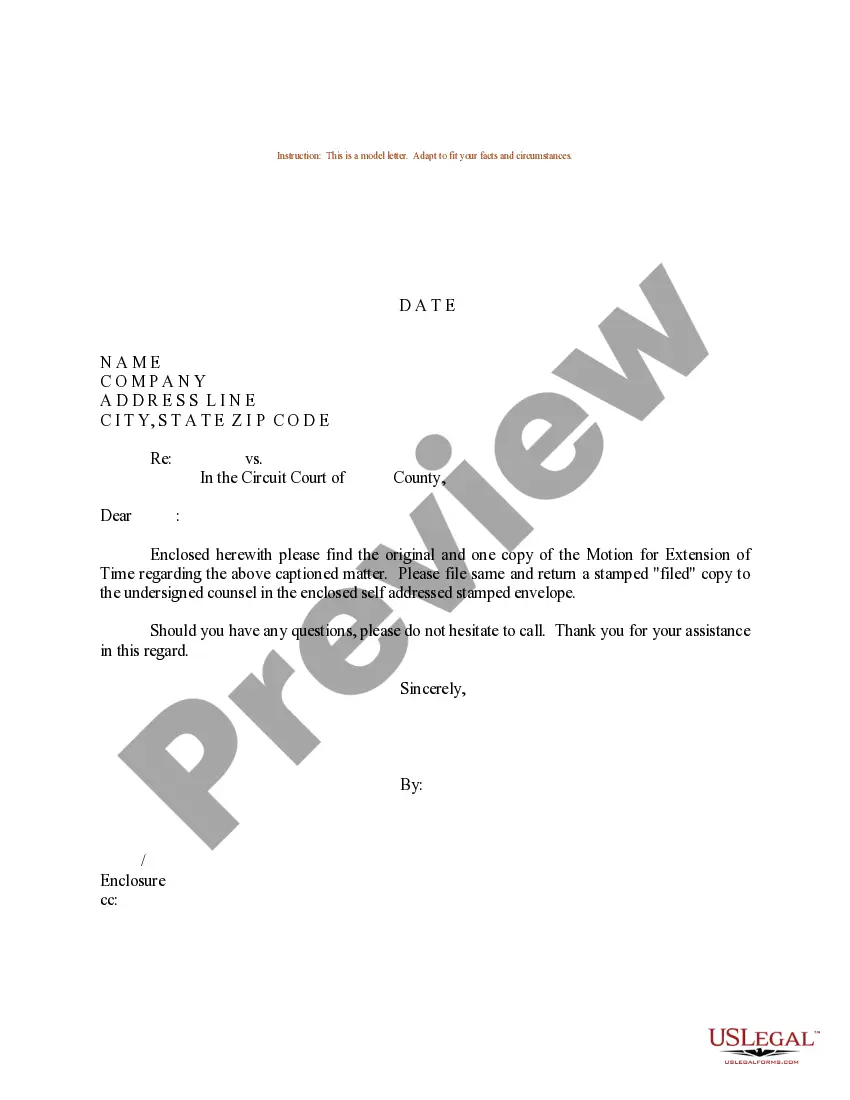
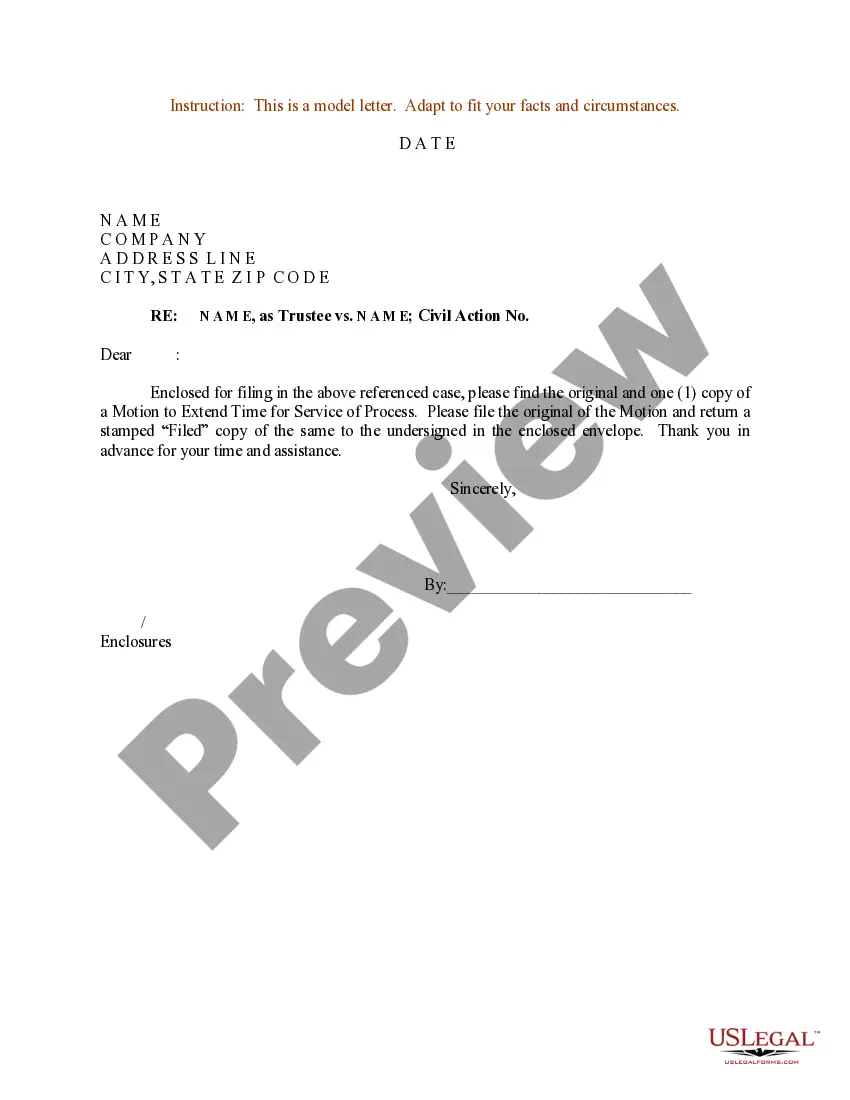
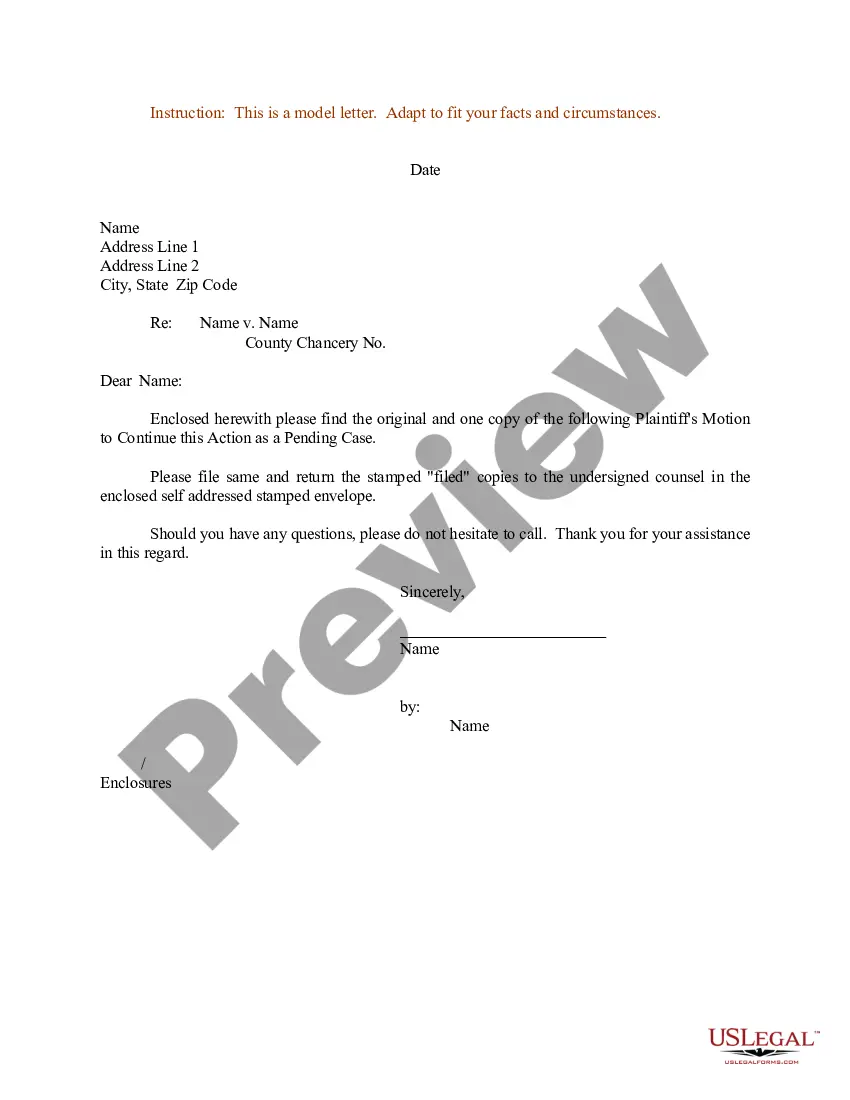
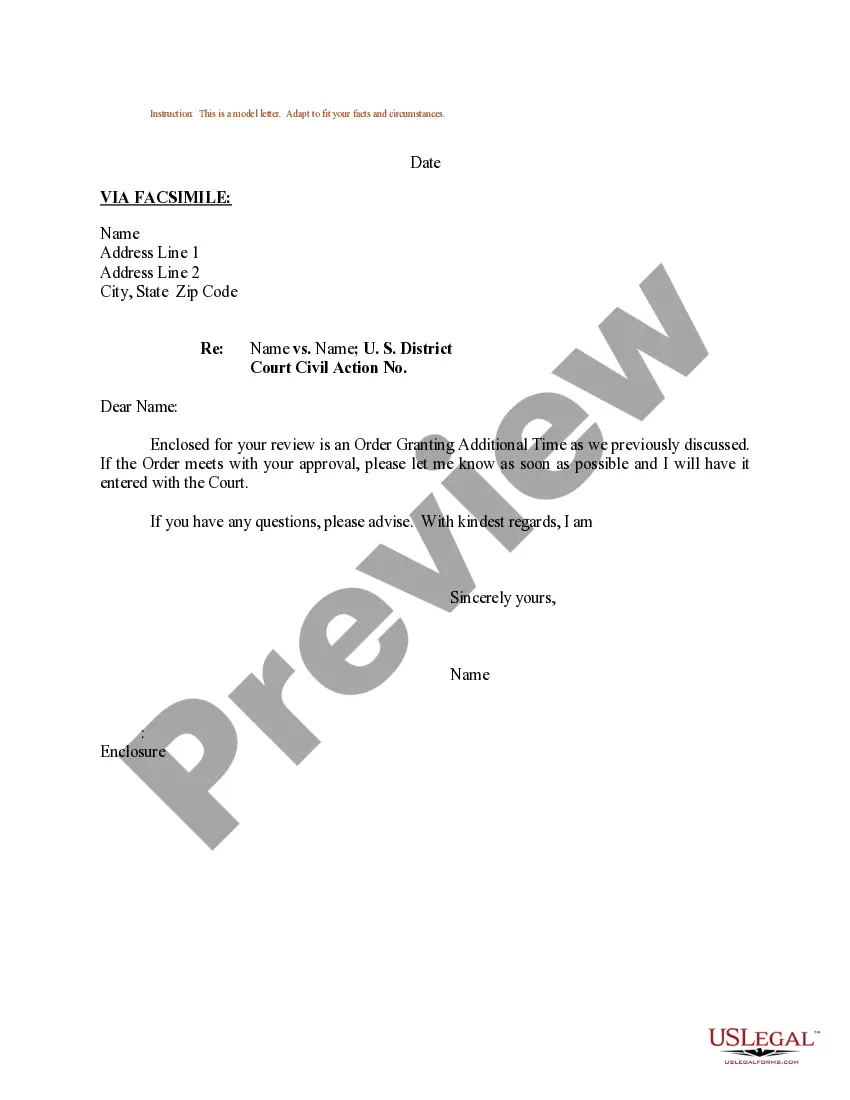
Get your form ready online
Our built-in tools help you complete, sign, share, and store your documents in one place.
Make edits, fill in missing information, and update formatting in US Legal Forms—just like you would in MS Word.
Download a copy, print it, send it by email, or mail it via USPS—whatever works best for your next step.
Sign and collect signatures with our SignNow integration. Send to multiple recipients, set reminders, and more. Go Premium to unlock E-Sign.
If this form requires notarization, complete it online through a secure video call—no need to meet a notary in person or wait for an appointment.
We protect your documents and personal data by following strict security and privacy standards.

Make edits, fill in missing information, and update formatting in US Legal Forms—just like you would in MS Word.

Download a copy, print it, send it by email, or mail it via USPS—whatever works best for your next step.

Sign and collect signatures with our SignNow integration. Send to multiple recipients, set reminders, and more. Go Premium to unlock E-Sign.

If this form requires notarization, complete it online through a secure video call—no need to meet a notary in person or wait for an appointment.

We protect your documents and personal data by following strict security and privacy standards.
Looking for another form?




Form popularity
FAQ
It can be as simple as “Dear Customer Service Team.” Try to find a name to insert in your greeting. Some smaller companies may list the names of their customer service reps, and utilizing this can make you seem more personable and desirable to work with.
Some key components of professional email writing include using correct formatting such as: Headings. Bullet points. Clear sign-offs. Choosing a tone of voice that is professional, yet engaging and approachable. Including relevant content that is tailored for your specific business situation or audience.
Subject line: Customer name, technical support available Dear Customer name, I just wanted to make sure you benefit from our 24/7 assistance with any technical issues you may be experiencing. If you're experiencing any difficulties or have questions about our product, please don't hesitate to reach out.
The customer care email is a dedicated email address used by a company to receive and respond to customer inquiries regarding your product/service. It is usually something like support@companyname, help@companyname, or customercare@companyname. The specific email address varies depending on the company.
Tips on how to write customer service emails Use the customer's name. Beginning your email with the customer's name can make it more personal and sincere. Read the message carefully. Be conversational. Use employees' names. Represent the brand. Keep it professional. Empathize with the customer.
Dear Client's Name, I hope this message finds you well. My name is Your Name, and I am delighted to extend a warm greeting as a representative from Your Company. I wanted to take this opportunity to introduce myself and express our appreciation for the opportunity to work with you.
A more formal request may use 'Dear' while a more casual email may use 'Hey'. Introduce yourself. State who you are using full name, position and company name. Purpose for written request. Then, explain why you are writing. Call to action. Benefit to the client. Closing. Contact Information.
Purpose-Driven: Every email should have a clear purpose. Whether it's introducing your service or scheduling a call, be upfront about what you're after. Compelling Subject Lines: Your subject line is your first handshake. Make it count by being specific, intriguing, and relevant to your recipient's needs.
Open with a greeting. It can be as simple as “Dear Customer Service Team.” Try to find a name to insert in your greeting. Some smaller companies may list the names of their customer service reps, and utilizing this can make you seem more personable and desirable to work with.

