Motion Time Form With Decimals In Maryland
Description



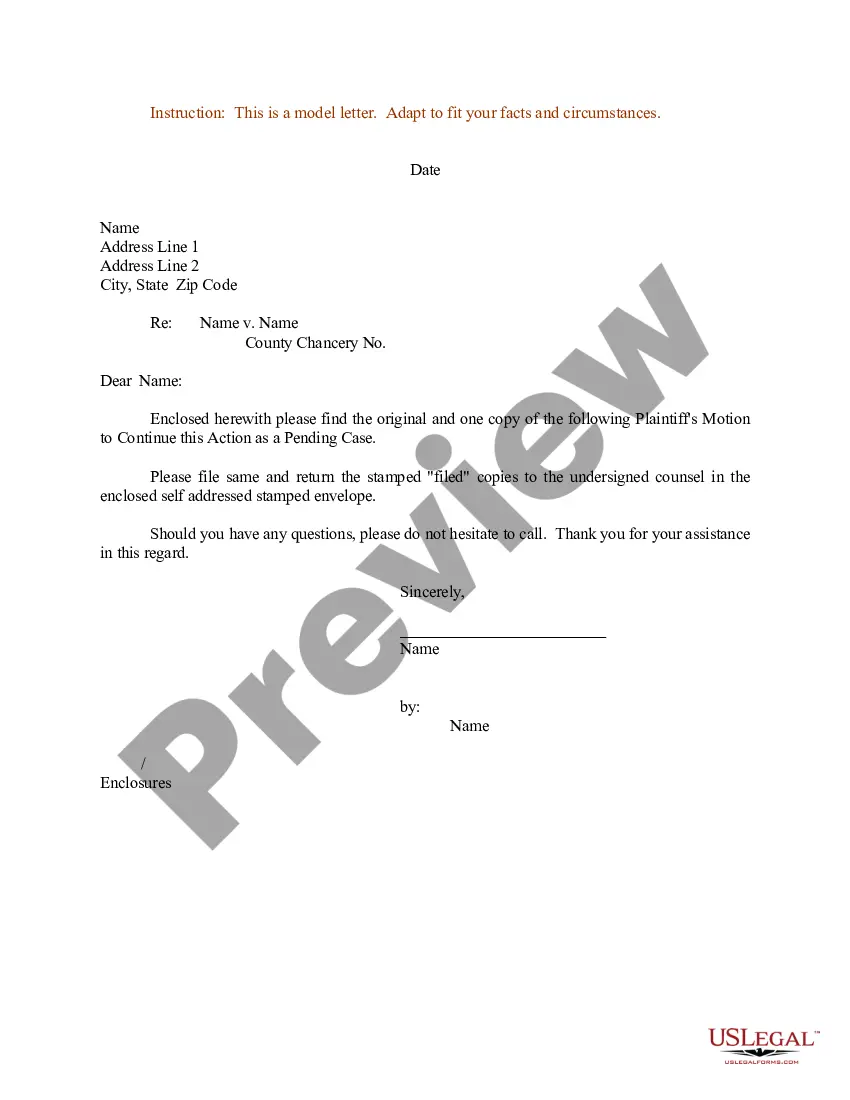
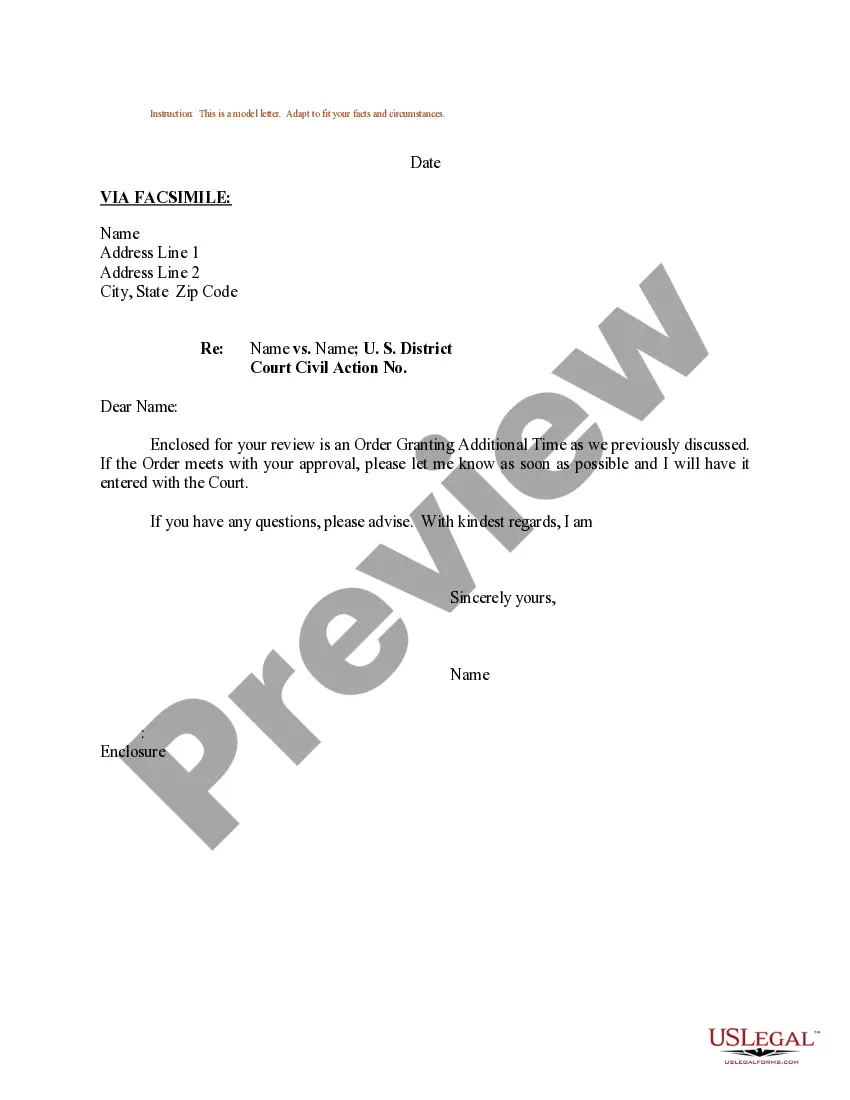
Get your form ready online
Our built-in tools help you complete, sign, share, and store your documents in one place.
Make edits, fill in missing information, and update formatting in US Legal Forms—just like you would in MS Word.
Download a copy, print it, send it by email, or mail it via USPS—whatever works best for your next step.
Sign and collect signatures with our SignNow integration. Send to multiple recipients, set reminders, and more. Go Premium to unlock E-Sign.
If this form requires notarization, complete it online through a secure video call—no need to meet a notary in person or wait for an appointment.
We protect your documents and personal data by following strict security and privacy standards.

Make edits, fill in missing information, and update formatting in US Legal Forms—just like you would in MS Word.

Download a copy, print it, send it by email, or mail it via USPS—whatever works best for your next step.

Sign and collect signatures with our SignNow integration. Send to multiple recipients, set reminders, and more. Go Premium to unlock E-Sign.

If this form requires notarization, complete it online through a secure video call—no need to meet a notary in person or wait for an appointment.

We protect your documents and personal data by following strict security and privacy standards.
Looking for another form?


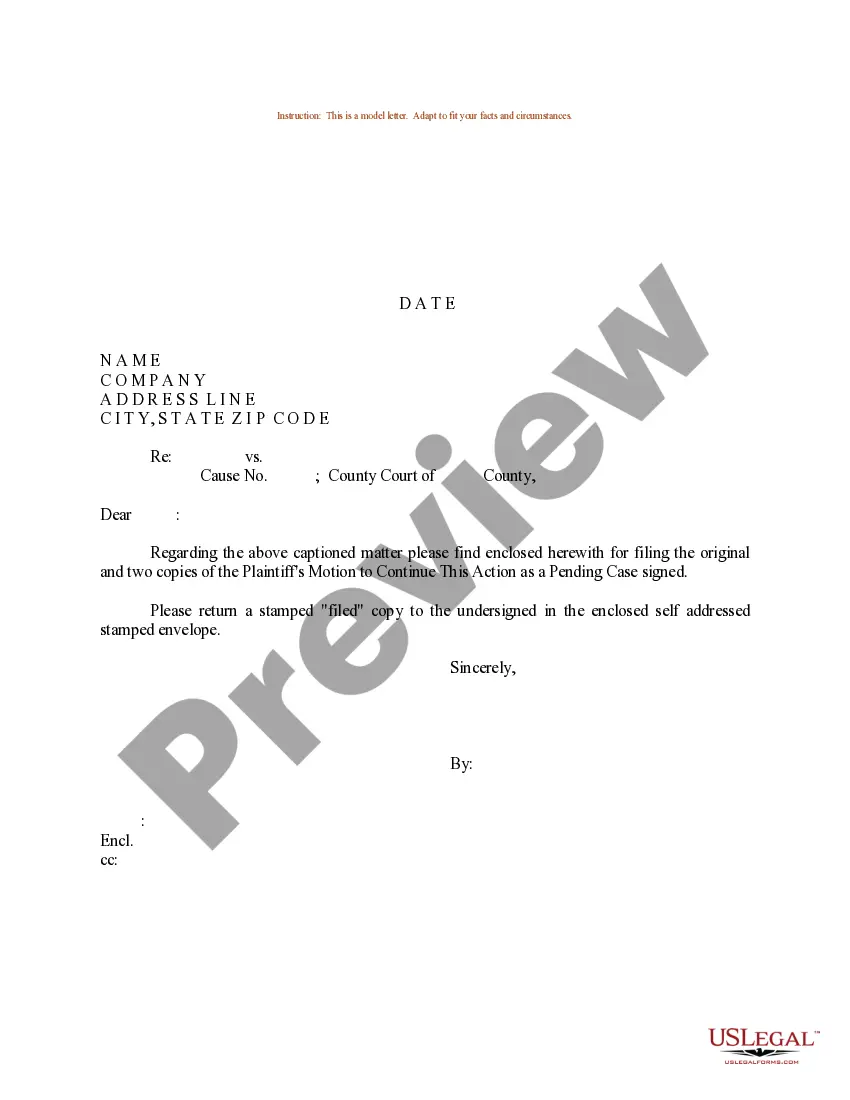
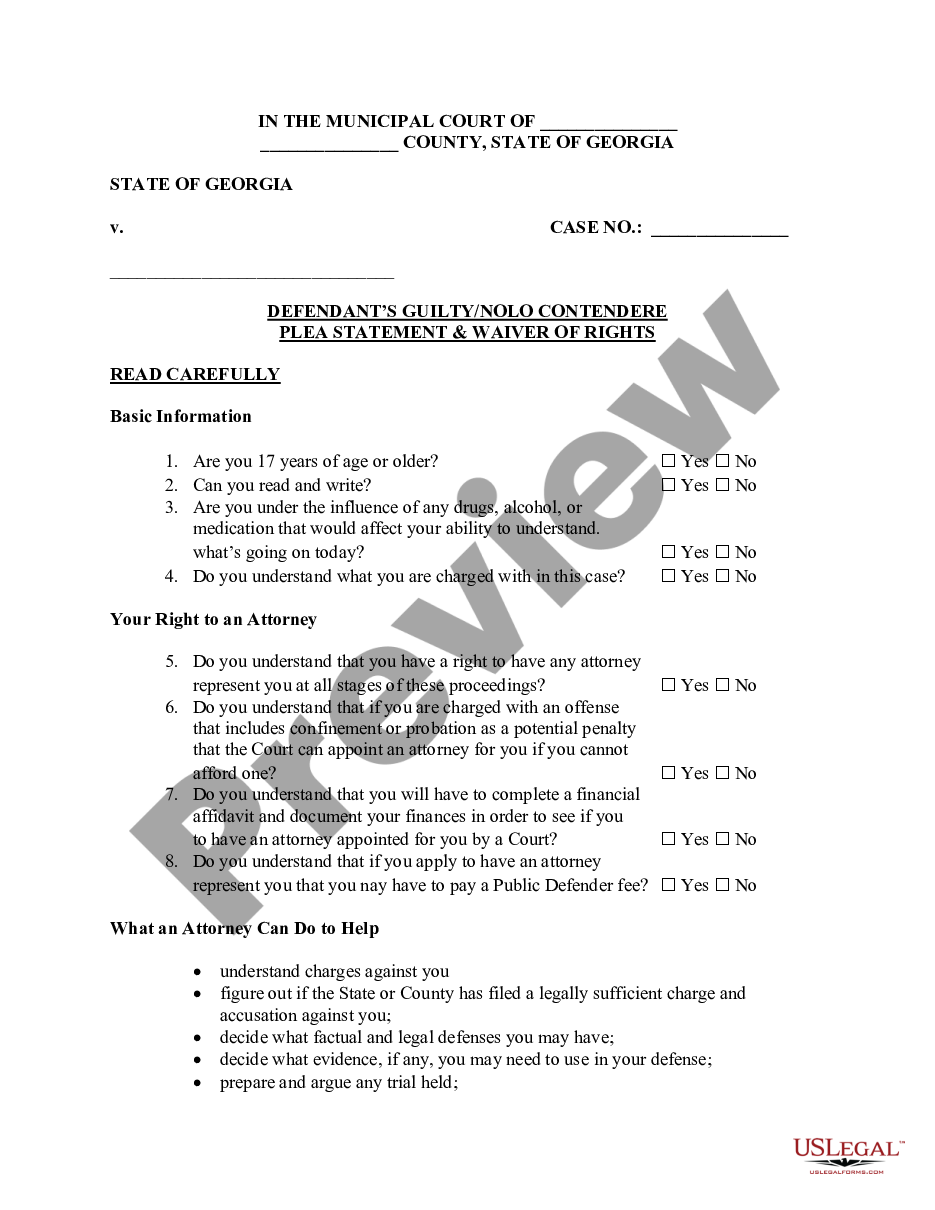


Form popularity
FAQ
A party whose judgment has been amended on a motion to amend the judgment may file a motion for new trial within ten days after entry of the amended judgment.
Local Rule 104.7 is amended to require counsel to make a “reasonable effort” to resolve discovery disputes and explains that a “reasonable effort” means more than sending an email or letter to the opposing party.
In a criminal case, once a finding of guilt has been made, the defendant has 90 days from the date of sentencing to ask the judge to reconsider the sentence given. Under Maryland law, the judge then has 5 years from the date of the request to rule on the motion. The judge may deny the motion without a hearing.
On motion of any party filed at any time, the court may exercise revisory power and control over the judgment in case of fraud, mistake, or irregularity. Committee note: This section is intended to be as comprehensive as Code, Courts Article, § 6-408. (c) Newly-Discovered Evidence.
An affidavit is a special document that promises that the statement you are making is true. The affidavit must be signed by you, and swear (or affirm) under the penalties of perjury that what you are saying is true.
The following defenses may be made by motion to dismiss filed before the answer, if an answer is required: (1) lack of jurisdiction over the subject matter, (2) failure to state a claim upon which relief can be granted, (3) failure to join a party under Rule 2-211, (4) discharge in bankruptcy, and (5) governmental ...
Procedure for Requesting Postponements A Motion for Continuance/Postponement (CC-DC-070) form is located on our Fees, Fines Schedules, Brochures, and Forms Index. Your request is not automatically granted; it is up to a judge to determine whether to change your court date.
The court may not shorten or extend the time for filing a motion for judgment notwithstanding the verdict, a motion for new trial, a motion to alter or amend a judgment, a motion addressed to the revisory power of the court, a petition for judicial review, a notice of appeal, an application for leave to appeal, or an ...
Rule 1-311 - Signing of Pleadings and Other Papers (a) Requirement. Every pleading and paper of a party represented by an attorney shall be signed by at least one attorney who has been admitted to practice law in this State and who complies with Rule 1-312.

