Motion Time Form Withdraw As Counsel In Arizona
Description

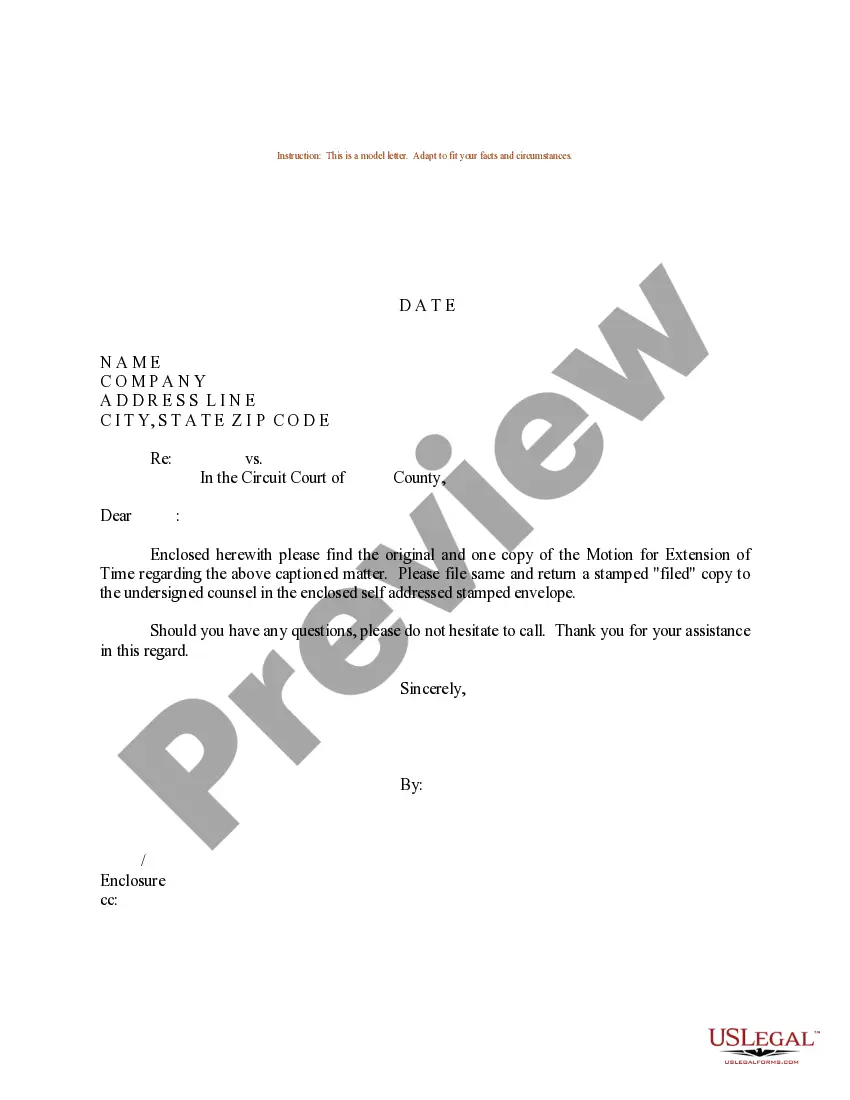

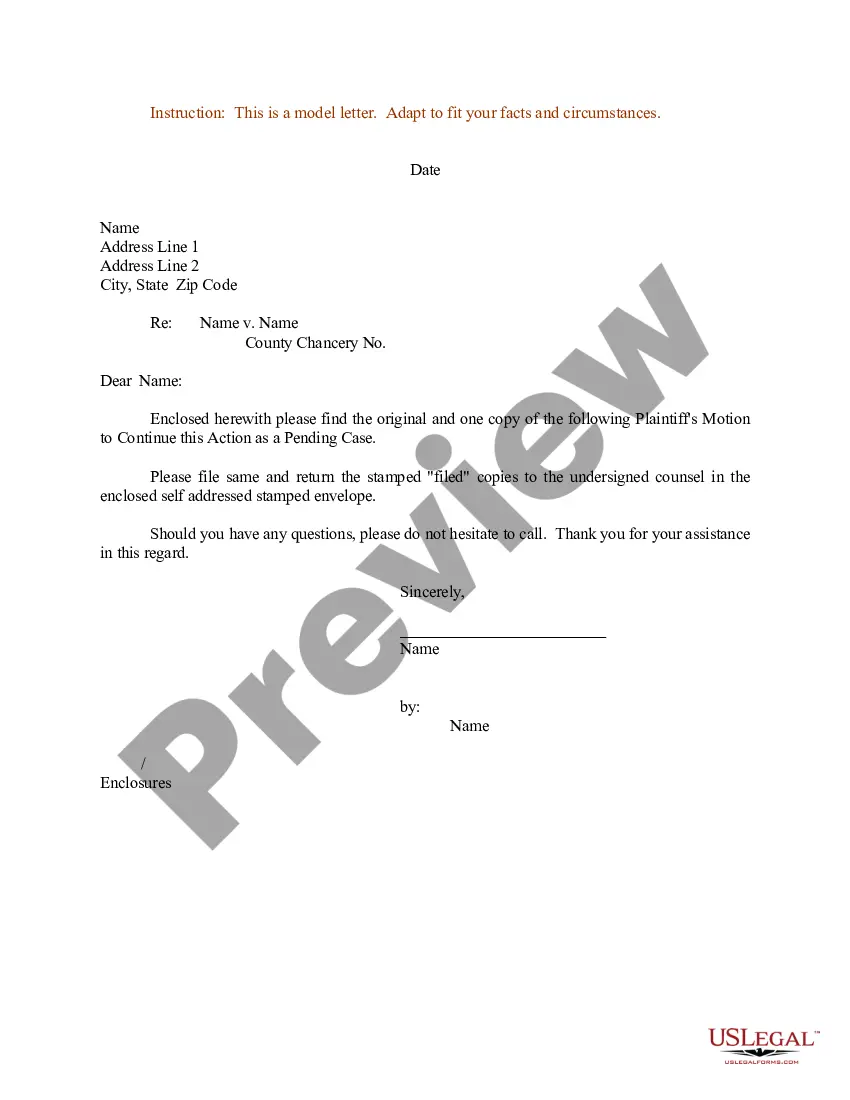
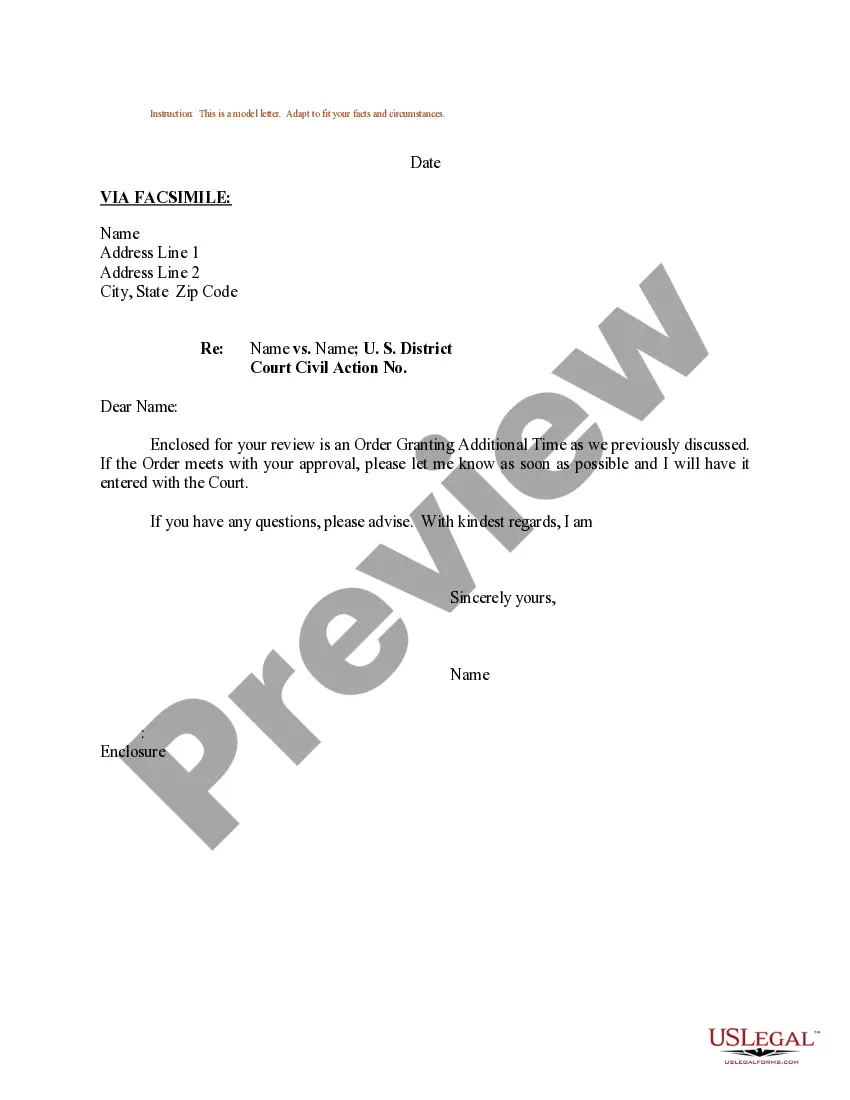
Get your form ready online
Our built-in tools help you complete, sign, share, and store your documents in one place.
Make edits, fill in missing information, and update formatting in US Legal Forms—just like you would in MS Word.
Download a copy, print it, send it by email, or mail it via USPS—whatever works best for your next step.
Sign and collect signatures with our SignNow integration. Send to multiple recipients, set reminders, and more. Go Premium to unlock E-Sign.
If this form requires notarization, complete it online through a secure video call—no need to meet a notary in person or wait for an appointment.
We protect your documents and personal data by following strict security and privacy standards.

Make edits, fill in missing information, and update formatting in US Legal Forms—just like you would in MS Word.

Download a copy, print it, send it by email, or mail it via USPS—whatever works best for your next step.

Sign and collect signatures with our SignNow integration. Send to multiple recipients, set reminders, and more. Go Premium to unlock E-Sign.

If this form requires notarization, complete it online through a secure video call—no need to meet a notary in person or wait for an appointment.

We protect your documents and personal data by following strict security and privacy standards.
Looking for another form?
Form popularity
FAQ
Rule 50 - Complex Case Designation (a)Generally. A party may file a motion to designate a case as complex. (b)Time to File. A party may file the motion not later than 60 days after the initial response, or later for good cause.
In Arizona, a Rule 69 agreement is a device designed to help divorcing spouses resolve many of their differences out of court. A Rule 69 agreement is a plan that can effectively settle various matters relevant to a divorce.
What Is a Motion to Suppress Evidence in Arizona? A motion to suppress evidence is filed by your defense attorney, asking the judge to exclude certain evidence from being presented during your trial.
In Arizona, the judge generally has 60 days to either grant or deny your motion.
Summary Judgment. (a) Motion for Summary Judgment or Partial Summary Judgment. A party may move for summary judgment, identifying each claim or defense--or the part of each claim or defense--on which summary judgment is sought.
Rule 37-Failure to Make or Cooperate in Discovery: Sanctions. (a) Motion for Order Compelling Disclosure or Discovery. A party, upon reasonable notice to other parties and all persons affected thereby, may apply for an order compelling disclosure or discovery as follows: (1) Appropriate Court.
During a trial in Arizona, a defense attorney may ask for a Rule 11 evaluation of his or her client. Under Rule 11, the defendant has the right to a full mental examination and hearing when reasonable grounds exist for it. A Rule 11 hearing may be held when a defendant is suspected of being mentally incompetent.
In Arizona, the judge generally has 60 days to either grant or deny your motion.
Step 1 Make three (3) copies of your Motion. Step 2 File the original motion with the Clerk of Superior Court and ask to have the 3 copies stamped. These are called “conformed copies” and serve as proof the original was filed.

