Exchange Agreement For Lease In Georgia
Description

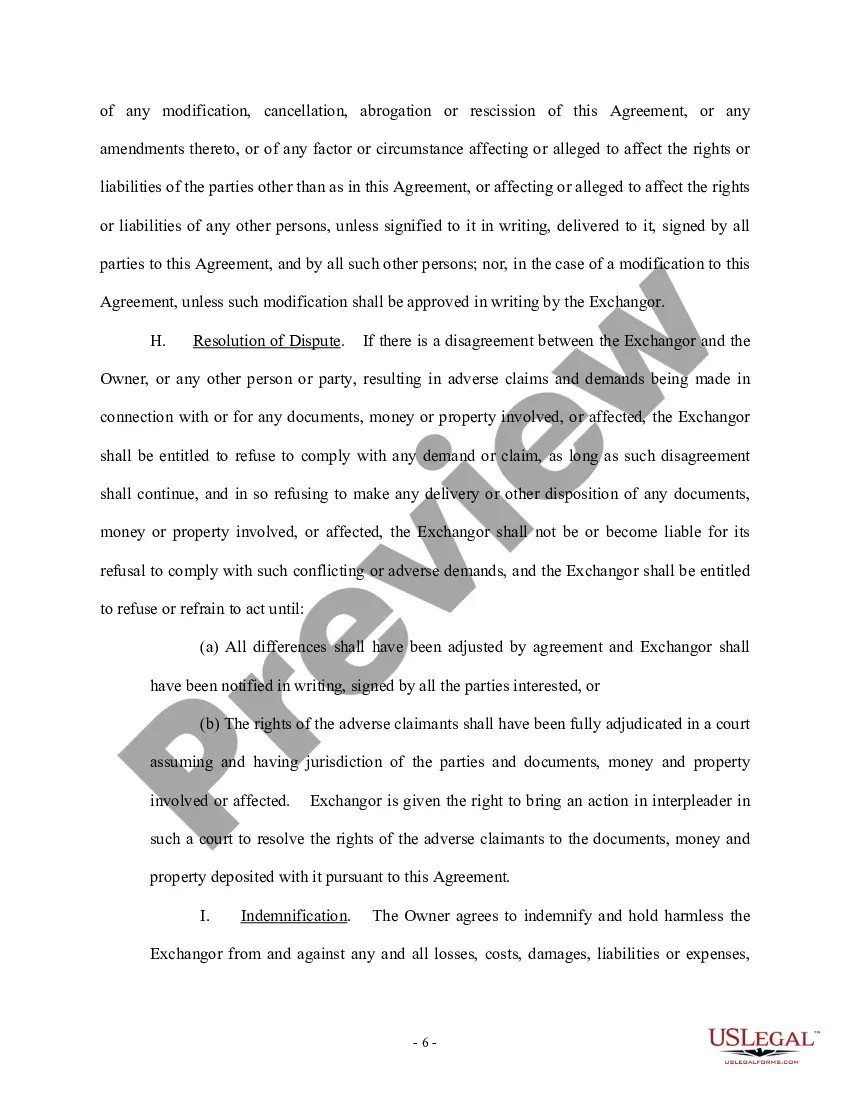
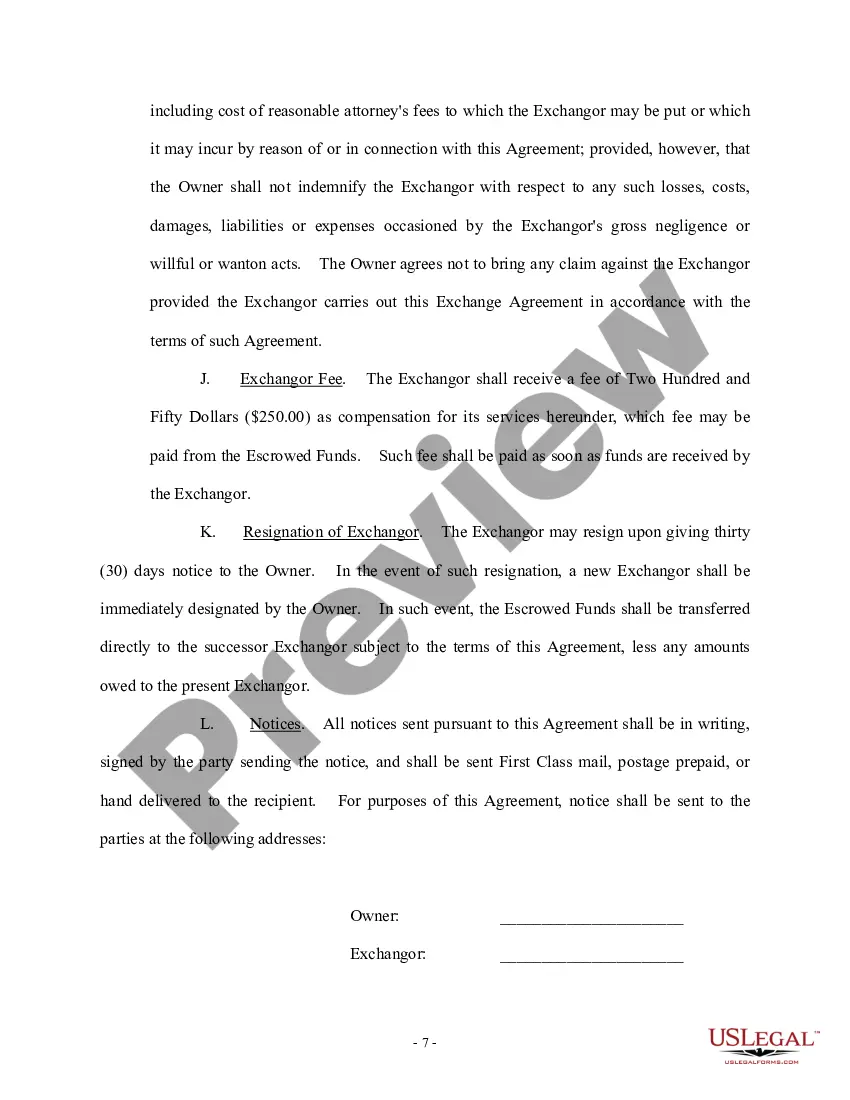
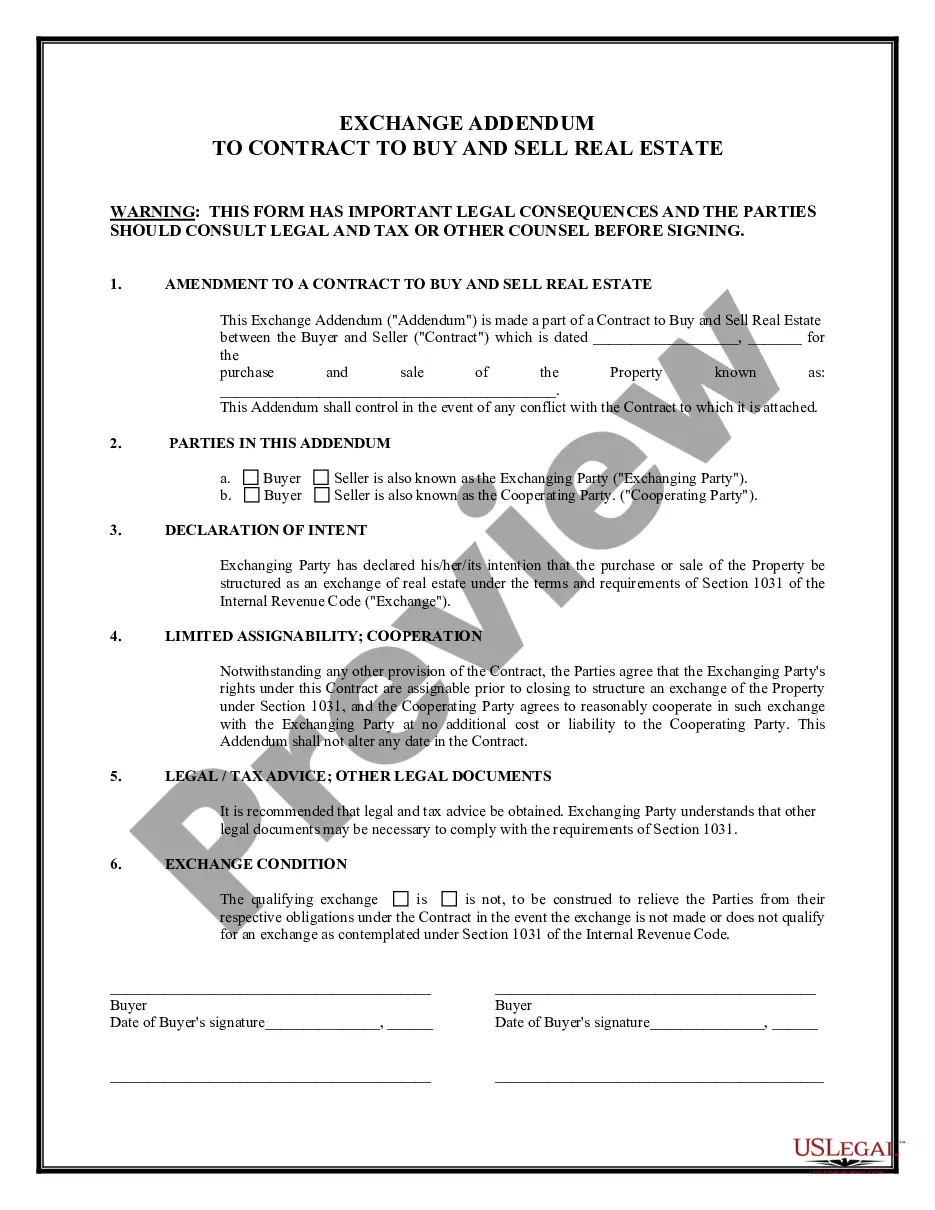
Get your form ready online
Our built-in tools help you complete, sign, share, and store your documents in one place.
Make edits, fill in missing information, and update formatting in US Legal Forms—just like you would in MS Word.
Download a copy, print it, send it by email, or mail it via USPS—whatever works best for your next step.
Sign and collect signatures with our SignNow integration. Send to multiple recipients, set reminders, and more. Go Premium to unlock E-Sign.
If this form requires notarization, complete it online through a secure video call—no need to meet a notary in person or wait for an appointment.
We protect your documents and personal data by following strict security and privacy standards.

Make edits, fill in missing information, and update formatting in US Legal Forms—just like you would in MS Word.

Download a copy, print it, send it by email, or mail it via USPS—whatever works best for your next step.

Sign and collect signatures with our SignNow integration. Send to multiple recipients, set reminders, and more. Go Premium to unlock E-Sign.

If this form requires notarization, complete it online through a secure video call—no need to meet a notary in person or wait for an appointment.

We protect your documents and personal data by following strict security and privacy standards.
Looking for another form?
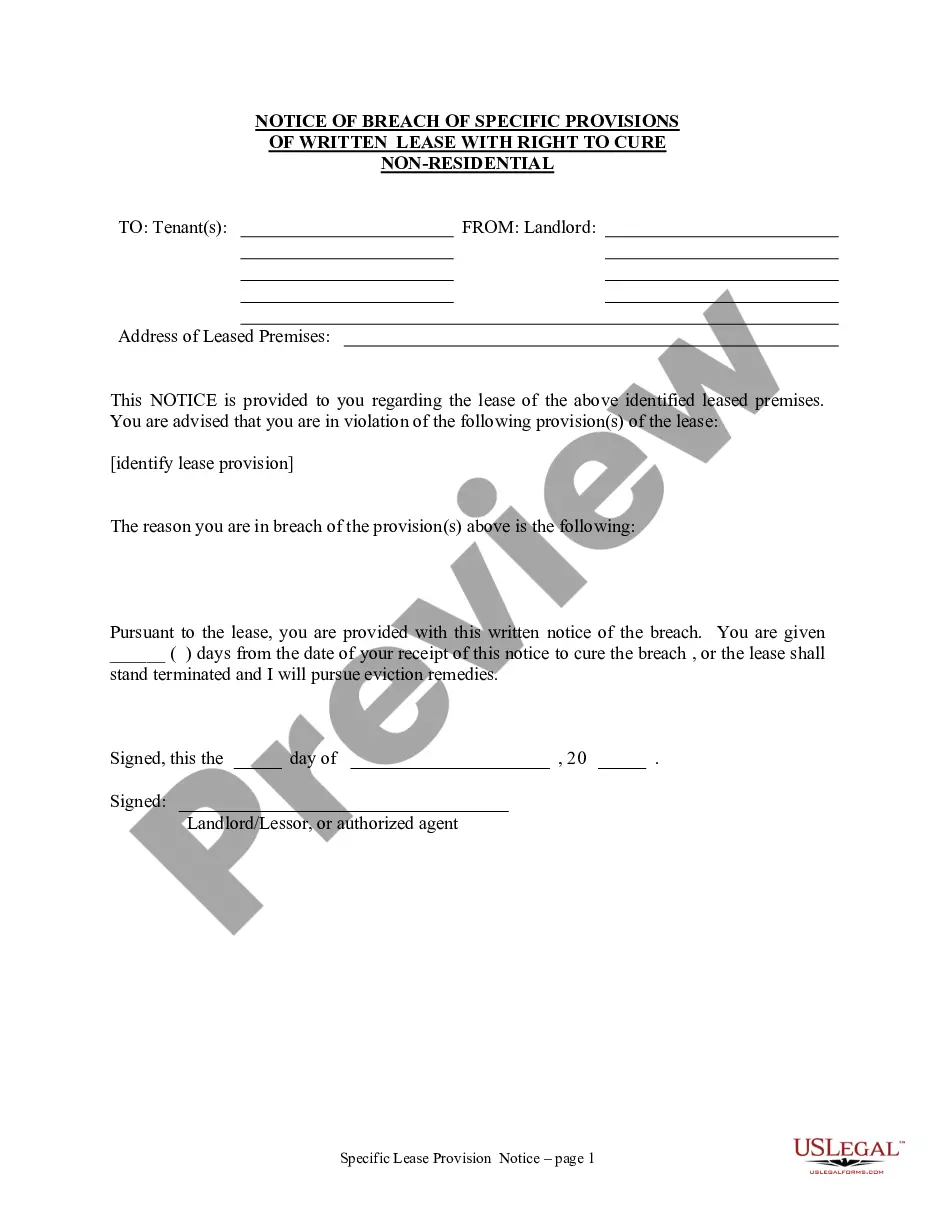








Form popularity
FAQ
No, a lease agreement does not have to be notarized in Georgia to be considered legally binding. The document only comes into effect once both parties have signed it.
The assignor must agree to assign their rights and duties under the contract to the assignee. The assignee must agree to accept, or "assume," those contractual rights and duties. The other party to the initial contract must consent to the transfer of rights and obligations to the assignee.
You can't sign your lease over to another person. You must settle with your landlord as to the conditions of you terminating your lease, and then he will lease it to another party. The arrangement you have described wouldn't be accepted by any landlord I have ever worked with.
Yes, you can create your own lease agreement without the assistance of a lawyer or other professional.
When a tenant decides to assign a lease, he is essentially giving up all his rights and responsibilities to the rental agreement and the unit to a third-party assignee. As a result, the original tenant (the "assignor") will have to vacate the unit and allow the new tenant to take over all of the leased premises.
Go To Your Landlord or Management Company For example, property owners in California must: Provide a copy of the rental agreement or lease to the tenant within 15 days of its execution by the tenant.
Bottom line: Once you sign your name to a lease agreement, you're bound to it. If you back out before moving in, the landlord will lose income they were relying on and must start all over looking for a tenant. At the least, you will be paying the rent until they find someone new.
Once a lease is signed by both the tenant and the landlord, it becomes a legally binding contract. The terms of the lease for whatsoever reason should not be unilaterally changed by the landlord or property manager without the tenant's consent. Doing so would constitute a breach of the lease agreement.
Term. It is advisable to document all communications with your landlord regarding the leaseMoreTerm. It is advisable to document all communications with your landlord regarding the lease termination. This documentation can be beneficial if disputes arise.
