Travel Expenses Corporate Without Receipt In Middlesex
Description


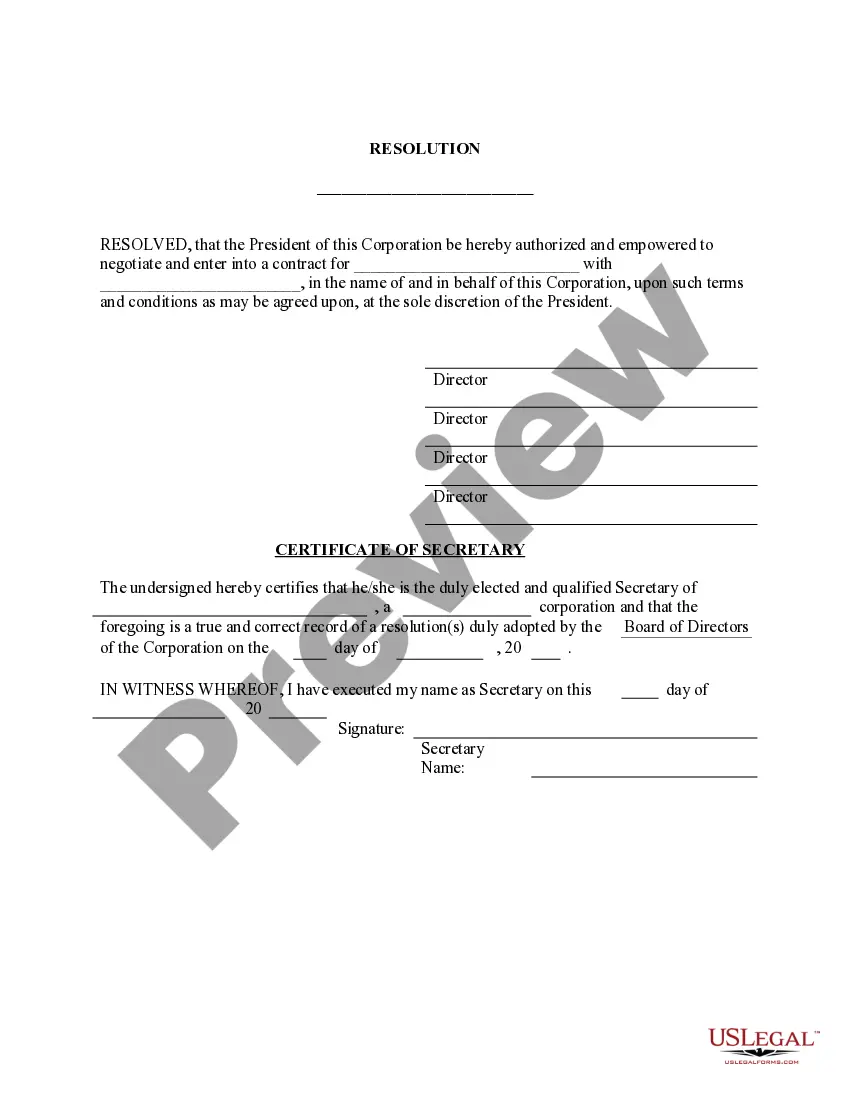
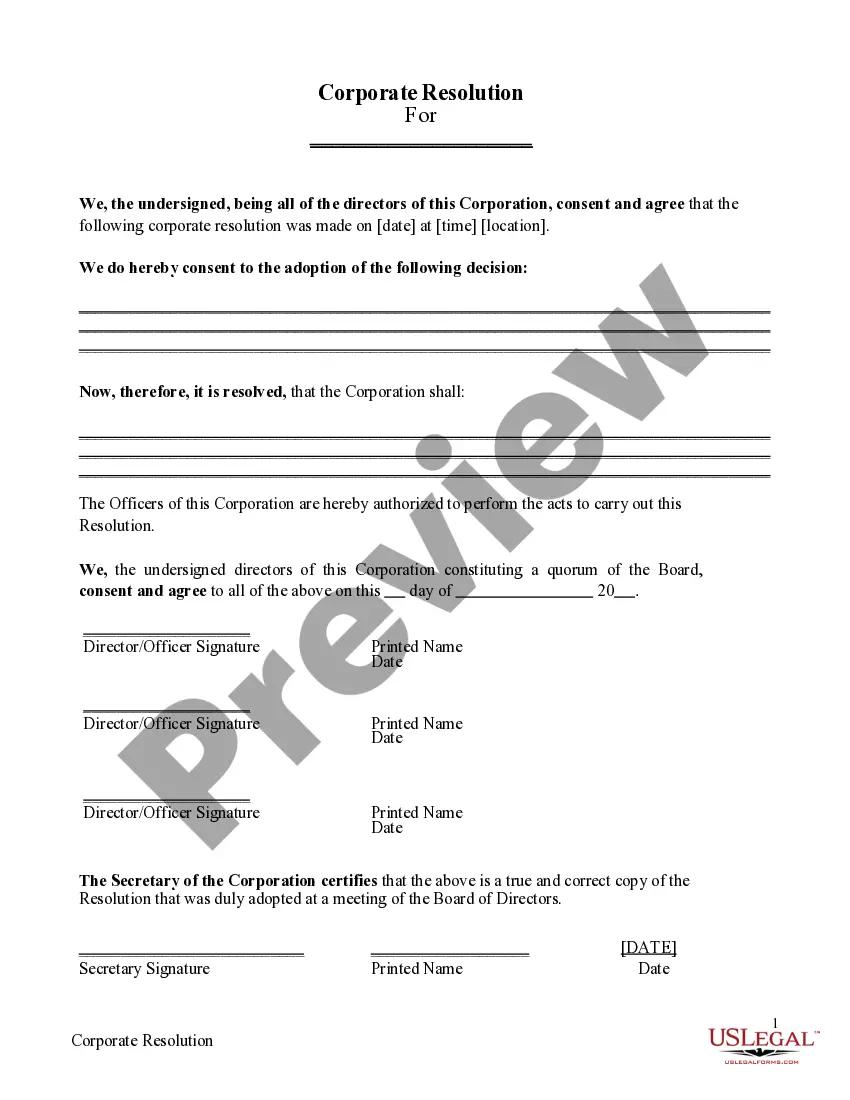
Get your form ready online
Our built-in tools help you complete, sign, share, and store your documents in one place.
Make edits, fill in missing information, and update formatting in US Legal Forms—just like you would in MS Word.
Download a copy, print it, send it by email, or mail it via USPS—whatever works best for your next step.
Sign and collect signatures with our SignNow integration. Send to multiple recipients, set reminders, and more. Go Premium to unlock E-Sign.
If this form requires notarization, complete it online through a secure video call—no need to meet a notary in person or wait for an appointment.
We protect your documents and personal data by following strict security and privacy standards.

Make edits, fill in missing information, and update formatting in US Legal Forms—just like you would in MS Word.

Download a copy, print it, send it by email, or mail it via USPS—whatever works best for your next step.

Sign and collect signatures with our SignNow integration. Send to multiple recipients, set reminders, and more. Go Premium to unlock E-Sign.

If this form requires notarization, complete it online through a secure video call—no need to meet a notary in person or wait for an appointment.

We protect your documents and personal data by following strict security and privacy standards.
Looking for another form?









Form popularity
FAQ
To prove travel expenses for taxes, you should keep a record of your expenses, such as receipts, vouchers, and invoices. As a general rule of thumb, don't write off an expense unless you can prove it relates to work.
Yes, you can claim deductions if you don't have receipts. For general expenses, you'll need an alternative record showing the transaction date, amount, and purpose.
This travel must be overnight and more than 100 miles from your home. Expenses must be ordinary and necessary. This deduction is limited to the regular federal per diem rate (for lodging, meals, and incidental expenses) and the standard mileage rate (for car expenses) plus any parking fees, ferry fees, and tolls.
Can you claim deductions if you don't have receipts? Yes, you can claim deductions if you don't have receipts. For general expenses, you'll need an alternative record showing the transaction date, amount, and purpose.
As a general rule, a taxpayer must maintain adequate records or other sufficient evidence to substantiate expenses claimed. Additional evidence is required for some expenditures or use, such as, travel, entertainment, gifts, and auto expenses.
A taxpayer is traveling away from home if they are away for longer than an ordinary day's work and they need to sleep to meet the demands of their work while away. Travel expenses must be ordinary and necessary. They can't be lavish, extravagant or for personal purposes.
Companies that attempt to claim reimbursements on their end-of-year tax filings without supporting documentation (original receipts) may find themselves facing serious consequences. In some cases, the companies may be prosecuted. Companies should collect and save receipts for tax purposes as opposed to invoices.
The travel needs to qualify as a “business trip” You need to leave your tax home. Your tax home is the locale where your business is based. Your trip must consist “mostly” of business. The IRS measures your time away in days. The trip needs to be an “ordinary and necessary” expense. You need to plan the trip in advance.

