Authorization Travel Document For Canada In Massachusetts
Description

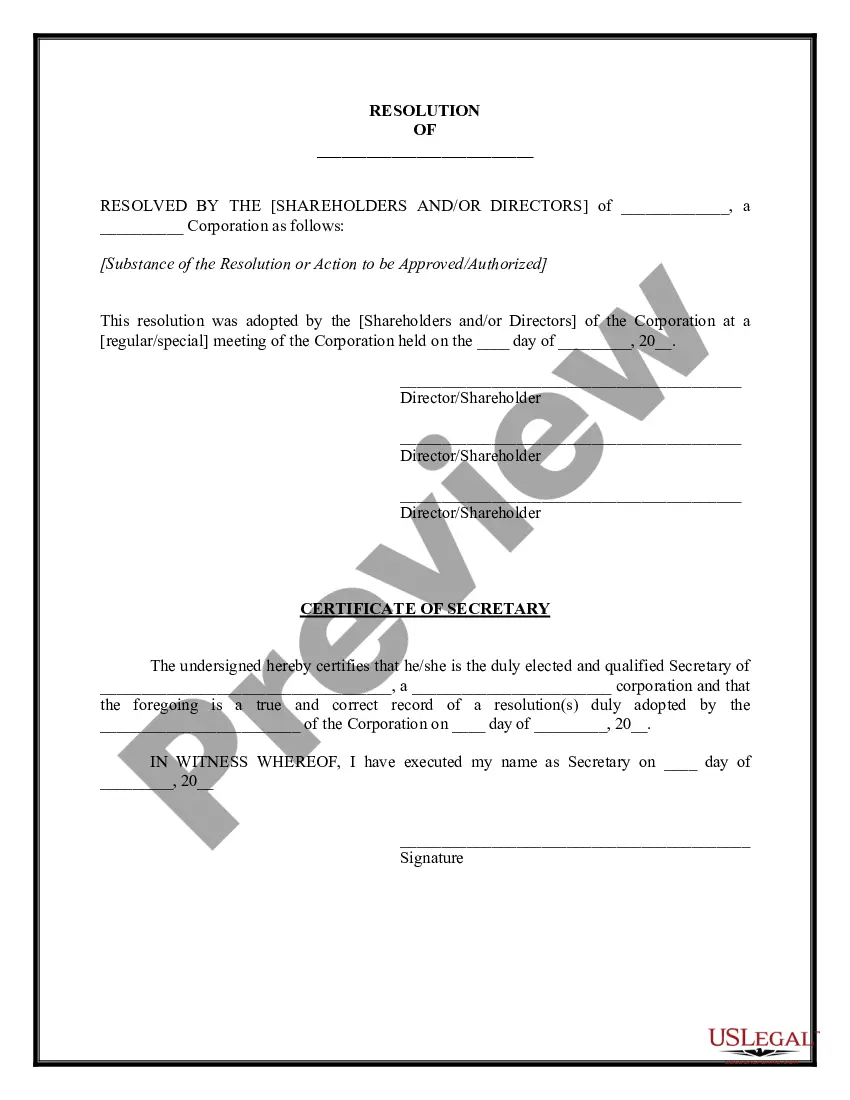
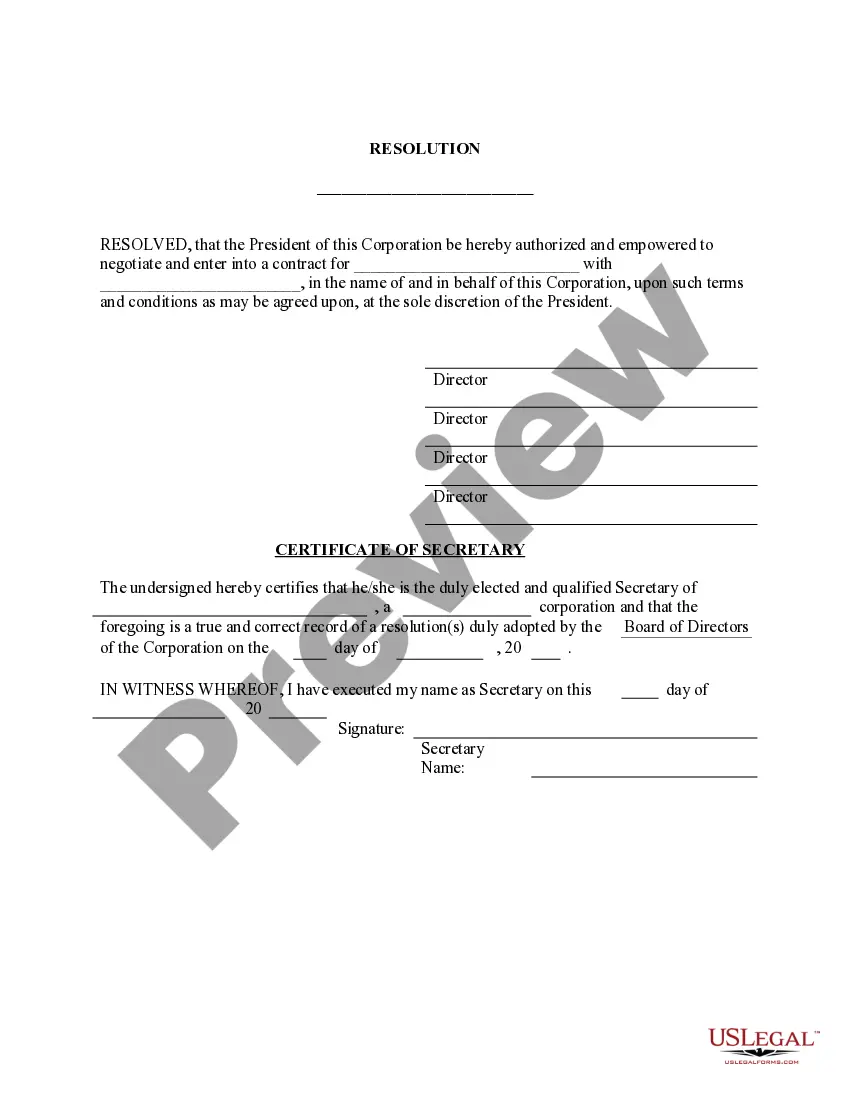
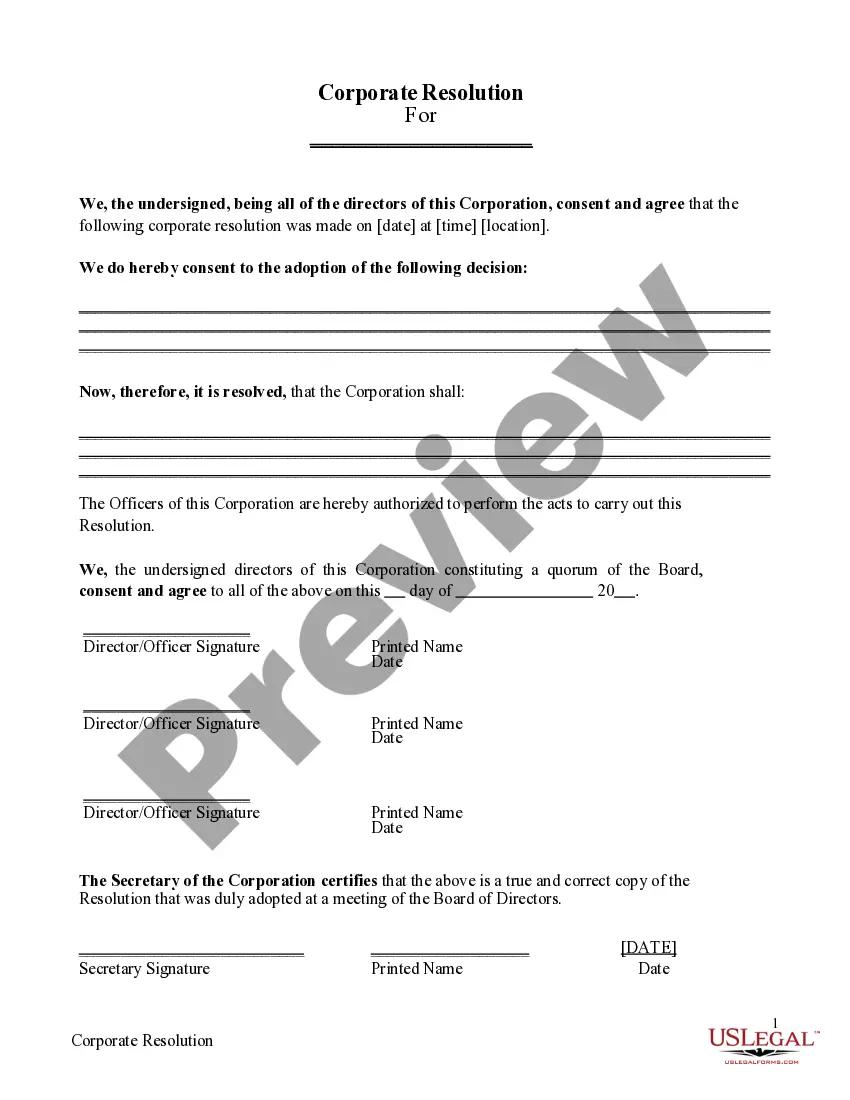
Get your form ready online
Our built-in tools help you complete, sign, share, and store your documents in one place.
Make edits, fill in missing information, and update formatting in US Legal Forms—just like you would in MS Word.
Download a copy, print it, send it by email, or mail it via USPS—whatever works best for your next step.
Sign and collect signatures with our SignNow integration. Send to multiple recipients, set reminders, and more. Go Premium to unlock E-Sign.
If this form requires notarization, complete it online through a secure video call—no need to meet a notary in person or wait for an appointment.
We protect your documents and personal data by following strict security and privacy standards.

Make edits, fill in missing information, and update formatting in US Legal Forms—just like you would in MS Word.

Download a copy, print it, send it by email, or mail it via USPS—whatever works best for your next step.

Sign and collect signatures with our SignNow integration. Send to multiple recipients, set reminders, and more. Go Premium to unlock E-Sign.

If this form requires notarization, complete it online through a secure video call—no need to meet a notary in person or wait for an appointment.

We protect your documents and personal data by following strict security and privacy standards.
Looking for another form?
Form popularity
FAQ
Entry into Canada: Canadian law requires that all persons entering Canada carry proof of citizenship and identity. A valid U.S. passport, passport card, or NEXUS card satisfies these requirements for U.S. citizens. Children under 16 only need proof of U.S. citizenship.
To enter or transit through Canada, most people need a visa or an Electronic Travel Authorization ( eTA ) – not both. Check if you need a visa or an eTA online.
As of April 26, 2022, lawful permanent residents of the United States must show these documents for all methods of travel to Canada: a valid passport from their country of nationality (or an equivalent acceptable travel document) and. a valid green card (or equivalent valid proof of status in the United States)
Entry into Canada: Canadian law requires that all persons entering Canada carry proof of citizenship and identity. A valid U.S. passport, passport card, or NEXUS card satisfies these requirements for U.S. citizens.
In addition to your passport, you may need a travel authorization such as a visa or an Electronic Travel Authorization (eTA) to enter Canada. Consult Immigration, Refugees and Citizenship Canada's website to learn which authorization you need: Find out if you need a visa to travel to Canada.
A valid U.S. passport or passport card is preferred, although a birth certificate, naturalization certificate, citizenship certificate, or another document proving U.S. nationality, together with a government-issued photo ID (such as a driver's license) are acceptable to establish identity and nationality.
U.S. citizens are exempt from the eTA requirement and must carry proper identification such as a valid U.S. passport. Lawful permanent residents of the United States who hold valid status in the U.S. are exempt from the eTA requirement.
An Electronic Travel Authorization (eTA) is an entry requirement for visa-exempt foreign nationals travelling to Canada by air. An eTA is electronically linked to a traveller's passport. It is valid for up to five years or until the passport expires, whichever comes first.
A travel document will only be issued if you can demonstrate to the immigration officer that you meet or will meet the physical residency requirement to maintain the PR status. Depending of the office, issuance of a travel document can take a few days to a few weeks/months.

