Exemption Form Homestead Withholding In Wayne
Description





Get your form ready online
Our built-in tools help you complete, sign, share, and store your documents in one place.
Make edits, fill in missing information, and update formatting in US Legal Forms—just like you would in MS Word.
Download a copy, print it, send it by email, or mail it via USPS—whatever works best for your next step.
Sign and collect signatures with our SignNow integration. Send to multiple recipients, set reminders, and more. Go Premium to unlock E-Sign.
If this form requires notarization, complete it online through a secure video call—no need to meet a notary in person or wait for an appointment.
We protect your documents and personal data by following strict security and privacy standards.

Make edits, fill in missing information, and update formatting in US Legal Forms—just like you would in MS Word.

Download a copy, print it, send it by email, or mail it via USPS—whatever works best for your next step.

Sign and collect signatures with our SignNow integration. Send to multiple recipients, set reminders, and more. Go Premium to unlock E-Sign.

If this form requires notarization, complete it online through a secure video call—no need to meet a notary in person or wait for an appointment.

We protect your documents and personal data by following strict security and privacy standards.
Looking for another form?
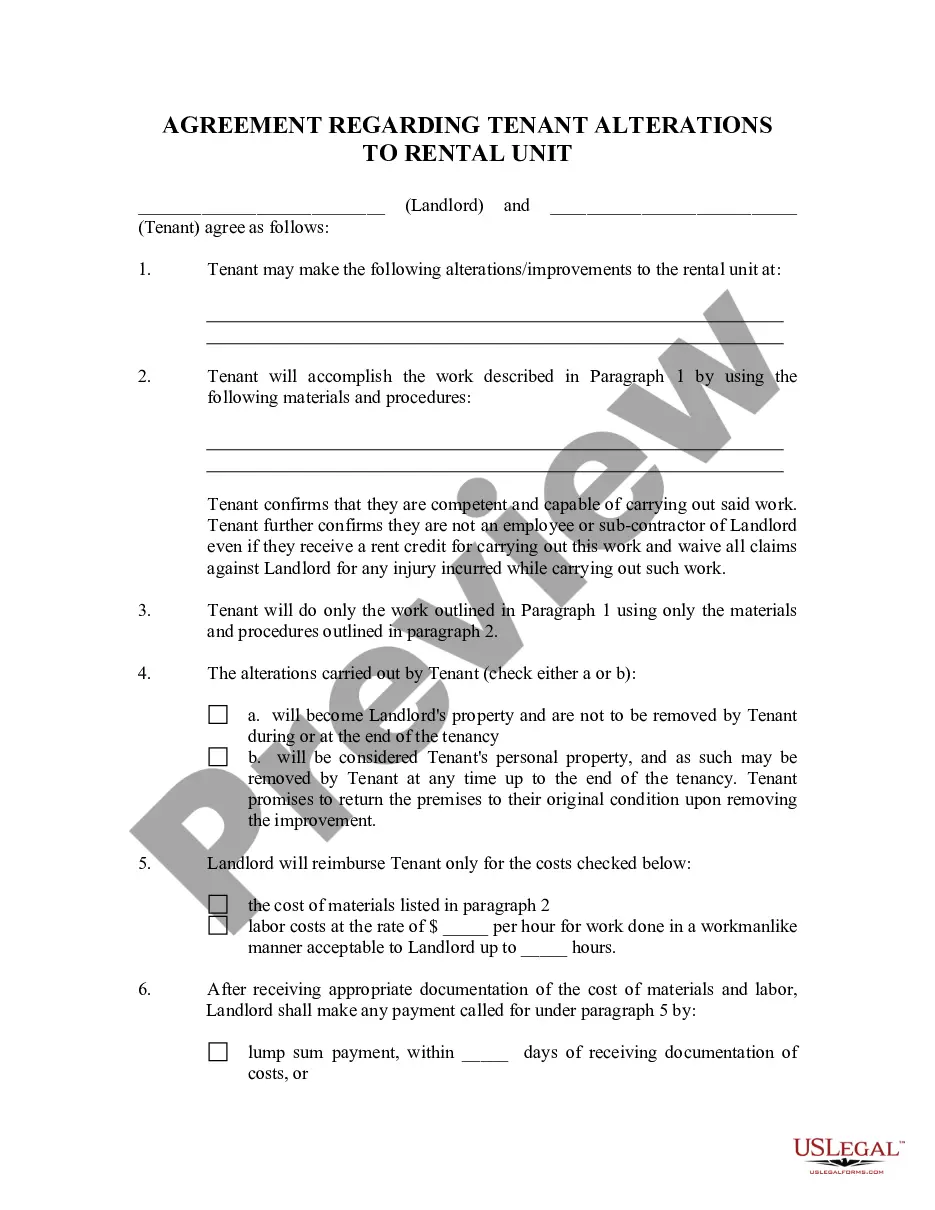




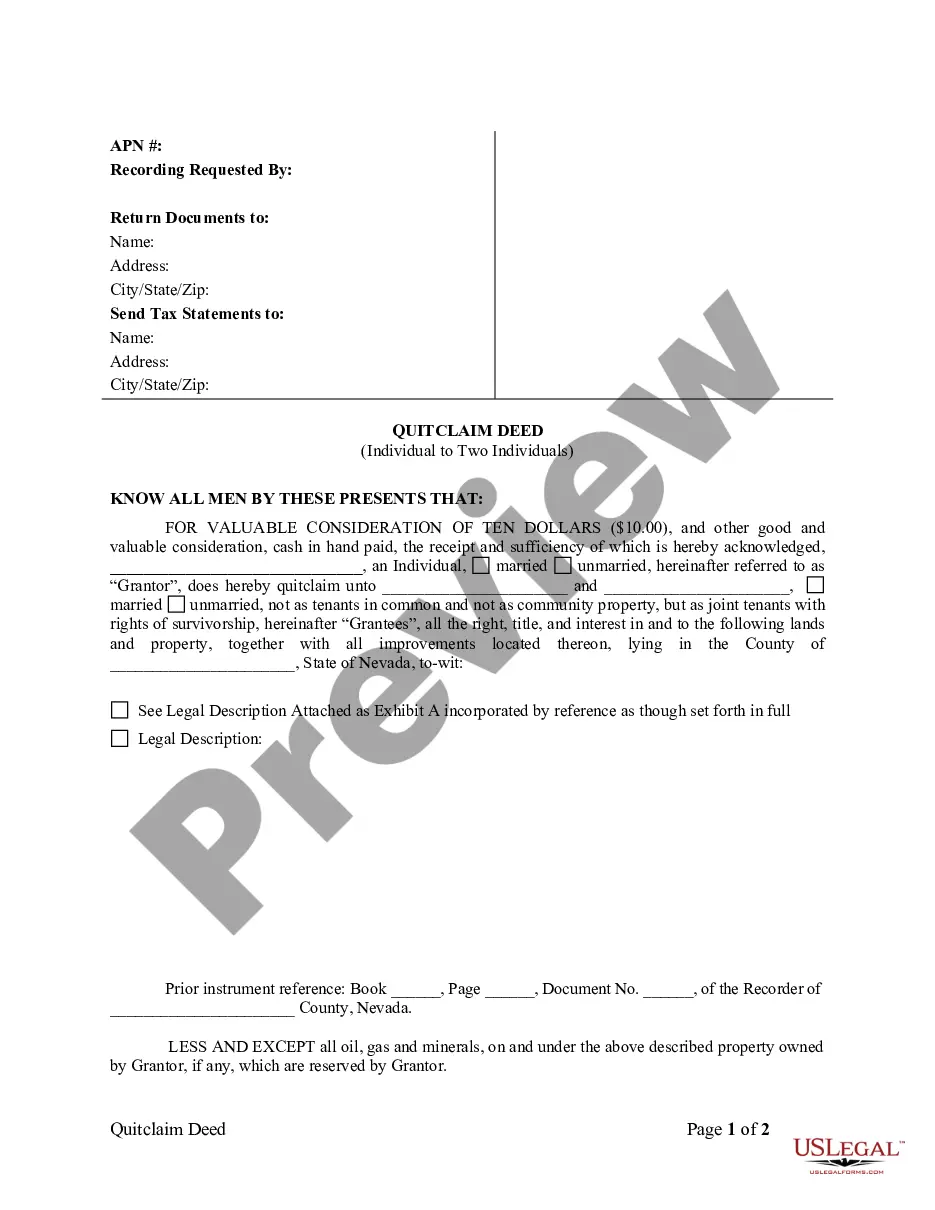




Form popularity
FAQ
The exemption offers eligible homeowners the opportunity to shield up to $28,000 of the market value of their homestead (a dwelling and up to one acre of land) from property taxation. For example, if a home is valued at $100,000, the property tax will generally be billed as if the home were valued at $72,000.
The protected amount is called the “homestead exemption.” All homeowners automatically have a homeowner's exemption, which protects part of their equity from involuntary sales (foreclosures). Recording a declaration of ownership extends this protection to voluntary sales.
Obtain the claim form from the County Assessor's office where the property is located. Submit the completed form to the same office. Once the exemption has been granted, it remains effective until a change in eligibility occurs, such as selling or moving out of the home. Annual filing is not required.
How to make a Claim of Exemption Fill out forms. Fill out two court forms. File the Claim of Exemption with the levying officer. Wait to see if the claim is opposed. Reply to the opposition (if any) ... Check if your court uses tentative rulings. Go to the hearing.
Michigan Department of Treasury Form 2368 (Rev. 6-99), Homestead Exemption Affidavit, is required to be filed if you wish to receive an exemption. Once you file on a residence, no additional filings are required as long as the claimant's exemption status remains unchanged.
California's Homestead Exemption is generous, but declaring a homestead protects equity for voluntary sales or refinancing Complete a homestead declaration form. Sign your declaration in front of a notary. Record the homestead declaration form with your county recorder's office.
This exemption is available to a single homeowner age 65 or older, or a couple filing a joint petition, if either or both are age 65 or over.
Your standard homestead deduction is $45,000, and your supplemental deduction is $47,250. Without any deduction, the tax rate would be applied to the AV of $180,000.

