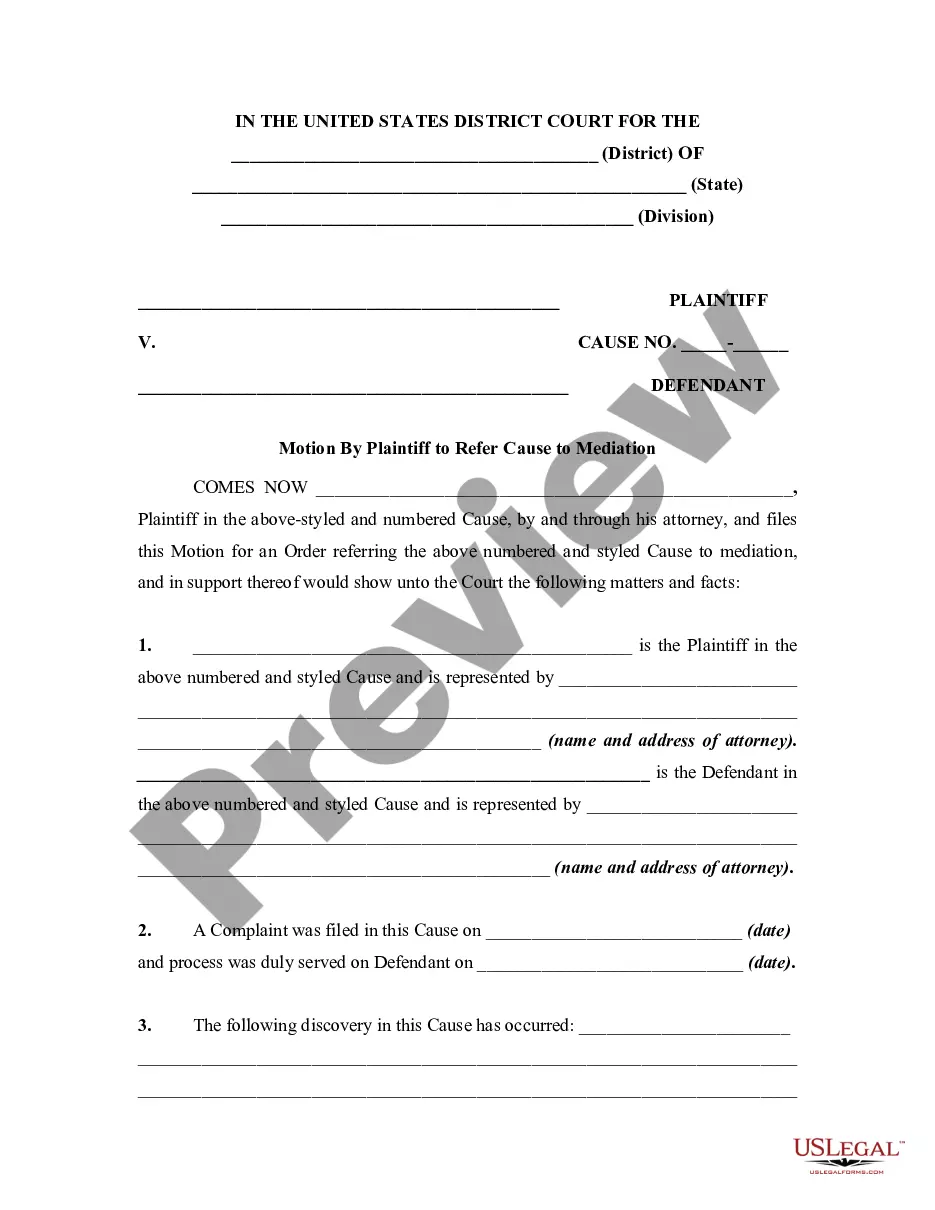
Homestead Exemption Forney In Washington
Description





Get your form ready online
Our built-in tools help you complete, sign, share, and store your documents in one place.
Make edits, fill in missing information, and update formatting in US Legal Forms—just like you would in MS Word.
Download a copy, print it, send it by email, or mail it via USPS—whatever works best for your next step.
Sign and collect signatures with our SignNow integration. Send to multiple recipients, set reminders, and more. Go Premium to unlock E-Sign.
If this form requires notarization, complete it online through a secure video call—no need to meet a notary in person or wait for an appointment.
We protect your documents and personal data by following strict security and privacy standards.

Make edits, fill in missing information, and update formatting in US Legal Forms—just like you would in MS Word.

Download a copy, print it, send it by email, or mail it via USPS—whatever works best for your next step.

Sign and collect signatures with our SignNow integration. Send to multiple recipients, set reminders, and more. Go Premium to unlock E-Sign.

If this form requires notarization, complete it online through a secure video call—no need to meet a notary in person or wait for an appointment.

We protect your documents and personal data by following strict security and privacy standards.
Looking for another form?







Form popularity
FAQ
A homestead can be defined as the house and adjoining land where the owner primarily resides. Legally, what constitutes as a homestead varies state by state. Properties that qualify as homesteads may also benefit from homestead exemptions, which can offer homeowners certain financial and legal protections.
Qualifying homeowners can get a 35% exemption of the assessed value of a home up to $600,000 (25% for homes over $600,000). Additional deductions are available for seniors, veterans, disabled persons, rehabilitations, and mortgages.
How Much Is the Homestead Exemption in a Washington State Bankruptcy? Federal Homestead Exemption Homestead exemption amount $27,900 Can spouses who file a joint bankruptcy double the exemption? $55,800 is available to spouses who co-own property. Homestead exemption law 11 U.S.C. § 522(d)(1)2 more rows
Several years passed before the Federal Land Policy and Management Act of 1976 officially ended homesteading in the United States, with exception of a 10 year extension to claims filed in Alaska.
(1) The homestead consists of real or personal property that the owner or a dependent of the owner uses as a residence.
In the case of a dwelling house or mobile home, the homestead consists of the dwelling house or the mobile home in which the owner resides or intends to reside, with appurtenant buildings, and the land on which the same are situated and by which the same are surrounded, or improved or unimproved land, regardless of ...
Qualifying Activity: Own home in Washington for five years; occupy as a primary residence; have combined disposable income of $57,000 or less; and have enough equity to secure the interest of the State of Washington in the property.
Qualifying homeowners can get a 35% exemption of the assessed value of a home up to $600,000 (25% for homes over $600,000). Additional deductions are available for seniors, veterans, disabled persons, rehabilitations, and mortgages.