Homestead Act Information With One Another In Utah
Description





Get your form ready online
Our built-in tools help you complete, sign, share, and store your documents in one place.
Make edits, fill in missing information, and update formatting in US Legal Forms—just like you would in MS Word.
Download a copy, print it, send it by email, or mail it via USPS—whatever works best for your next step.
Sign and collect signatures with our SignNow integration. Send to multiple recipients, set reminders, and more. Go Premium to unlock E-Sign.
If this form requires notarization, complete it online through a secure video call—no need to meet a notary in person or wait for an appointment.
We protect your documents and personal data by following strict security and privacy standards.

Make edits, fill in missing information, and update formatting in US Legal Forms—just like you would in MS Word.

Download a copy, print it, send it by email, or mail it via USPS—whatever works best for your next step.

Sign and collect signatures with our SignNow integration. Send to multiple recipients, set reminders, and more. Go Premium to unlock E-Sign.

If this form requires notarization, complete it online through a secure video call—no need to meet a notary in person or wait for an appointment.

We protect your documents and personal data by following strict security and privacy standards.
Looking for another form?
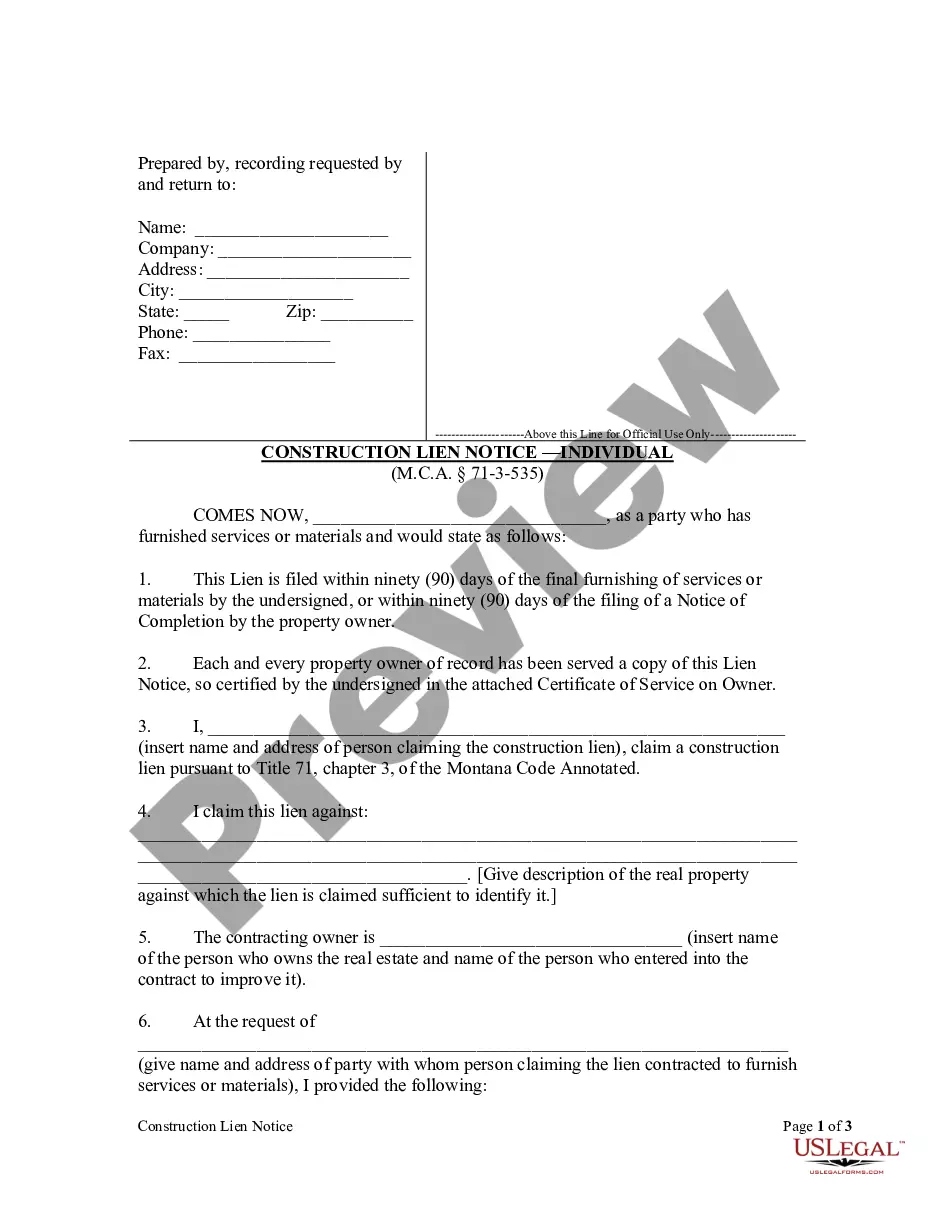
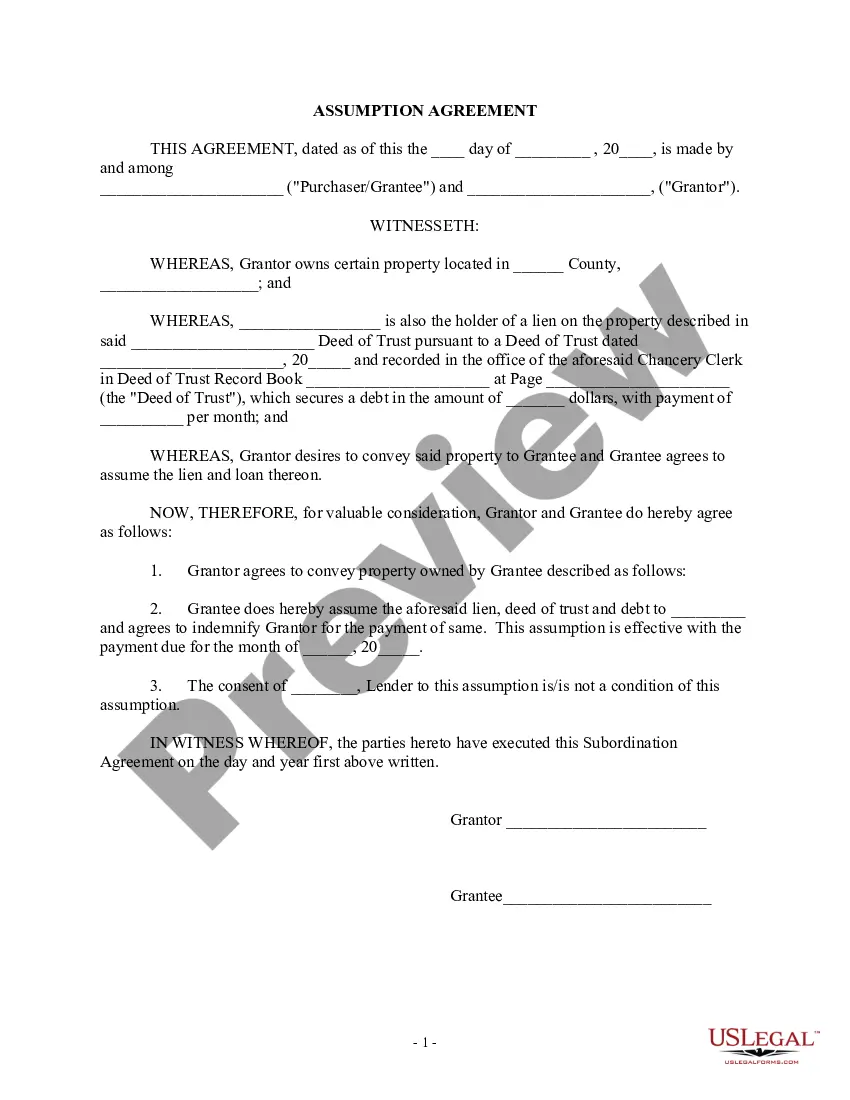


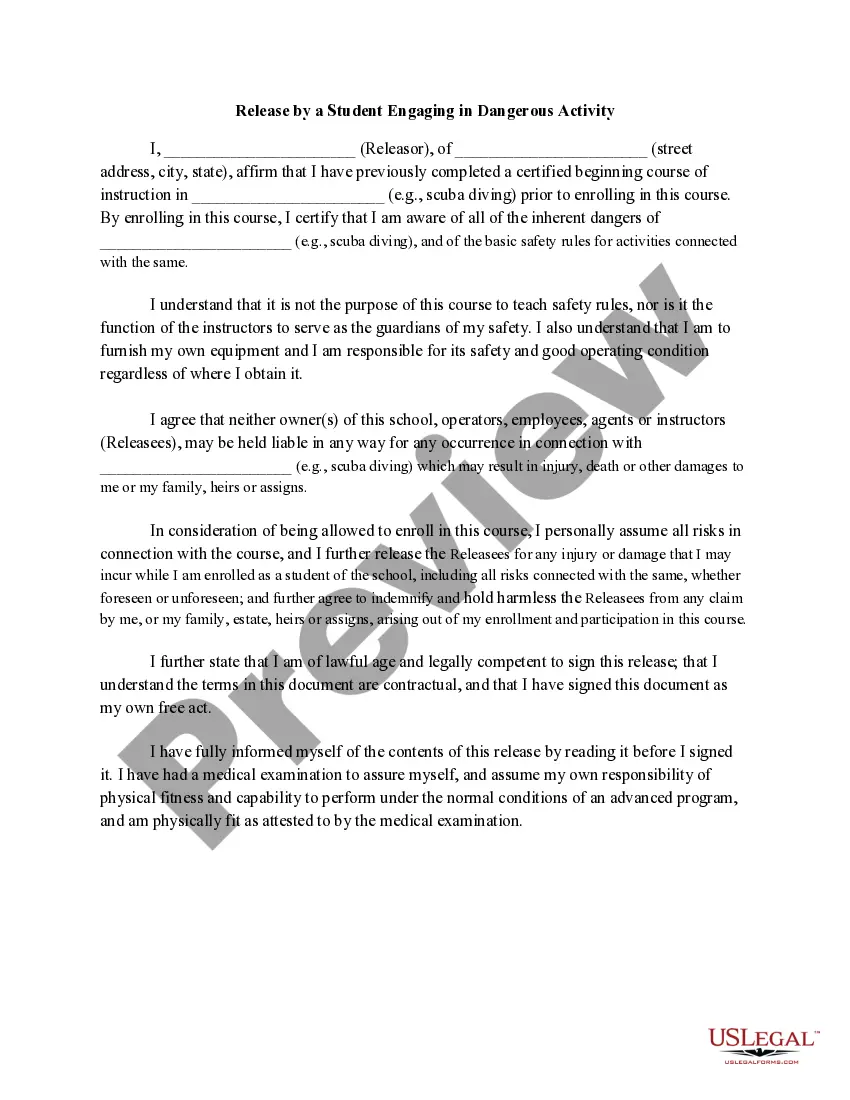
Form popularity
FAQ
While the specifics can vary by state, generally, homestead exemptions are only available for an individual or family's primary residence. This means you cannot claim homestead exemptions in multiple states.
A homestead does not protect you against: Foreclosure of your home by mortgage lender if you are behind on payments; The enforcement of a mechanic's lien; A judgment for child or spousal support.
A decedent's surviving spouse is entitled to a homestead allowance of $22,500. If there is no surviving spouse, each minor child and each dependent child of the decedent is entitled to a homestead allowance amounting to $22,500 divided by the number of minor and dependent children of the decedent.
Homestead Statutes in Utah Code SectionUtah Code 78B-5-501, et seq.: Utah Exemptions Act Max. Property Value That May Be Designated 'Homestead' $5,000 if property is not primary personal residence, $20,000 if property is primary personal residence Maximum Acreage (Urban) - Maximum Acreage (Rural)
The new law established a three-fold homestead acquisition process: file an application, improve the land, and file for deed of title. Any U.S. citizen, or intended citizen, who had never borne arms against the U.S. Government could file an application and lay claim to 160 acres of surveyed Government land.
You may be eligible for the primary residential exemption if you occupy your home for 183 consecutive days or more in a calendar year. The exemption applies to your house and up to one acre of land. Apartments, condos and mobile homes also qualify.
The Utah State Constitution, Article XIII, § 3, allows County Assessors to exempt from taxation 45% of the fair market value of residential property and up to one acre of land. Statute defines residential property, for purposes of the exemption, to be a primary residence.

