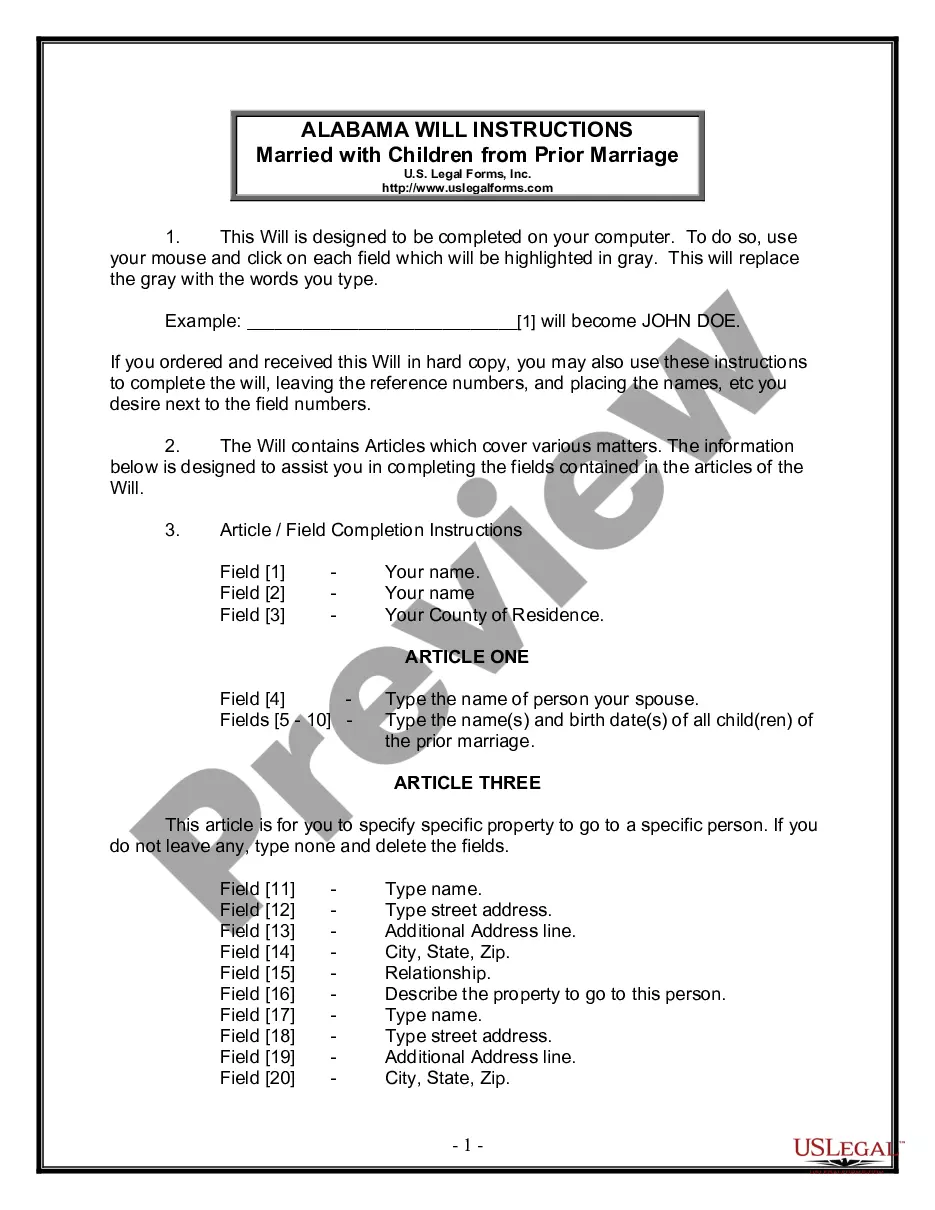
Residence Homestead Exemption Application Form 50-114 In Salt Lake
Description





Get your form ready online
Our built-in tools help you complete, sign, share, and store your documents in one place.
Make edits, fill in missing information, and update formatting in US Legal Forms—just like you would in MS Word.
Download a copy, print it, send it by email, or mail it via USPS—whatever works best for your next step.
Sign and collect signatures with our SignNow integration. Send to multiple recipients, set reminders, and more. Go Premium to unlock E-Sign.
If this form requires notarization, complete it online through a secure video call—no need to meet a notary in person or wait for an appointment.
We protect your documents and personal data by following strict security and privacy standards.

Make edits, fill in missing information, and update formatting in US Legal Forms—just like you would in MS Word.

Download a copy, print it, send it by email, or mail it via USPS—whatever works best for your next step.

Sign and collect signatures with our SignNow integration. Send to multiple recipients, set reminders, and more. Go Premium to unlock E-Sign.

If this form requires notarization, complete it online through a secure video call—no need to meet a notary in person or wait for an appointment.

We protect your documents and personal data by following strict security and privacy standards.
Looking for another form?

Form popularity
FAQ
The primary residential exemption is a provision of Utah code which grants a 45% decrease in the property tax of the property. A primary residence is defined as a dwelling that serves as someone's primary domicile and is occupied for at least 183 consecutive days in a year.
To qualify for the age 65 or older residence homestead exemption, the individual must be age 65 or older, have an ownership interest in the property and live in the home as his or her principal residence.
The bill raises the additional homestead exemption for elderly and disabled homeowners from $10,000 to $60,000. That's on top of the current $100,000 exemption for Texas homeowners. The homestead exemption is the amount of a home's value that is not subject to property taxes.
Homestead Exemption for Seniors – Who Is Eligible and How to Apply. Every Texas homeowner can apply for a general homestead exemption, which reduces the taxable value of their primary residence. Seniors age 65 and older qualify for additional exemptions that can further reduce their property tax bill.
Exemptions increase based on age, and can be claimed by seniors, the disabled and veterans. Qualifying homeowners can get 50% the value of their primary residence (up to $125,000) deducted from property tax. Disabled veterans can claim other reductions.
There are several partial and absolute exemptions available. Some of these exemptions include General Residential Homestead, Over 65, Over 55 Surviving Spouse, Disability Homestead, Disabled Veterans, Charitable, Religious, Freeport and Pollution Control.
- An Executor or Legal Representative Whether an executor or legal representative, they are responsible for paying the property taxes as long as the property is part of the estate.
A homestead exemption removes part of the value from the assessed value of your property and lowers your property taxes. The General Homestead Exemption is available to taxpayers who own and reside in the home as of January 1st of the year.
Homestead exemptions reduce your home's appraised value and, as a result, lower your property taxes. To apply for an exemption on your residence homestead, contact the (NAME) Appraisal District.
REQUIRED DOCUMENTATION Attach a copy of each property owner's driver's license or state-issued personal identification certificate. The address listed on the driver's license or state-issued personal identification certificate must correspond to the property address for which the exemption is requested.