Homestead Exemption With In New York
Description





Get your form ready online
Our built-in tools help you complete, sign, share, and store your documents in one place.
Make edits, fill in missing information, and update formatting in US Legal Forms—just like you would in MS Word.
Download a copy, print it, send it by email, or mail it via USPS—whatever works best for your next step.
Sign and collect signatures with our SignNow integration. Send to multiple recipients, set reminders, and more. Go Premium to unlock E-Sign.
If this form requires notarization, complete it online through a secure video call—no need to meet a notary in person or wait for an appointment.
We protect your documents and personal data by following strict security and privacy standards.

Make edits, fill in missing information, and update formatting in US Legal Forms—just like you would in MS Word.

Download a copy, print it, send it by email, or mail it via USPS—whatever works best for your next step.

Sign and collect signatures with our SignNow integration. Send to multiple recipients, set reminders, and more. Go Premium to unlock E-Sign.

If this form requires notarization, complete it online through a secure video call—no need to meet a notary in person or wait for an appointment.

We protect your documents and personal data by following strict security and privacy standards.
Looking for another form?

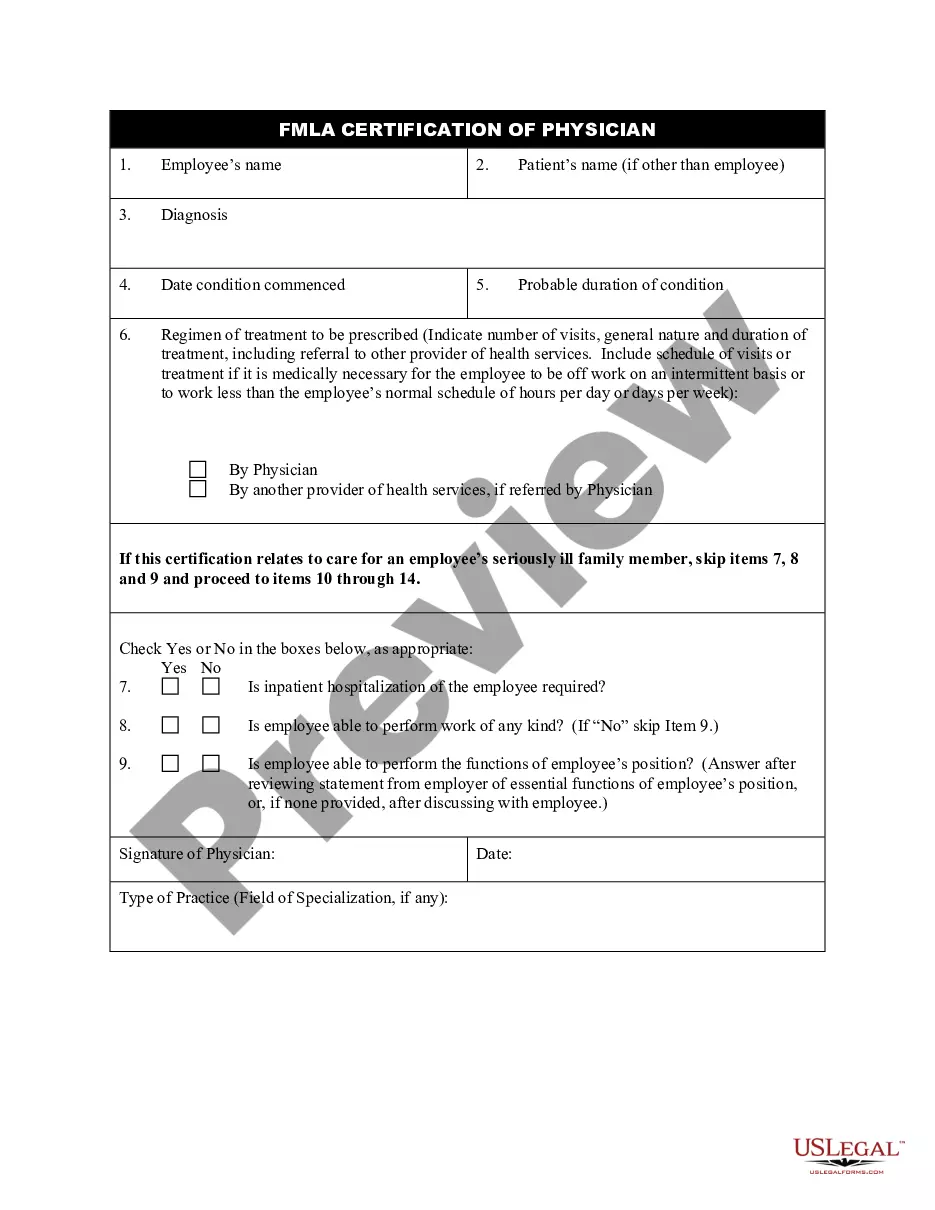


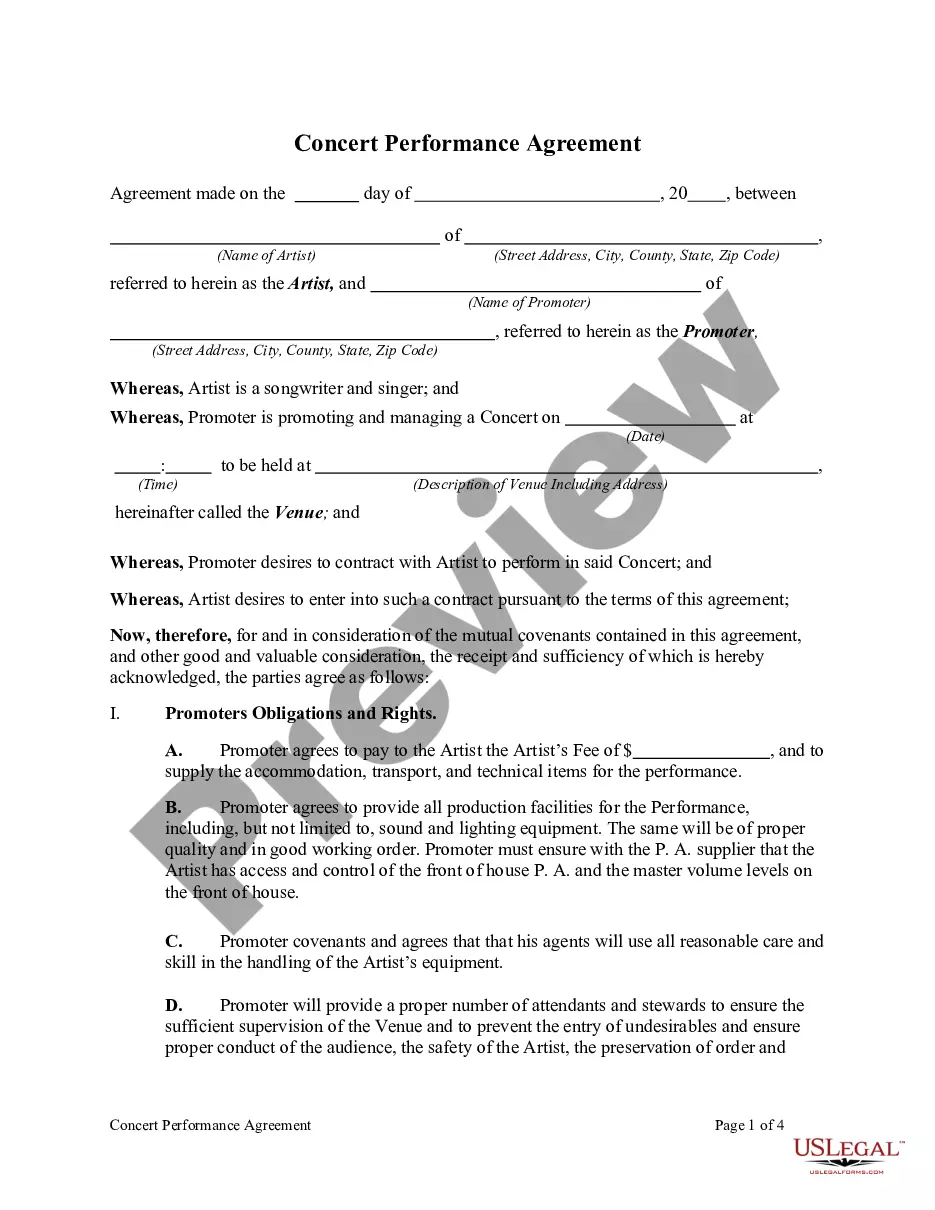

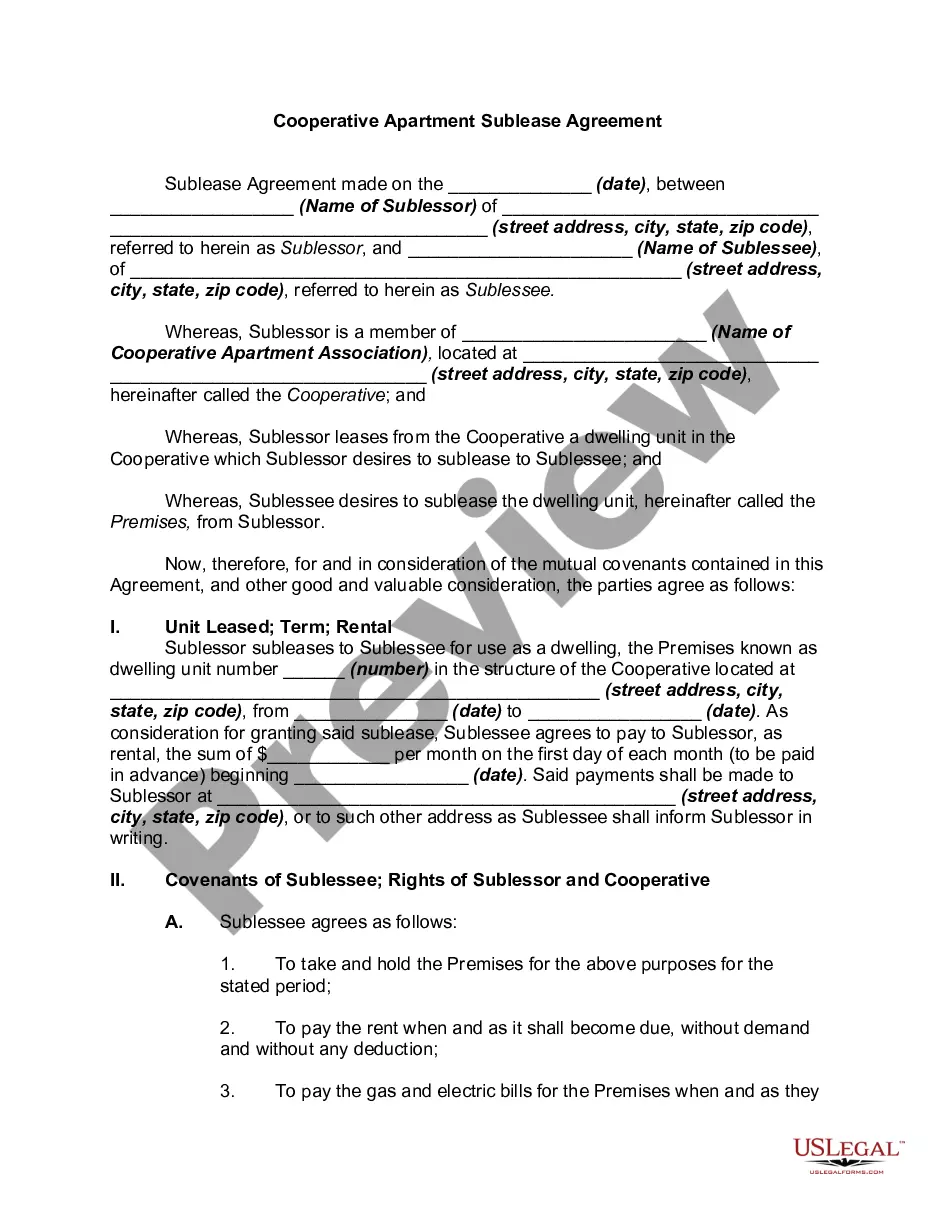



Form popularity
FAQ
If you own a home, condo, farm home, or mobile home in New York, you are eligible to protect your equity in your primary residence under the New York homestead exemption. This law is intended to protect your primary home from seizure by a court order to fulfill a debt, whether you have filed for bankruptcy or not.
Items and services that are exempt from sales tax include but are not limited to: Food products, dietary foods, certain beverages and health supplements sold by food markets. Diapers. Drugs and medicines for people. Medical equipment and supplies for home use. Newspapers, magazines and other periodicals.
Here are the California System 1 property exemptions: The Homestead Exemption protects up to $600,000 in your principal residence, which could be a home, boat, condo, or even a planned development. The Motor Vehicle Exemption protects up to $3,625 of equity in your car or other vehicle.
To qualify for an exemption that begins on July 1, you must be 65 or older by the following December 31. If you co-own your property with a spouse or sibling, only one of you needs to be 65 or older. For other co-ownerships such as a parent and children, all owners must be 65 or older.
To receive a property tax exemption, the property's title must be in the name of a nonprofit organization. The applicant organization must be the owner, and the property must be used for an exempt purpose. The types of properties which may be eligible include properties that: are used for religious services.
The City of New York offers tax break down known as exemptions to seniors, veterans, clergy members, people with disabilities, and others. Please visit the Property Tax Benefits page for the most up-to-date information about property tax exemptions.
Exempt property is any property that creditors cannot seize and sell in order to satisfy debt during chapter 7 or chapter 13 bankruptcy. The type of property exempted differs from state to state but often includes clothes, home furnishings, retirement plans, and small amounts of equity in a house and car.
Specifically, homestead laws allow individuals to declare a portion of their property as "homestead" and therefore protected from a forced sale. Under New York's homestead protection law, the amount property owners may declare exempt varies based on county location and range from $75,000 to $150,000.
Exemption applications must be filed with your local assessor's office. See our Municipal Profiles for your local assessor's mailing address. Do not file any exemption applications with the NYS Department of Taxation and Finance or with the Office of Real Property Tax Services.
