Homestead Exemption Forms With Multiple Owners In Mecklenburg
Description





Get your form ready online
Our built-in tools help you complete, sign, share, and store your documents in one place.
Make edits, fill in missing information, and update formatting in US Legal Forms—just like you would in MS Word.
Download a copy, print it, send it by email, or mail it via USPS—whatever works best for your next step.
Sign and collect signatures with our SignNow integration. Send to multiple recipients, set reminders, and more. Go Premium to unlock E-Sign.
If this form requires notarization, complete it online through a secure video call—no need to meet a notary in person or wait for an appointment.
We protect your documents and personal data by following strict security and privacy standards.

Make edits, fill in missing information, and update formatting in US Legal Forms—just like you would in MS Word.

Download a copy, print it, send it by email, or mail it via USPS—whatever works best for your next step.

Sign and collect signatures with our SignNow integration. Send to multiple recipients, set reminders, and more. Go Premium to unlock E-Sign.

If this form requires notarization, complete it online through a secure video call—no need to meet a notary in person or wait for an appointment.

We protect your documents and personal data by following strict security and privacy standards.
Looking for another form?







Form popularity
FAQ
North Carolina differs from most state homestead laws by not specifying an acreage limit, but only allowing up to $1,000 worth of property to be declared a homestead.
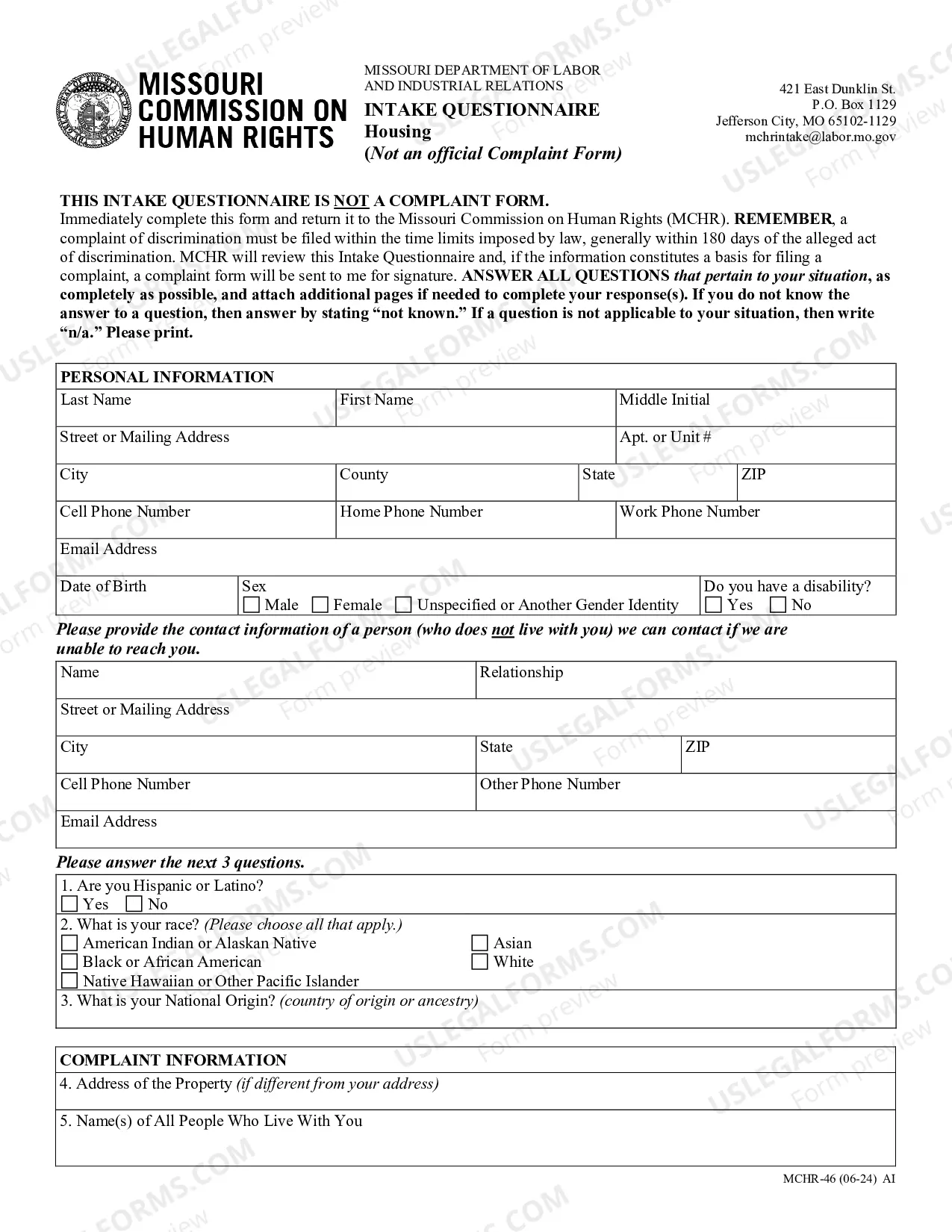
To apply, complete and submit FORM AV9 and required income statements with the tax office by June 1. For disabled applicants, you must also complete FORM AV9-A signed by a physician licensed to practice medicine in North Carolina.
While the specifics can vary by state, generally, homestead exemptions are only available for an individual or family's primary residence. This means you cannot claim homestead exemptions in multiple states.
In Mecklenburg County, North Carolina, the homestead exemption protects a portion of the equity in your primary residence from being seized by creditors in the event of bankruptcy or other legal actions.
“What are the benefits?” The Homestead Exclusion allows you exemption of $25,000 or 50% of your home's value (whichever provides the most benefit). This only applies to your primary residence and is limited to 1 acre or less.
North Carolina defers a portion of the property taxes on the appraised value of a permanent residence owned and occupied by a North Carolina resident who has owned and occupied the property at least five years, is at least 65 years of age or is totally and permanently disabled, and whose income does not exceed $56,850.
The spouse who holds the title of the property is responsible for applying for homestead exemption. Whether the house is owned through joint ownership with rights of survivorship, tenancy by the entirety, or another ownership type, Florida law preserves the rights of the owner's spouse.
To apply, complete and submit FORM AV9 and required income statements with the tax office by June 1. For disabled applicants, you must also complete FORM AV9-A signed by a physician licensed to practice medicine in North Carolina.

