Homestead Exemption Florida For Seniors In Houston
Description





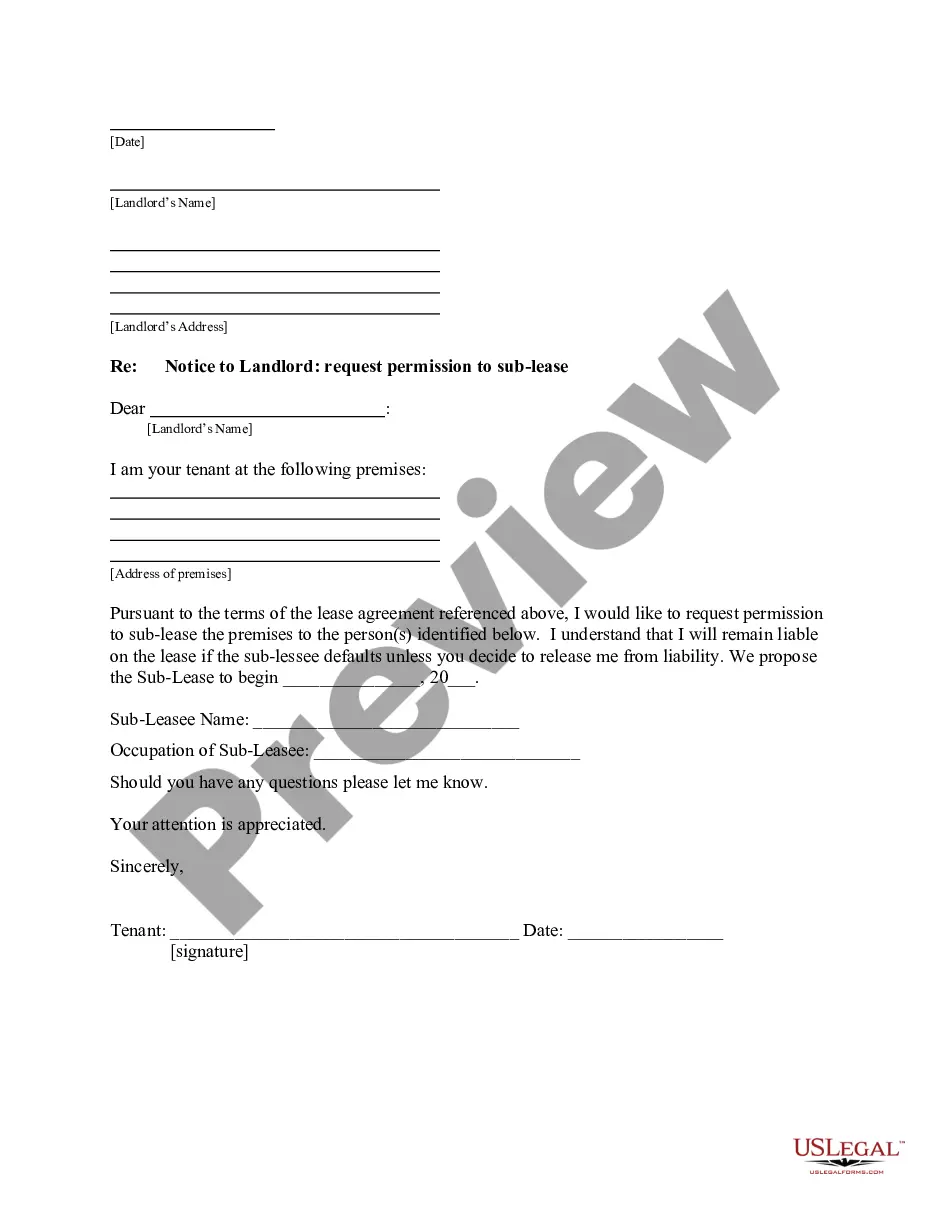
Get your form ready online
Our built-in tools help you complete, sign, share, and store your documents in one place.
Make edits, fill in missing information, and update formatting in US Legal Forms—just like you would in MS Word.
Download a copy, print it, send it by email, or mail it via USPS—whatever works best for your next step.
Sign and collect signatures with our SignNow integration. Send to multiple recipients, set reminders, and more. Go Premium to unlock E-Sign.
If this form requires notarization, complete it online through a secure video call—no need to meet a notary in person or wait for an appointment.
We protect your documents and personal data by following strict security and privacy standards.

Make edits, fill in missing information, and update formatting in US Legal Forms—just like you would in MS Word.

Download a copy, print it, send it by email, or mail it via USPS—whatever works best for your next step.

Sign and collect signatures with our SignNow integration. Send to multiple recipients, set reminders, and more. Go Premium to unlock E-Sign.

If this form requires notarization, complete it online through a secure video call—no need to meet a notary in person or wait for an appointment.

We protect your documents and personal data by following strict security and privacy standards.
Looking for another form?

Form popularity
FAQ
The total household income limitation is the same for both exemptions. It is made available by the Florida Department of Revenue annually and subject to change each year. The adjusted income limitation for the 2024 exemptions is $36,614.
Required Documentation for Homestead Exemption Application Your recorded deed or tax bill. Florida Drivers License or Identification Card. Will need to provide ID# and issue date. Vehicle Registration. Will need to provide tag # and issue date. Permanent Resident Alien Card. Will need to provide ID# and issue date.
Every person who is eligible for the Homestead Exemption is eligible for an additional exemption up to $50,000 under the following circumstances: (1) The county or municipality adopts an ordinance that allows the additional exemption which applies ONLY to the taxes levied by the unit of government granting the ...
For persons age 65 or older or disabled, Tax Code Section 11.13(c) requires school districts to provide an additional $10,000 residence homestead exemption. Tax Code Section 11.13(d) allows any taxing unit to adopt a local option residence homestead exemption. This local option exemption cannot be less than $3,000.
Long-term Resident Senior Exemption The property must qualify for a homestead exemption. At least one homeowner must be 65 years old as of January 1. Total 'Household Adjusted Gross Income' for everyone who lives on the property cannot exceed statutory limits. Have lived in the home for at least 25 years.
How To Apply For A Homestead Exemption? STEP 1: Gather Required Documents. STEP 2: Complete the Homestead Exemption Application. STEP 3: Submit the Application. STEP 4: Wait for Approval. STEP 5: Reapply Annually.
In addition to the proof of Florida residency, you must be residing on the property as your primary residence as of January 1st. Social Security numbers are required for all owners and their spouses making application, even if the spouse does not own and/or reside on the property, per Florida Statute.
The Standard Elderly General Homestead Exemption is available to homeowners who otherwise qualify and who are 65 and older where the net income of the applicant and spouse does not exceed $10,000 for the preceding year.