Letter Instruction Sample With Cc In Salt Lake
Description

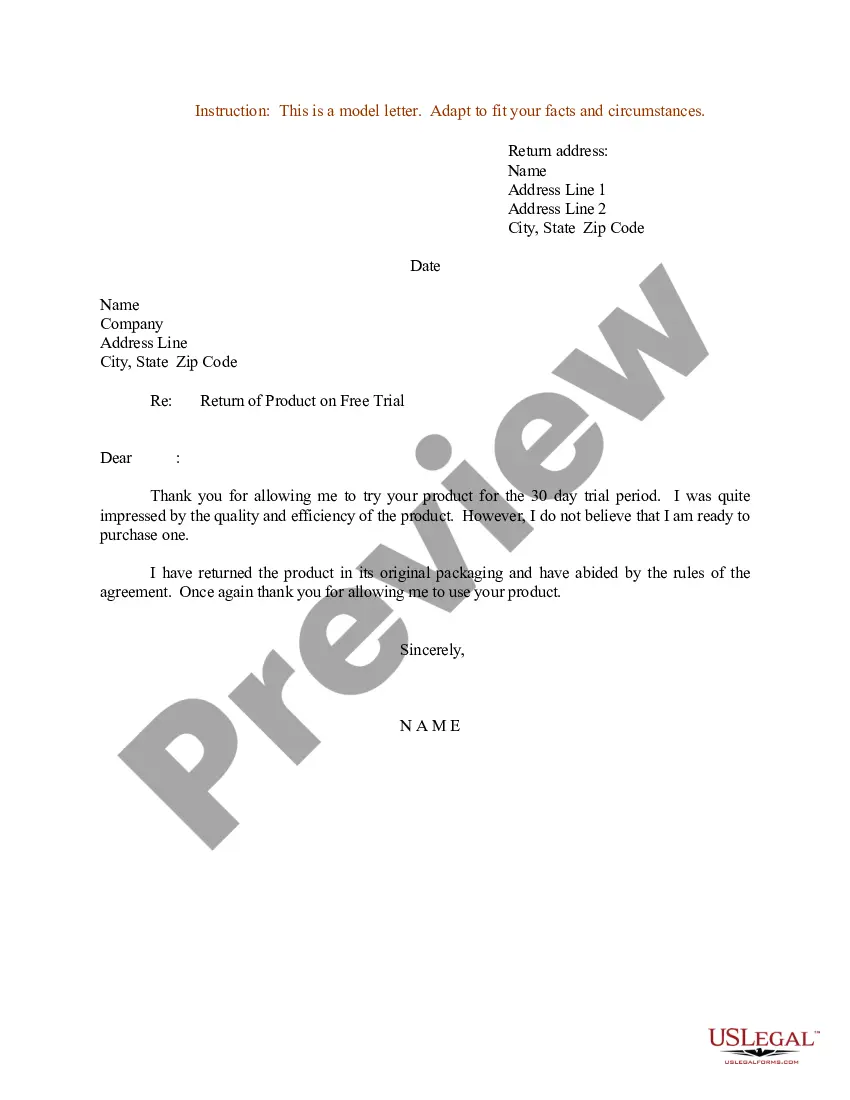
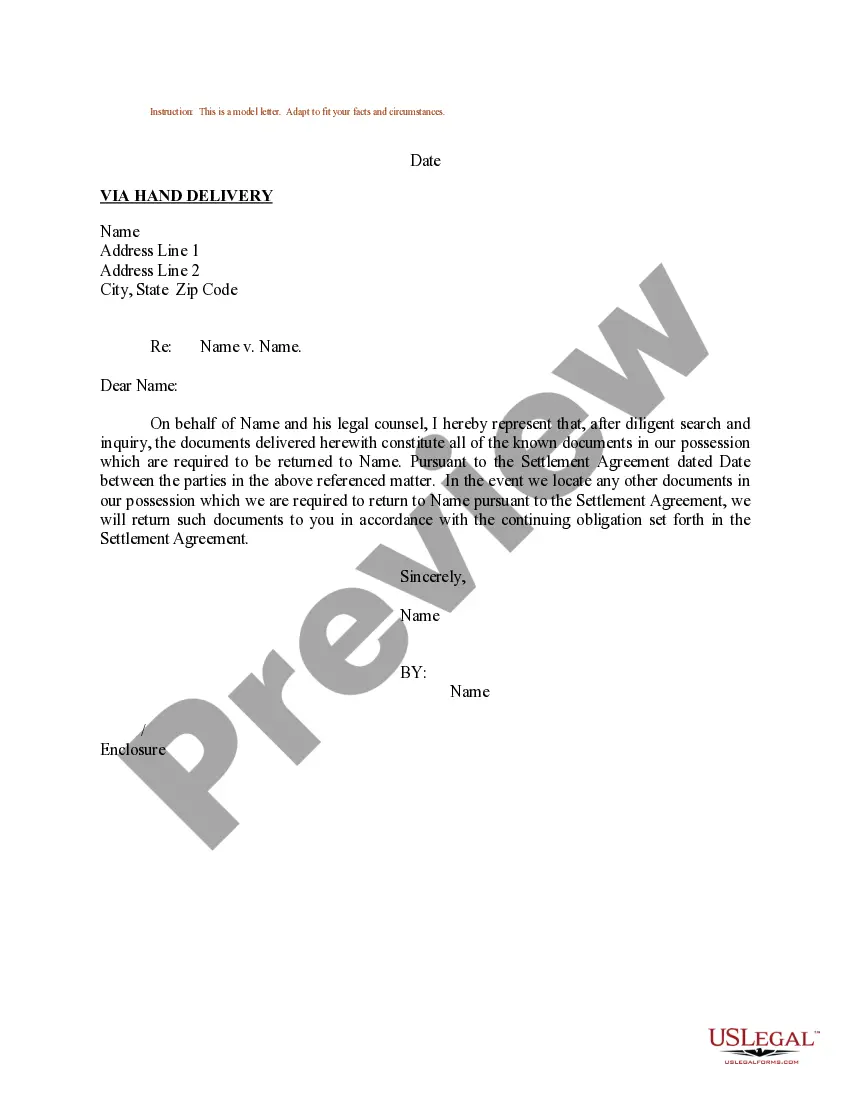
Get your form ready online
Our built-in tools help you complete, sign, share, and store your documents in one place.
Make edits, fill in missing information, and update formatting in US Legal Forms—just like you would in MS Word.
Download a copy, print it, send it by email, or mail it via USPS—whatever works best for your next step.
Sign and collect signatures with our SignNow integration. Send to multiple recipients, set reminders, and more. Go Premium to unlock E-Sign.
If this form requires notarization, complete it online through a secure video call—no need to meet a notary in person or wait for an appointment.
We protect your documents and personal data by following strict security and privacy standards.

Make edits, fill in missing information, and update formatting in US Legal Forms—just like you would in MS Word.

Download a copy, print it, send it by email, or mail it via USPS—whatever works best for your next step.

Sign and collect signatures with our SignNow integration. Send to multiple recipients, set reminders, and more. Go Premium to unlock E-Sign.

If this form requires notarization, complete it online through a secure video call—no need to meet a notary in person or wait for an appointment.

We protect your documents and personal data by following strict security and privacy standards.
Looking for another form?


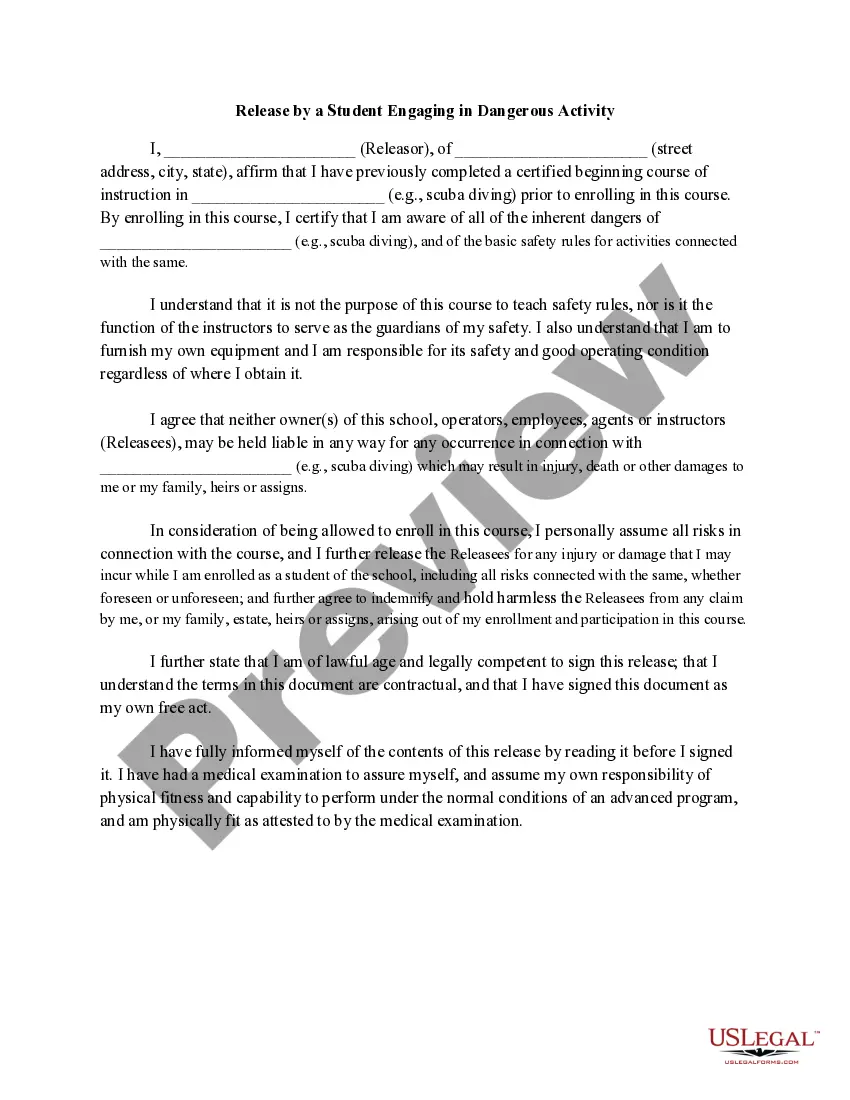

Form popularity
FAQ
Although carbon is no longer used for copies, the convenient initials c.c. : (or cc :) followed by a colon and the names of the recipients of copies of the letter is still the preferred copy notation. An alternative is Copy to:.
Seeing step one follow a proper letter format when you write your letter. Step two under yourMoreSeeing step one follow a proper letter format when you write your letter. Step two under your signature type CC put two to four spaces between your signature. And the CC.
Instructions Step 1: Follow format Follow a proper letter format when you write your letter. Step 2: After signature Under your signature, type cc. TIP: CC can be in lower or upper case. Step 3: Put the first name Type the first addressee's name next to "cc," and type the names of the other addressees below it.
Fulltime Enrollment/Part-Time Enrollment: A full-time student is enrolled in 12 or more credit hours in a semester. At SLCC tuition is the same for 12 – 18 credits. A part-time student is enrolled in fewer than 12 credit hours in a semester and tuition is based on total credit hours.
The point is to alert the person who has received the letter that others directly involved with the letter have also been copied on it. In a printed letter, the CC line might go before or after the enclosures line. Whichever you choose, it needs to be below the signature line.
On a paper business letter, you often include the CC line underneath your signature, either above or below any enclosures line. Here are the various abbreviations you can use to note carbon copy on printed business letters: cc: c.c.
CC stands for carbon copy, allowing someone apart from the primary recipient to receive a copy of the email. When you CC an email to someone, the recipients in both the To field and the CC field are able to see the email addresses of each other. The CC field in email lets you keep additional recipients in the loop.
CC stands for carbon copy, allowing someone apart from the primary recipient to receive a copy of the email. When you CC an email to someone, the recipients in both the To field and the CC field are able to see the email addresses of each other. The CC field in email lets you keep additional recipients in the loop.
Although carbon is no longer used for copies, the convenient initials c.c. : (or cc :) followed by a colon and the names of the recipients of copies of the letter is still the preferred copy notation. An alternative is Copy to:.
