Acknowledgement Sample For Funeral In Florida
Description
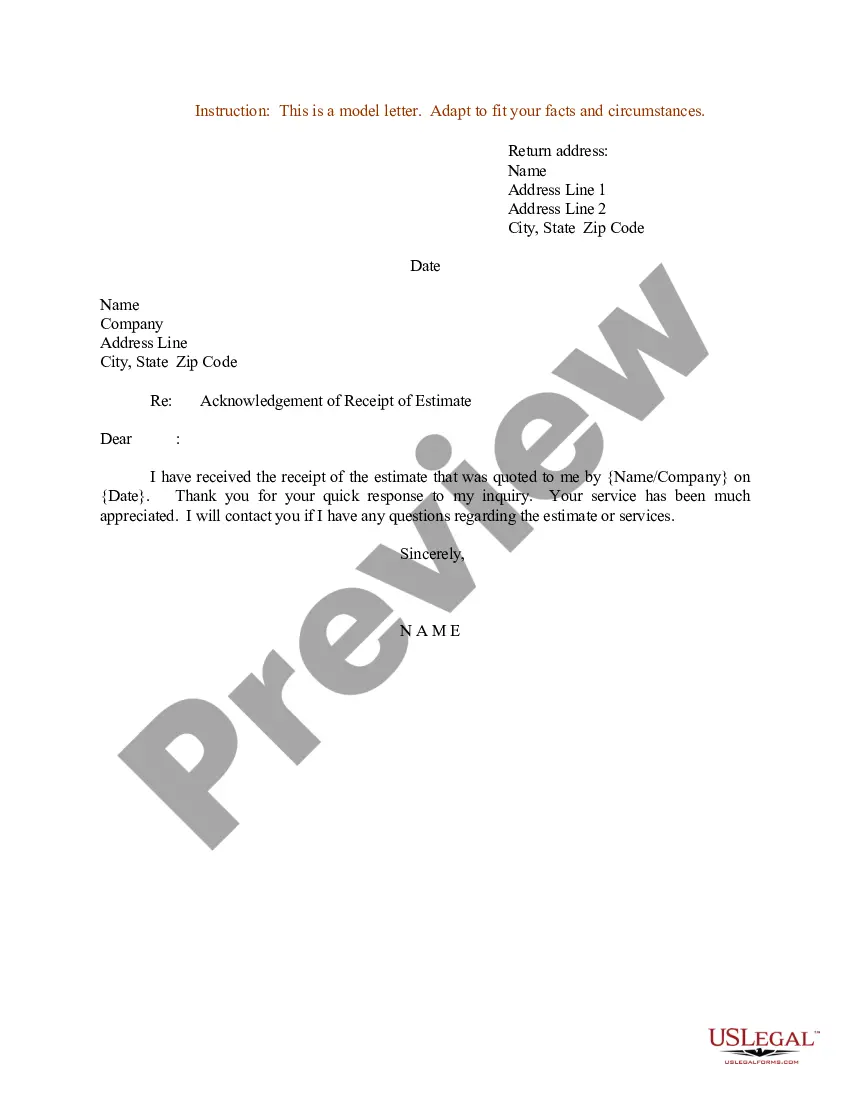


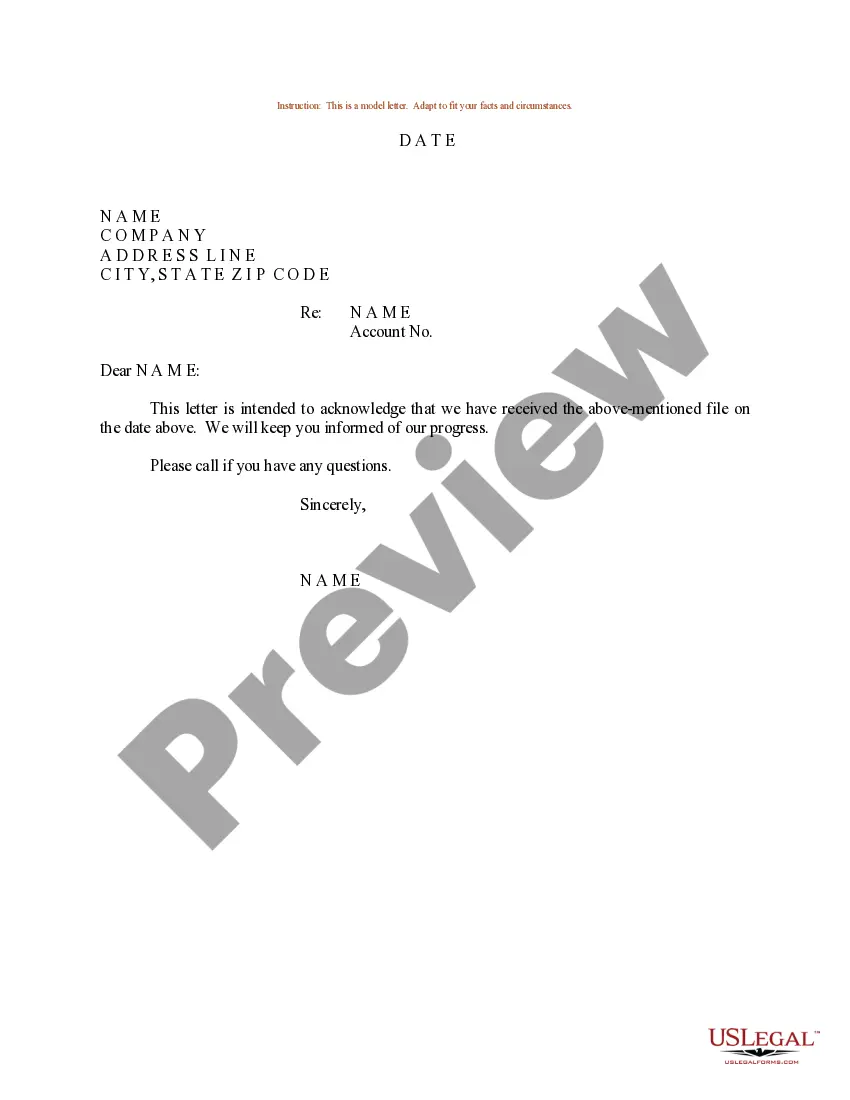
Get your form ready online
Our built-in tools help you complete, sign, share, and store your documents in one place.
Make edits, fill in missing information, and update formatting in US Legal Forms—just like you would in MS Word.
Download a copy, print it, send it by email, or mail it via USPS—whatever works best for your next step.
Sign and collect signatures with our SignNow integration. Send to multiple recipients, set reminders, and more. Go Premium to unlock E-Sign.
If this form requires notarization, complete it online through a secure video call—no need to meet a notary in person or wait for an appointment.
We protect your documents and personal data by following strict security and privacy standards.

Make edits, fill in missing information, and update formatting in US Legal Forms—just like you would in MS Word.

Download a copy, print it, send it by email, or mail it via USPS—whatever works best for your next step.

Sign and collect signatures with our SignNow integration. Send to multiple recipients, set reminders, and more. Go Premium to unlock E-Sign.

If this form requires notarization, complete it online through a secure video call—no need to meet a notary in person or wait for an appointment.

We protect your documents and personal data by following strict security and privacy standards.
Looking for another form?
Form popularity
FAQ
Your sympathy in our recent loss will long be remembered. Thank you sincerely for all that you have done for us in our time of need. Thank you for the many ways in which you helped us during the loss of our (RELATIVE). We deeply appreciate your kindness.
Usually a singed acknowledgement card is sufficient to say "Thanks" for flowers, mass cards and personal services. If a more personal touch is desired, a few words may be written on the acknowledgement referring to flowers, letters of condolence, memorials or assistance.
Acknowledgement verses Your kind expression. of sympathy and. friendship will. always remain. in our memories. Thank you for your thoughtfulness. The family of. Charles Leidig acknowledges your kind expression of sympathy. Thank you for. your kindness and sympathy. at a time when it was. deeply appreciated. The family of.
From an individual: A personal message may be written on the acknowledgement. From an organization: Send an acknowledgement to the leader and write a message referring to other members. If the members' names are in the card, a signed acknowledgement (without a personal message) is sent to each name.
A funeral resolution is a document that formally recognizes the relationship that a deceased person and a church community shared. Typically, it's delivered at a funeral to honor someone who has passed by elaborating on their spiritual qualities and the good works they performed.
We recommend that you be brief and direct, but also personal -- a reference to a particularly fine quality you admired in the deceased is always appreciated. Remember that your note should lift the spirit and should remind the recipient that he or she is in your thoughts, and avoid overly emotional or flowery language.
The difference between a Funeral Resolution and a Eulogy. Both are similar nature, although they are distinctly different types of funeral tributes. Usually in a church setting, the funeral resolution is delivered as a speech talking about the deceased's relationship with his “Creator” or “God”.
It is customary to send acknowledgements to anyone who has contributed in some way during the bereavement period. This includes: Individuals who sent flowers, donations, or personal notes. Those who participated in the service, such as clergy, musicians, and pallbearers.
