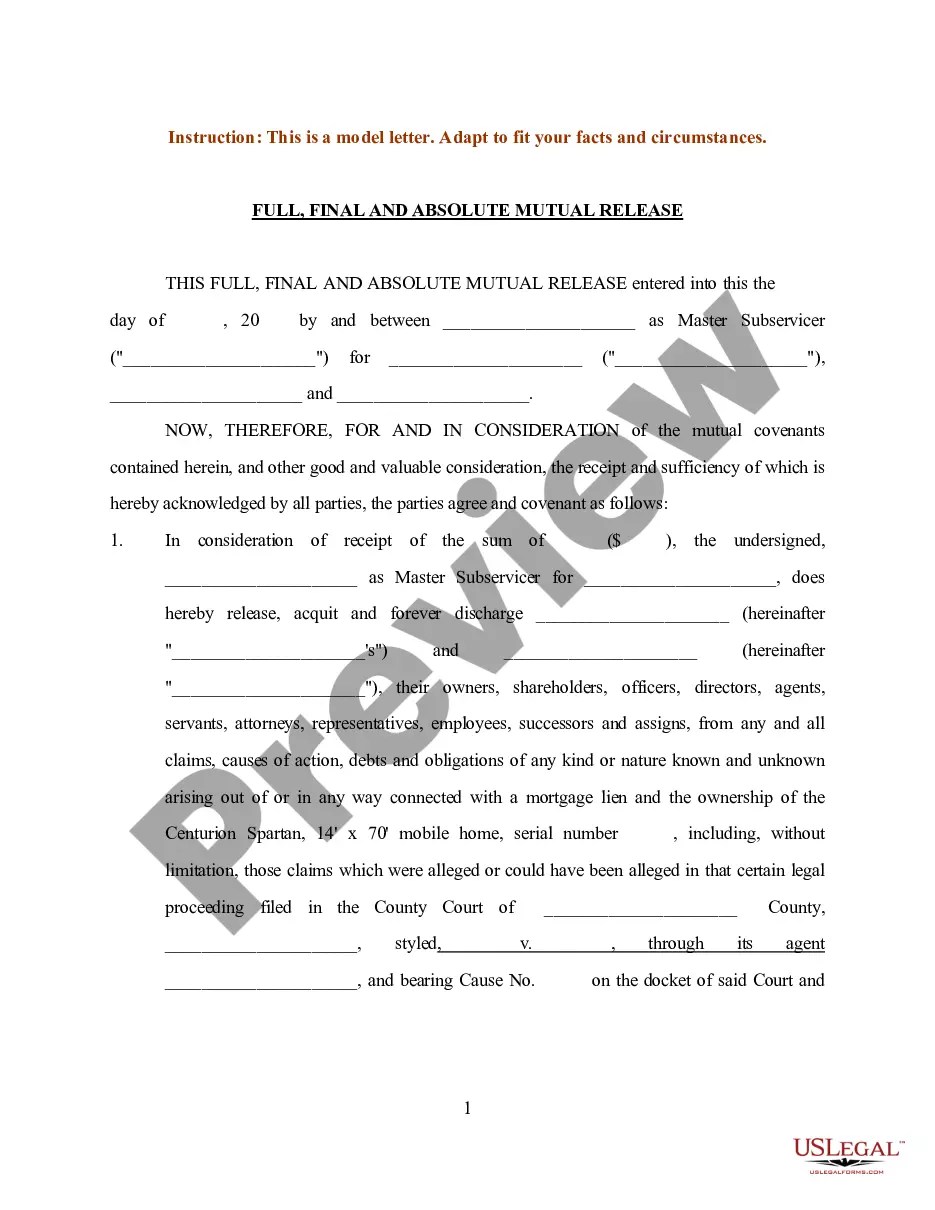
Service Of Interrogatories Florida In Utah
Description



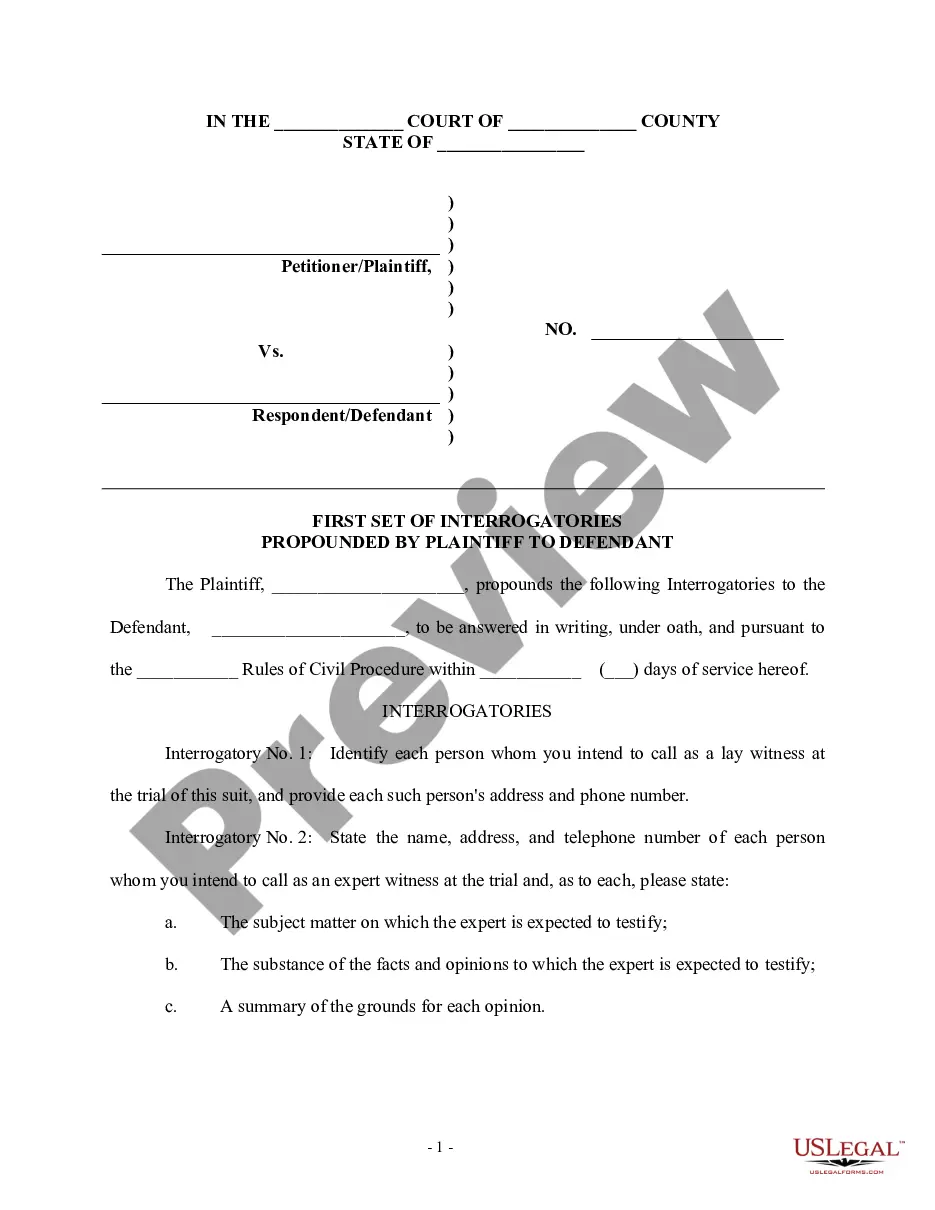
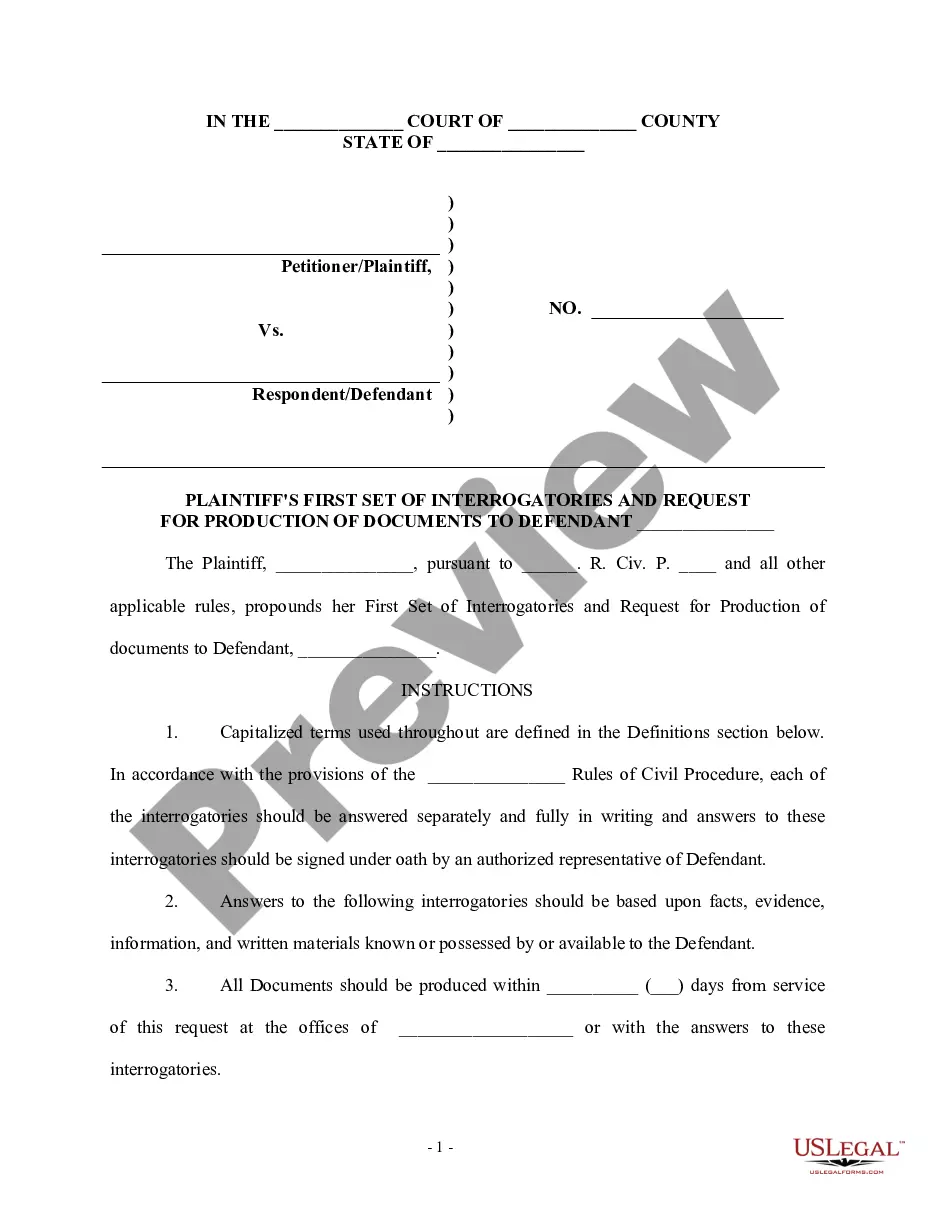
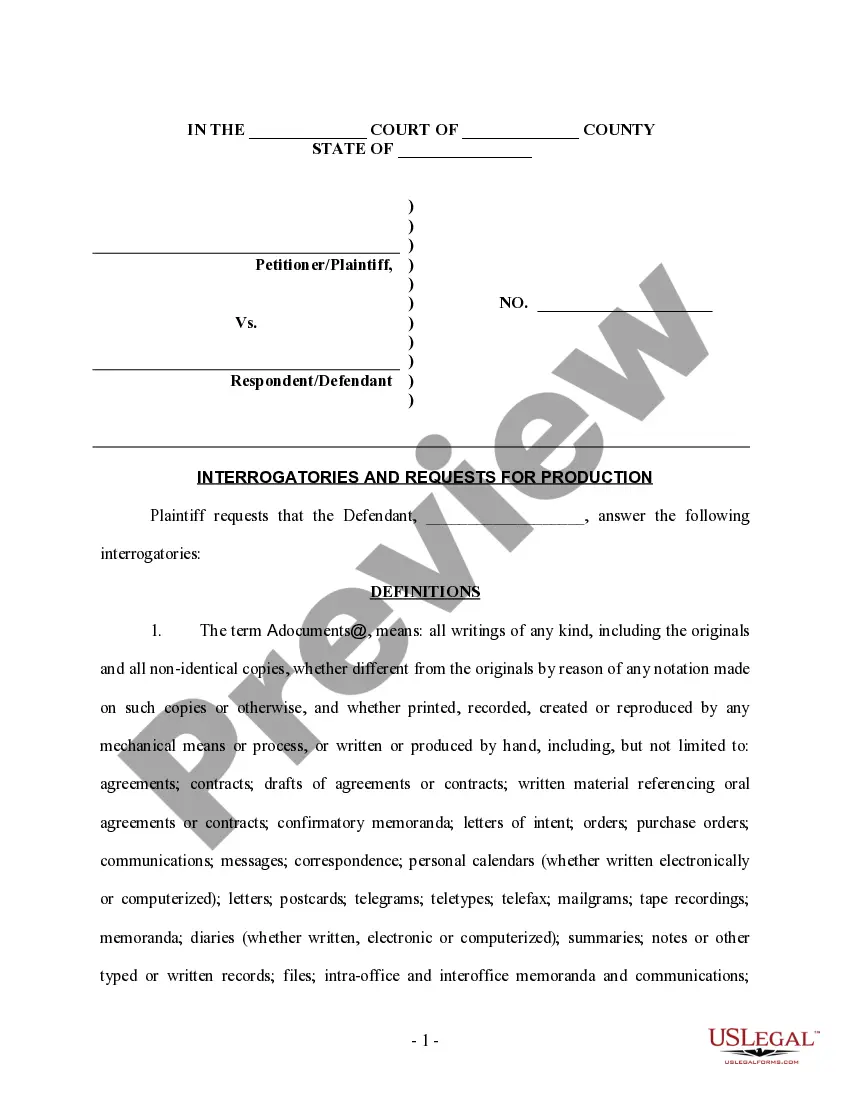
Get your form ready online
Our built-in tools help you complete, sign, share, and store your documents in one place.
Make edits, fill in missing information, and update formatting in US Legal Forms—just like you would in MS Word.
Download a copy, print it, send it by email, or mail it via USPS—whatever works best for your next step.
Sign and collect signatures with our SignNow integration. Send to multiple recipients, set reminders, and more. Go Premium to unlock E-Sign.
If this form requires notarization, complete it online through a secure video call—no need to meet a notary in person or wait for an appointment.
We protect your documents and personal data by following strict security and privacy standards.

Make edits, fill in missing information, and update formatting in US Legal Forms—just like you would in MS Word.

Download a copy, print it, send it by email, or mail it via USPS—whatever works best for your next step.

Sign and collect signatures with our SignNow integration. Send to multiple recipients, set reminders, and more. Go Premium to unlock E-Sign.

If this form requires notarization, complete it online through a secure video call—no need to meet a notary in person or wait for an appointment.

We protect your documents and personal data by following strict security and privacy standards.
Looking for another form?




Form popularity
FAQ
Interrogatories must be served on the party to whom the interrogatories are directed and copies must be served on all other parties. A certificate of service of the interrogatories must be filed, giving the date of service and the name of the party to whom they were directed.
An interrogatory is a request for information, in the form of standard questions, that must be answered in writing and then notarized. In Florida, there are two types of interrogatories used in family law proceedings.
Interrogatories must be served on the party to whom the interrogatories are directed and copies must be served on all other parties. A certificate of service of the interrogatories must be filed, giving the date of service and the name of the party to whom they were directed.
Interrogatories may, without leave of court, be served upon the plaintiff after filing of the complaint and upon any other party with or after service of the summons and complaint upon that party.
The rules of practice require that responses to interrogatories are provided under oath, which in your case, would be taken by a Notary. If it is not done, the other side can compel you to do it this way, so doing it now would be best.
An interrogatory is a request for information, in the form of standard questions, that must be answered in writing and then notarized. In Florida, there are two types of interrogatories used in family law proceedings.
Documents Notarized by a Florida Notary Public Any document for which photocopying is prohibited. Birth Certificate. Certificate of Citizenship or Naturalization. Death Certificate. Documents filed in a court proceeding. Documents recorded by the Clerk of the Court. Federal or state income tax forms, already filed.
Without leave of court or written stipulation, any party may serve upon any other party written interrogatories, not exceeding 25 in number including all discrete subparts, to be answered by the party served or, if the party served is a public or private corporation, a partnership, an association, or a governmental ...