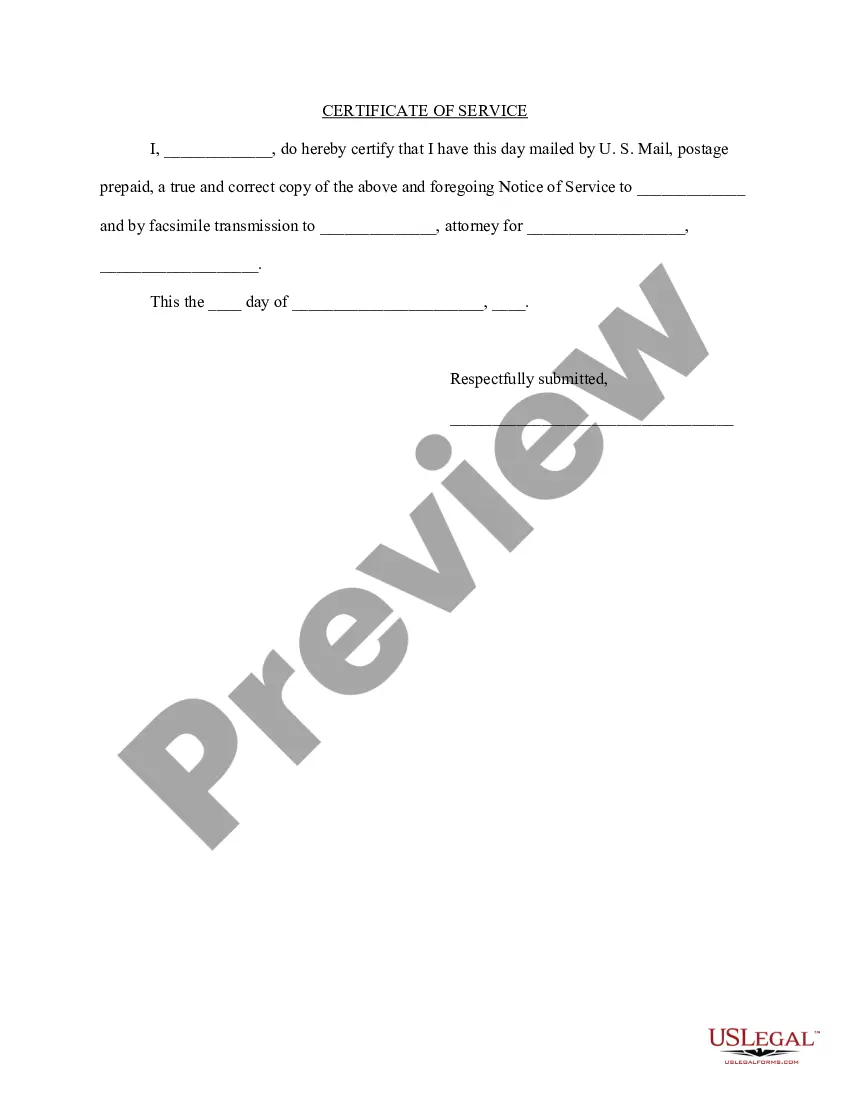
Certificate Of Service For Interrogatories In Texas
Description



Get your form ready online
Our built-in tools help you complete, sign, share, and store your documents in one place.
Make edits, fill in missing information, and update formatting in US Legal Forms—just like you would in MS Word.
Download a copy, print it, send it by email, or mail it via USPS—whatever works best for your next step.
Sign and collect signatures with our SignNow integration. Send to multiple recipients, set reminders, and more. Go Premium to unlock E-Sign.
If this form requires notarization, complete it online through a secure video call—no need to meet a notary in person or wait for an appointment.
We protect your documents and personal data by following strict security and privacy standards.

Make edits, fill in missing information, and update formatting in US Legal Forms—just like you would in MS Word.

Download a copy, print it, send it by email, or mail it via USPS—whatever works best for your next step.

Sign and collect signatures with our SignNow integration. Send to multiple recipients, set reminders, and more. Go Premium to unlock E-Sign.

If this form requires notarization, complete it online through a secure video call—no need to meet a notary in person or wait for an appointment.

We protect your documents and personal data by following strict security and privacy standards.
Looking for another form?





Form popularity
FAQ
The certificate must state the name of the person or persons served, the date of service, the method of service, and the mailing address or email address to which service was made, if not made in person.
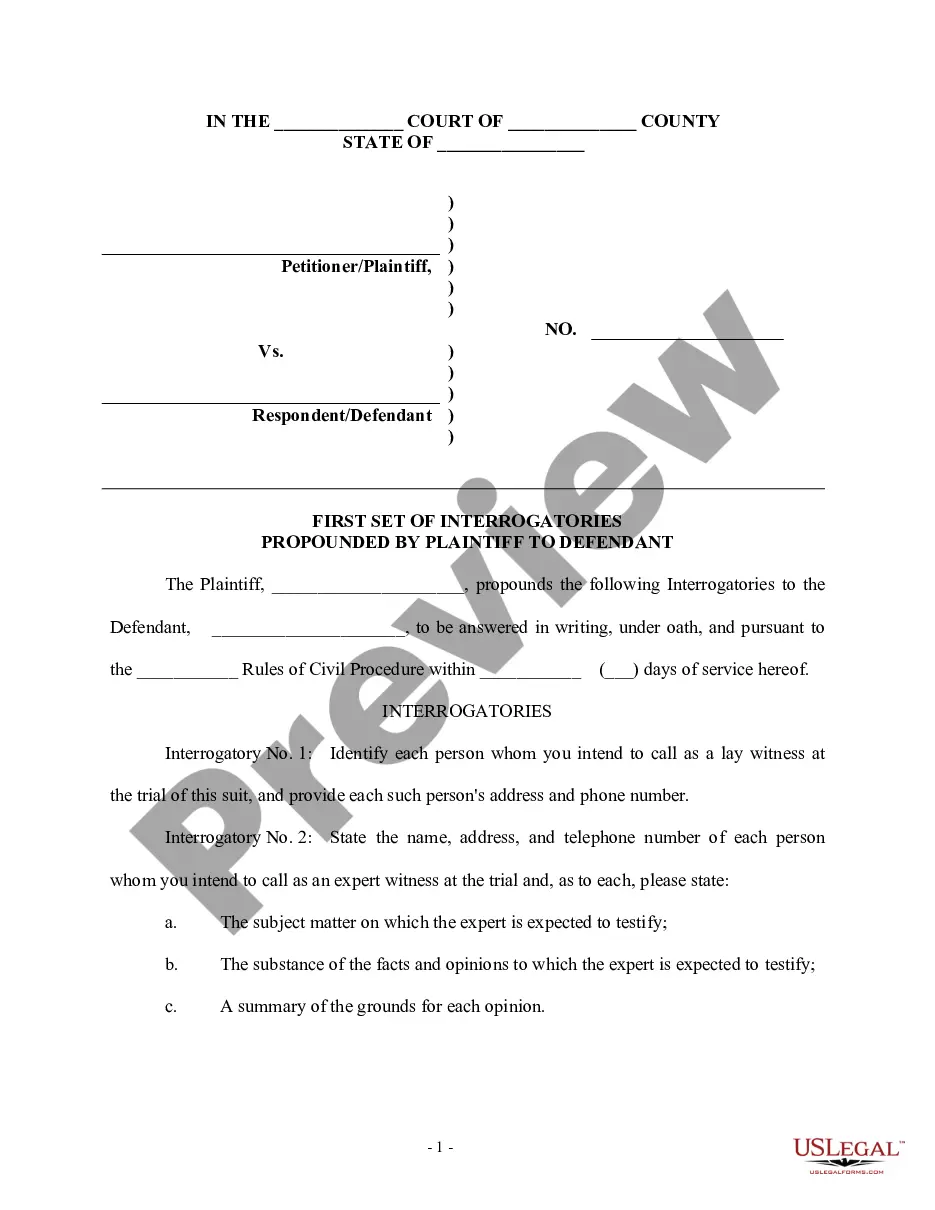
For a certificate of service for discovery papers, such as written discovery requests and responses, see Form – Certificate of Service (Discovery). The Federal Rules of Civil Procedure state that no certificate of service is required when a paper is served by filing it with the court's electronic-filing (ECF) system.
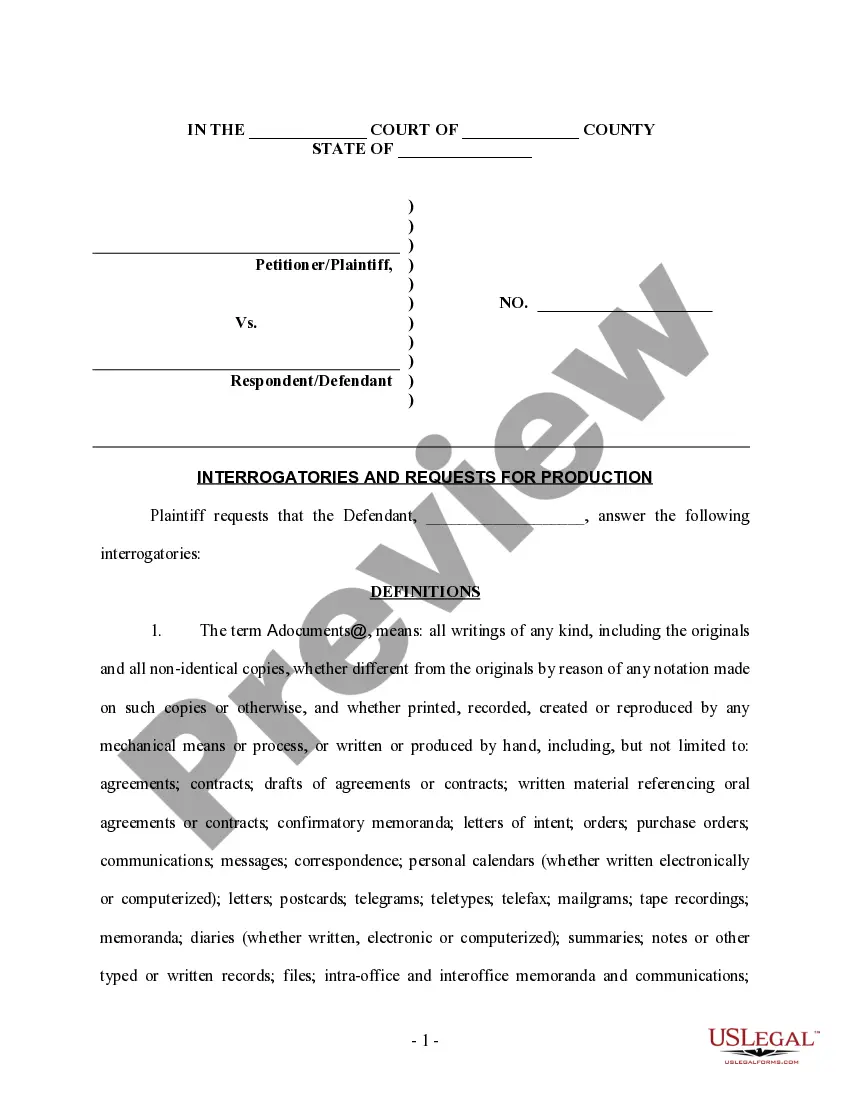
When the Courts used paper files they were running out of room. So they made a rule that the parties are not to file discovery requests and responses. So instead, some attorneys file a certificate of written discovery to mark the fact that it was served or answered.
The discovery rule is a “narrow exception” to the legal injury rule that “defers accrual of a cause of action until the plaintiff knew or, exercising reasonable diligence, should have known of the facts giving rise to the cause of action.” Berry, 646 S.W.
Additionally, the new rules that went into effect September 1, 2023, require disclosure of the expert's qualifications to include all publications authored by the expert in the last 10 years, a list of cases in which the expert testified as an expert at trial or deposition (unless the expert is an attorney testifying ...
Thus, unless the court in which the case is pending has local filing rules approved by the Supreme Court that require the filing of a certificate of written discovery, no such filing is required.
Certificate discovery refers to the use of scanning tools to detect a company's public and private TLS/SSL certificates. Cloud-based sensors can be used to identify public-facing TLS/SSL certificates. Network-based sensors and agents can be used to identify the digital certificates located on a company's network.
Texas Rule of Civil Procedure 21a(e) and Texas Rule of Appellate Procedure 9.5(d)-(e) require proof of service when a document is filed with the court. Traditional certificates of service provide that proof by having the filing party's attorney attest that the document has been served on the other parties to the case.
(l) Proving Service. (1) Affidavit Required. Unless service is waived, proof of service must be made to the court.