Notice Of Service Example In Pennsylvania
Description



Get your form ready online
Our built-in tools help you complete, sign, share, and store your documents in one place.
Make edits, fill in missing information, and update formatting in US Legal Forms—just like you would in MS Word.
Download a copy, print it, send it by email, or mail it via USPS—whatever works best for your next step.
Sign and collect signatures with our SignNow integration. Send to multiple recipients, set reminders, and more. Go Premium to unlock E-Sign.
If this form requires notarization, complete it online through a secure video call—no need to meet a notary in person or wait for an appointment.
We protect your documents and personal data by following strict security and privacy standards.

Make edits, fill in missing information, and update formatting in US Legal Forms—just like you would in MS Word.

Download a copy, print it, send it by email, or mail it via USPS—whatever works best for your next step.

Sign and collect signatures with our SignNow integration. Send to multiple recipients, set reminders, and more. Go Premium to unlock E-Sign.

If this form requires notarization, complete it online through a secure video call—no need to meet a notary in person or wait for an appointment.

We protect your documents and personal data by following strict security and privacy standards.
Looking for another form?








Form popularity
FAQ
A "Proof of Service" is a one-page document that must be attached at the back of every document filed in bankruptcy court, whether the document was filed on a docket in a bankruptcy case or in an adversary proceeding. The "Proof of Service" document is a mandatory form.
You must wait ninety (90) calendar days from the date the Notice to Defend and Divorce Complaint is served (see Step Two). The date Defendant is served is Day 1 of 90.
An example of a Proof of Service is a signed declaration from the person who served the documents, stating the name of the person who was served and the date, time, and manner of service. A Proof of Service may also include an affidavit, which is a sworn statement that the documents were properly served.
—A proof of service shall contain a statement of the date and manner of service and of the names of the persons served. Under 18 Pa. C.S. § 4904 (unsworn falsification to authorities) a knowingly false proof of service constitutes a misdemeanor of the second degree.
You cannot personally serve the other party. A competent person over the age of 18, who is not a party on the case, or a family member; can serve the other party for you. This person could be a friend, sheriff, constable, etc. You can also serve them via mail or serve their attorney.
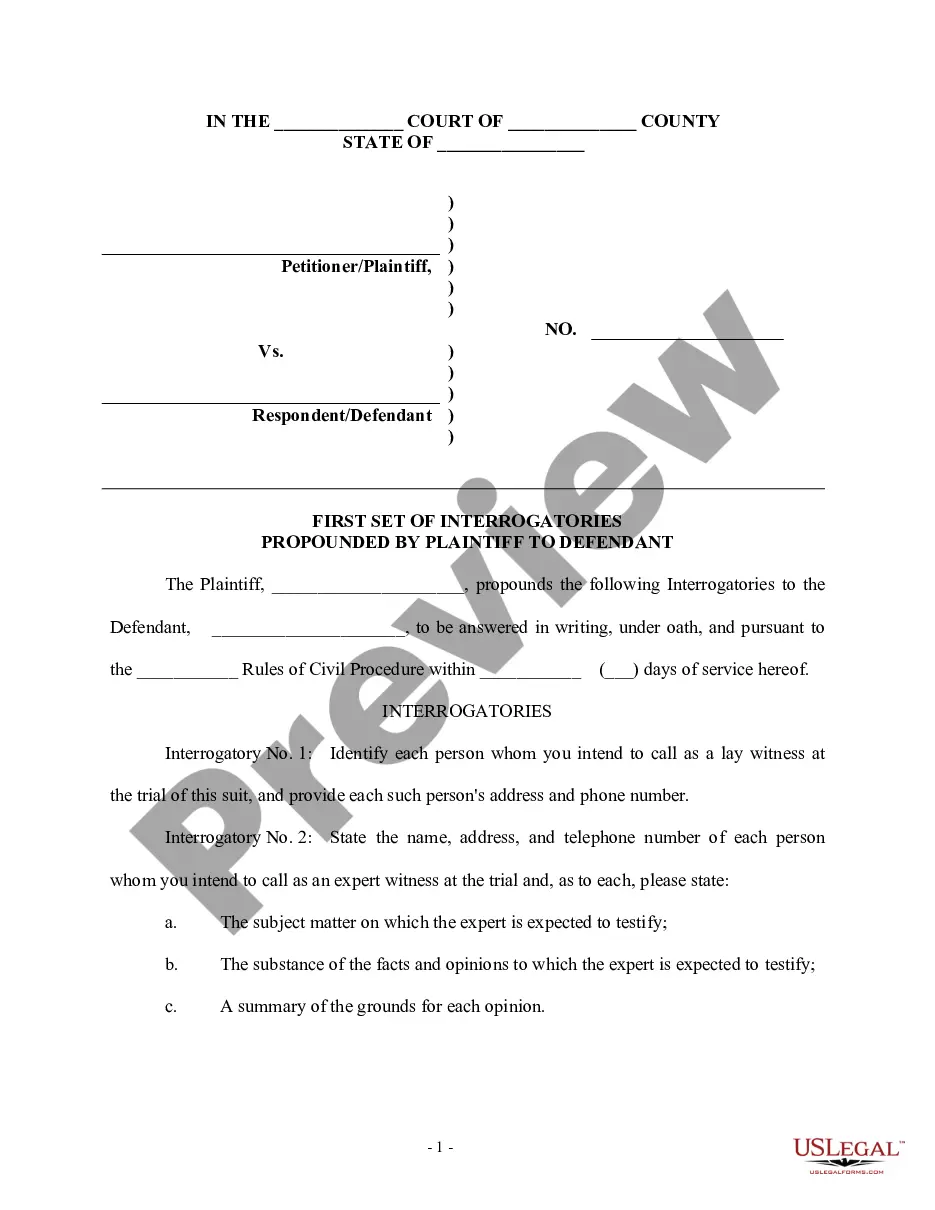
A sample certificate of service that counsel of record may use to prove service of interlocutory documents in civil actions in the Pennsylvania courts of common pleas, including service by hand delivery, leaving the documents at an authorized location, mail, fax, and electronic delivery.
Is There Any Danger in Ignoring a Writ of Summons? To initiate a lawsuit, an individual must serve process on the Defendant they are suing. This service usually involves the county sheriff showing up and handing the documents to the Defendant.
Parties may obtain a custody order either by agreement or by filing a Complaint for Custody. If all parties involved can reach an agreement regarding custody, you may compile all the terms of the agreement into a written document and ask the Court to make the agreement into an Order of Court.
Pennsylvania family Court records are open to the public in line with the state's open records policy, Right-to-Know law.
Service is complete upon mailing or emailing, but is not effective if the filer learns that the document did not reach the person to be served.