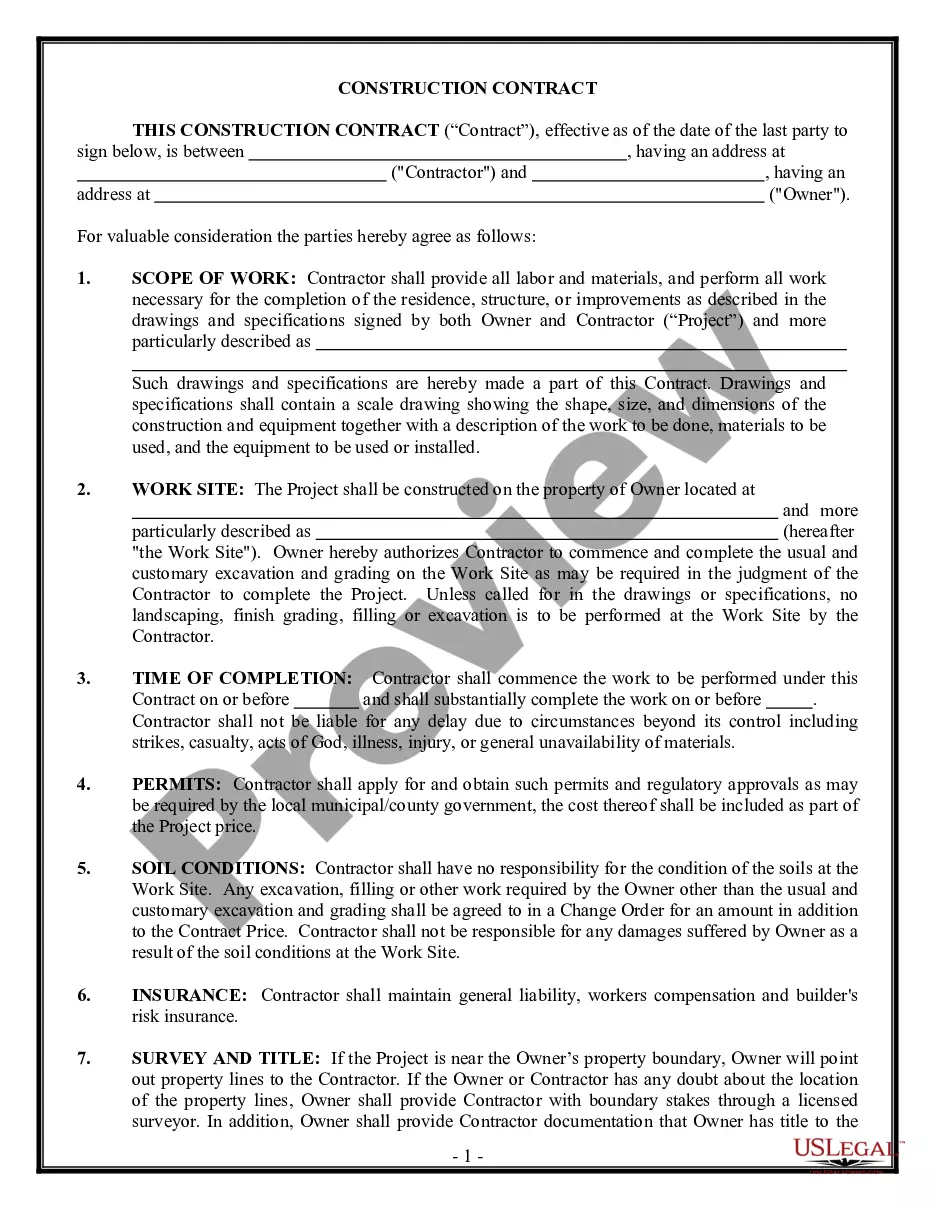
Notice Of Application For Discovery In Orange
Description



Get your form ready online
Our built-in tools help you complete, sign, share, and store your documents in one place.
Make edits, fill in missing information, and update formatting in US Legal Forms—just like you would in MS Word.
Download a copy, print it, send it by email, or mail it via USPS—whatever works best for your next step.
Sign and collect signatures with our SignNow integration. Send to multiple recipients, set reminders, and more. Go Premium to unlock E-Sign.
If this form requires notarization, complete it online through a secure video call—no need to meet a notary in person or wait for an appointment.
We protect your documents and personal data by following strict security and privacy standards.

Make edits, fill in missing information, and update formatting in US Legal Forms—just like you would in MS Word.

Download a copy, print it, send it by email, or mail it via USPS—whatever works best for your next step.

Sign and collect signatures with our SignNow integration. Send to multiple recipients, set reminders, and more. Go Premium to unlock E-Sign.

If this form requires notarization, complete it online through a secure video call—no need to meet a notary in person or wait for an appointment.

We protect your documents and personal data by following strict security and privacy standards.
Looking for another form?









Form popularity
FAQ
Steps Of The Discovery Process. There are four key actions in the discovery process which include interrogatories, request for documents, request for admissions, and depositions.
One type of discovery is an interrogatory. Form Interrogatories are a set of questions on a form asking the other person to give you information or documents. For common questions, you can use a form (a form interrogatory) and check the boxes next to the questions you want the other person to answer.
A 4-step guide to successful product discovery Step One: Outline your discovery toolbox Step Two: Plan how every team member can contribute Step Three: Consider how to continually involve customers Step Four: Set your ways of working
The discovery process can be divided into two stages: data collection and data processing. The stages are subdivided into phases. Topology deduction takes place during the data processing stage, as the information from the data collection stage is analyzed, interpreted and processed by the stitchers.
How Does Discovery Work? There are four main types of discovery requests: (1) depositions; (2) interrogatories; (3) requests for admissions; and (4) requests for the production of documents. Depositions are formal witness interviews.
Process discovery involves two key techniques: process mining, which analyzes data from system logs to reconstruct workflows, and task mining, which captures user activities on desktops to fill in any missing details. This combined approach is essential for identifying bottlenecks, redundancies, and deviations.
A discovery agreement is a mutual understanding or document outlining the prospect's needs, goals, and agreed-upon next steps following the discovery process.
WARNING: Civil. (657) 622-6878. Small Claims. Felony. (657) 622-8459. Misdemeanor. Orange. Santa Ana. Tustin. Central Justice Center. (657) 622-6878. Criminal – Misdemeanor. Monday – Friday. Court's Billing/Invoice Address. P.O. Box 22002. Detailed Parking map for all Visitors and Jurors. Facility Floor Plan.
Discovery research (also called exploratory research or generative research) involves investigating the problem space in order to gain a deep understanding of the people who might be using a product or service. help teams design products and services that actually help people do things.
The primary goal of discovery is to ensure a fair and just resolution of the dispute by preventing surprise evidence or arguments during trial.