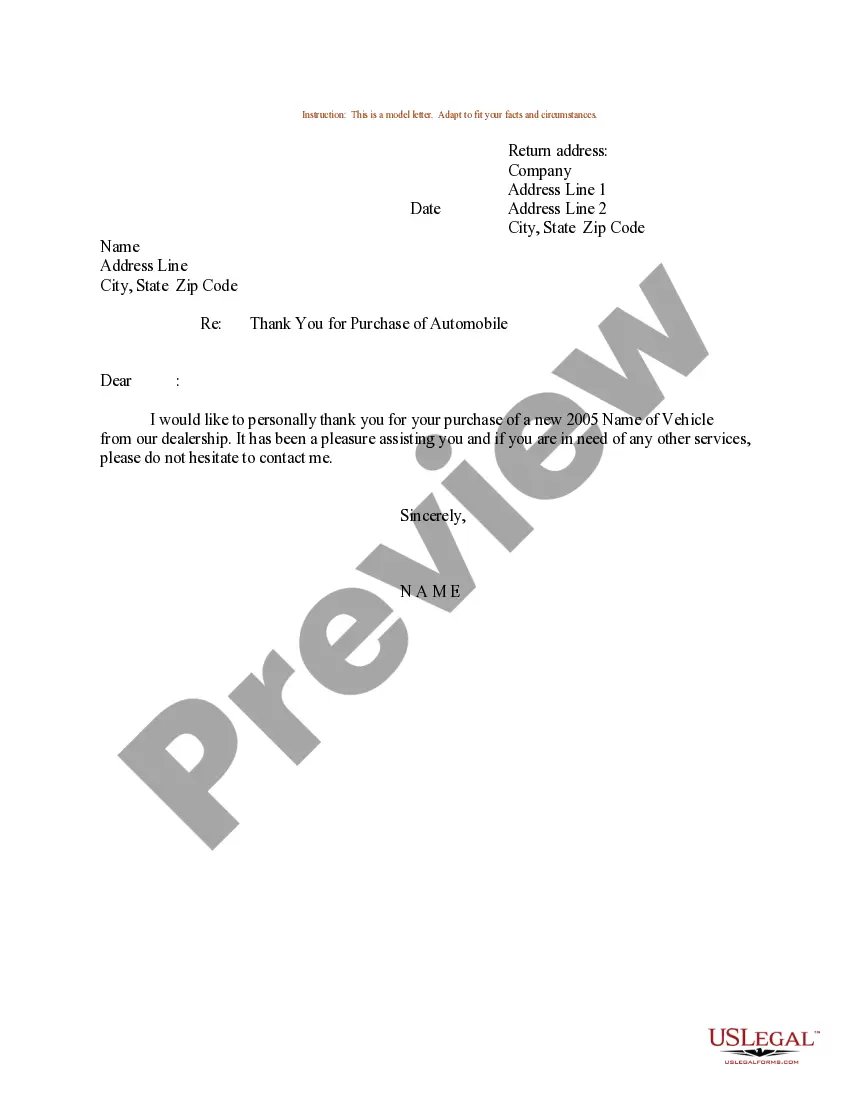
Notice For Service In Ohio
Description


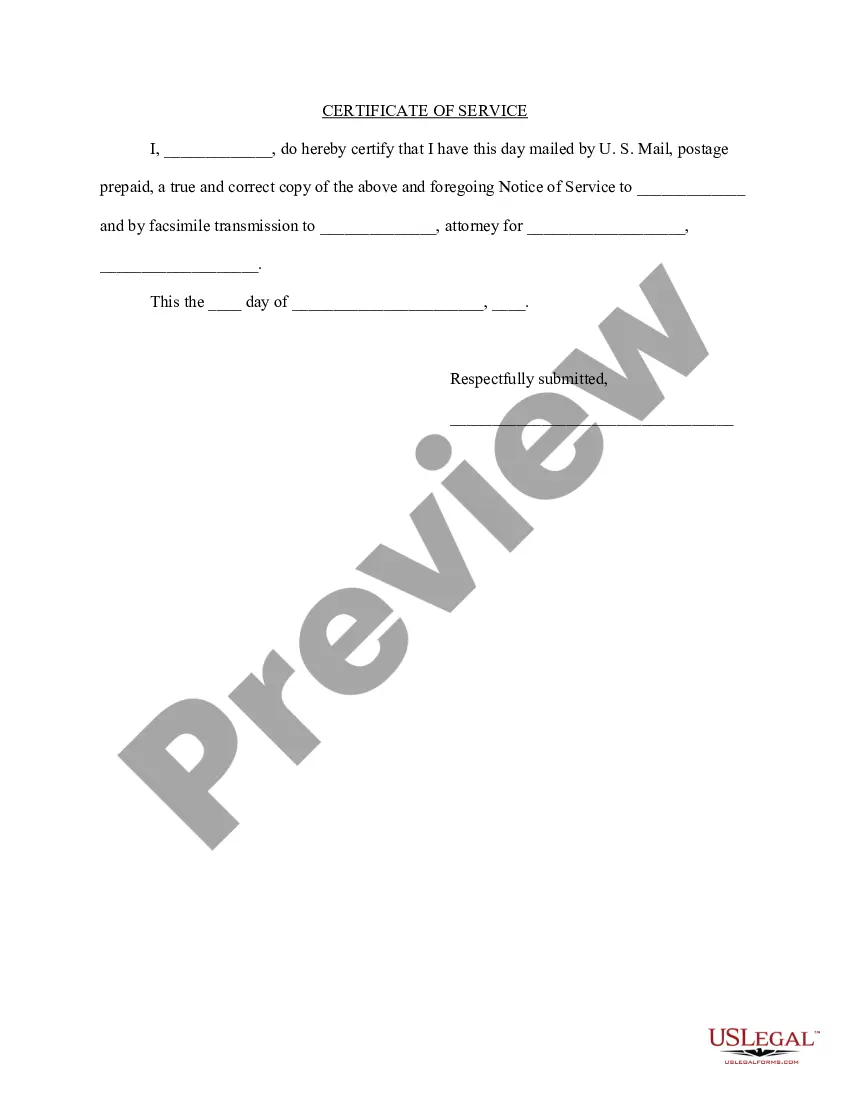
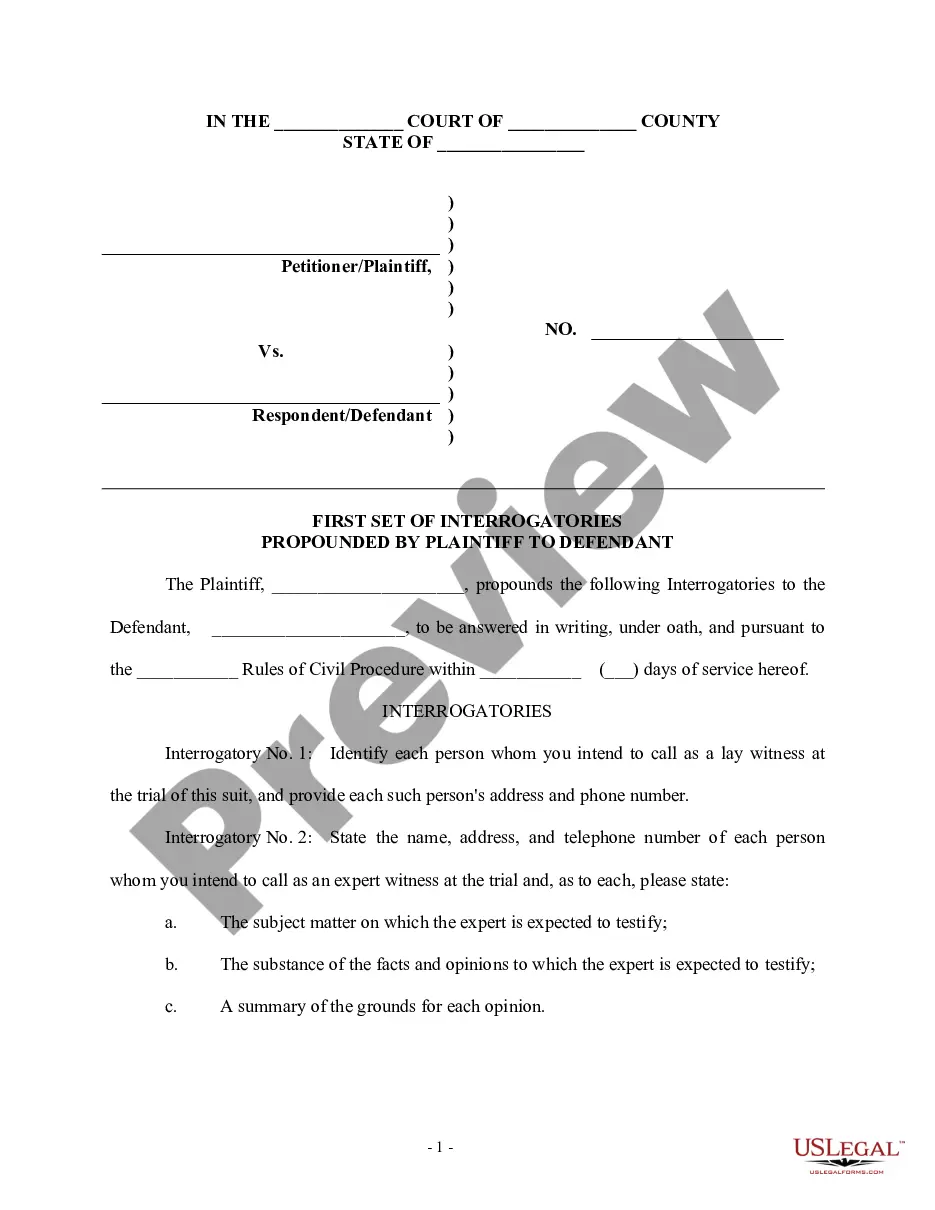

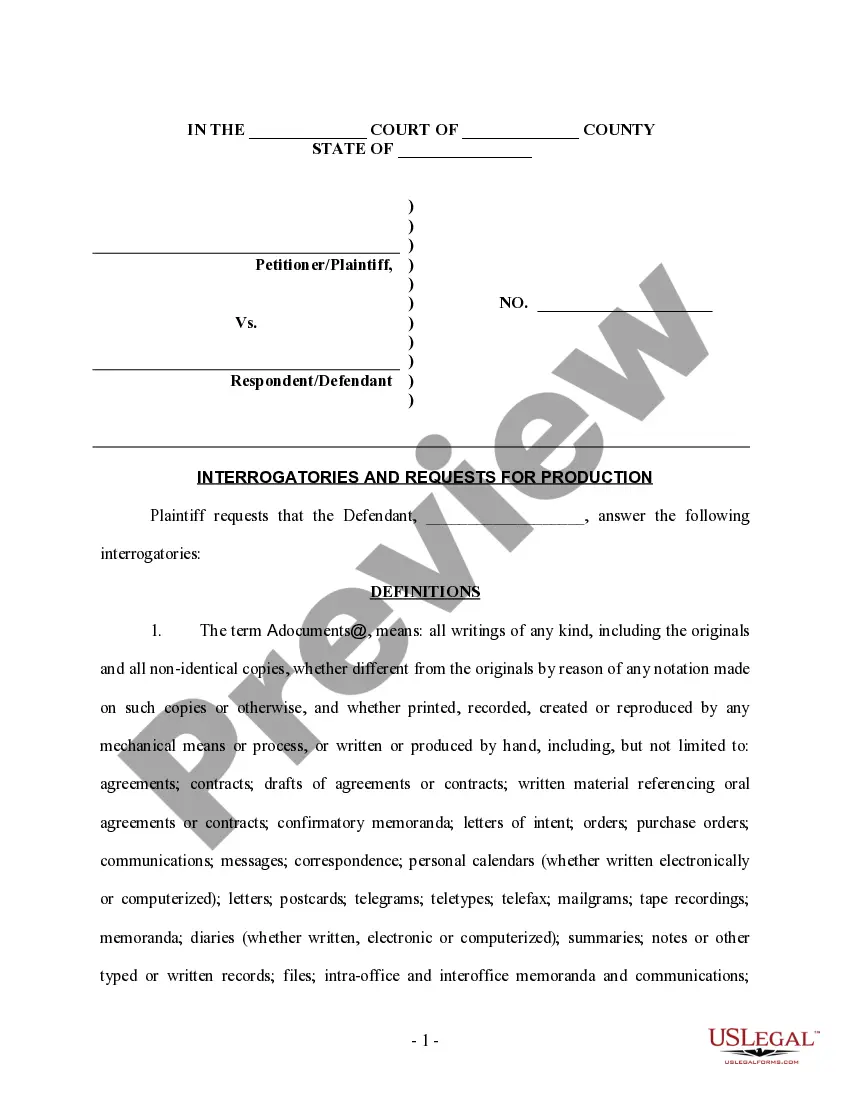
Get your form ready online
Our built-in tools help you complete, sign, share, and store your documents in one place.
Make edits, fill in missing information, and update formatting in US Legal Forms—just like you would in MS Word.
Download a copy, print it, send it by email, or mail it via USPS—whatever works best for your next step.
Sign and collect signatures with our SignNow integration. Send to multiple recipients, set reminders, and more. Go Premium to unlock E-Sign.
If this form requires notarization, complete it online through a secure video call—no need to meet a notary in person or wait for an appointment.
We protect your documents and personal data by following strict security and privacy standards.

Make edits, fill in missing information, and update formatting in US Legal Forms—just like you would in MS Word.

Download a copy, print it, send it by email, or mail it via USPS—whatever works best for your next step.

Sign and collect signatures with our SignNow integration. Send to multiple recipients, set reminders, and more. Go Premium to unlock E-Sign.

If this form requires notarization, complete it online through a secure video call—no need to meet a notary in person or wait for an appointment.

We protect your documents and personal data by following strict security and privacy standards.
Looking for another form?







Form popularity
FAQ
Rule 4 - Process: Summons (A) Summons: issuance. Upon the filing of the complaint the clerk shall forthwith issue a summons for service upon each defendant listed in the caption. Upon request of the plaintiff separate or additional summons shall issue at any time against any defendant.
In California, it must be served at least five days before the court date. In other states, it can be served ten days before the court date. In the event that the party does not respond to your service within 20 days, you can proceed to the next step.
Rule 33 - Interrogatories to Parties (A) Availability; procedures for use. Any party, without leave of court, may serve upon any other party up to forty written interrogatories to be answered by the party served.
Service of process is giving the other parties in the court case the documents that were filed in the case so that they have notice that a lawsuit was filed against them and they have the opportunity to respond.
If your motion is granted, you will be mailed a new hearing date. If your motion is denied, the hearing will go forward as scheduled, even if you are not there. Your Motion must be filed and served on the appropriate parties at least 7 days prior to your hearing. 6.
Failure to make service within the twenty-eight-day period and failure to make proof of service do not affect the validity of the service.
(i) Mail by ordinary mail and by certified mail, return receipt requested, a copy of the summons, complaint, document, or other process to be served to the persons and addresses provided by the plaintiff, if any.
Under Ohio Civil Rules, service on parties within the United States will be made by certified mail unless another method is requested. The Clerk issues a summons and a copy of the complaint to the party in a sealed envelope as directed by the precipe.
The answer is yes, it is legal. Businesses do have a constitutional right to refuse service to anyone, especially if they are making a scene or disrupting service to other customers in their business.