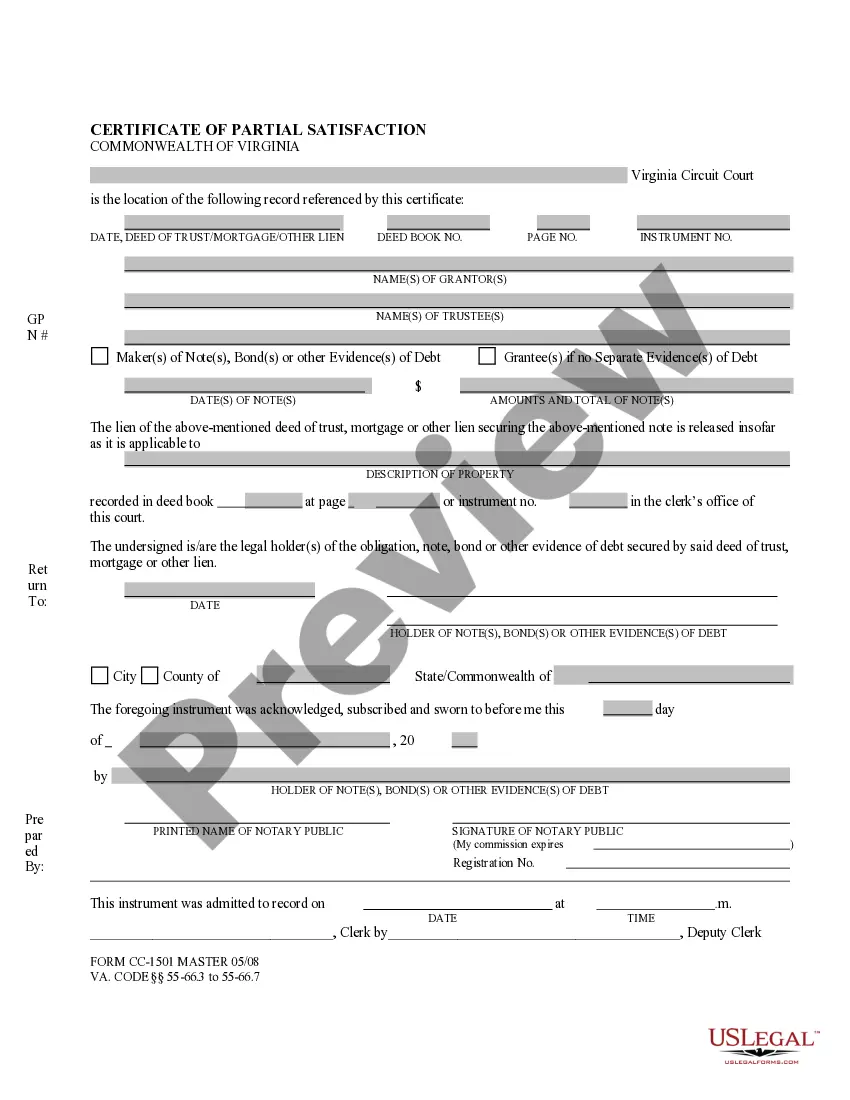
Notice Discovery Template For School In North Carolina
Description

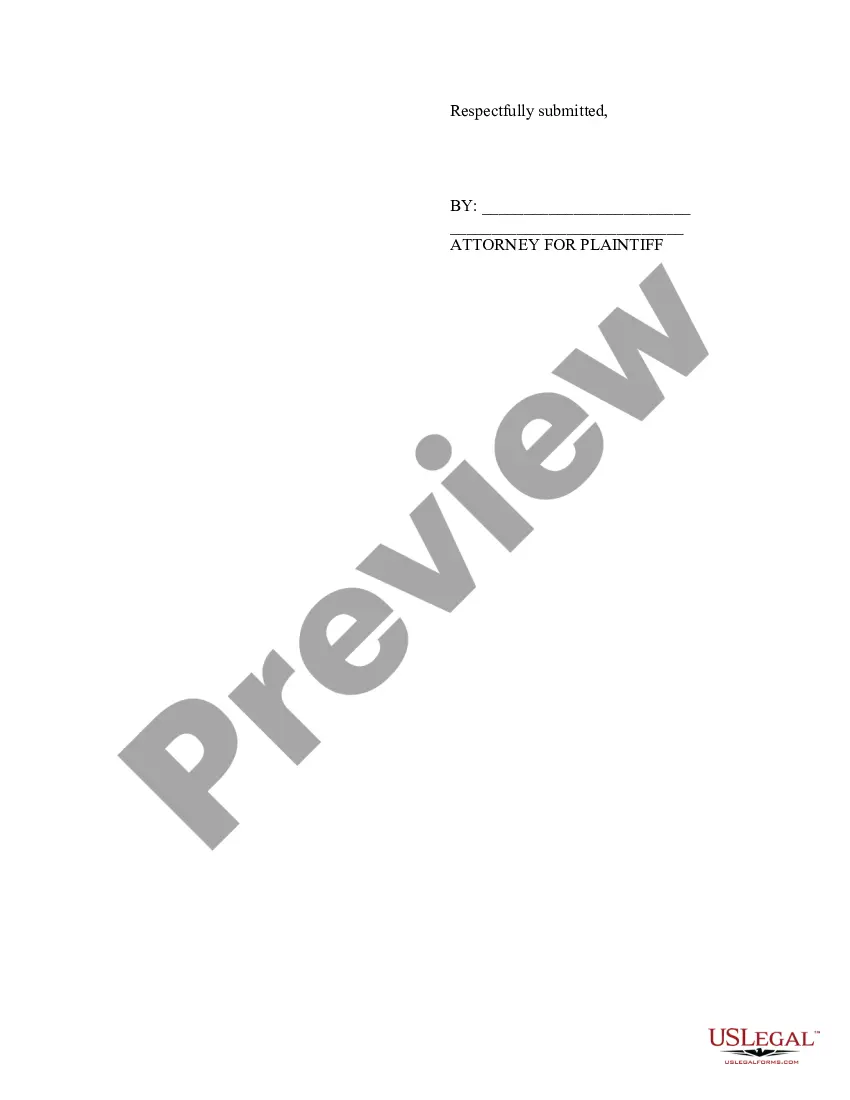
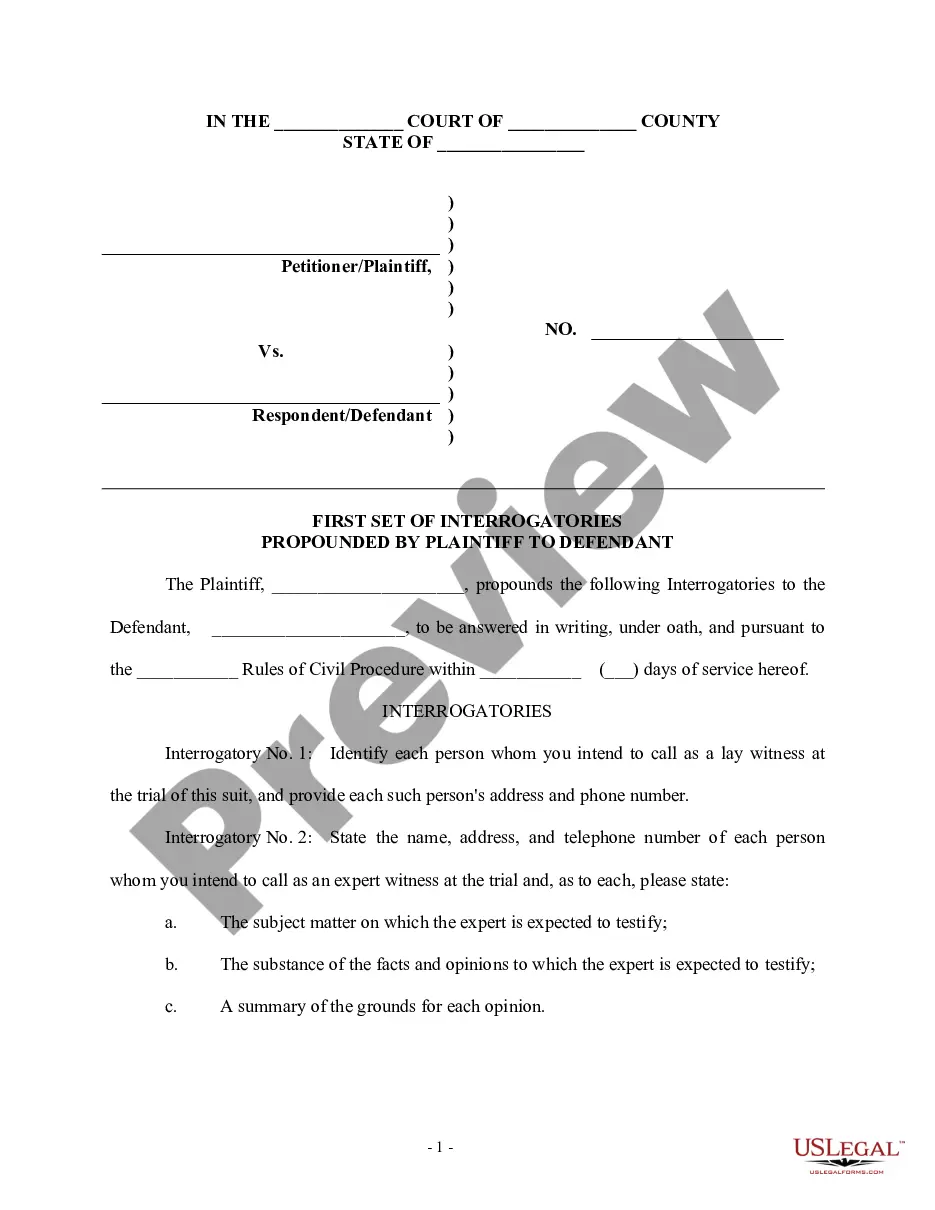
Get your form ready online
Our built-in tools help you complete, sign, share, and store your documents in one place.
Make edits, fill in missing information, and update formatting in US Legal Forms—just like you would in MS Word.
Download a copy, print it, send it by email, or mail it via USPS—whatever works best for your next step.
Sign and collect signatures with our SignNow integration. Send to multiple recipients, set reminders, and more. Go Premium to unlock E-Sign.
If this form requires notarization, complete it online through a secure video call—no need to meet a notary in person or wait for an appointment.
We protect your documents and personal data by following strict security and privacy standards.

Make edits, fill in missing information, and update formatting in US Legal Forms—just like you would in MS Word.

Download a copy, print it, send it by email, or mail it via USPS—whatever works best for your next step.

Sign and collect signatures with our SignNow integration. Send to multiple recipients, set reminders, and more. Go Premium to unlock E-Sign.

If this form requires notarization, complete it online through a secure video call—no need to meet a notary in person or wait for an appointment.

We protect your documents and personal data by following strict security and privacy standards.
Looking for another form?






Form popularity
FAQ
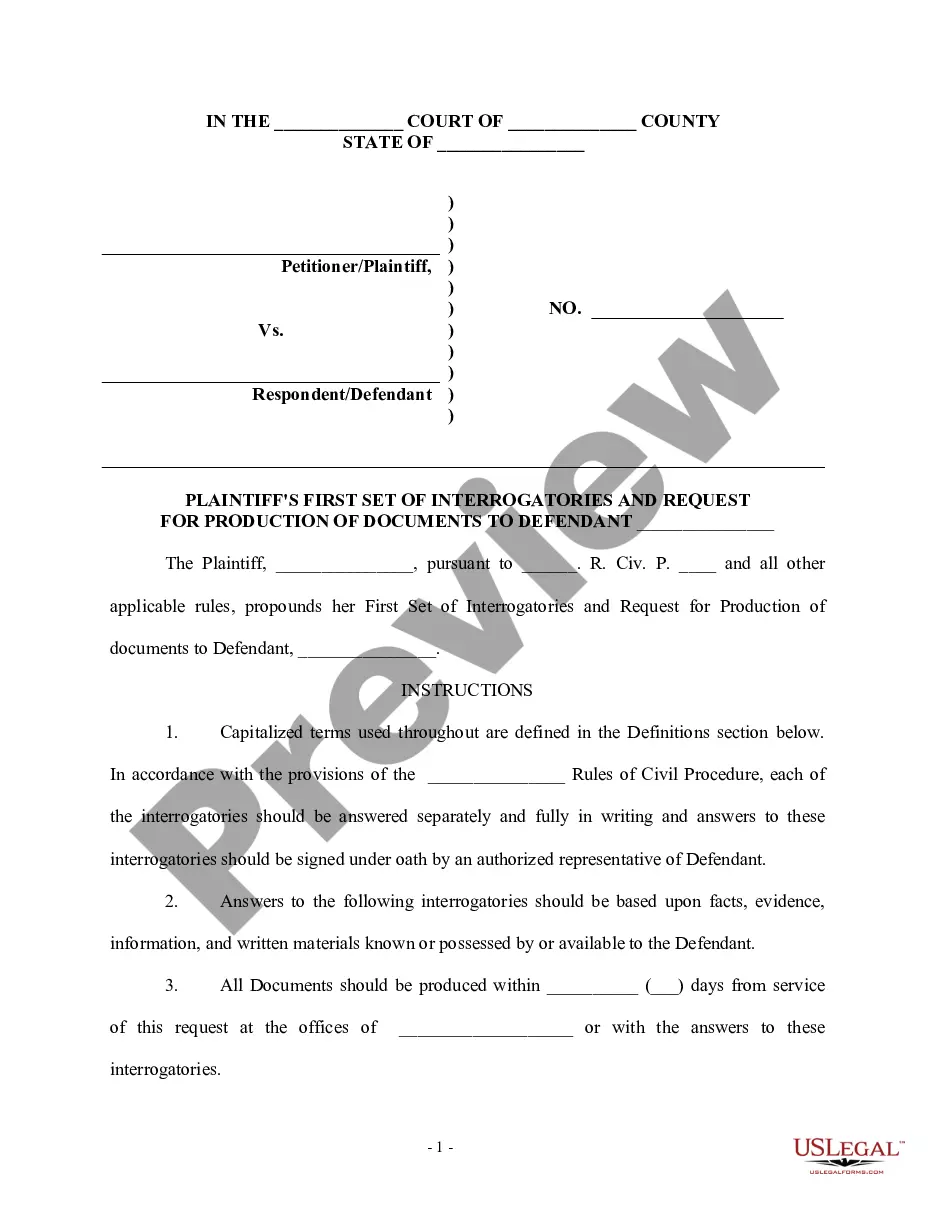
– Parties may obtain discovery regarding any matter, not privileged, which is relevant to the subject matter involved in the pending action, whether it relates to the claim or defense of the party seeking discovery or to the claim or defense of any other party, including the existence, description, nature, custody, ...
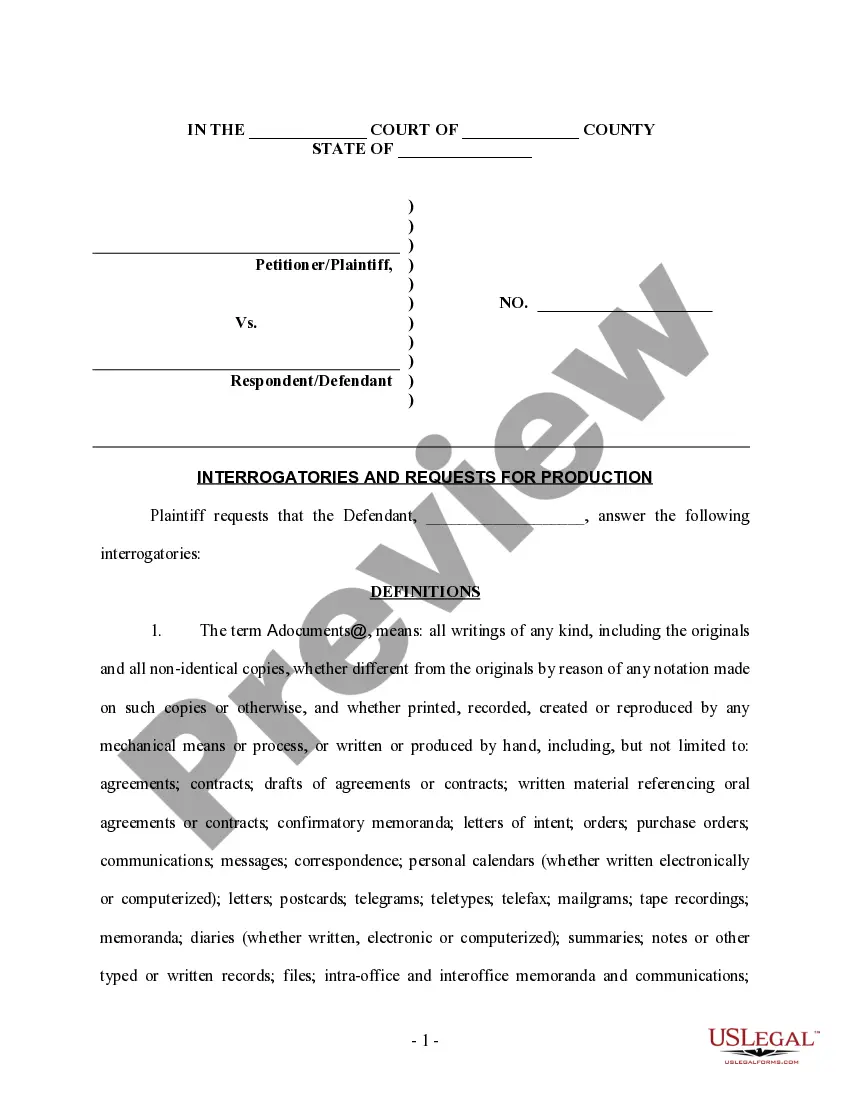
Each interrogatory shall be answered separately and fully in writing under oath, unless it is objected to, in which event the reasons for objection shall be stated in lieu of an answer.
Rule 37-Failure to Make or Cooperate in Discovery: Sanctions. (a) Motion for Order Compelling Disclosure or Discovery. A party, upon reasonable notice to other parties and all persons affected thereby, may apply for an order compelling disclosure or discovery as follows: (1) Appropriate Court.
A party may apply to the court for an ex parte protective order that discovery or inspection be denied or restricted, based upon a showing of good cause such as (but not limited to) a risk of physical harm, intimidation, bribery, economic reprisals, or unnecessary annoyance or embarrassment.
North Carolina applies the discovery rule, delaying accrual until the injury “becomes apparent or ought reasonably to have become apparent to the claimant, whichever event first occurs.” N.C. Gen.
The request is filed in superior court. A request for voluntary discovery must be filed before filing a motion for discovery or a motion to compel, although many practitioners combine the request with an alternative motion, as discussed in “Practice Tips,” below.
The request is filed in superior court. A request for voluntary discovery must be filed before filing a motion for discovery or a motion to compel, although many practitioners combine the request with an alternative motion, as discussed in “Practice Tips,” below.
If a request, response, or objection is not signed, it shall be stricken unless it is signed promptly after the omission is called to the attention of the party making the request, response, or objection and a party shall not be obligated to take any action with respect to it until it is signed.
Discovery allows your defense to aggressively challenge evidence and increases the chances that exculpatory evidence will be taken into consideration. In other words, criminal discovery laws in California help ensure a fairer legal system and is absolutely a critical step in your case.
A motion is a paper you can file in your case. It asks the court to decide something in your case. For example, if you need more time to answer a complaint against you, you can file a motion to extend the time to answer. If you do not have a case, you cannot file a motion.