Notice For Service In Michigan
Description


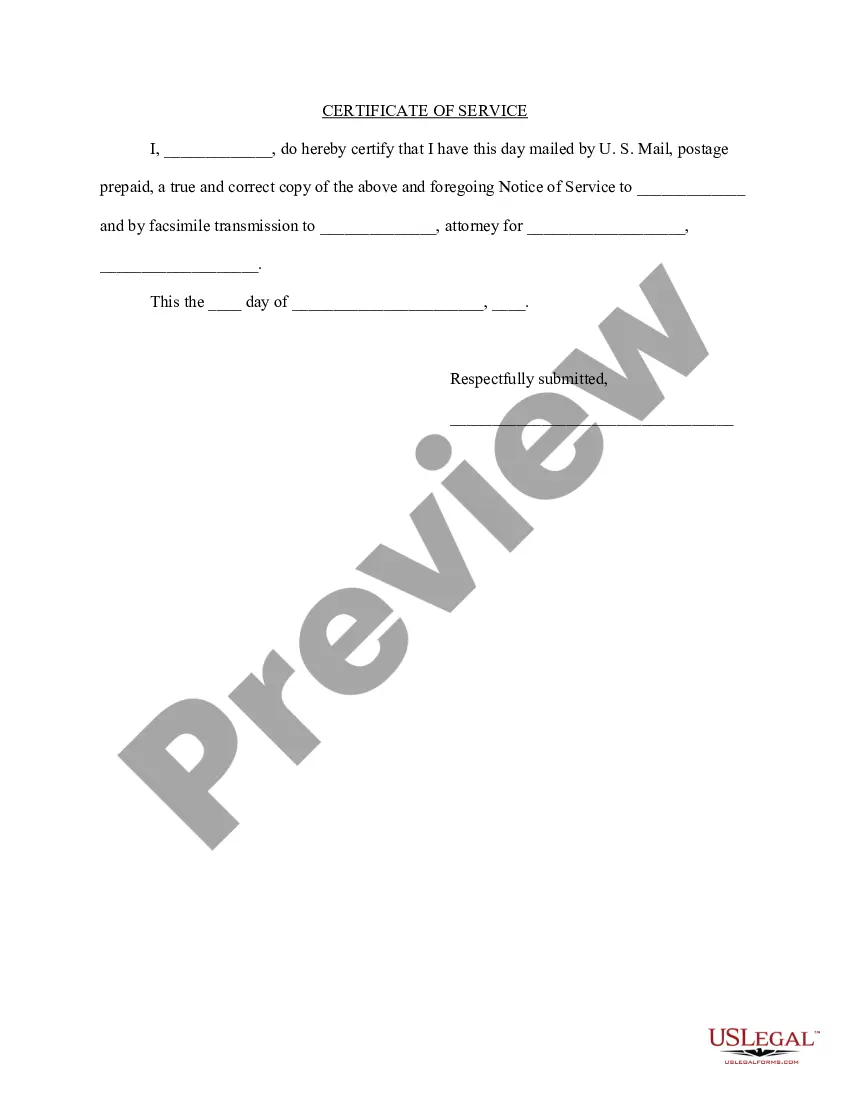
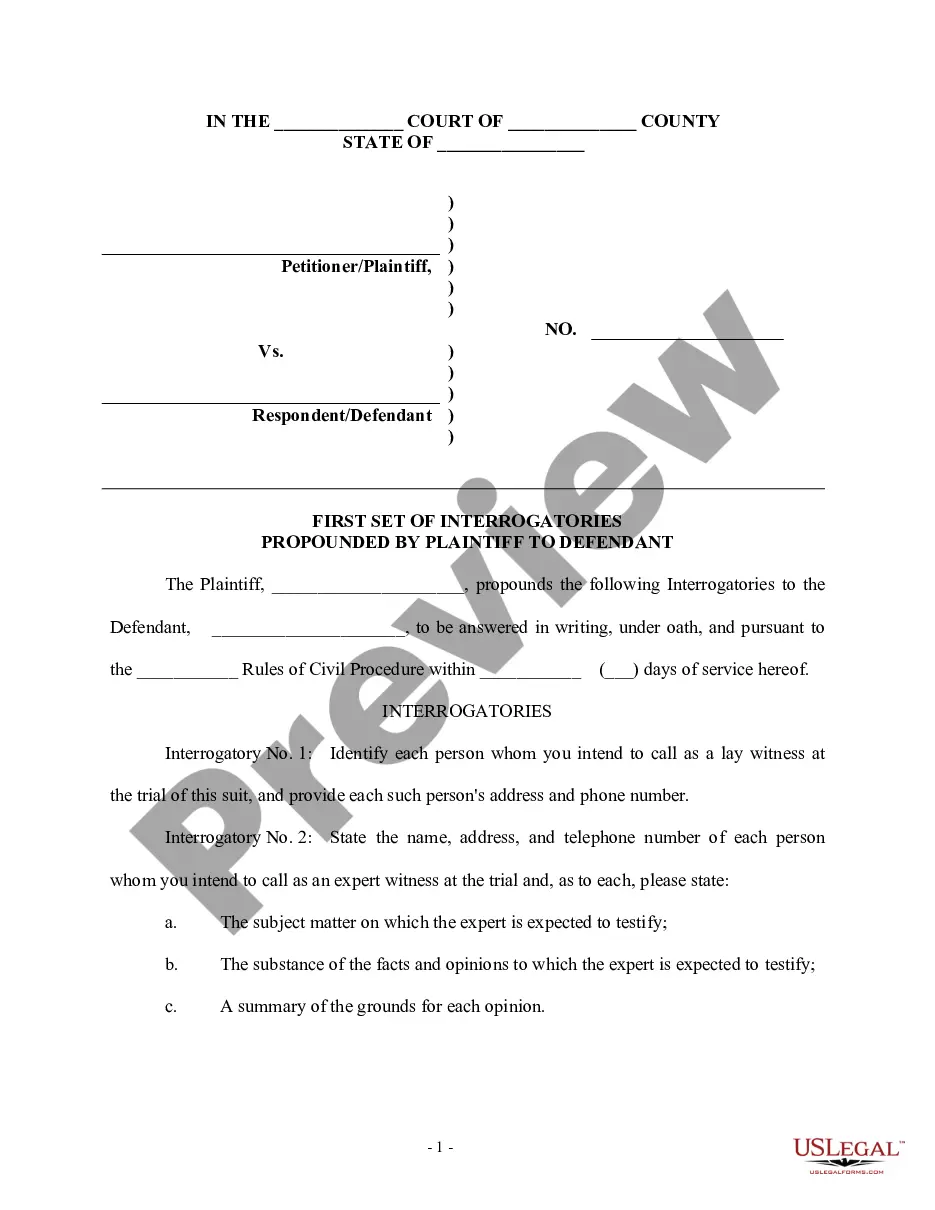
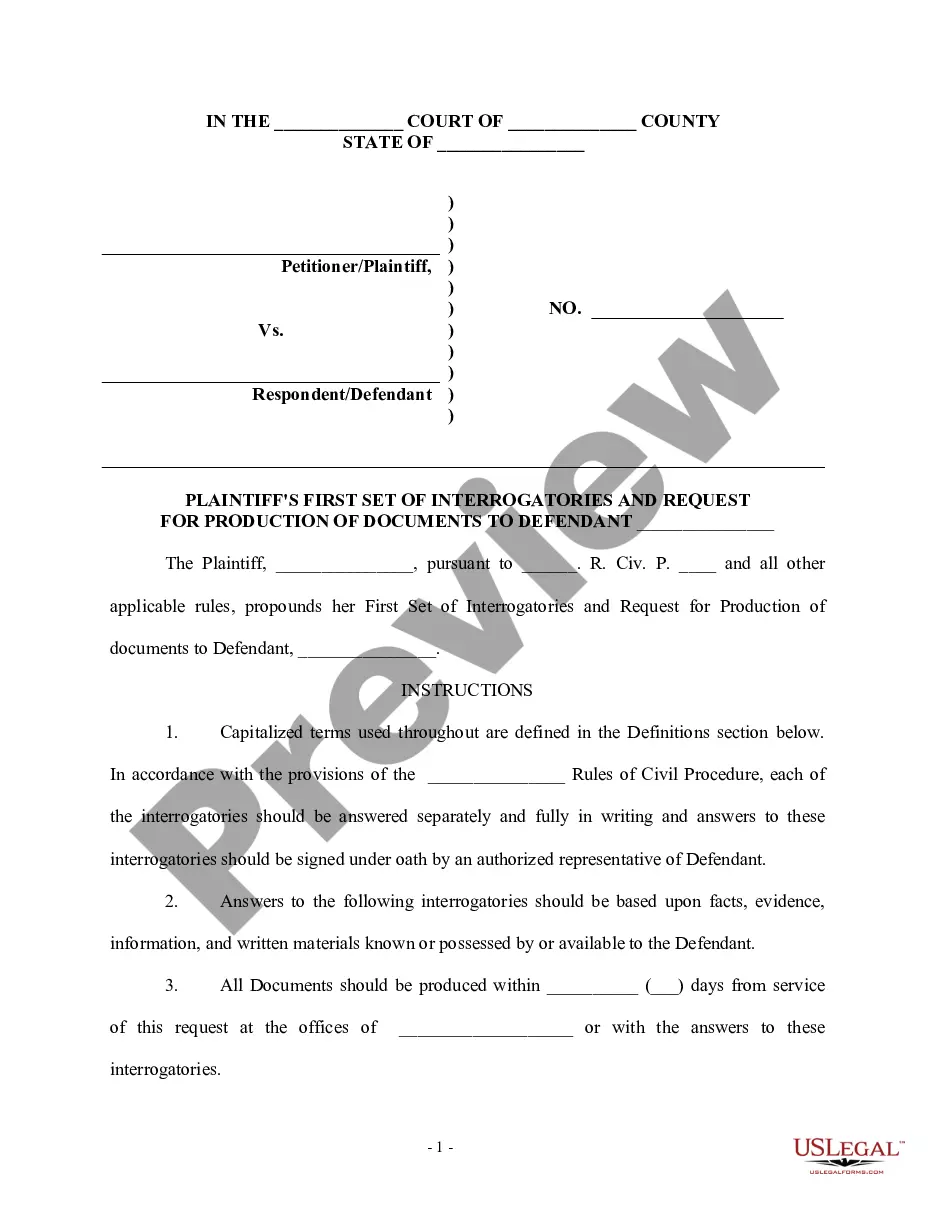
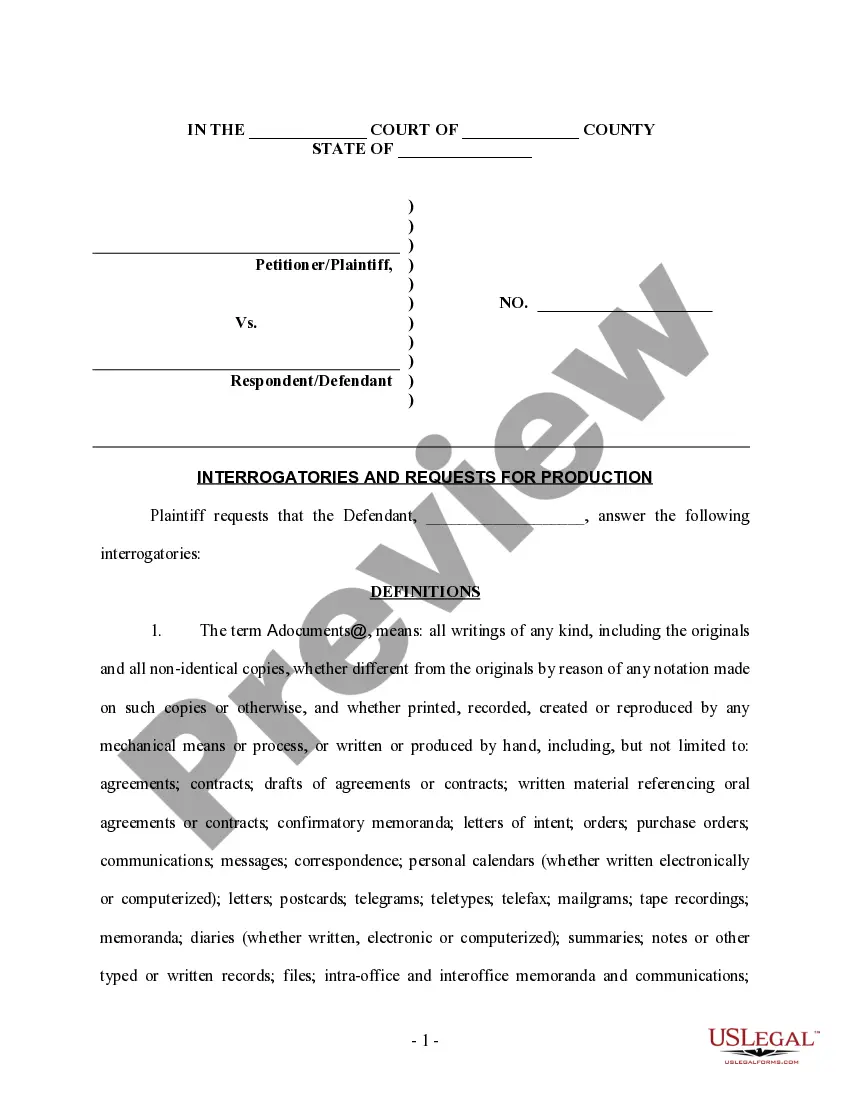
Get your form ready online
Our built-in tools help you complete, sign, share, and store your documents in one place.
Make edits, fill in missing information, and update formatting in US Legal Forms—just like you would in MS Word.
Download a copy, print it, send it by email, or mail it via USPS—whatever works best for your next step.
Sign and collect signatures with our SignNow integration. Send to multiple recipients, set reminders, and more. Go Premium to unlock E-Sign.
If this form requires notarization, complete it online through a secure video call—no need to meet a notary in person or wait for an appointment.
We protect your documents and personal data by following strict security and privacy standards.

Make edits, fill in missing information, and update formatting in US Legal Forms—just like you would in MS Word.

Download a copy, print it, send it by email, or mail it via USPS—whatever works best for your next step.

Sign and collect signatures with our SignNow integration. Send to multiple recipients, set reminders, and more. Go Premium to unlock E-Sign.

If this form requires notarization, complete it online through a secure video call—no need to meet a notary in person or wait for an appointment.

We protect your documents and personal data by following strict security and privacy standards.
Looking for another form?





Form popularity
FAQ
Individuals See MCR 2.105(A) Process may be served on a resident or nonresident individual by: (1) delivering a summons and a copy of the complaint to the defendant personally, or (2) sending a summons and a copy of the complaint by registered or certified mail, return receipt requested, and delivery restricted to the ...
Fill out form MC 03 (Answer, Civil) on the website or get a paper copy from the court to fill out. Write in the court number, case number, the court address, the court telephone number, and the names, addresses, and telephone numbers of the plaintiff and the defendant exactly as they are on your court papers.
The Michigan clean slate law provides for the following offenses to be automatically set aside once the corresponding period has elapsed: Misdemeanors with a sentence up to 92 days – Seven years. Up to four misdemeanors with a sentence of 93+ days – Seven years. Up to two eligible felonies – 10 years.
Proof of service may be made by (1) written acknowledgment of the receipt of a summons and a copy of the complaint, dated and signed by the person to whom the service is directed or by a person authorized under these rules to receive the service of process; (2) a certificate stating the facts of service, including the ...
Except as otherwise provided in this section, a parent of a child whose custody is governed by court order shall not change a legal residence of the child to a location that is more than 100 miles from the child's legal residence at the time of the commencement of the action in which the order is issued.
(3) Within 7 days after the granting of the judgment or order, or later if the court allows, a party may serve a copy of the proposed judgment or order on the other parties, with a notice to them that it will be submitted to the court for signing if no written objections to its accuracy or completeness are filed with ...
(a) If no written objections are filed within 7 days of the date of service of the notice, the judge shall sign the judgment or order if, in the court's determination, it comports with the court's decision.
While you can technically refuse to be served with legal papers, doing so will only delay proceedings and could lead to a default judgment against you.