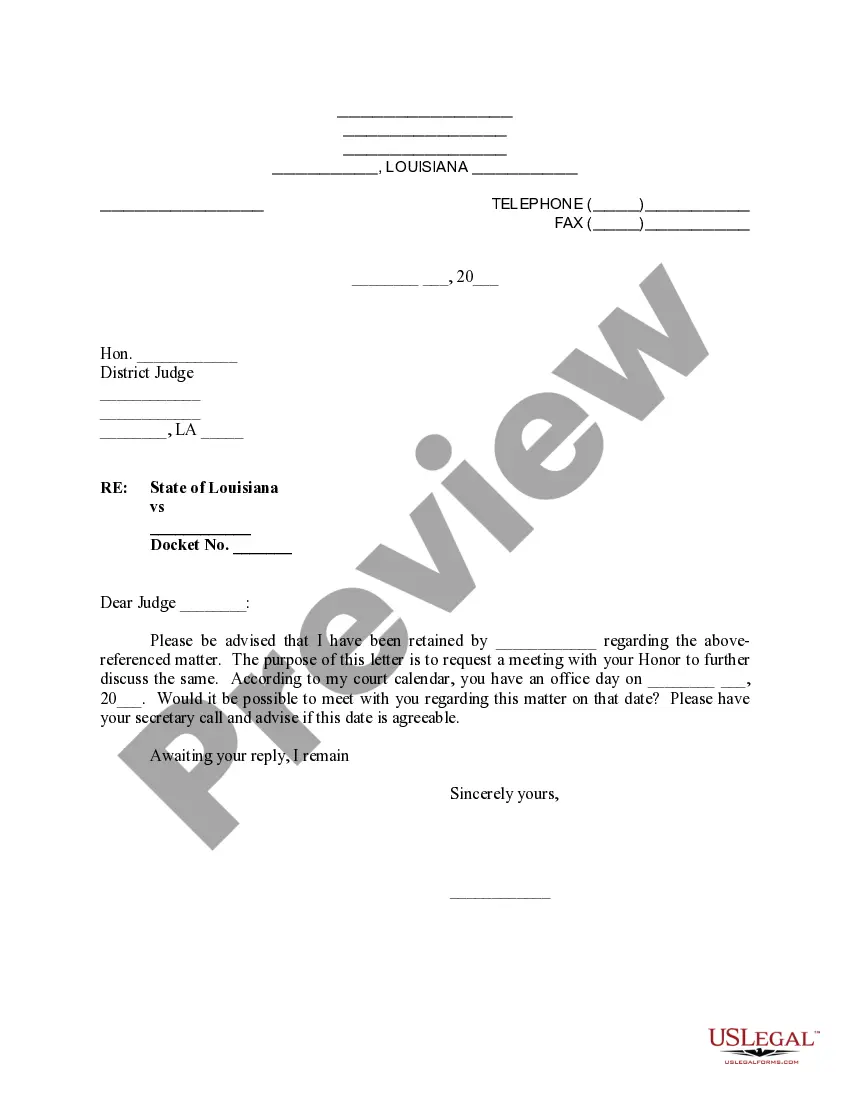
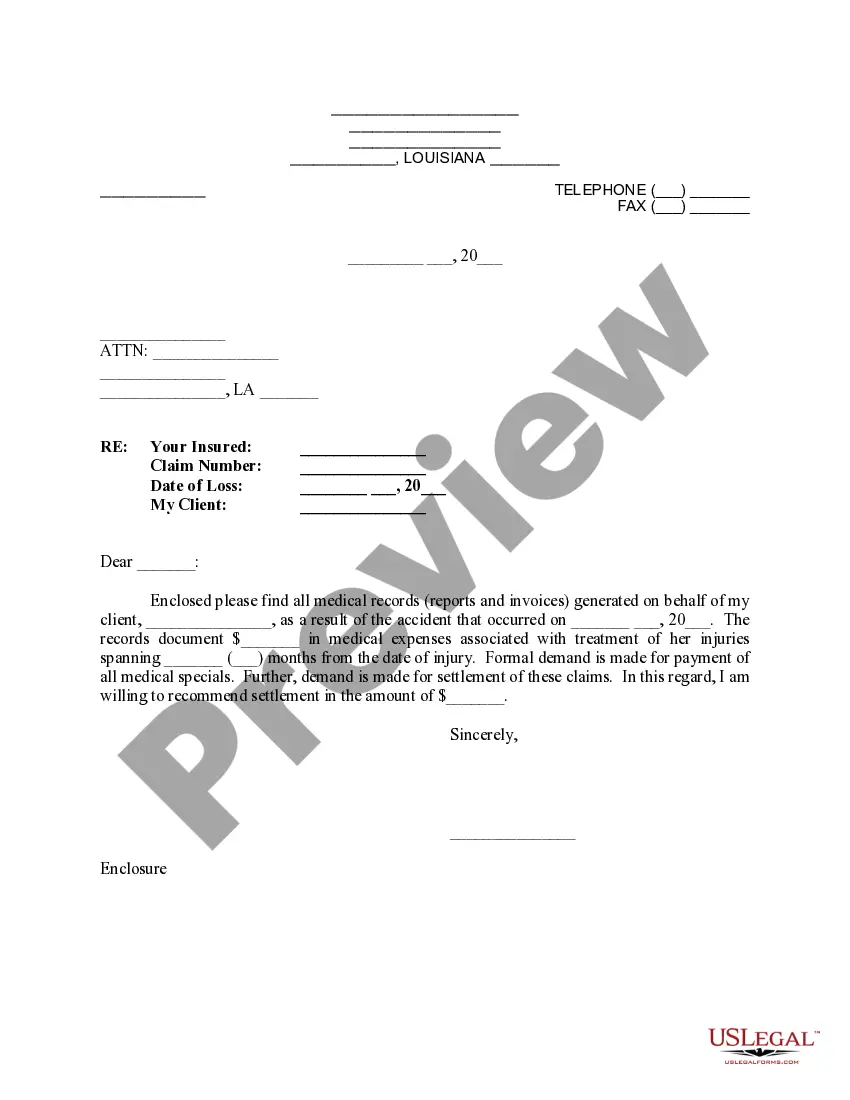
Notice For Discovery And Inspection In Maryland
Description

Get your form ready online
Our built-in tools help you complete, sign, share, and store your documents in one place.
Make edits, fill in missing information, and update formatting in US Legal Forms—just like you would in MS Word.
Download a copy, print it, send it by email, or mail it via USPS—whatever works best for your next step.
Sign and collect signatures with our SignNow integration. Send to multiple recipients, set reminders, and more. Go Premium to unlock E-Sign.
If this form requires notarization, complete it online through a secure video call—no need to meet a notary in person or wait for an appointment.
We protect your documents and personal data by following strict security and privacy standards.

Make edits, fill in missing information, and update formatting in US Legal Forms—just like you would in MS Word.

Download a copy, print it, send it by email, or mail it via USPS—whatever works best for your next step.

Sign and collect signatures with our SignNow integration. Send to multiple recipients, set reminders, and more. Go Premium to unlock E-Sign.

If this form requires notarization, complete it online through a secure video call—no need to meet a notary in person or wait for an appointment.

We protect your documents and personal data by following strict security and privacy standards.
Looking for another form?







Form popularity
FAQ
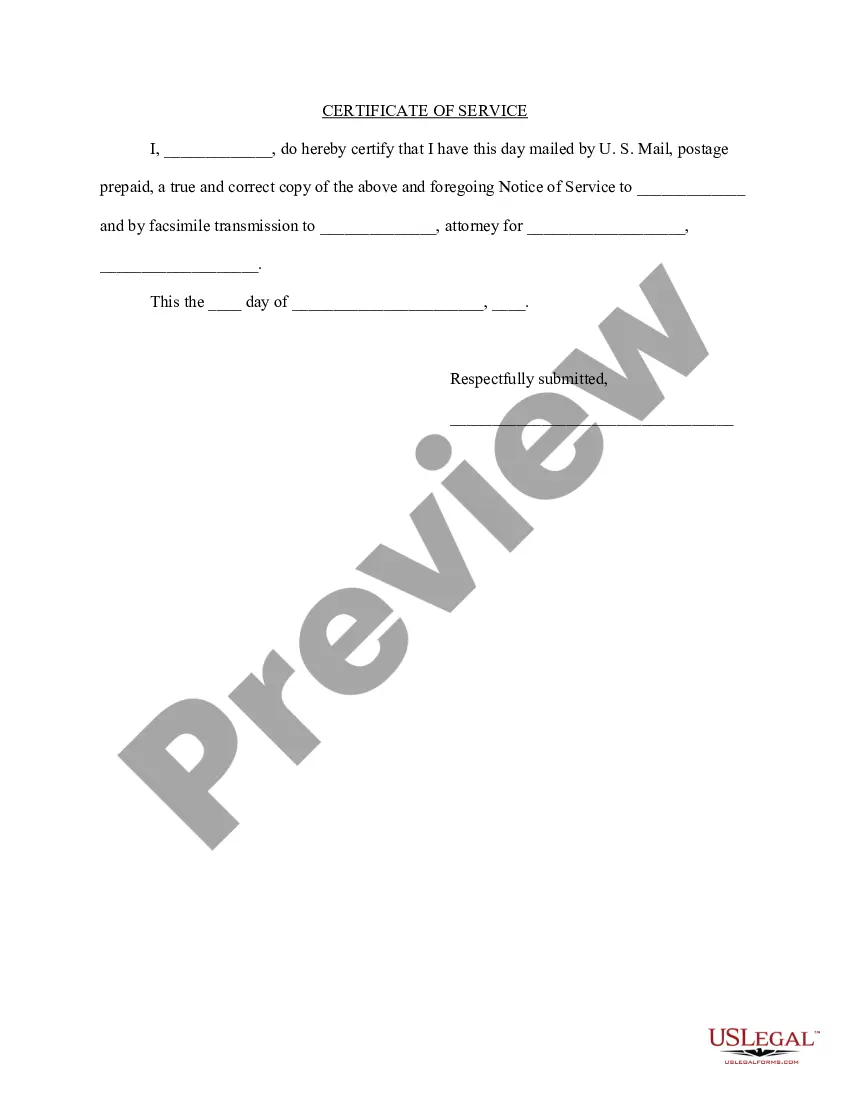
When you are ready to serve the opposing party with discovery requests or discovery responses, you will include a document called “Notice of Service of Discovery Material.” The Notice states the type of discovery material served, the date and manner of service, and the party or person served.
Maryland Rule of Procedure 2-422 controls how and when to request production of documents and to respond to production of documents requests in circuit court cases. A deposition is a recorded in-person session in which the party who requested the deposition asks questions of another party or witness.
Without the necessity of a request, the State's Attorney shall provide to the defense all material or information in any form, whether or not admissible, that tends to exculpate the defendant or negate or mitigate the defendant's guilt or punishment as to the offense charged and all material or information in any form, ...
A motion to compel asks the court to order the opposing party to respond to discovery by a certain date. These motions are typically acts of last resort, which you should save for when your opponent fails to respond to any of your requests.
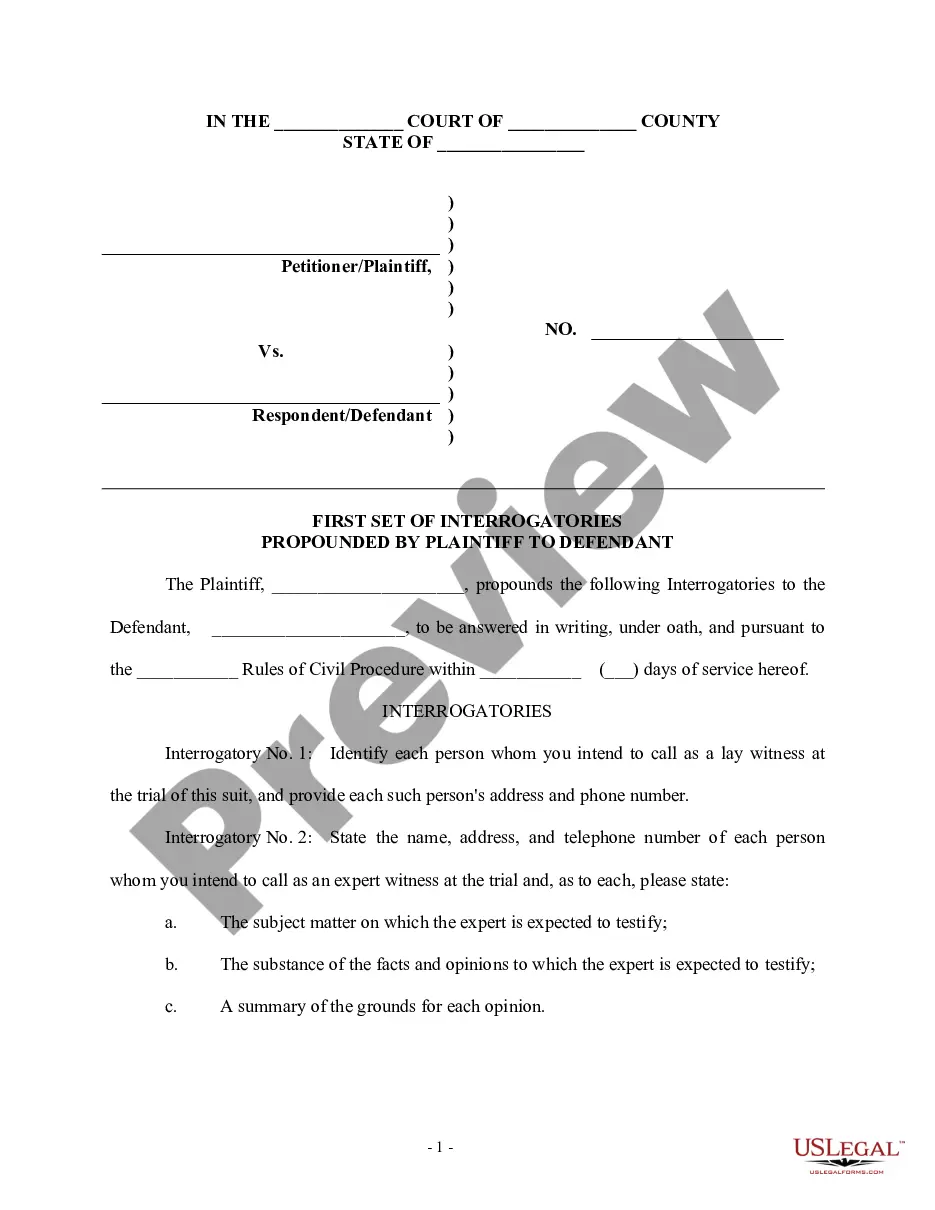
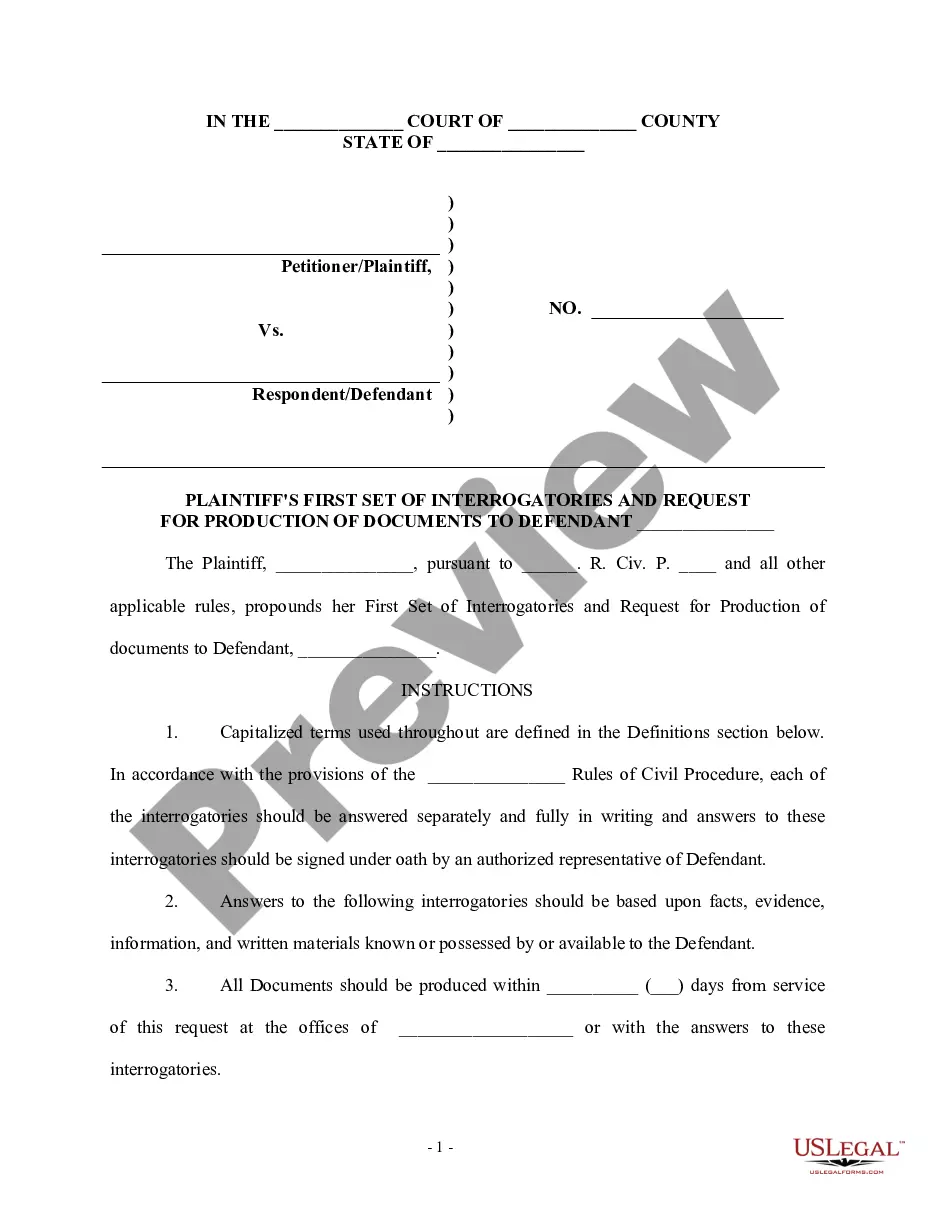
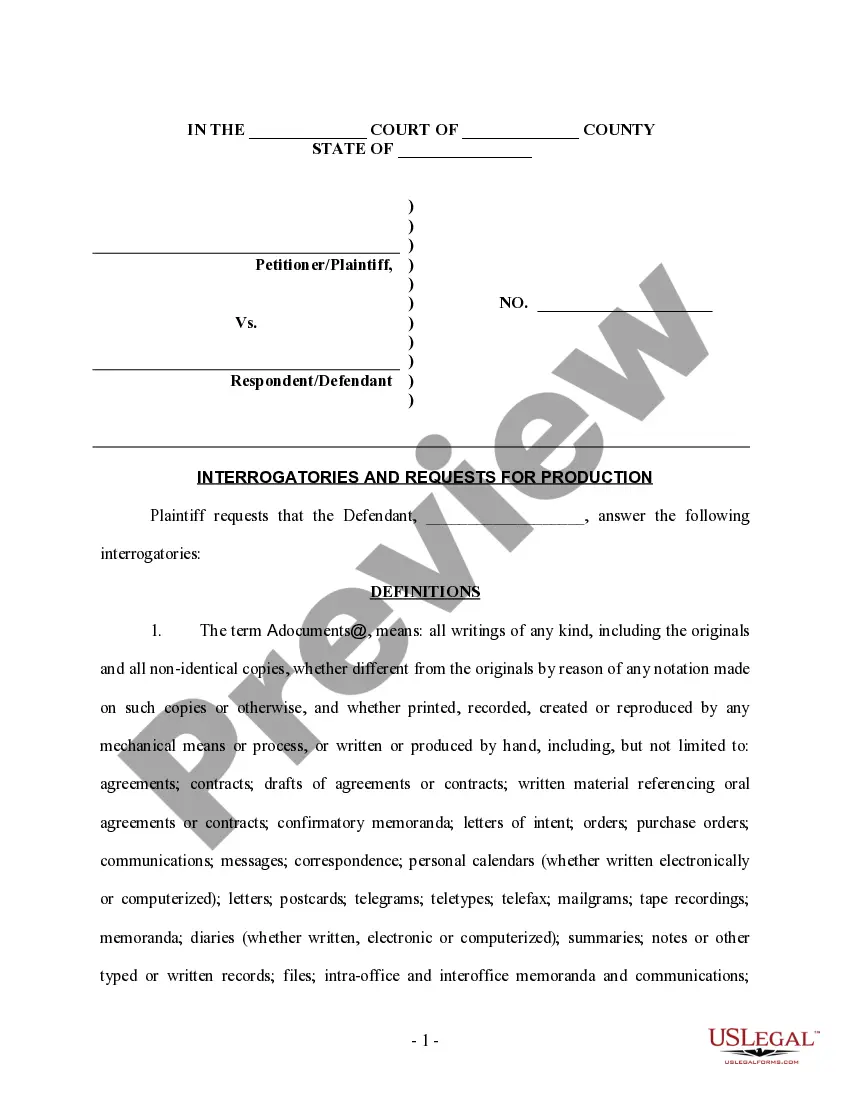
Interrogatories. Interrogatories is a list of questions sent to the other party. You cannot send more than 30 questions to another party in a circuit court case. The Maryland Rules have form interrogatories that you can use as an example.
TIME FOR FILING ANSWER. (a) General Rule. A party shall file an answer to an original complaint, counterclaim, cross-claim, or third-party claim within 30 days after being served, except as provided by sections (b) and (c) of this Rule.
Upon a motion filed under Rule 2-432(a), the court, if it finds a failure of discovery, may enter such orders in regard to the failure as are just, including one or more of the following: (1) An order that the matters sought to be discovered, or any other designated facts shall be taken to be established for the ...
Rule 2-421 - Interrogatories to Parties (a) Availability; Number. Any party may serve written interrogatories directed to any other party. Unless the court orders otherwise, a party may serve one or more sets having a cumulative total of not more than 30 interrogatories to be answered by the same party.
Rule 4-346 - Probation (a) Manner of Imposing. When placing a defendant on probation, the court shall advise the defendant of the conditions and duration of probation and the possible consequences of a violation of any of the conditions.