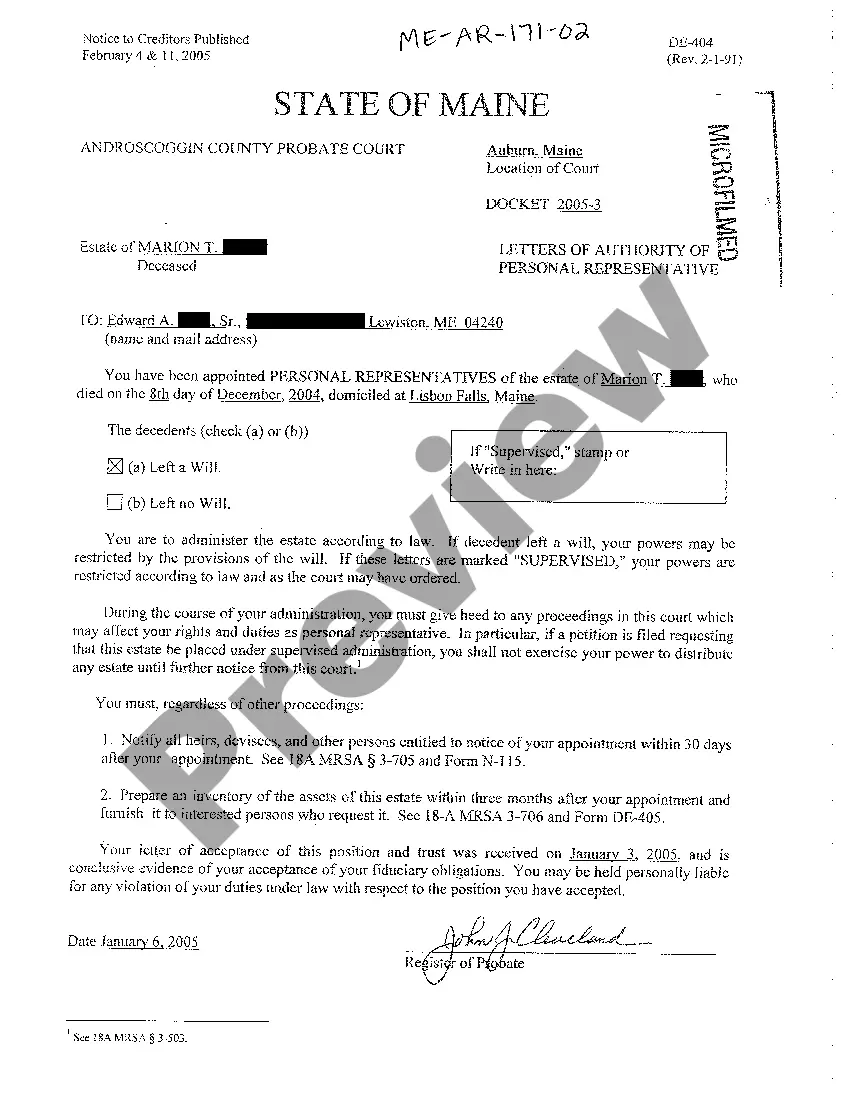
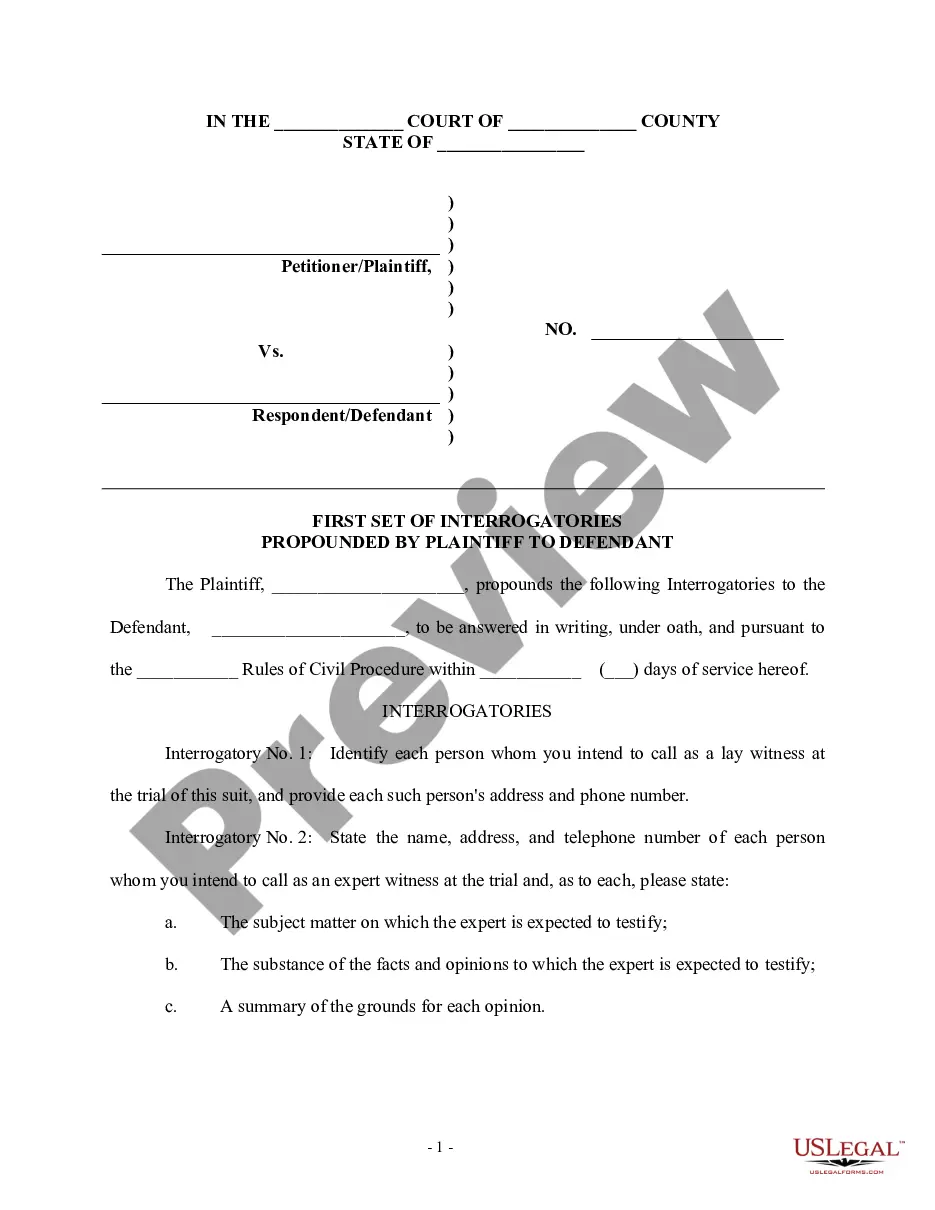
Notice For Discovery And Inspection New York In Harris
Description

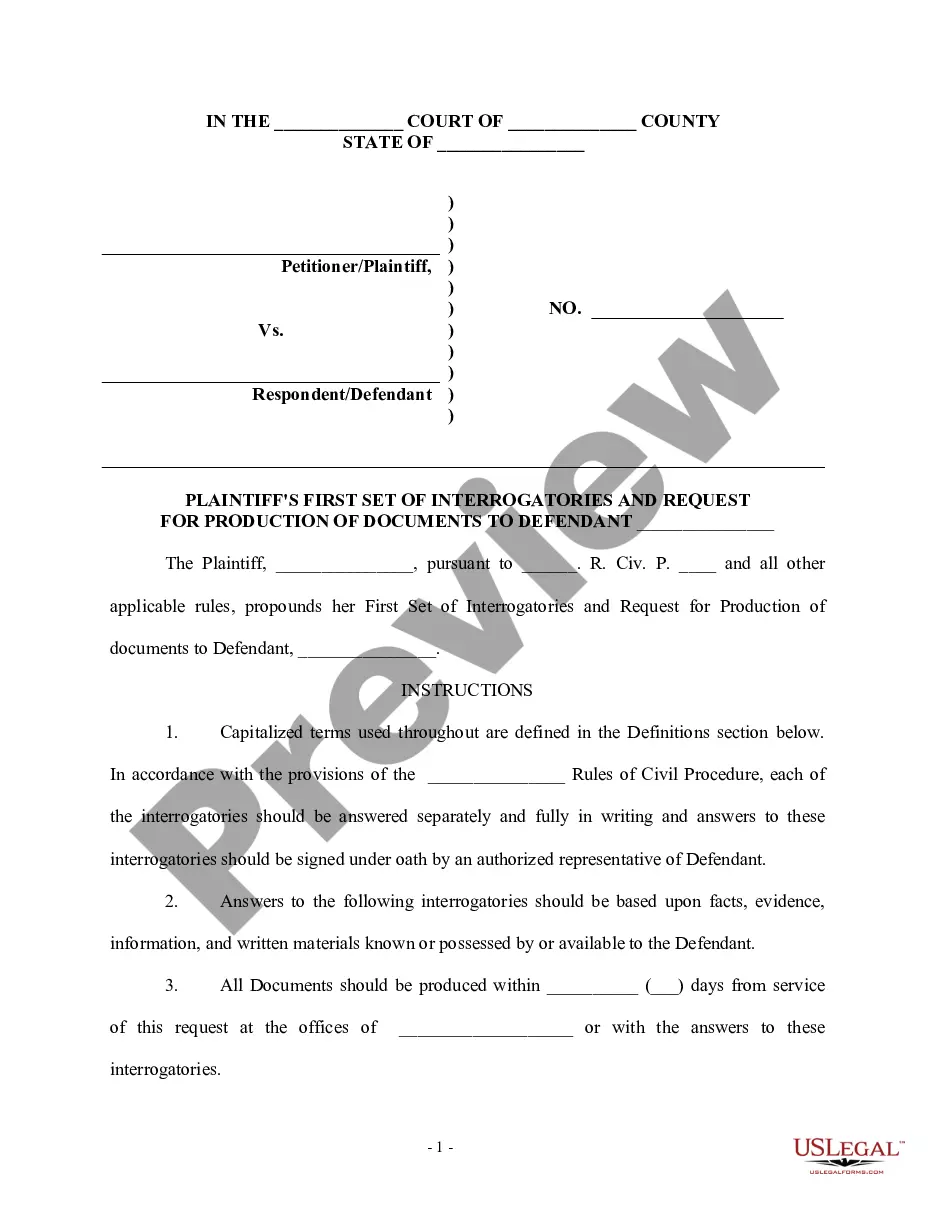
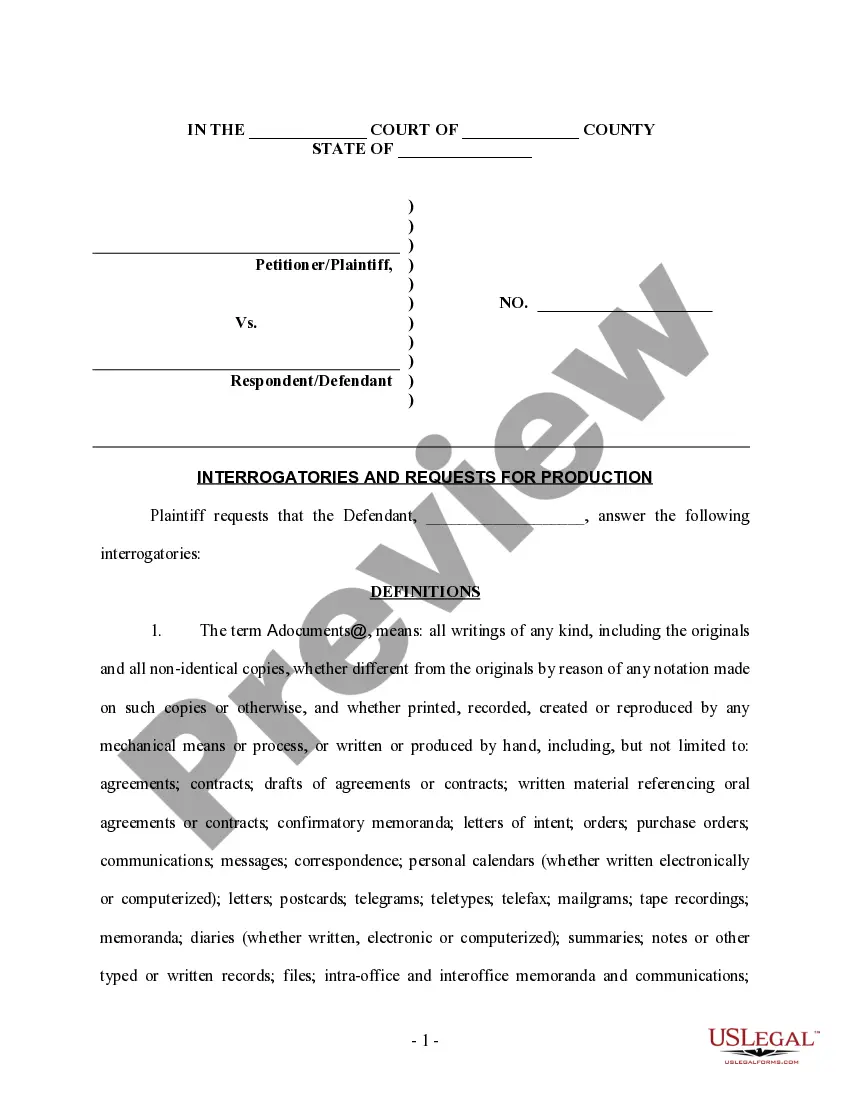
Get your form ready online
Our built-in tools help you complete, sign, share, and store your documents in one place.
Make edits, fill in missing information, and update formatting in US Legal Forms—just like you would in MS Word.
Download a copy, print it, send it by email, or mail it via USPS—whatever works best for your next step.
Sign and collect signatures with our SignNow integration. Send to multiple recipients, set reminders, and more. Go Premium to unlock E-Sign.
If this form requires notarization, complete it online through a secure video call—no need to meet a notary in person or wait for an appointment.
We protect your documents and personal data by following strict security and privacy standards.

Make edits, fill in missing information, and update formatting in US Legal Forms—just like you would in MS Word.

Download a copy, print it, send it by email, or mail it via USPS—whatever works best for your next step.

Sign and collect signatures with our SignNow integration. Send to multiple recipients, set reminders, and more. Go Premium to unlock E-Sign.

If this form requires notarization, complete it online through a secure video call—no need to meet a notary in person or wait for an appointment.

We protect your documents and personal data by following strict security and privacy standards.
Looking for another form?









Form popularity
FAQ
More complex lawsuits may require the parties to collect and analyze substantial evidence or depose numerous witnesses. In this case, the discovery process may last several months or even longer than a year.
Do Most Cases Settle After Discovery? Many personal injury lawsuits conclude either during or at the end of the discovery phase. In many cases, the defendants don't want evidence against them revealed in court.
A discovery response is essentially a choice that you make after receiving a request for information. The question then becomes, Should you comply or not?
Discovery can be time-consuming, but it plays a vital role in litigation. It often leads to settlements by clarifying the facts and narrowing the issues in dispute. If your case does proceed to trial, discovery ensures that both sides are better prepared to present their arguments.
Discovery is how you gather the evidence you will need to prove your case as plaintiff, or defeat the plaintiff's case as a defendant. You use discovery to find out things like: What the other side plans to say about an issue in your case. What facts or witnesses support their side.
Discovery is how you gather the evidence you will need to prove your case as plaintiff, or defeat the plaintiff's case as a defendant. You use discovery to find out things like: What the other side plans to say about an issue in your case. What facts or witnesses support their side.
If you disagree with what is being asked for in the motion or order to show cause, you must prepare an affidavit in opposition (see Exhibit A). If you agree with what is being asked for, you must prepare an affidavit in support (see Exhibit B). You may attach any documents that support your position as “exhibits”.
Order to Show Cause forms are available at the courthouse, and a judge can set the terms, such as when it will be heard in court, how it will be served on the other side and any conditions or requirements in order to obtain a stay of enforcement of an order or judgment pending the hearing.
The rule acknowledges that victims cannot sue for damages they are unaware of, and it adjusts the legal timeline ingly. This rule, however, is not without its limits. New York law specifies certain conditions under which the discovery rule applies, and understanding these specifics is crucial.
How to Fill Out an Order to Show Cause Write the county name. Write the Article for your case type. Write the name(s) of the petitioner(s). Write the name(s) of the respondent(s). Write the docket number, if it exists. Write your name. Write the date you signed the affidavit. Write the month you signed the affidavit.