Notice For Service In Georgia
Description


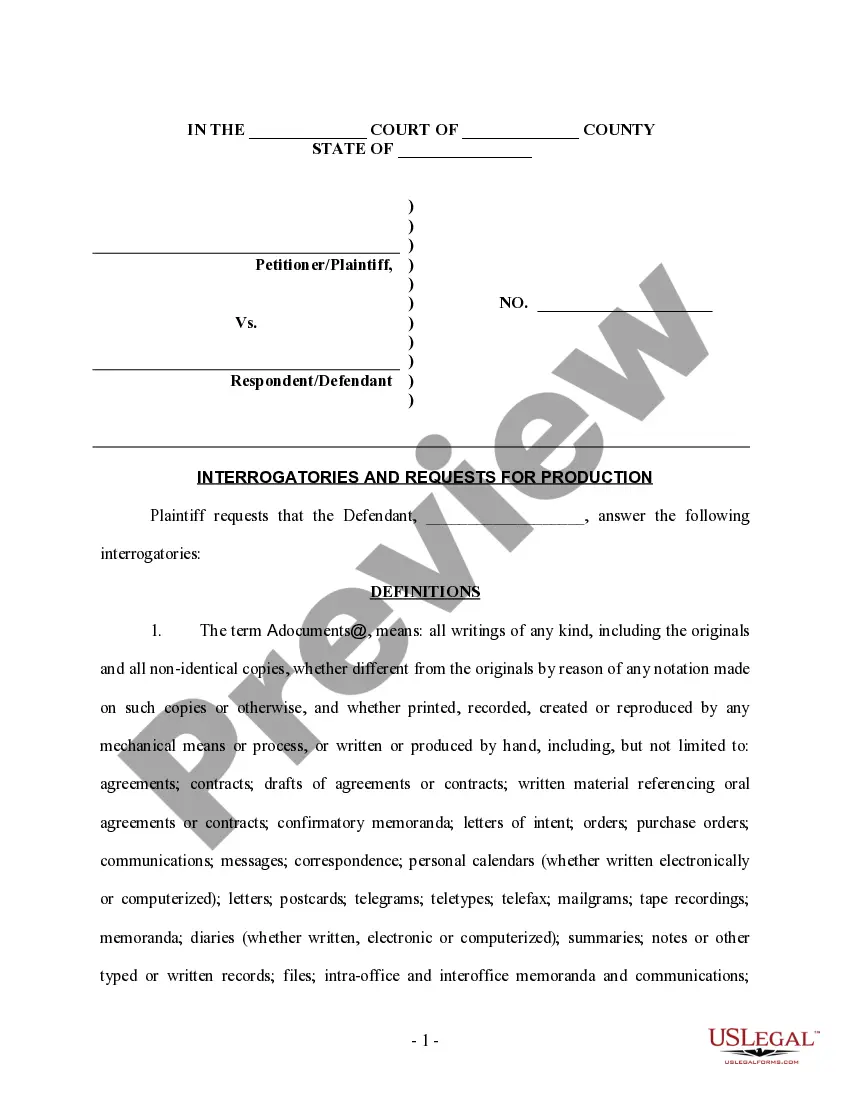
Get your form ready online
Our built-in tools help you complete, sign, share, and store your documents in one place.
Make edits, fill in missing information, and update formatting in US Legal Forms—just like you would in MS Word.
Download a copy, print it, send it by email, or mail it via USPS—whatever works best for your next step.
Sign and collect signatures with our SignNow integration. Send to multiple recipients, set reminders, and more. Go Premium to unlock E-Sign.
If this form requires notarization, complete it online through a secure video call—no need to meet a notary in person or wait for an appointment.
We protect your documents and personal data by following strict security and privacy standards.

Make edits, fill in missing information, and update formatting in US Legal Forms—just like you would in MS Word.

Download a copy, print it, send it by email, or mail it via USPS—whatever works best for your next step.

Sign and collect signatures with our SignNow integration. Send to multiple recipients, set reminders, and more. Go Premium to unlock E-Sign.

If this form requires notarization, complete it online through a secure video call—no need to meet a notary in person or wait for an appointment.

We protect your documents and personal data by following strict security and privacy standards.
Looking for another form?







Form popularity
FAQ
Proof of service may be made by certificate of an attorney or of his or her employee, by written admission, by affidavit, or by other proof satisfactory to the court. Failure to make proof of service shall not affect the validity of service.
For example, a process server might mail a complaint and summons to a defendant's home address via certified mail, or send a subpoena to a witness's business address with a return receipt requested.
Service of process is the procedure by one party in a lawsuit or legal proceeding to give another party an appropriate notice of the initiation of legal action .
Sixty days' notice from the landlord or 30 days' notice from the tenant is necessary to terminate a tenancy at will. (Orig. Code 1863, § 2272; Code 1868, § 2265; Code 1873, § 2291; Code 1882, § 2291; Civil Code 1895, § 3133; Civil Code 1910, § 3709; Code 1933, § 61-105; Ga.
Defendants That Avoid Being Served Risk Forfeiting Their Rights. The best reason to not pursue a strategy of avoiding being served with legal documents is that it can cause you to forfeit your legal rights, creating consequences potentially much worse than the lawsuits themselves.
In the U.S. legal system, service of process is the procedure by which a party to a lawsuit gives an appropriate notice of initial legal action to another party (such as a defendant), court, or administrative body in an effort to exercise jurisdiction over that person so as to force that person to respond to the ...
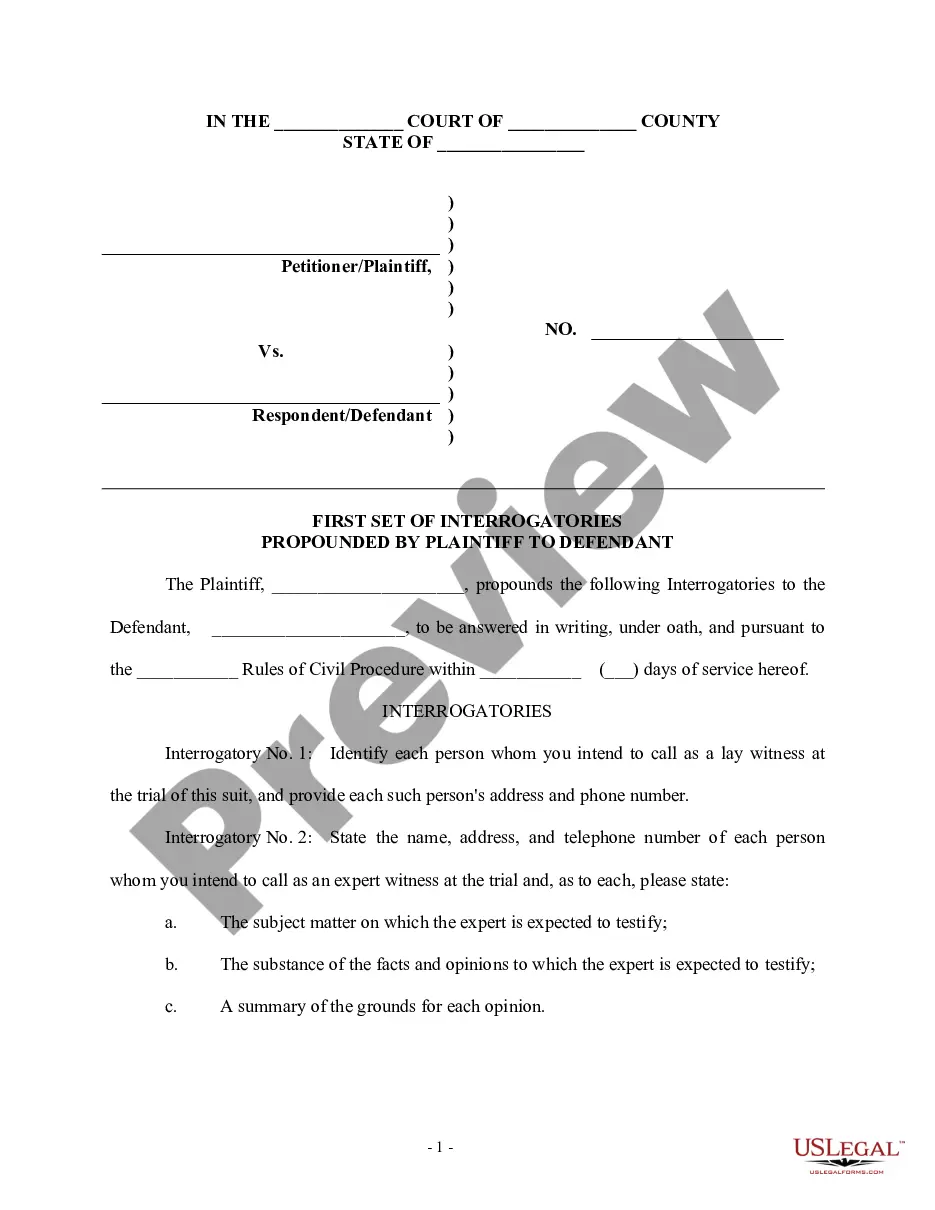
Service upon the attorney or upon a party shall be made by delivering a copy to the person to be served or by mailing it to the person to be served at the person's last known address or, if no address is known, by leaving it with the clerk of the court.
If the proof of service is not filed within five business days, the time for the party served to answer the process shall not begin to run until such proof of service is filed.
Proof of service may be made by certificate of an attorney or of his or her employee, by written admission, by affidavit, or by other proof satisfactory to the court.
Process shall be served by the sheriff of the county where the action is brought or where the defendant is found, or by his deputy, or by the marshal or sheriff of the court, or by his deputy, or by any citizen of the United States specially appointed by the court for that purpose or by someone who is not a party and ...