Service Interrogatories With Documents In Fulton
Description


Get your form ready online
Our built-in tools help you complete, sign, share, and store your documents in one place.
Make edits, fill in missing information, and update formatting in US Legal Forms—just like you would in MS Word.
Download a copy, print it, send it by email, or mail it via USPS—whatever works best for your next step.
Sign and collect signatures with our SignNow integration. Send to multiple recipients, set reminders, and more. Go Premium to unlock E-Sign.
If this form requires notarization, complete it online through a secure video call—no need to meet a notary in person or wait for an appointment.
We protect your documents and personal data by following strict security and privacy standards.

Make edits, fill in missing information, and update formatting in US Legal Forms—just like you would in MS Word.

Download a copy, print it, send it by email, or mail it via USPS—whatever works best for your next step.

Sign and collect signatures with our SignNow integration. Send to multiple recipients, set reminders, and more. Go Premium to unlock E-Sign.

If this form requires notarization, complete it online through a secure video call—no need to meet a notary in person or wait for an appointment.

We protect your documents and personal data by following strict security and privacy standards.
Looking for another form?






Form popularity
FAQ
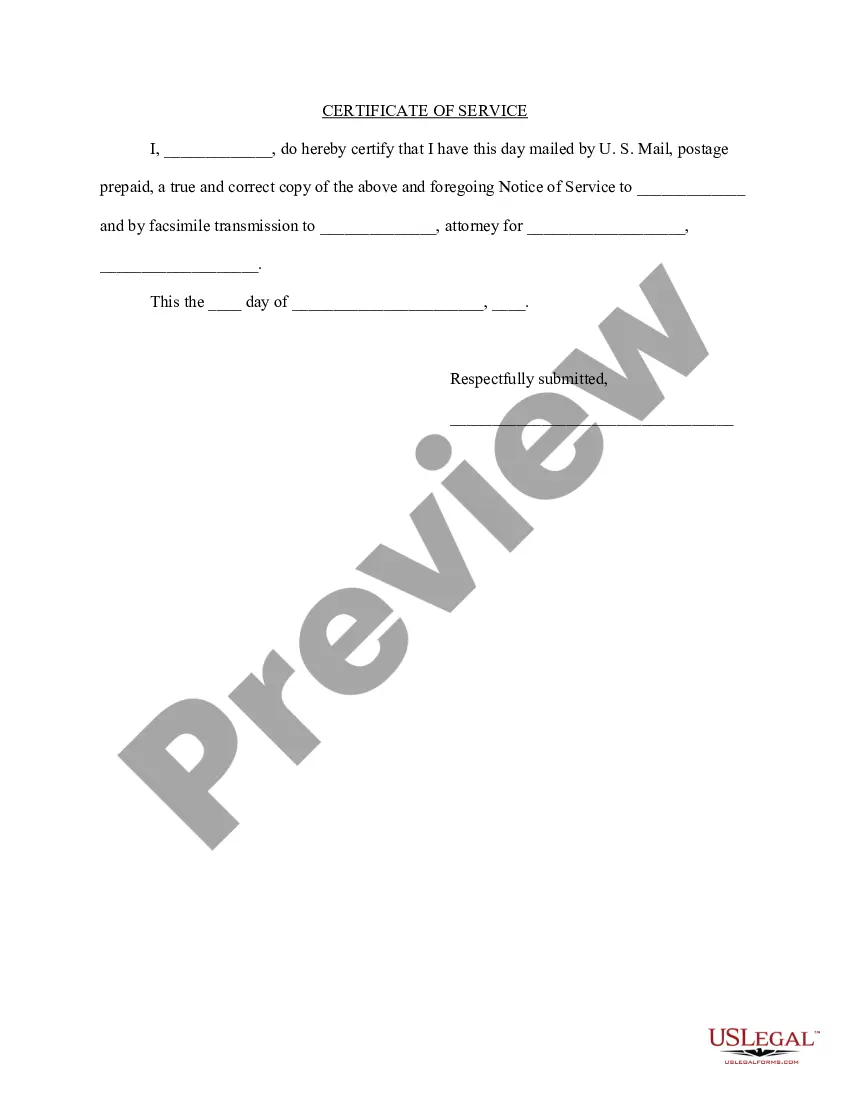
A photocopy of your form interrogatories must be served on the attorney for the responding party or directly to the responding party if he or she is self-represented (in pro per). Courtesy copies should be served on all other attorneys or self-represented parties in the case.
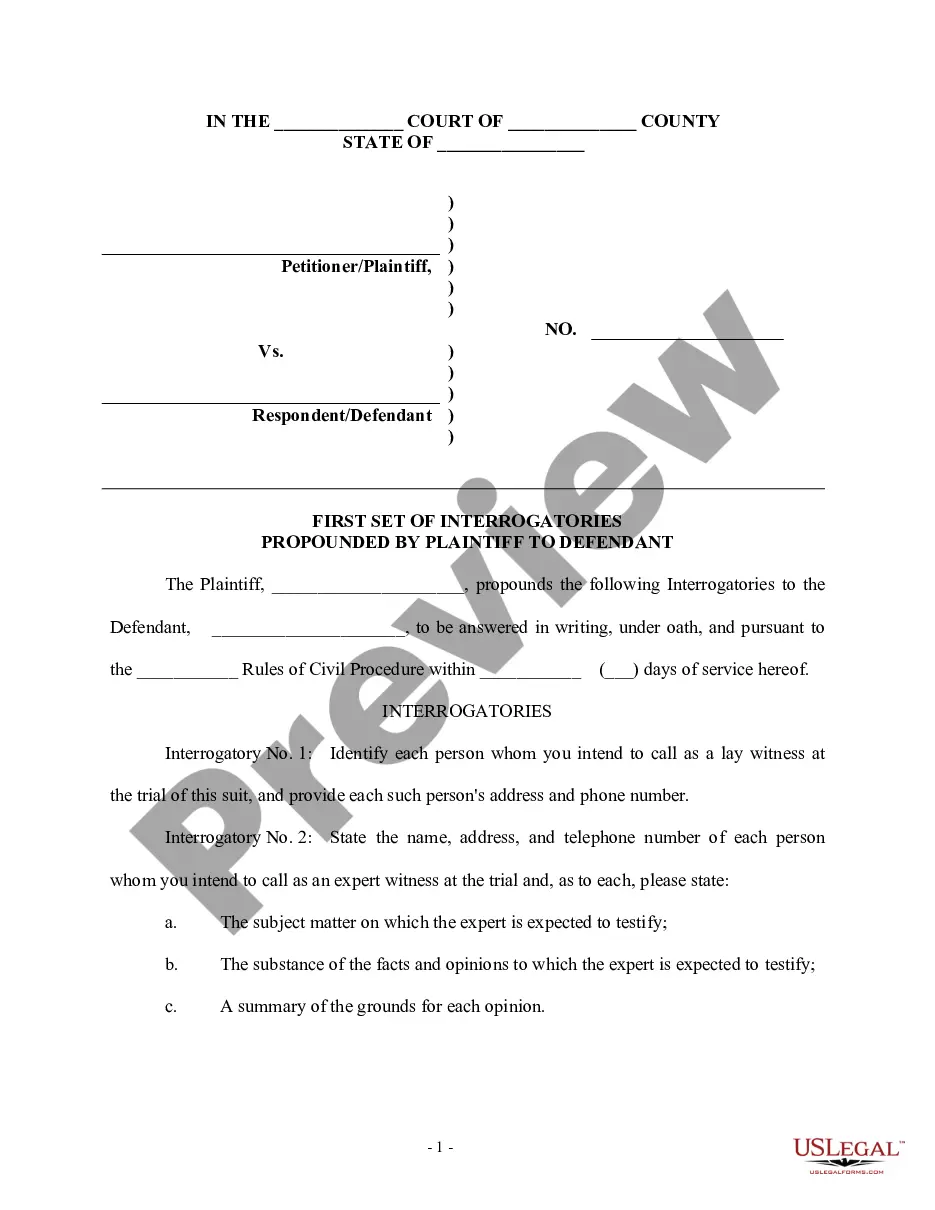
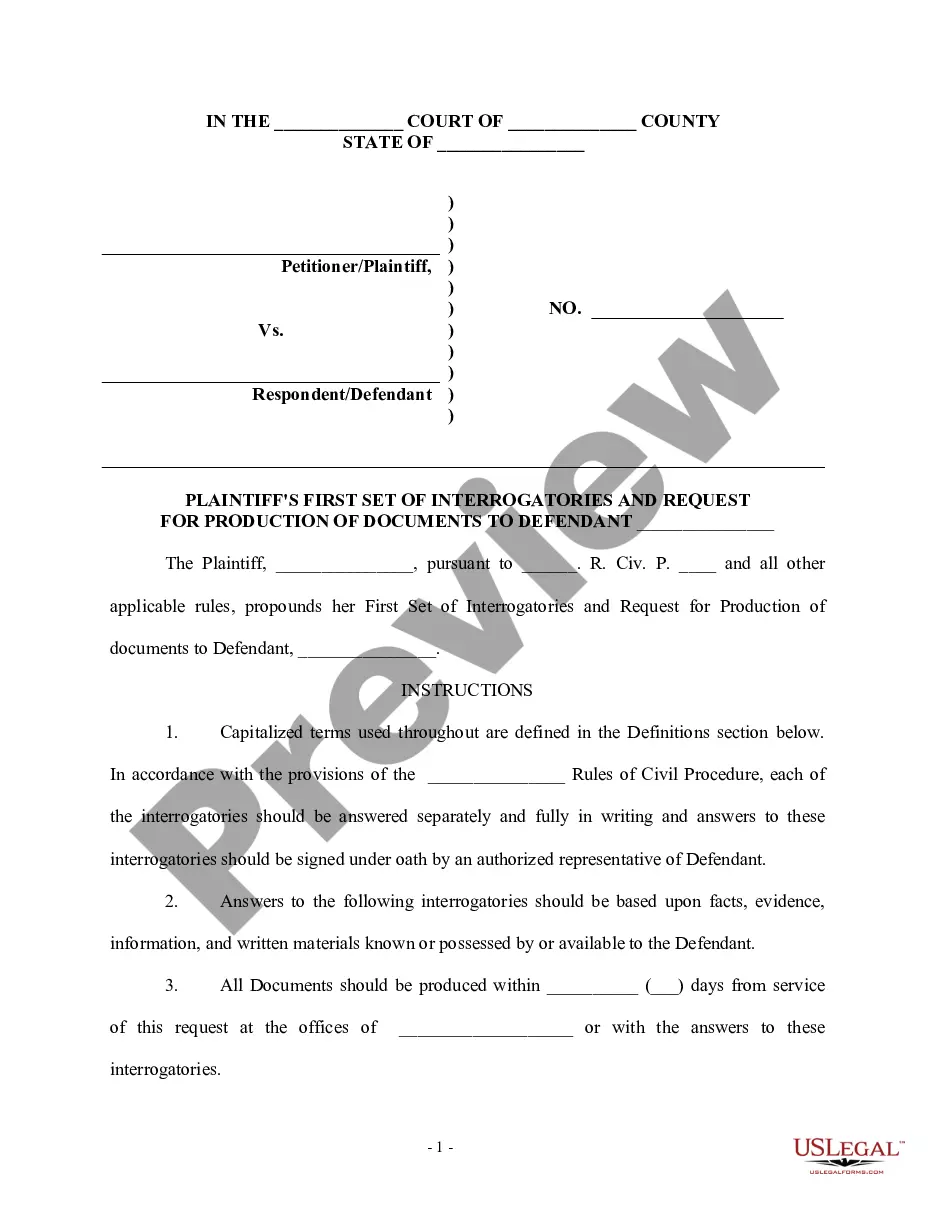
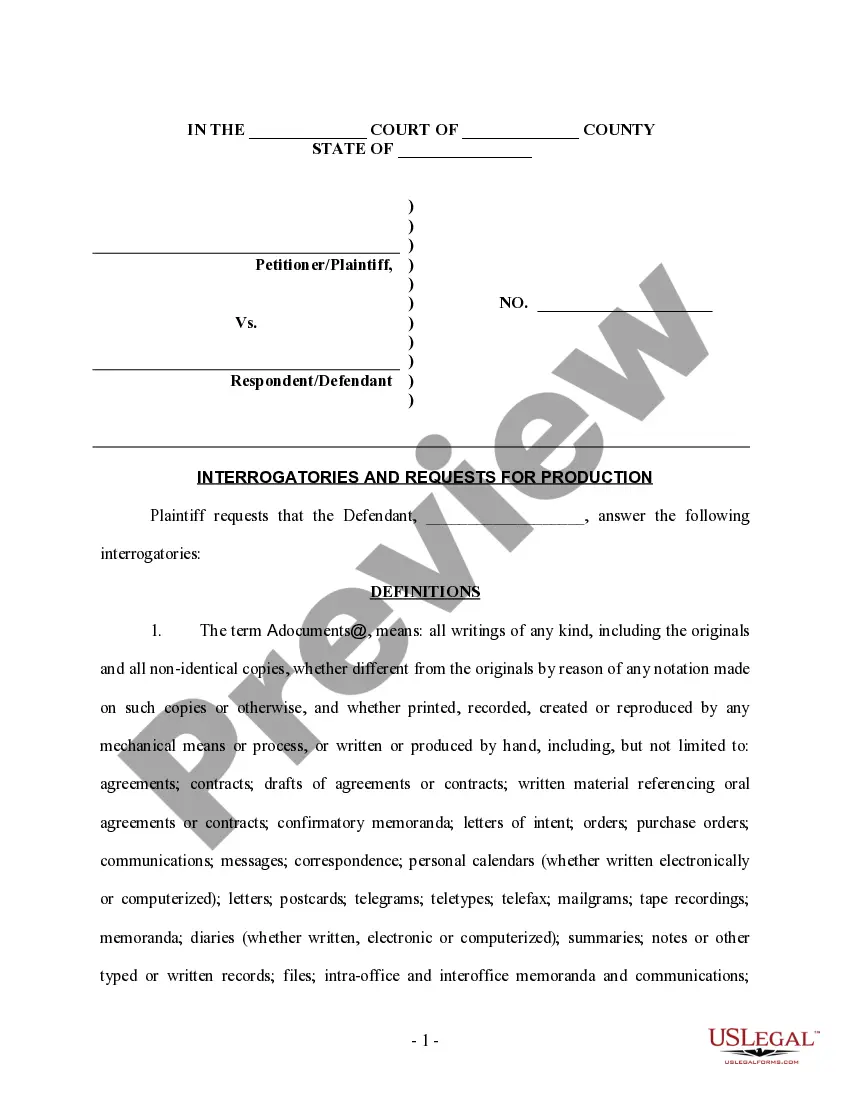
Interrogatories are written questions sent by one party in a lawsuit to another party in that same suit, which the responding party must answer under penalty of perjury. Interrogatories allow the parties to ask who, what, when, where and why questions, making them a good method for obtaining new information.
The purpose of this requirement—that defendant have time to obtain counsel before a response must be made—is adequately fulfilled by the requirement that interrogatories be served upon a party with or after service of the summons and complaint upon him.
The original form interrogatories and signed proof of service should be retained for your records. If the other party does not respond to your requests, you may use these documents to support a motion to have the court compel responses.
(a) A defendant may propound interrogatories to a party to the action without leave of court at any time. (b) A plaintiff may propound interrogatories to a party without leave of court at any time that is 10 days after the service of the summons on, or appearance by, that party, whichever occurs first.
For interrogatories, action words such as “list,” “describe,” “identify,” or “state” are very useful. You may ask the other side to identify a document but you cannot use this form of discovery to get them to give it to you. Requesting documents requires a different kind of discovery process.
Civ. P. 33(b)(1)(B), (3) and (5), and Petitioner never moved to compel a proper verification.” Under Rule 33, answers to interrogatories must be verified and must be signed by the person answering the interrogatory, not only by the party's attorney.
Taking of interrogatories is limited to service on an adverse party, to be answered by the party served, and cannot be construed as conferring on the plaintiff the absolute right to establish the plaintiff's case by the plaintiff's own written interrogatories. Reynolds v. Reynolds, 217 Ga.
Number of interrogatories allowed. - Without leave of court, a party may not serve a total of more than 50 interrogatories and such limit is a cumulative, not a "per set" limit.