Notice Of Discovery Without Notice In Franklin
Description



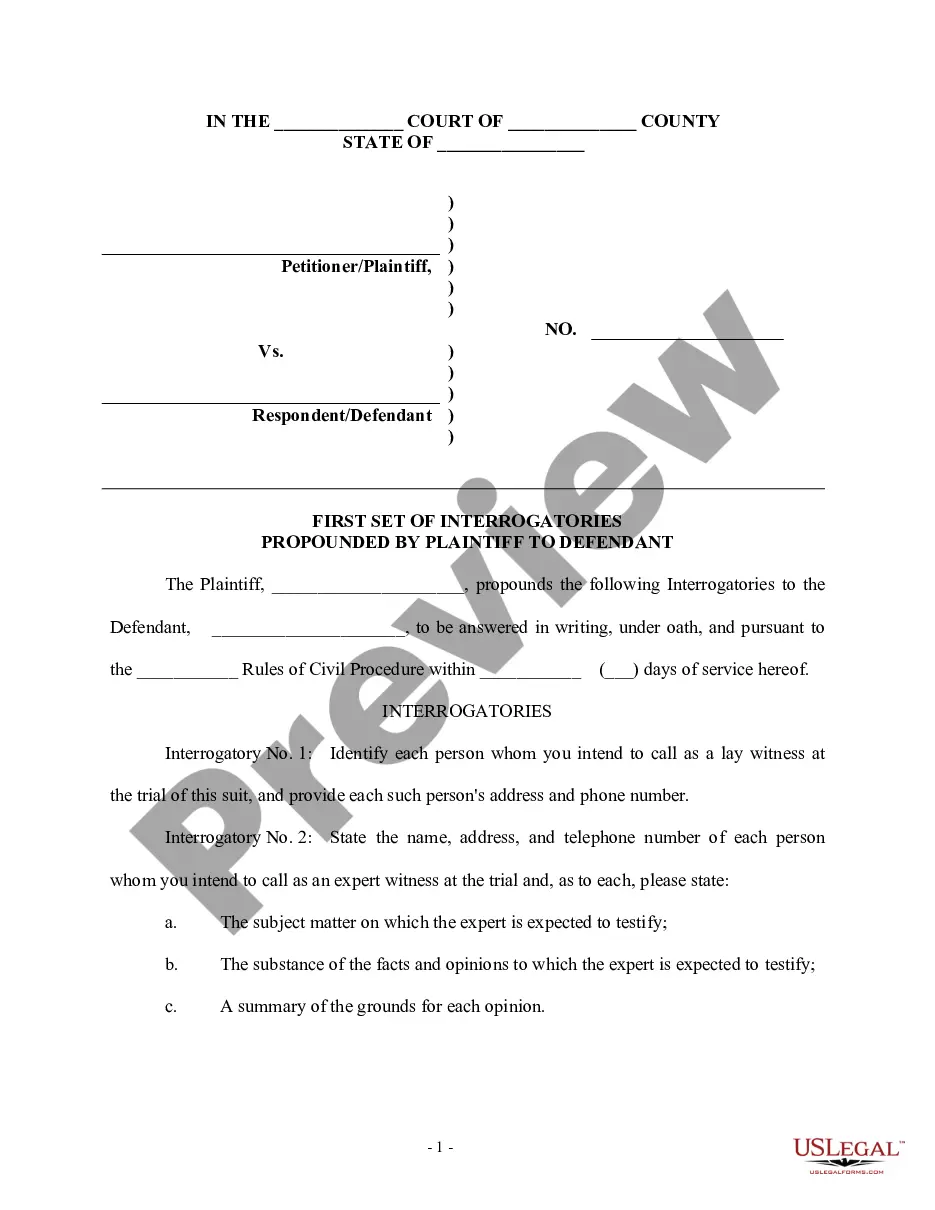


Get your form ready online
Our built-in tools help you complete, sign, share, and store your documents in one place.
Make edits, fill in missing information, and update formatting in US Legal Forms—just like you would in MS Word.
Download a copy, print it, send it by email, or mail it via USPS—whatever works best for your next step.
Sign and collect signatures with our SignNow integration. Send to multiple recipients, set reminders, and more. Go Premium to unlock E-Sign.
If this form requires notarization, complete it online through a secure video call—no need to meet a notary in person or wait for an appointment.
We protect your documents and personal data by following strict security and privacy standards.

Make edits, fill in missing information, and update formatting in US Legal Forms—just like you would in MS Word.

Download a copy, print it, send it by email, or mail it via USPS—whatever works best for your next step.

Sign and collect signatures with our SignNow integration. Send to multiple recipients, set reminders, and more. Go Premium to unlock E-Sign.

If this form requires notarization, complete it online through a secure video call—no need to meet a notary in person or wait for an appointment.

We protect your documents and personal data by following strict security and privacy standards.
Looking for another form?
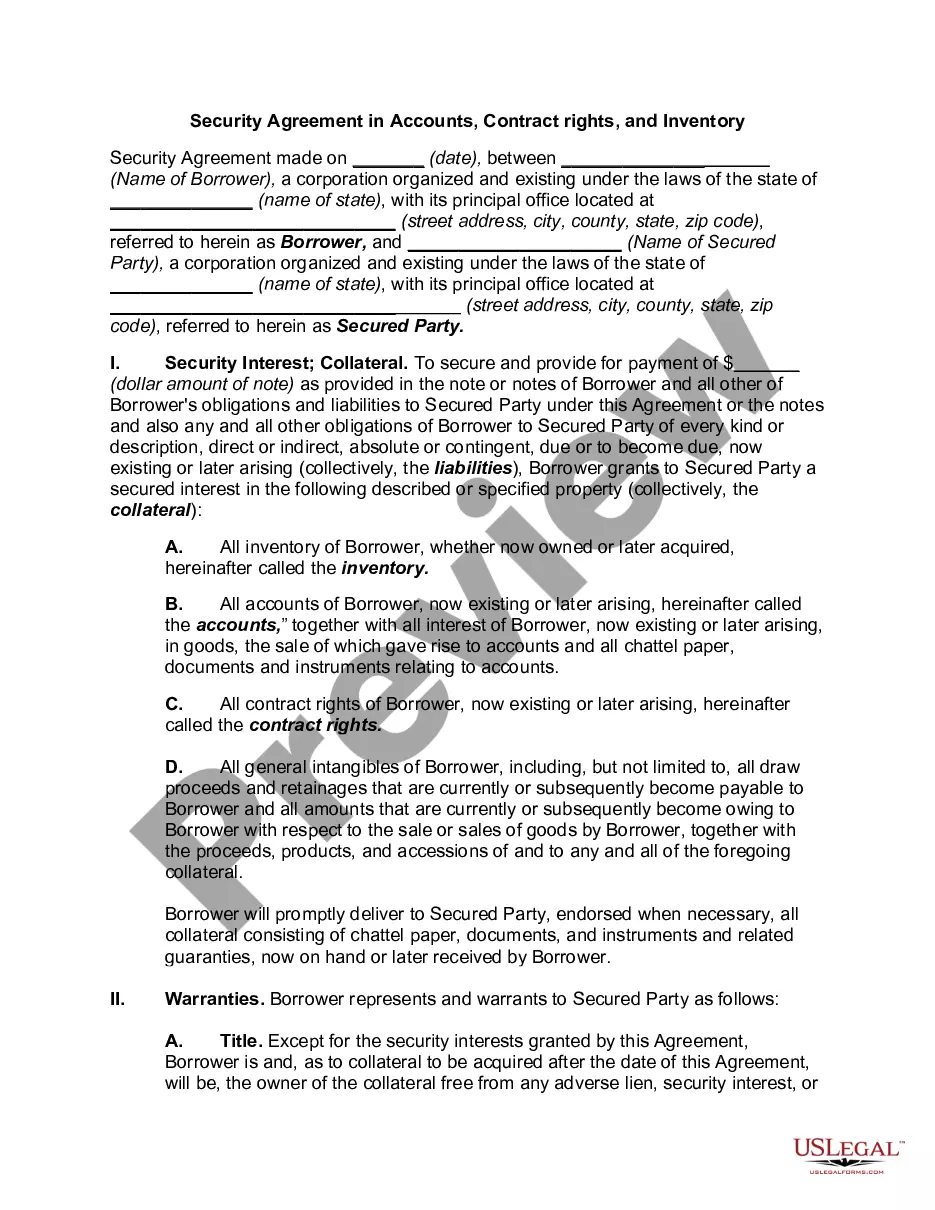
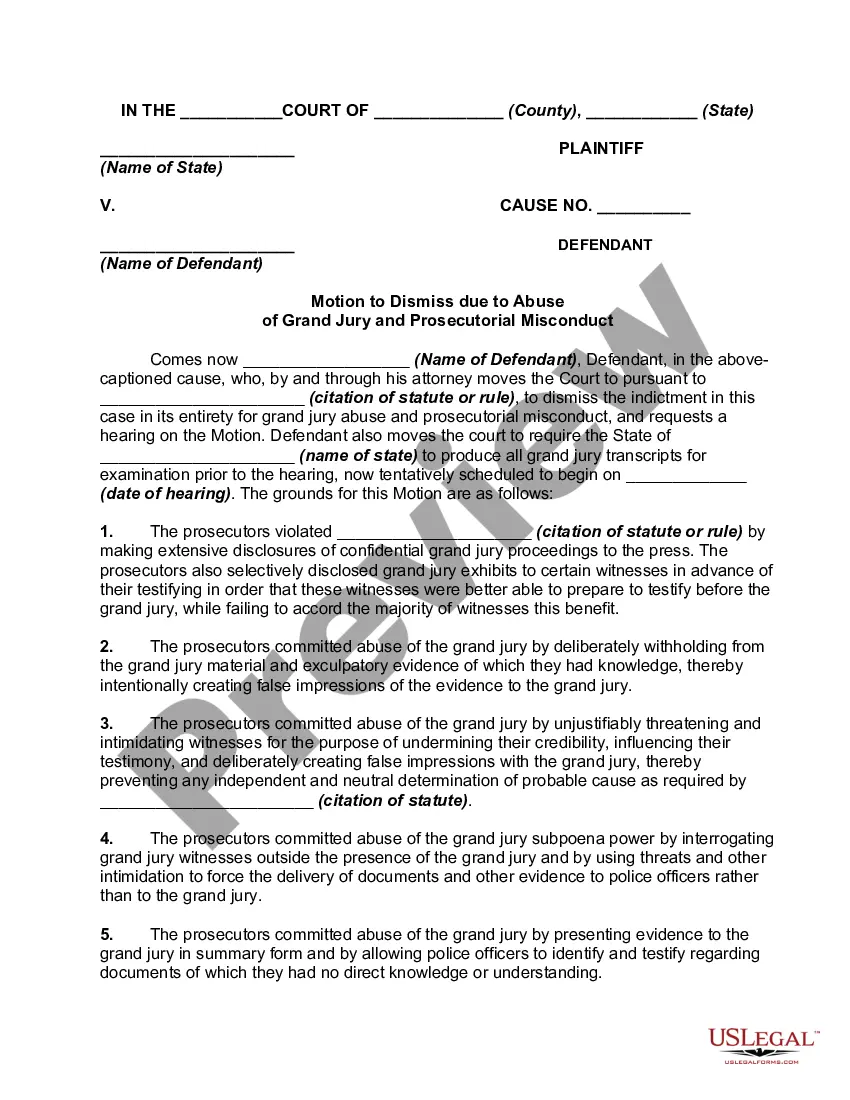
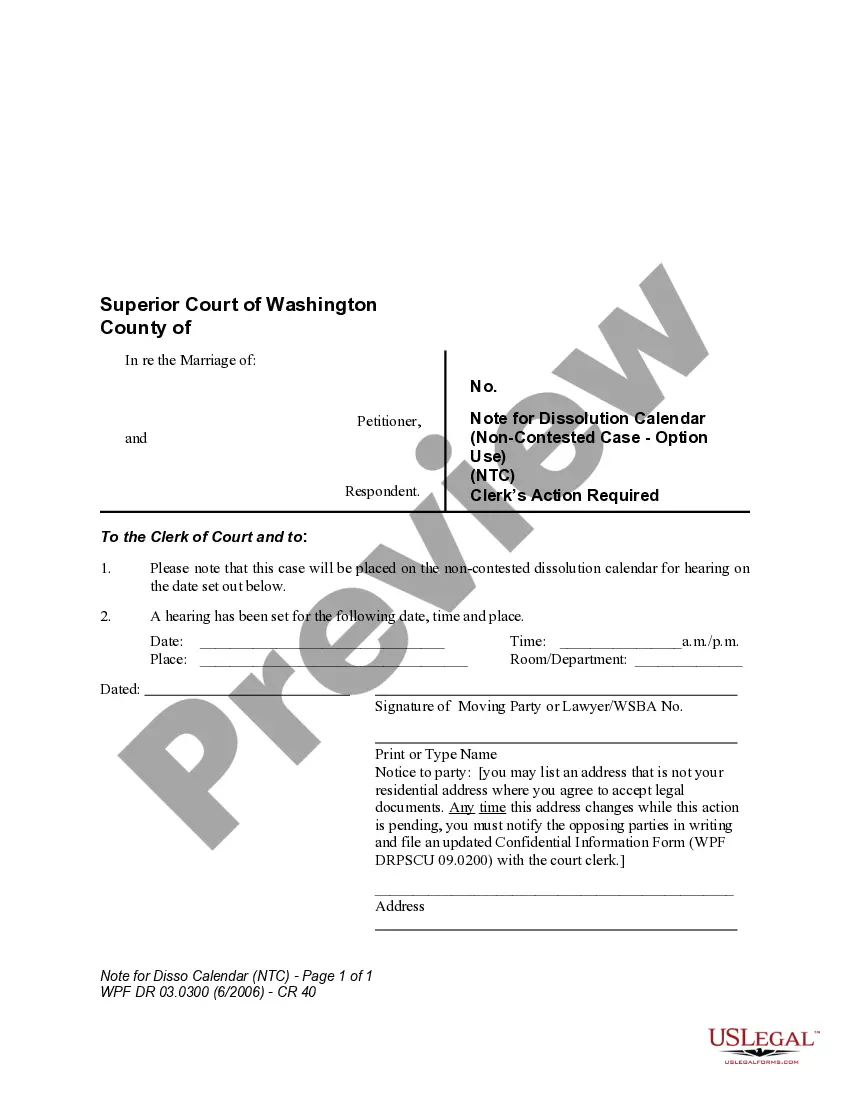



Form popularity
FAQ
Counsel and unrepresented parties shall make every effort to resolve discovery disputes by agreement prior to filing motions with the Court.
Guardianships. (A) All applications for the appointment of a guardian on the grounds of mental incompetency shall be accompanied by either a statement of a physician or clinical psychologist or a statement that the prospective ward has refused to submit to an examination.
13.01 By agreement of counsel any party may be permitted two leaves to move or plead provided the total extension of time does not exceed 28 days. That consent shall be evidenced by a "Consent to Plead" signed by all counsel and filed with the Clerk.
Clerical mistakes in judgments, orders or other parts of the record and errors therein arising from oversight or omission may be corrected by the court at any time on its own initiative or on the motion of any party and after such notice, if any, as the court orders.
Pretrial Order. Unless otherwise directed by the presiding judge, a pretrial order must be submitted to the presiding judge at least 14 days before the scheduled date for trial.
Within twenty days after service of interrogatories, the party upon whom they are served shall serve upon each of the parties a copy of the answer to each interrogatory, except one to which the party objects, in which event the reasons for the objection shall be stated with reasonable particularity.
“At the conclusion of other discovery and at least 30 days prior the discovery cut-off date,” parties may serve contention interrogatories (Comm'l Div. Rule 11-ad). Requests for admission are unlimited and can be served up to 20 days before trial; responses are due within 20 days (CPLR Section 3123a).
In some cases, the offense may not become known until a later date. In these instances, New York laws sometimes allow the statute of limitations period to commence on the date the injury is discovered or should reasonably have been discovered. This is known as the discovery rule.
Strict▪Timeline: The current statute does not require discovery to be complete until pretrial hearings or trial. Discovery reform, on the other hand, requires the prosecution to turn over all “discoverable” materials as soon as practicable, but no later than 15 days after arraignment.