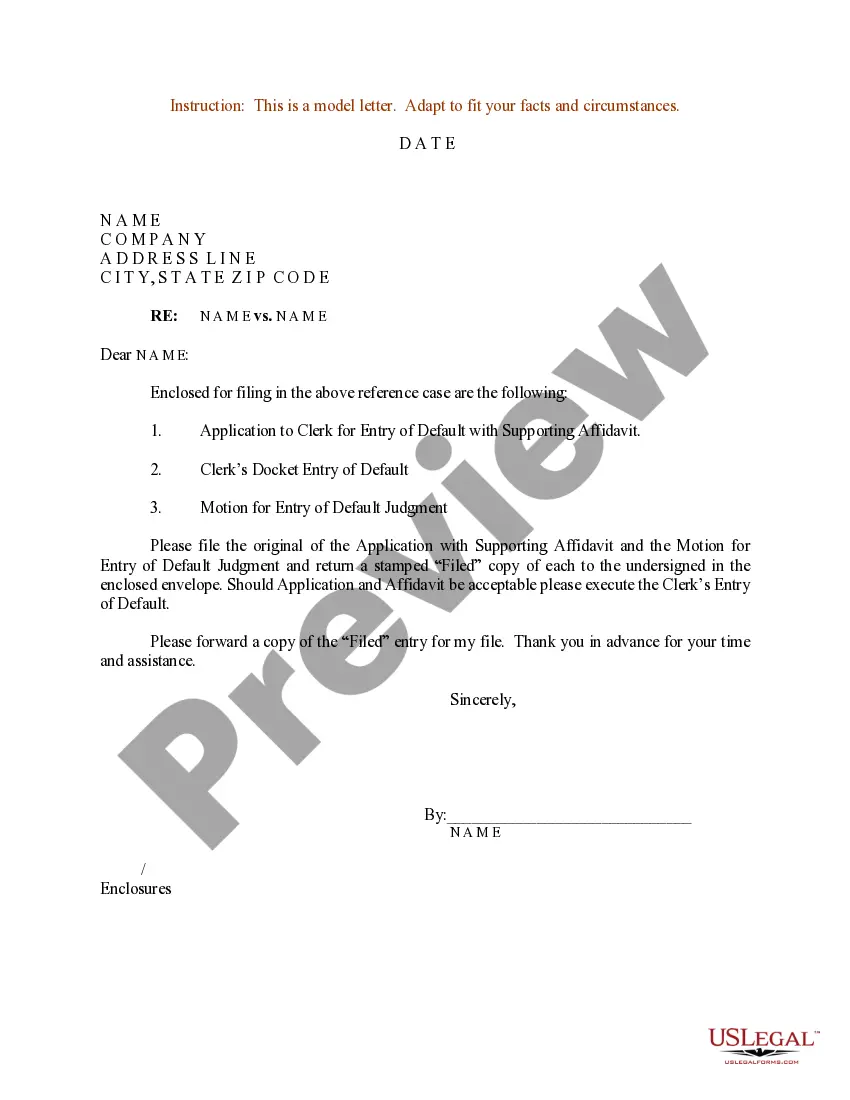
Service Notice By Email In Cook
Description

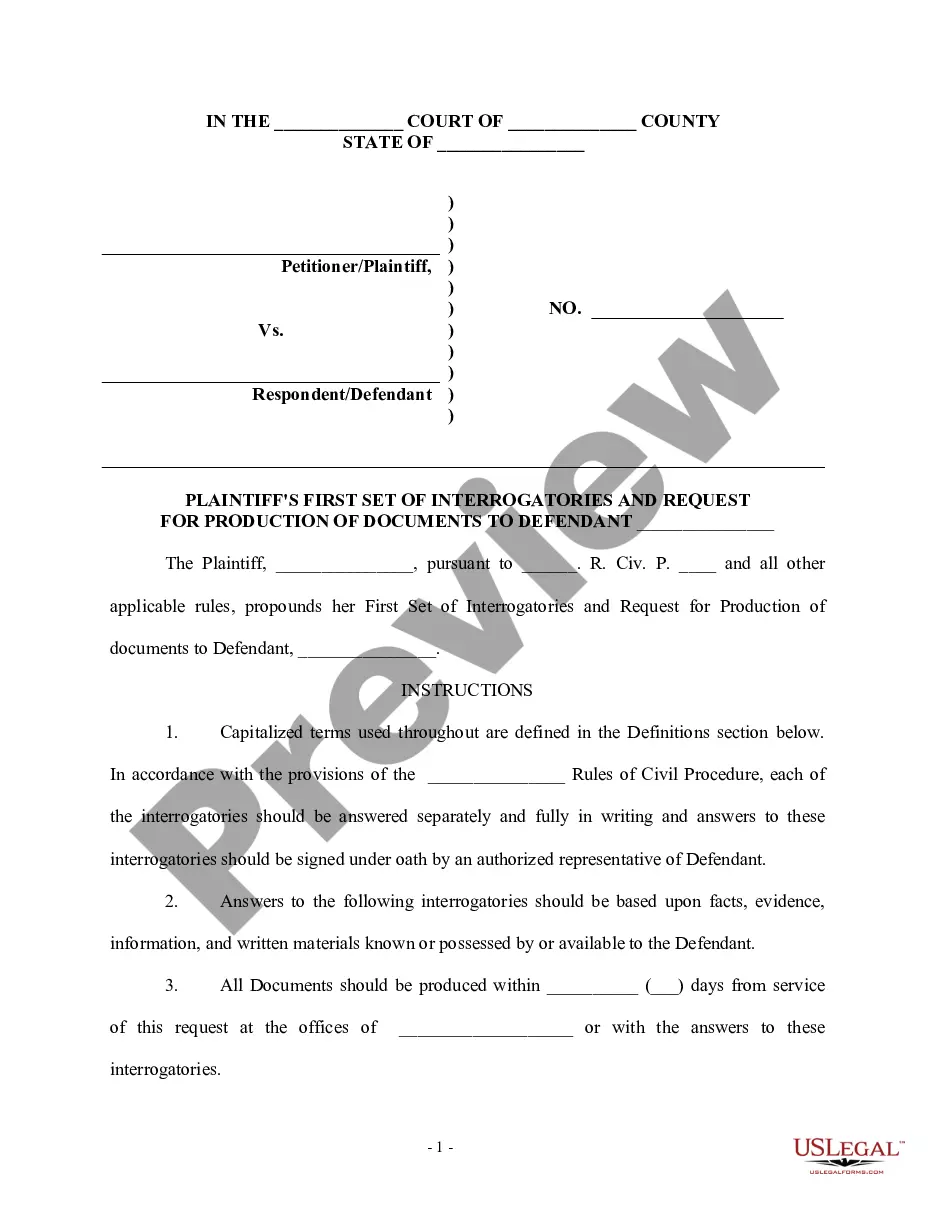
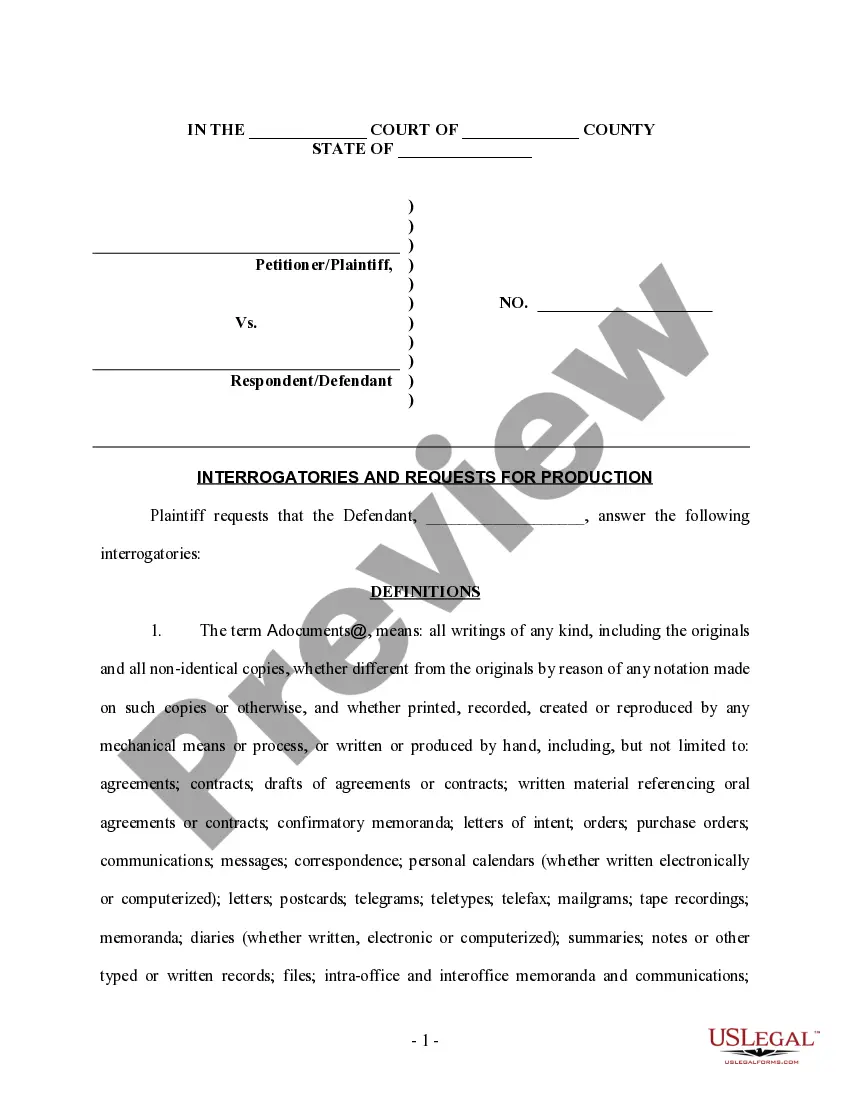
Get your form ready online
Our built-in tools help you complete, sign, share, and store your documents in one place.
Make edits, fill in missing information, and update formatting in US Legal Forms—just like you would in MS Word.
Download a copy, print it, send it by email, or mail it via USPS—whatever works best for your next step.
Sign and collect signatures with our SignNow integration. Send to multiple recipients, set reminders, and more. Go Premium to unlock E-Sign.
If this form requires notarization, complete it online through a secure video call—no need to meet a notary in person or wait for an appointment.
We protect your documents and personal data by following strict security and privacy standards.

Make edits, fill in missing information, and update formatting in US Legal Forms—just like you would in MS Word.

Download a copy, print it, send it by email, or mail it via USPS—whatever works best for your next step.

Sign and collect signatures with our SignNow integration. Send to multiple recipients, set reminders, and more. Go Premium to unlock E-Sign.

If this form requires notarization, complete it online through a secure video call—no need to meet a notary in person or wait for an appointment.

We protect your documents and personal data by following strict security and privacy standards.
Looking for another form?










Form popularity
FAQ
Courts may authorize service by e-mail under certain conditions, following rules and guidelines set forth in New York's Civil Practice Law and Rules (CPLR).
If it is not practical to serve the defendant in the traditional ways, a judge may order an electronic method of service. The judge must be satisfied that the defendant or respondent can get and read the summons and documents electronically.
Transcripts of digitally recorded court proceedings must be ordered and transcribed through the Office of Official Court Reporters: In Person: George Dunne Administration Building, Suite 1920. By Phone: (312) 603-8400.
The Notice of Motion shall designate the Judge to whom the Motion will be presented for hearing; shall show the title and number of the action, the title of the Motion, the date when the Motion will be presented, the time it will be presented, the courtroom where it will be presented, and the address of the Courthouse ...
Filing a Motion via E-filing You can e-file using a personal computer or at one of the public access eFile workstations offered at the Daley Center and in suburban courthouses. You must have an email address to e-file.
The court may serve any order or judgment by e-mail to all attorneys and parties not represented by an attorney who have not been excused from e-mail service. (2) When a final judgment is entered against a party in default, the court must mail a conformed copy of it to the party.
Under such circumstances, courts have held that service by e-mail alone comports with due process so long as the plaintiff establishes the e-mail is likely to reach the defendant and the record discloses diligent efforts by the plaintiff to obtain a physical address to effect traditional service, the defendant conducts ...
Filing a Motion via E-filing You can e-file using a personal computer or at one of the public access eFile workstations offered at the Daley Center and in suburban courthouses. You must have an email address to e-file.
§ 308 instructs how to serve process in New York State. Although it does not expressly include service by e-mail, case law is evolving so that service via e-mail is increasingly accepted by New York courts.
If you want to file a motion, the process is generally something like this: You write your motion. You file your motion with the court clerk. The court clerk inserts the date and time your motion will be heard by the judge. You “serve” (mail) your motion to the other side.