Notice Discovery Template With Time In Bronx
Description

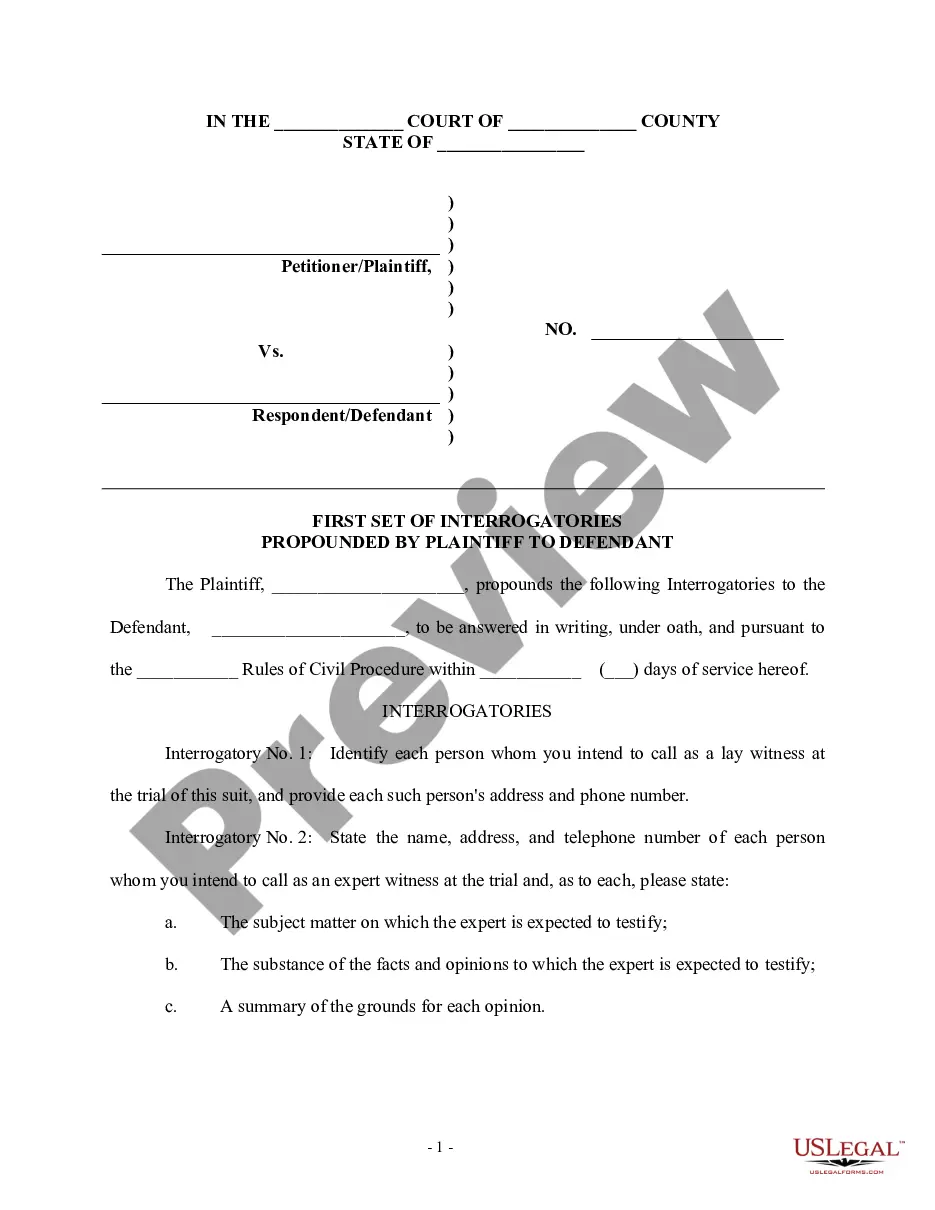

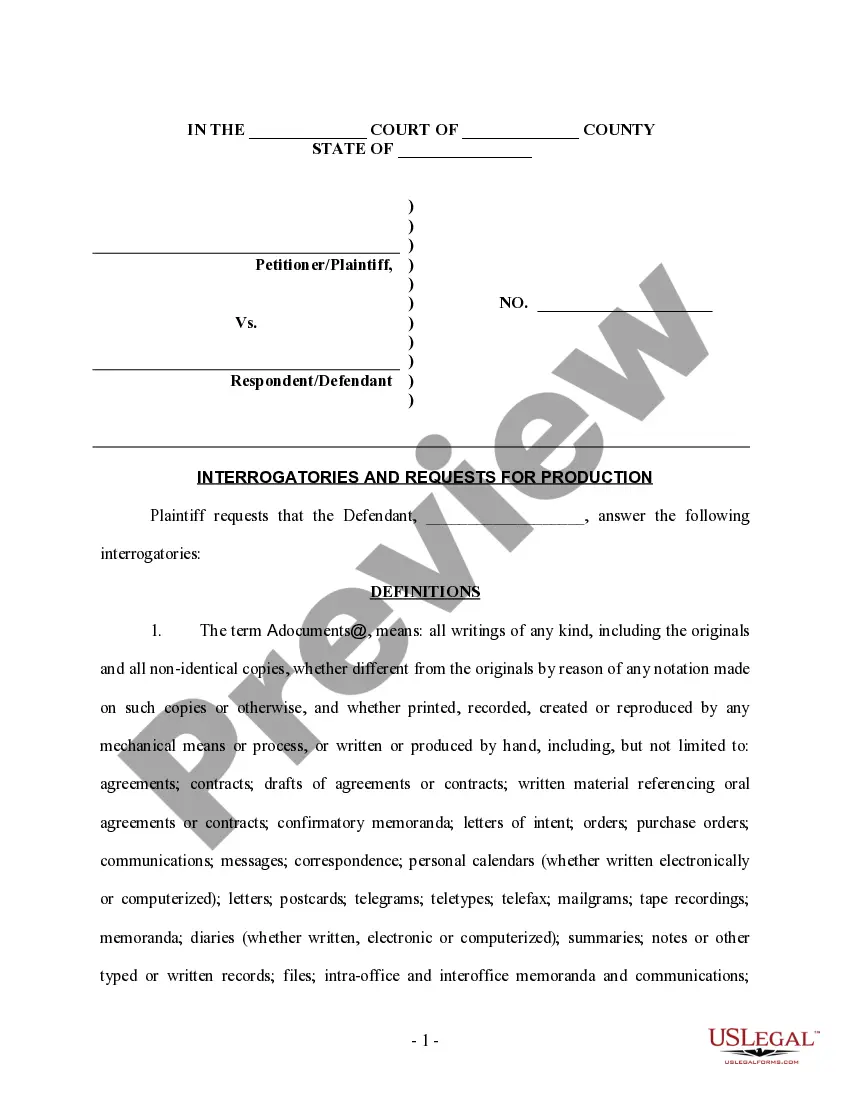
Get your form ready online
Our built-in tools help you complete, sign, share, and store your documents in one place.
Make edits, fill in missing information, and update formatting in US Legal Forms—just like you would in MS Word.
Download a copy, print it, send it by email, or mail it via USPS—whatever works best for your next step.
Sign and collect signatures with our SignNow integration. Send to multiple recipients, set reminders, and more. Go Premium to unlock E-Sign.
If this form requires notarization, complete it online through a secure video call—no need to meet a notary in person or wait for an appointment.
We protect your documents and personal data by following strict security and privacy standards.

Make edits, fill in missing information, and update formatting in US Legal Forms—just like you would in MS Word.

Download a copy, print it, send it by email, or mail it via USPS—whatever works best for your next step.

Sign and collect signatures with our SignNow integration. Send to multiple recipients, set reminders, and more. Go Premium to unlock E-Sign.

If this form requires notarization, complete it online through a secure video call—no need to meet a notary in person or wait for an appointment.

We protect your documents and personal data by following strict security and privacy standards.
Looking for another form?





Form popularity
FAQ
For example, a discovery demand might be for production of the names of witnesses, witness statements, information about evidence, a request for opportunity to inspect tangible evidence, and for any reports prepared by expert witnesses who will testify at trial.
This Stipulation to Extend Time (NY) is a standard form that attorneys can use to extend most deadlines in a civil action in New York Supreme Court. The stipulation extends the applicable deadline on consent without prior permission from the court.
There are four main types of discovery requests: (1) depositions; (2) interrogatories; (3) requests for admissions; and (4) requests for the production of documents. Depositions are formal witness interviews.
You use discovery to find out things like: What the other side plans to say about an issue in your case. What facts or witnesses support their side. What facts or witnesses support your side. What information or documents could be used as evidence.
You use discovery to get information or evidence from the other side in a lawsuit that will help you make your case. In order to get the information you need, you must make a request using a specific procedure and written format, within a specific timeframe.
You have 30 days to serve a written response to document requests, but you may ask the other party for more time. If the other party declines, you may write to the judge to ask for an extension of time.
You have 30 days to respond to interrogatories, but you may ask the other party for more time. If the other party declines, you may write to the judge to ask for an extension of time. You must answer each interrogatory separately and fully in writing and under oath.
In some cases, the offense may not become known until a later date. In these instances, New York laws sometimes allow the statute of limitations period to commence on the date the injury is discovered or should reasonably have been discovered. This is known as the discovery rule.
(3) Answers, objections or other responses to discovery requests shall be served within twenty-eight days after service of such requests unless the board orders or the parties agree to a different period of time.
Standard Timeframe in NY: Under NY CPLR 3130, a party may serve written interrogatories upon another party after the commencement of an action. Typically, the recipient has 30 days from the date of service to respond.