Corporate Insolvency Resolution Process With Example In Pennsylvania
Description

Get your form ready online
Our built-in tools help you complete, sign, share, and store your documents in one place.
Make edits, fill in missing information, and update formatting in US Legal Forms—just like you would in MS Word.
Download a copy, print it, send it by email, or mail it via USPS—whatever works best for your next step.
Sign and collect signatures with our SignNow integration. Send to multiple recipients, set reminders, and more. Go Premium to unlock E-Sign.
If this form requires notarization, complete it online through a secure video call—no need to meet a notary in person or wait for an appointment.
We protect your documents and personal data by following strict security and privacy standards.

Make edits, fill in missing information, and update formatting in US Legal Forms—just like you would in MS Word.

Download a copy, print it, send it by email, or mail it via USPS—whatever works best for your next step.

Sign and collect signatures with our SignNow integration. Send to multiple recipients, set reminders, and more. Go Premium to unlock E-Sign.

If this form requires notarization, complete it online through a secure video call—no need to meet a notary in person or wait for an appointment.

We protect your documents and personal data by following strict security and privacy standards.
Looking for another form?






Form popularity
FAQ
An assignment for the benefit of creditors (ABC) is a business liquidation device available to an insolvent debtor as an alternative to formal bankruptcy proceedings. In many instances, an ABC can be the most advantageous and graceful exit strategy.
The Corporate Insolvency Resolution Process ('CIRP') is a recovery mechanism for the creditors of a corporate debtor. A corporate debtor means a company or Limited Liability Partnership ('LLP') that owes a debt to its creditors.
The Corporate Insolvency Resolution Process ('CIRP') is a recovery mechanism for the creditors of a corporate debtor. A corporate debtor means a company or Limited Liability Partnership ('LLP') that owes a debt to its creditors.
CIRP is the process through which it is determined whether the person who has defaulted is capable of repayment or not (IRPs will evaluate the assets and liabilities to determine the repayment capability). If a person is not capable of repaying the debt the company is restructured or liquidated.
Insolvency procedures generally require two elements. The first is a legal framework that sets forth the rights and obligations of participants, both substantively and procedurally. The second is an institutional framework that will implement these rights and obligations.
The following is the processes for resolution or liquidation of corporate which are as follows : Step 1: Application To The NCLT. Step 2: Appointment of Interim insolvency Resolution Professional. Step 3: Moratorium. Step 4: Verification and analysis of claims. Step 5: Appointment of the resolution professional.
The Corporate Insolvency Resolution Process (CIRP) is a recovery mechanism made available to creditors as under the Insolvency and Bankruptcy Code (IBC). In case, a corporate entity becomes insolvent (unable to repay debt), the concerned creditor or the corporate entity (the debtor) itself, may initiate CIRP.
CIRP is the process through which it is determined whether the person who has defaulted is capable of repayment or not (IRPs will evaluate the assets and liabilities to determine the repayment capability). If a person is not capable of repaying the debt the company is restructured or liquidated.
The BCL contains the statutory basis for the formation and administration of business entities, such as profit and nonprofit corporations, limited partnerships, and limited liability companies.
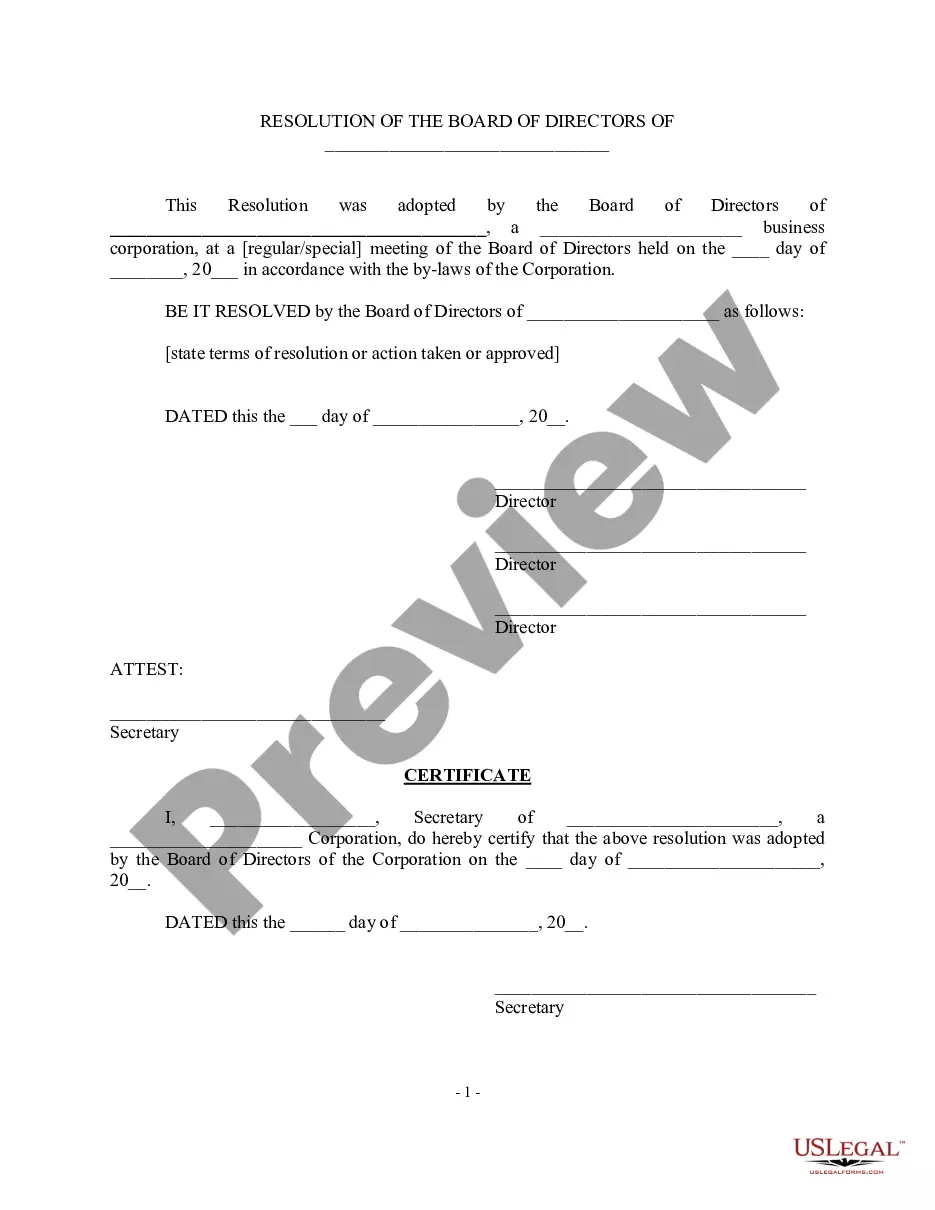
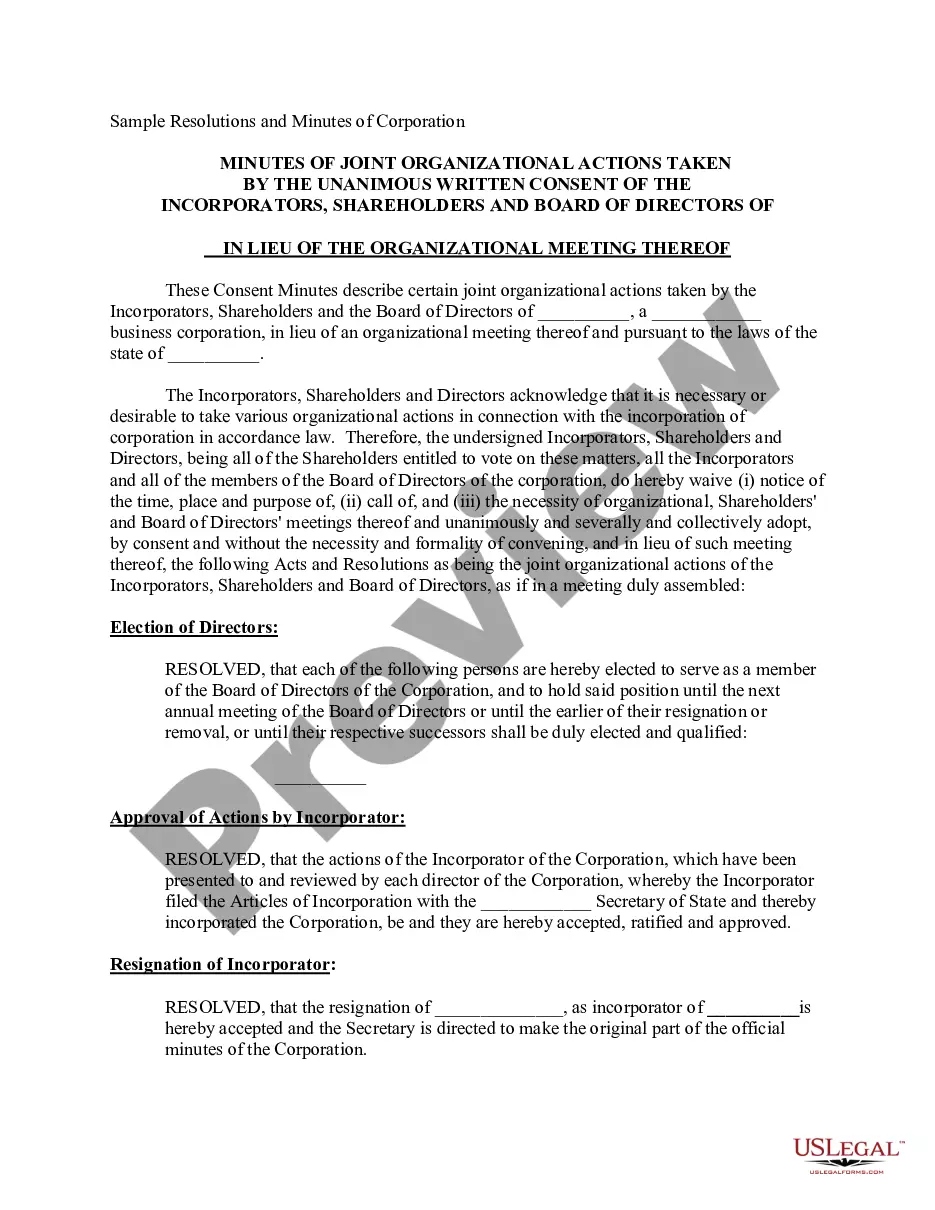
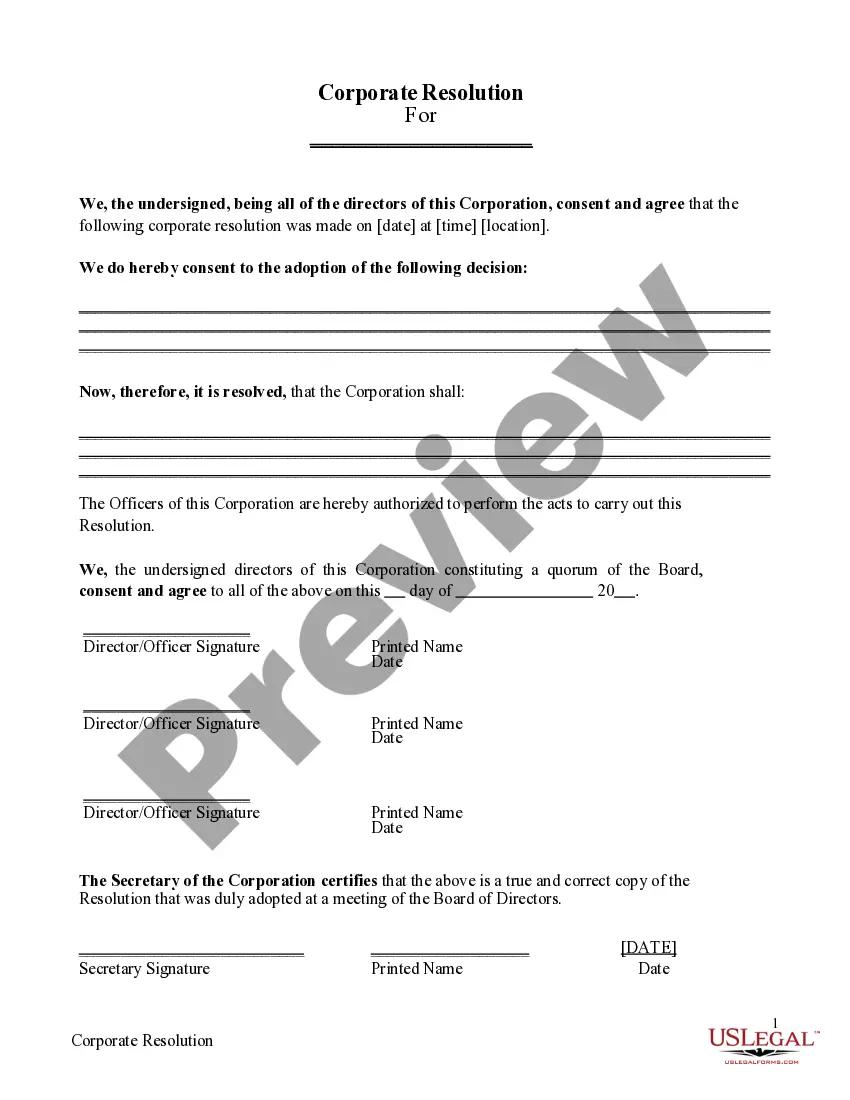
(b) Action by consent. --Unless otherwise restricted in the bylaws, any action required or permitted to be approved at a meeting of the directors may be approved without a meeting by a consent or consents to the action in record form.