Single Member Llc Corporate Resolution Template For California In Oakland
Description
Get your form ready online
Our built-in tools help you complete, sign, share, and store your documents in one place.
Make edits, fill in missing information, and update formatting in US Legal Forms—just like you would in MS Word.
Download a copy, print it, send it by email, or mail it via USPS—whatever works best for your next step.
Sign and collect signatures with our SignNow integration. Send to multiple recipients, set reminders, and more. Go Premium to unlock E-Sign.
If this form requires notarization, complete it online through a secure video call—no need to meet a notary in person or wait for an appointment.
We protect your documents and personal data by following strict security and privacy standards.

Make edits, fill in missing information, and update formatting in US Legal Forms—just like you would in MS Word.

Download a copy, print it, send it by email, or mail it via USPS—whatever works best for your next step.

Sign and collect signatures with our SignNow integration. Send to multiple recipients, set reminders, and more. Go Premium to unlock E-Sign.

If this form requires notarization, complete it online through a secure video call—no need to meet a notary in person or wait for an appointment.

We protect your documents and personal data by following strict security and privacy standards.
Looking for another form?







Form popularity
FAQ
As mentioned, any LLC member can propose a resolution, but all members have to vote on it. The majority of LLC members must vote in favor of the resolution to pass it, but every LLC can have its own voting rules. For example, some LLCs may assign different values to different member votes.
Every corporation in the United States is, by default, taxed as a C corp unless it has elected to be taxed as an S corp instead. A single-member LLC is by default taxed as a sole proprietor. And a multi-member LLC is taxed as a partnership unless it elects to be taxed as an S corp.
An LLC will file one of the following returns, depending on the situation: Single-member LLCs: Form 1040 (Schedule C, E, or F) Multiple-member LLCs (Partnership): Form 1065. S Corporation: Form 1120-S.
All domestic corporations must file tax form 1120, even if they don't have taxable income. Corporations exempt under section 501 (see below) do not need to file tax Form 1120.
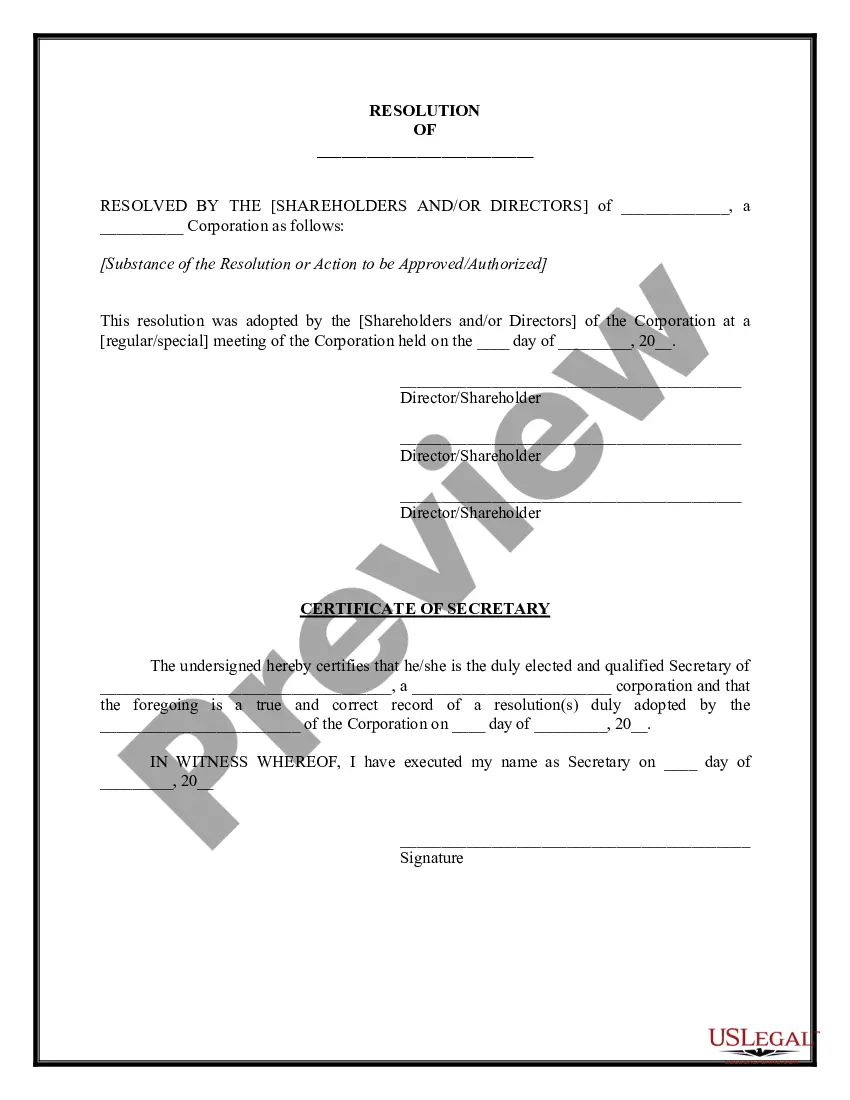
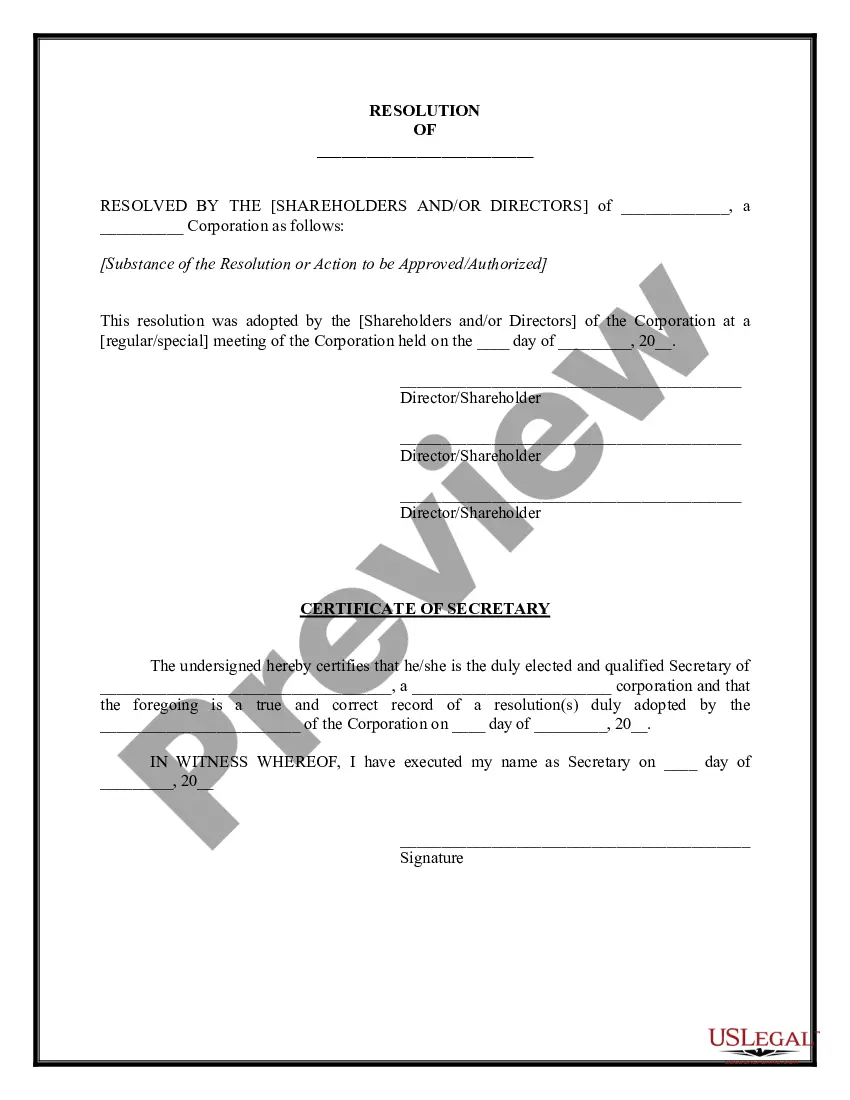
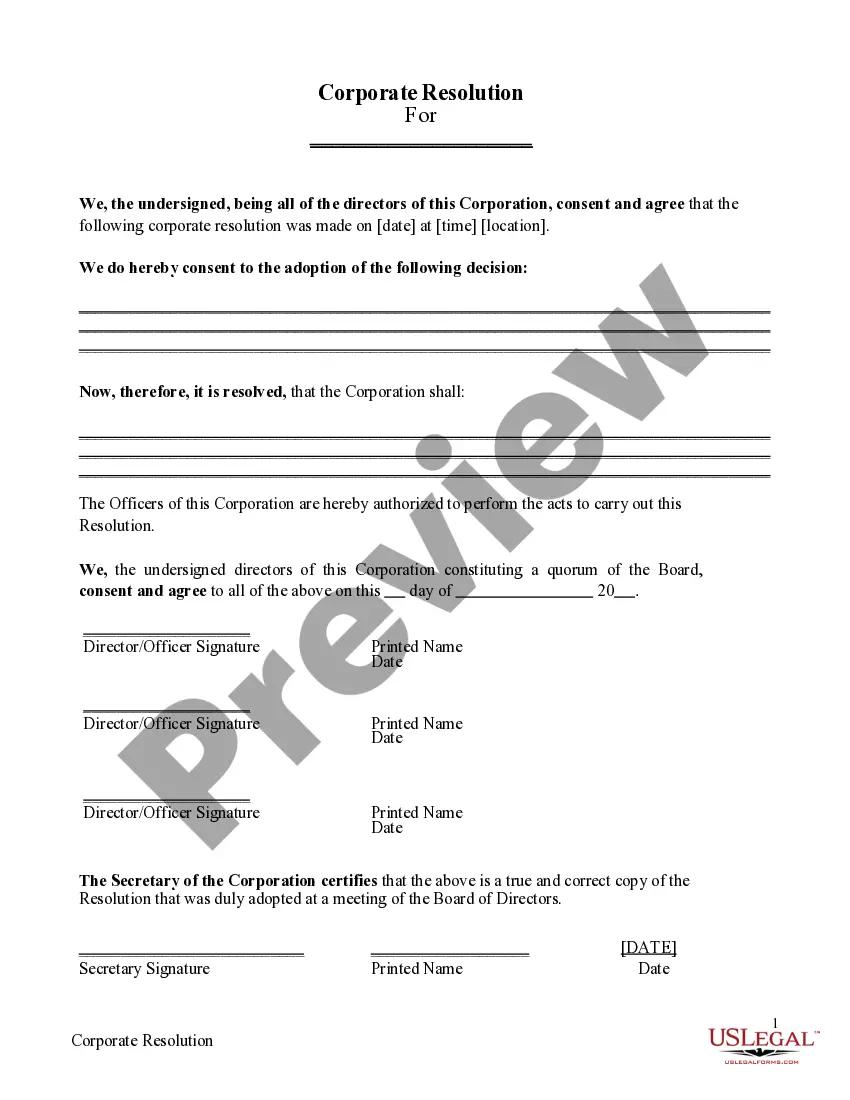
Single-member LLCs do not need resolutions, but they can still come in handy in certain situations, like if the company must defend itself in court. Documenting changes or actions not covered in the original bylaws or articles of incorporation can help an LLC protect itself from lawsuits or judicial investigations.
Sole proprietorship By default, single-member LLCs are disregarded entities for tax purposes. This means that there is no distinction between the business and its owner. A single-member LLC does not require the preparation of a separate tax return for its business.
An LLC that has one member will be classified as a “disregarded entity.” A disregarded entity is one that is disregarded as an entity separate from its owner. An entity that has more than one member will be classified as a partnership.
While a single member LLC does not file California Form 565, they must file California Form 568 which provides details about the LLC. Per the CA FTB Limited Liability Company (LLC) website: If your LLC has one owner, you're a single member limited liability company (SMLLC).
Yes, a single-member LLC should open a separate business checking account or savings account to prevent mixing their business funds with their personal funds. This helps protect their personal assets from legal action.
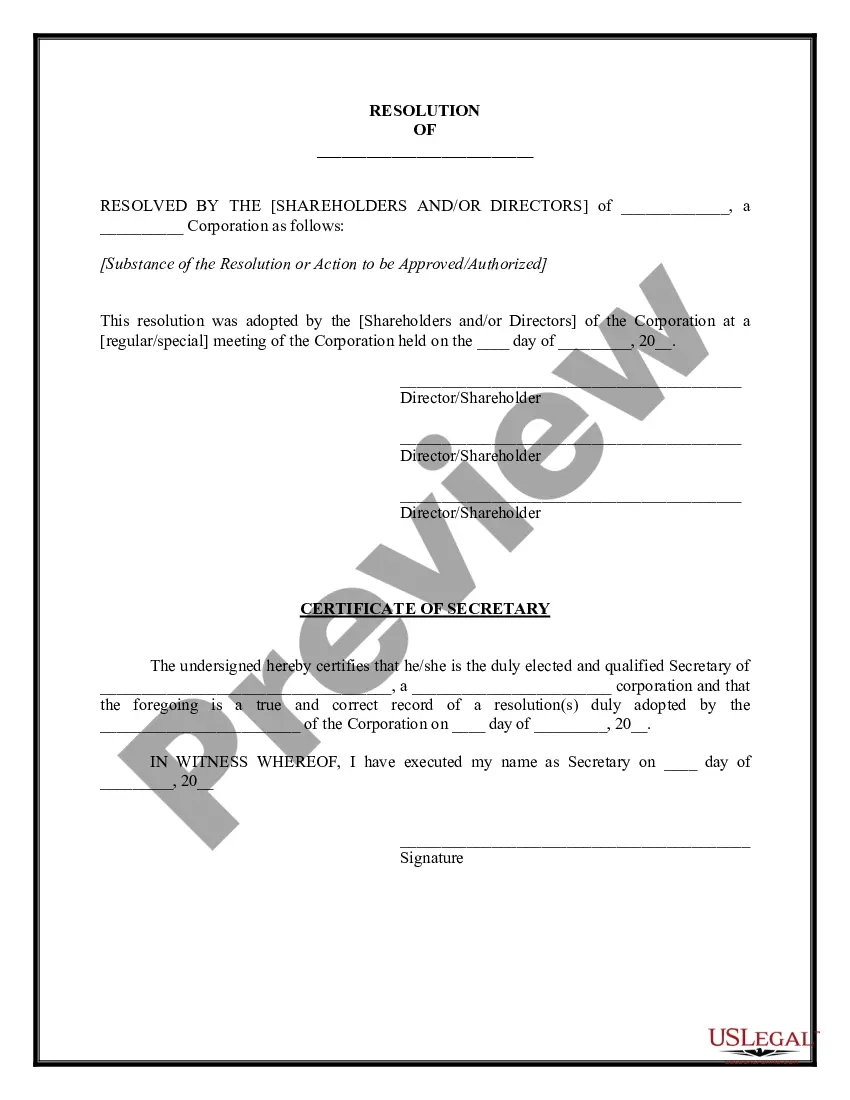
Because corporate resolutions are subject to state laws, it's vital that they are legally compliant. You can get started creating your corporate resolution with the help of a qualified attorney. A legal professional can ensure that you include all the necessary components and let you know if you need to make revisions.