Nonprofit Resolution Template For Nonprofit Organizations In Pima
Description
Get your form ready online
Our built-in tools help you complete, sign, share, and store your documents in one place.
Make edits, fill in missing information, and update formatting in US Legal Forms—just like you would in MS Word.
Download a copy, print it, send it by email, or mail it via USPS—whatever works best for your next step.
Sign and collect signatures with our SignNow integration. Send to multiple recipients, set reminders, and more. Go Premium to unlock E-Sign.
If this form requires notarization, complete it online through a secure video call—no need to meet a notary in person or wait for an appointment.
We protect your documents and personal data by following strict security and privacy standards.

Make edits, fill in missing information, and update formatting in US Legal Forms—just like you would in MS Word.

Download a copy, print it, send it by email, or mail it via USPS—whatever works best for your next step.

Sign and collect signatures with our SignNow integration. Send to multiple recipients, set reminders, and more. Go Premium to unlock E-Sign.

If this form requires notarization, complete it online through a secure video call—no need to meet a notary in person or wait for an appointment.

We protect your documents and personal data by following strict security and privacy standards.
Looking for another form?
Form popularity
FAQ
Traditionally, when starting a nonprofit, the best choice for legal structure is to form a nonprofit corporation at the state level and to apply for 501(c)(3) tax exemption at the federal level.
Traditionally, when starting a nonprofit, the best choice for legal structure is to form a nonprofit corporation at the state level and to apply for 501(c)(3) tax exemption at the federal level.
Use emotional language: Use powerful, emotionally charged language to help your prospects empathize with the story they're reading. This can inspire a sense of urgency and drive readers to make their own gift. Smartblogger has a great list of power words that you can use when writing your testimonials.
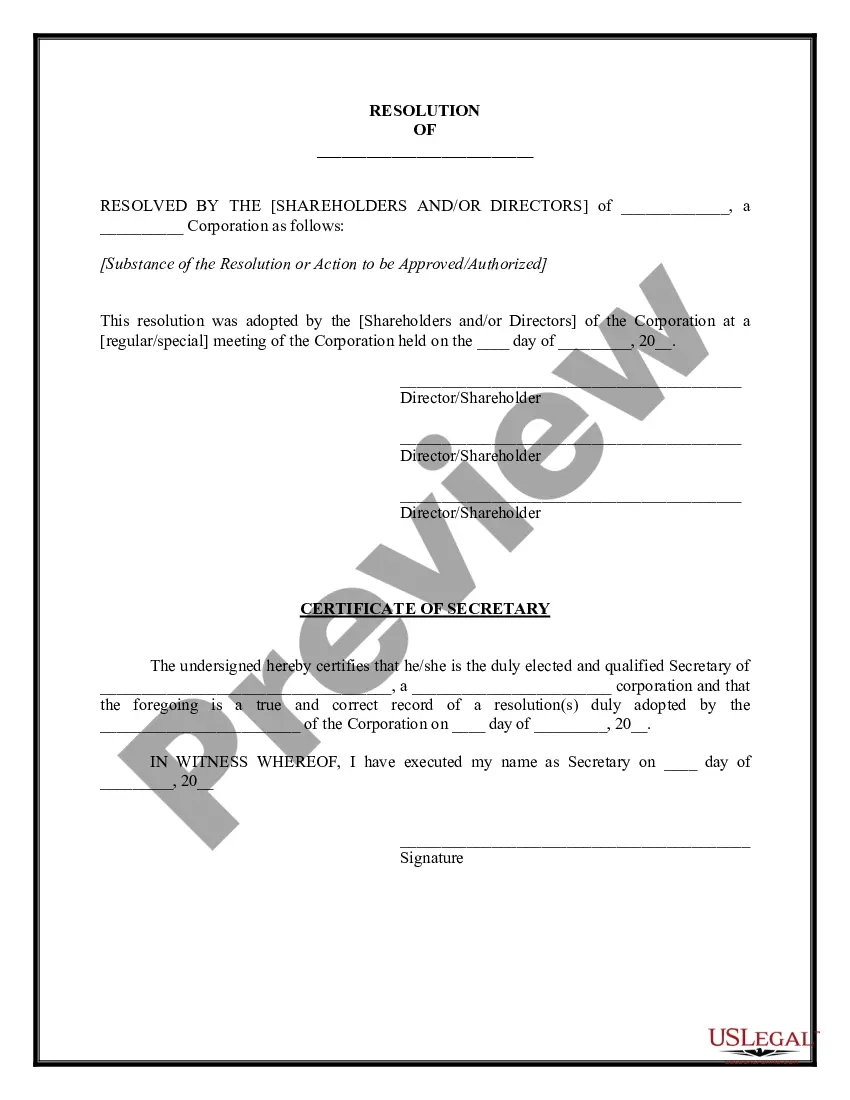
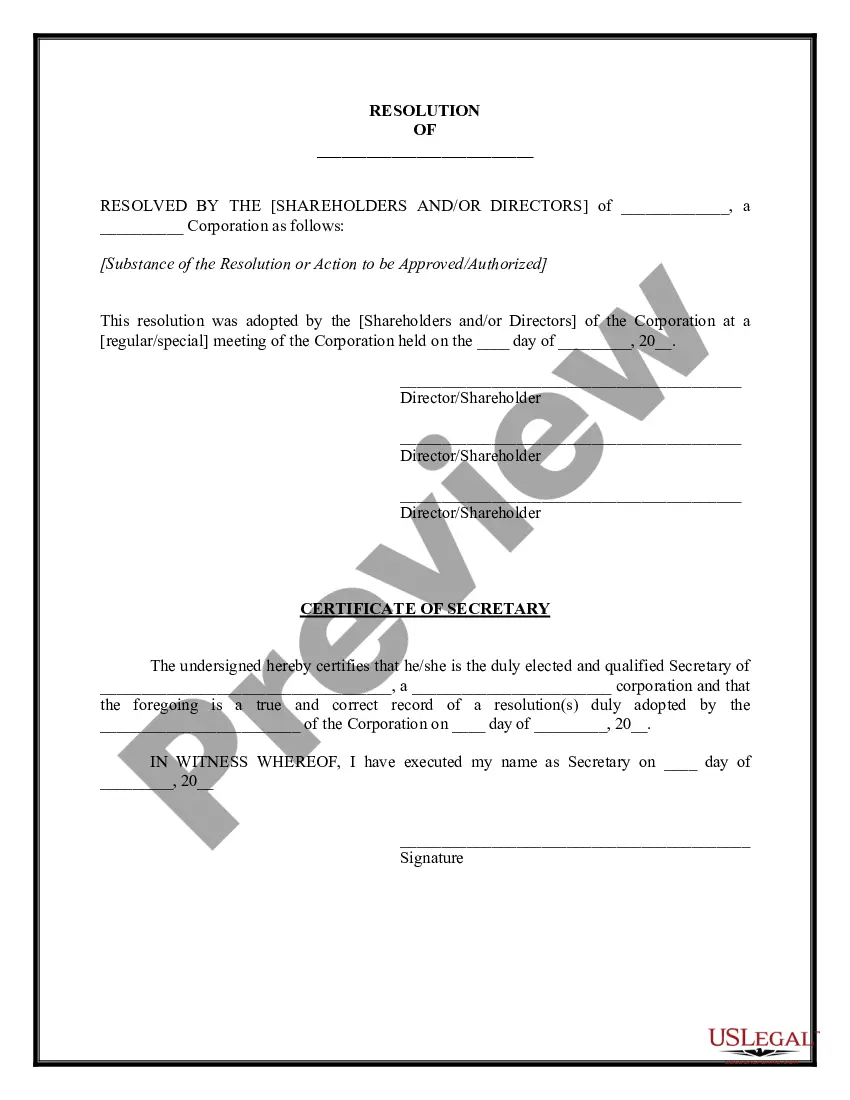
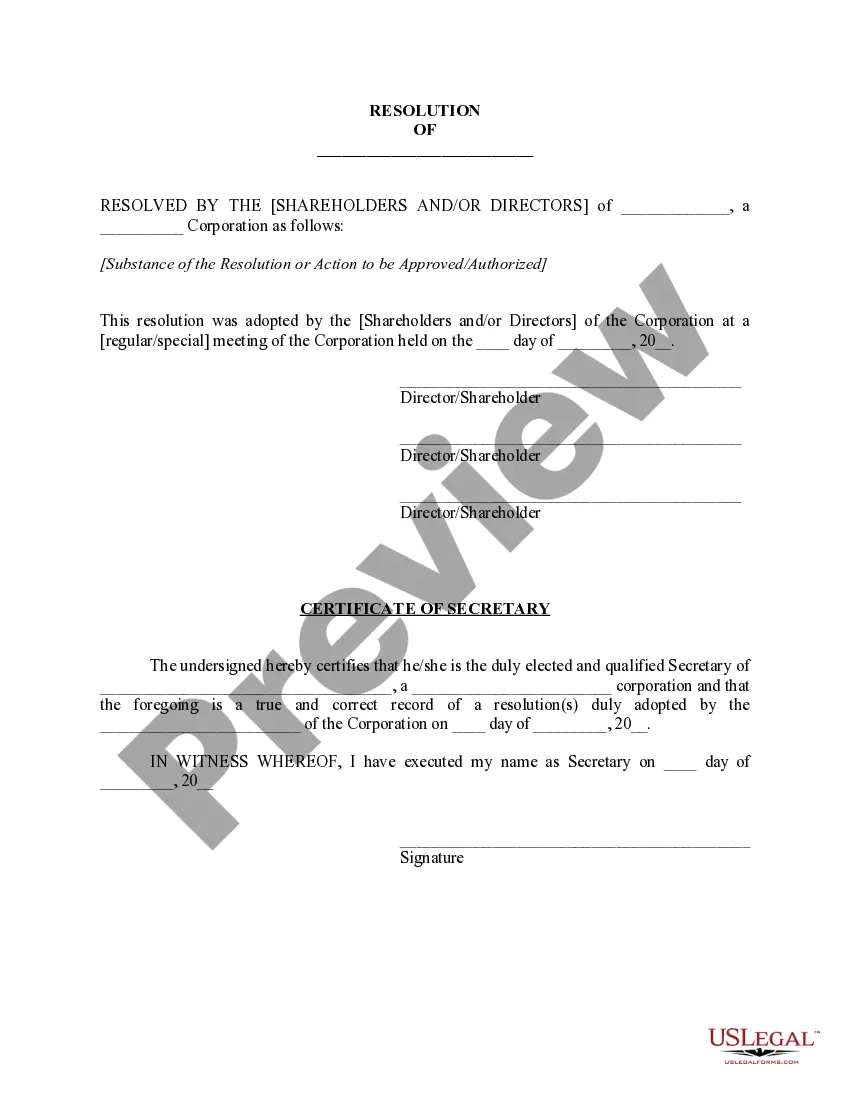
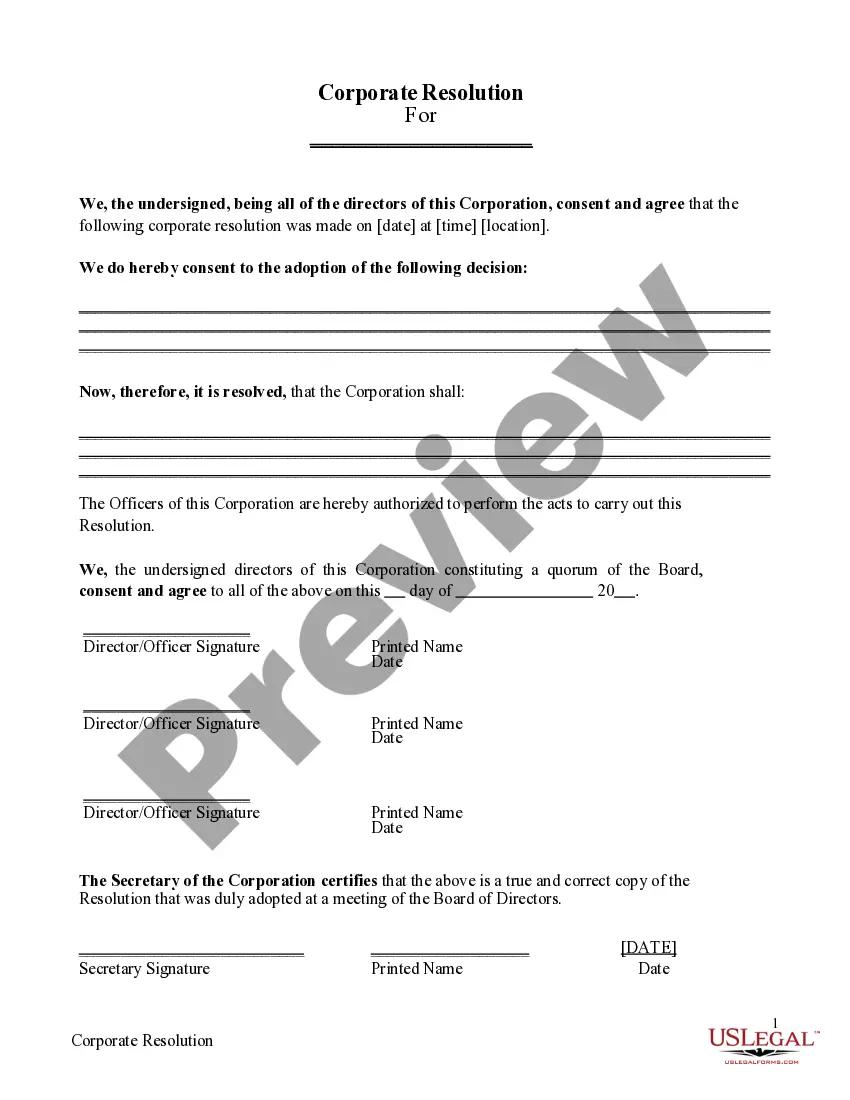
What Are the Components of a Nonprofit Board Resolution Template? The board meeting date. The number of the resolution. A title of the resolution. The resolution itself (what is being voted on) The name and vote of each voting member of the board. The Chairperson's name and signature.
A board of directors, also known as a nonprofit board, is the governing body of a nonprofit. The members of a nonprofit board focus on the high-level strategy, oversight, and accountability of the organization. This contrasts with employees or managers who oversee the day-to-day operations of the nonprofit.
Each nonprofit organization's structure is a little different, but they all have three core elements: governance, administration, and programs. Within these areas, there will be multiple functions, and all the work should contribute to advancing the nonprofit's mission.
An incorporated charity, as mentioned above, is recognised as a legal form (like a company). This means it can own property and sign contracts in the charity name. Incorporation is beneficial as it gives trustees greater protection from being personally liable.
The title of the resolution must appropriately reflect the intent. Resolutions begin with "Whereas" statements, which provides the basic facts and reasons for the resolution, and conclude with "Resolved" statements which, identifies the specific proposal for the requestor's course of action.
Corporate resolution examples include everything from authorizations for financial transactions and mergers to partnership approval, adoption of new bylaws, and executive compensation decisions.
