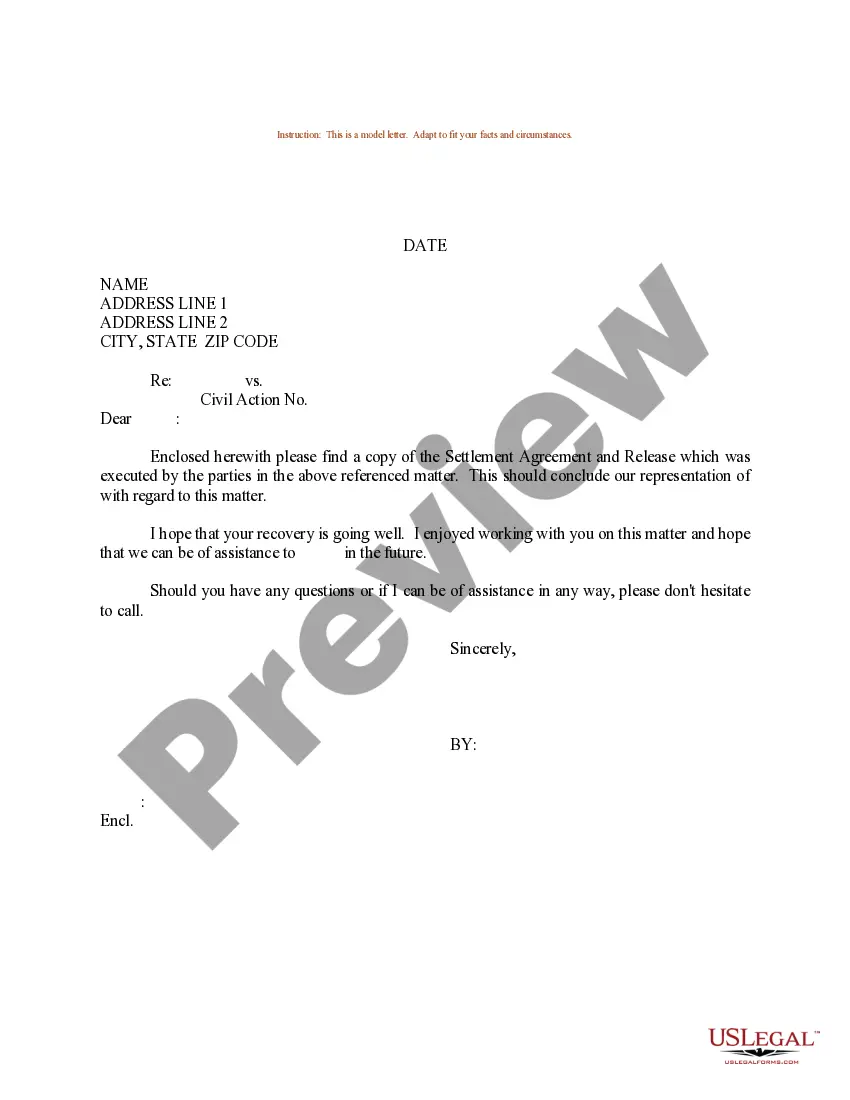
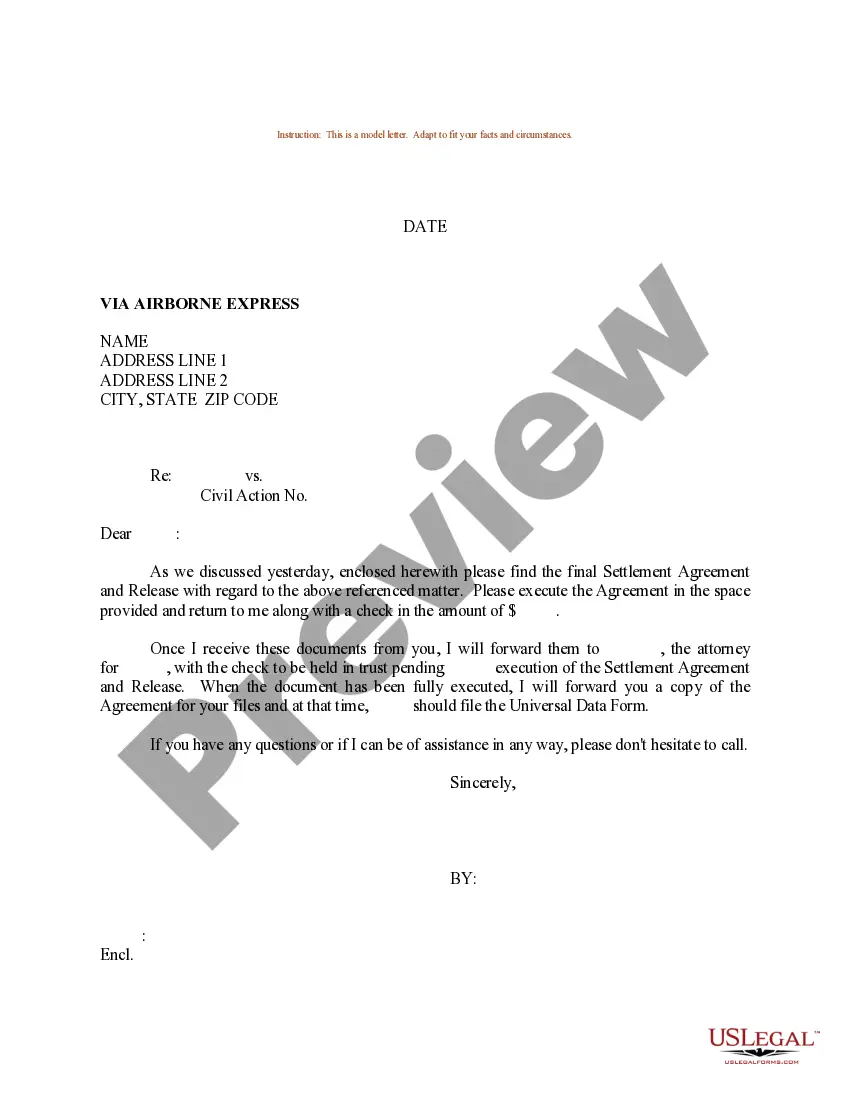
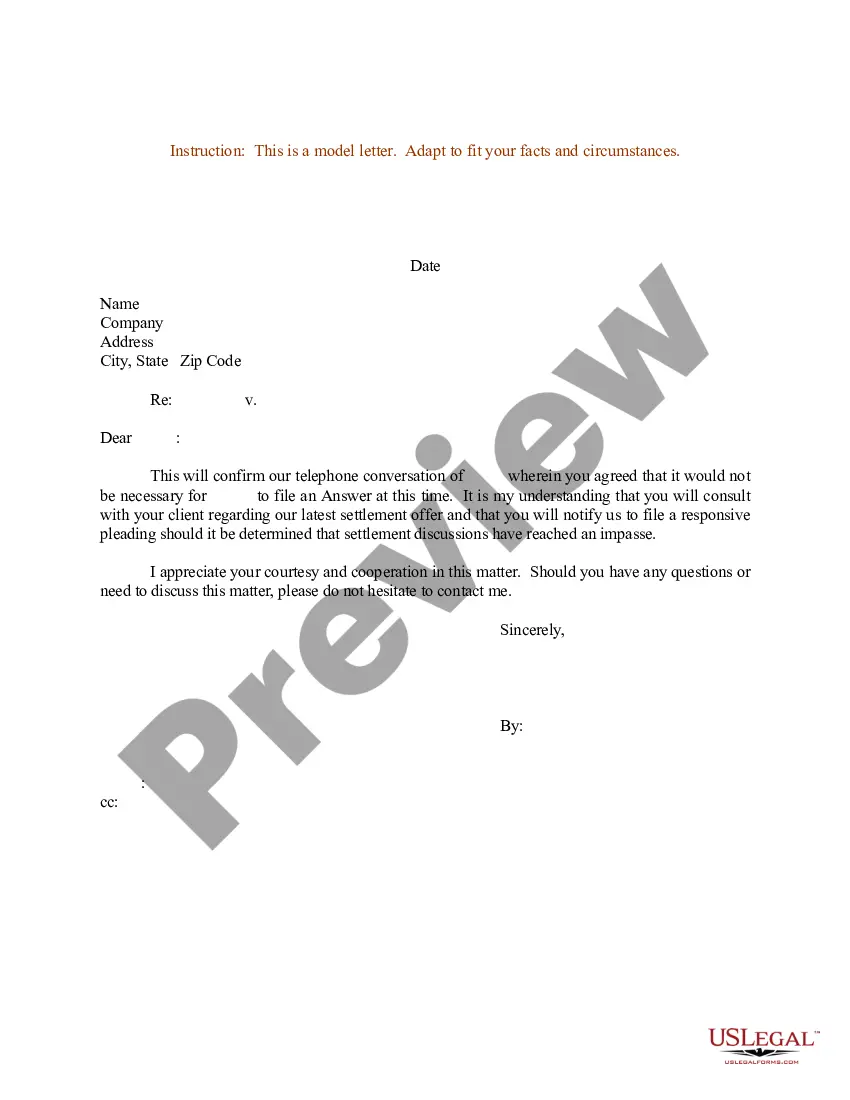
Settlement Confirmation Letter With Salary Requirements In Travis
Description


Get your form ready online
Our built-in tools help you complete, sign, share, and store your documents in one place.
Make edits, fill in missing information, and update formatting in US Legal Forms—just like you would in MS Word.
Download a copy, print it, send it by email, or mail it via USPS—whatever works best for your next step.
Sign and collect signatures with our SignNow integration. Send to multiple recipients, set reminders, and more. Go Premium to unlock E-Sign.
If this form requires notarization, complete it online through a secure video call—no need to meet a notary in person or wait for an appointment.
We protect your documents and personal data by following strict security and privacy standards.

Make edits, fill in missing information, and update formatting in US Legal Forms—just like you would in MS Word.

Download a copy, print it, send it by email, or mail it via USPS—whatever works best for your next step.

Sign and collect signatures with our SignNow integration. Send to multiple recipients, set reminders, and more. Go Premium to unlock E-Sign.

If this form requires notarization, complete it online through a secure video call—no need to meet a notary in person or wait for an appointment.

We protect your documents and personal data by following strict security and privacy standards.
Looking for another form?










Form popularity
FAQ
When answering the question of continued employment, anything other than a solid, “yes,” or “very likely,” might alarm the applicant. Remember: The applicant's job performance isn't the focus of this question—the verifier is simply asking about whether the applicant will have a stable income months from now.
A confirmation letter includes the salary, joining date, confirmation date, designation and job description of an employee. Later, if the employee moves to another company this letter acts as proof of the position n salary he held in his previous job.
What Should Be Included in an Employment Verification Letter? The employee's full name. Employer name. Employer address. Name and address of the third party requesting the letter. Job title (and description – optional) Employment start date (and end date if applicable) Current or final salary.
Stick to the basics like dates of employment and the position your former employee held. Beyond that, remember that the best way to protect your company from related litigation is to make sure the only information you share is truthful and supported by records in the employee's file.
When adding your salary to your cover letter, it's best to provide a range instead of a fixed number. Adding a desired salary range does not give your employer a specific figure. It does, however, provide them with a baseline expectation and some wiggle room for negotiation.