Settlement Confirmation Letter Without Prejudice In Suffolk
Description


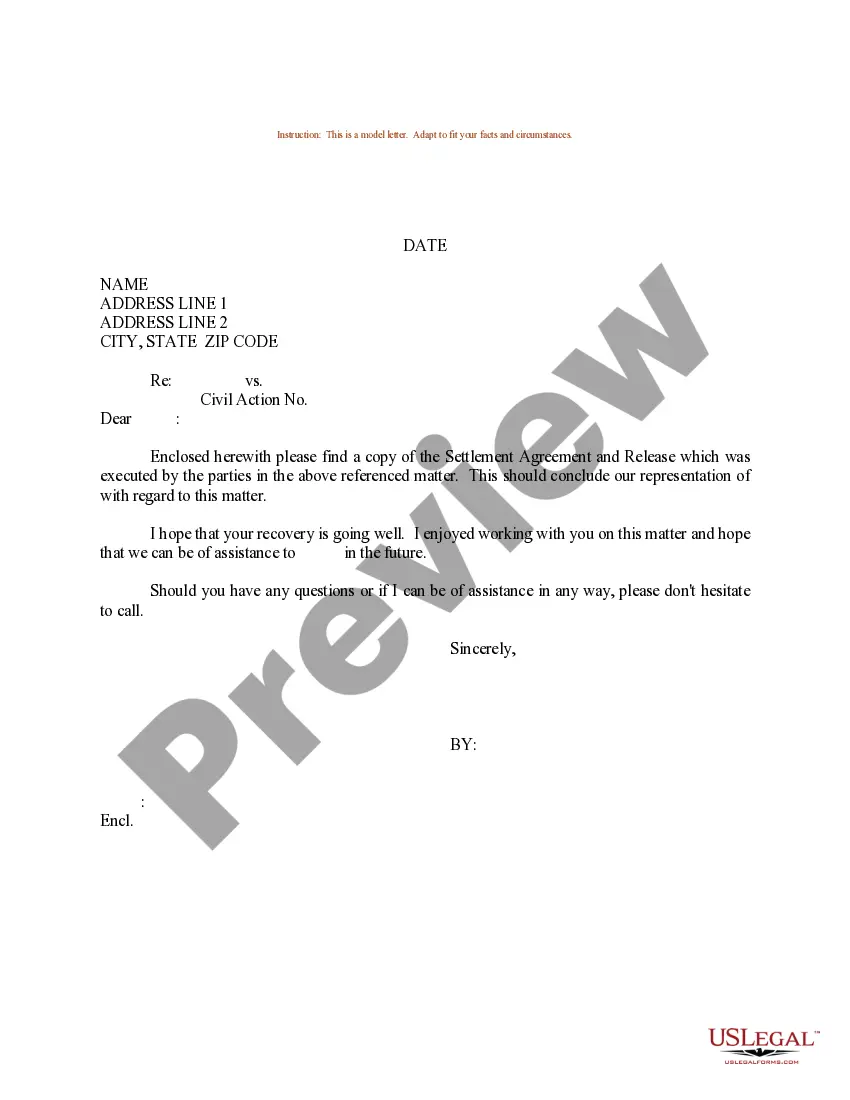
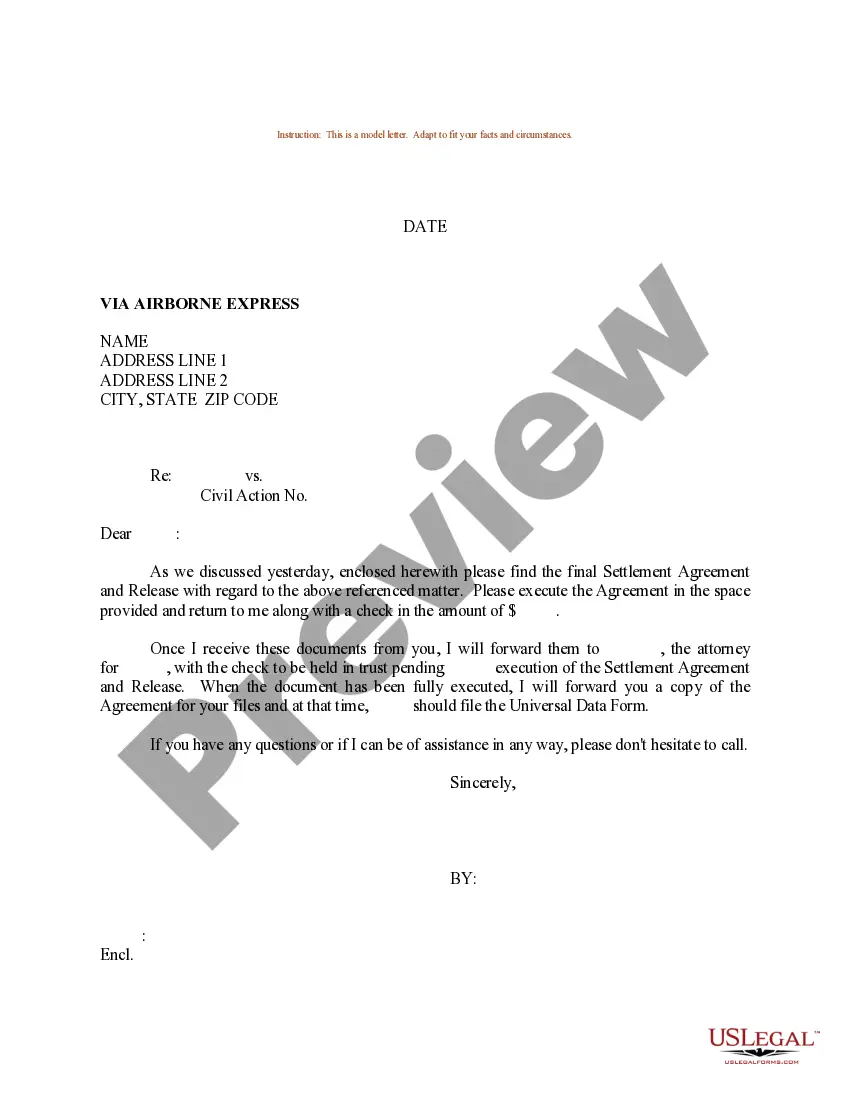
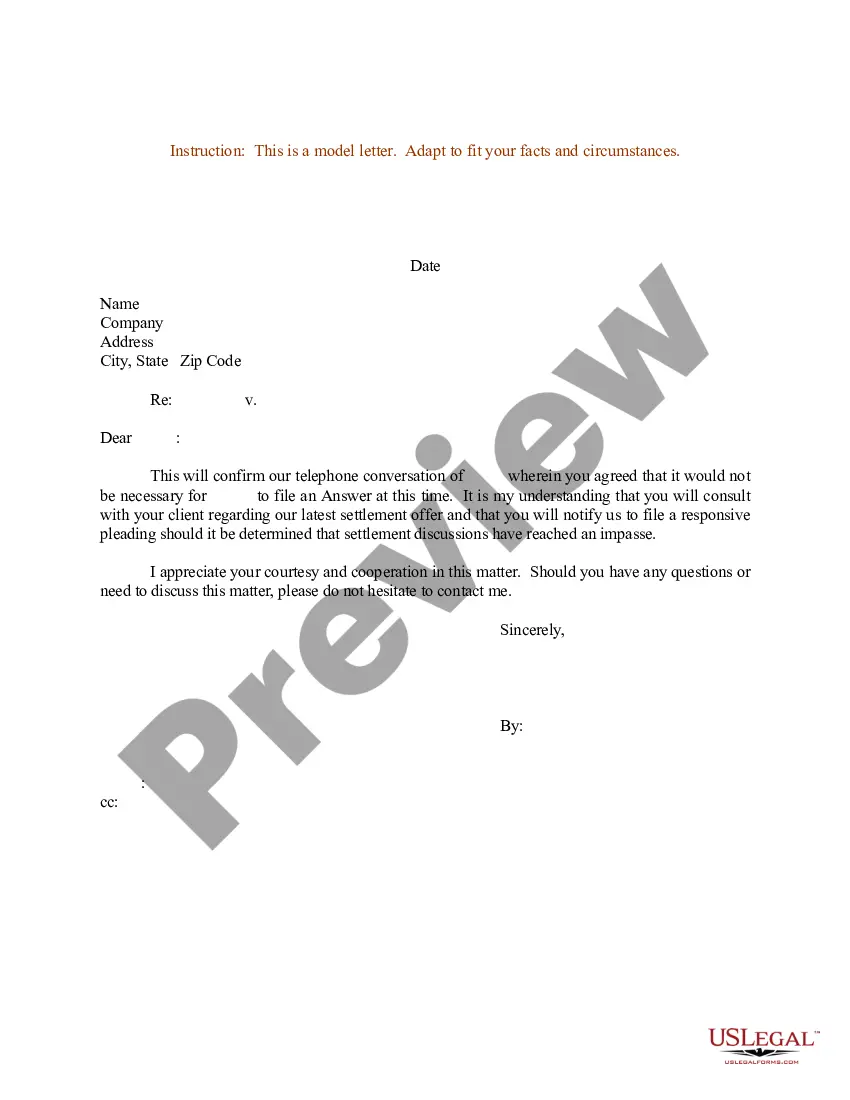
Get your form ready online
Our built-in tools help you complete, sign, share, and store your documents in one place.
Make edits, fill in missing information, and update formatting in US Legal Forms—just like you would in MS Word.
Download a copy, print it, send it by email, or mail it via USPS—whatever works best for your next step.
Sign and collect signatures with our SignNow integration. Send to multiple recipients, set reminders, and more. Go Premium to unlock E-Sign.
If this form requires notarization, complete it online through a secure video call—no need to meet a notary in person or wait for an appointment.
We protect your documents and personal data by following strict security and privacy standards.

Make edits, fill in missing information, and update formatting in US Legal Forms—just like you would in MS Word.

Download a copy, print it, send it by email, or mail it via USPS—whatever works best for your next step.

Sign and collect signatures with our SignNow integration. Send to multiple recipients, set reminders, and more. Go Premium to unlock E-Sign.

If this form requires notarization, complete it online through a secure video call—no need to meet a notary in person or wait for an appointment.

We protect your documents and personal data by following strict security and privacy standards.
Looking for another form?


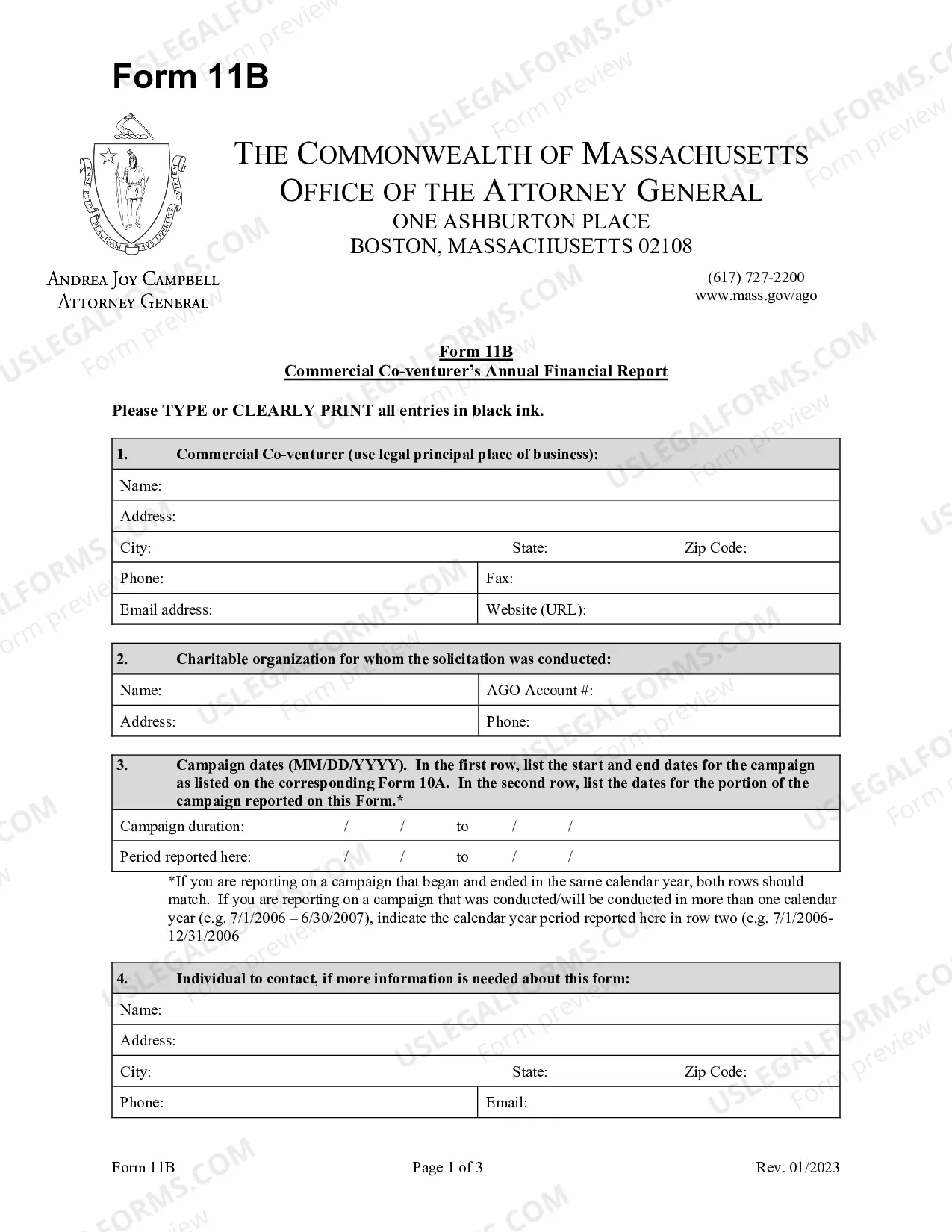





Form popularity
FAQ
Where do I put the words "without prejudice" on a document or email? There are no rules about this but generally, at the top of any document or in the subject line etc - so that it is instantly clear to the reader.
If you are in a dispute with someone or trying to settle an issue before it becomes a full blown dispute, you may come across something being “Without Prejudice”. The two most common times you'll encounter this are in a letter or email from the other party or their lawyer, or in a meeting or phone call.
“Without Prejudice” means that you are sending a communication in an honest attempt to compromise a matter, in which you might make a concession (either expressly or implicitly) to the other side that cannot be later put into evidence in Court.
A case dismissed with prejudice is over and done with, once and for all, and can't be brought back to court. A case dismissed without prejudice means the opposite. It's not dismissed forever.
“Without Prejudice” means that you are sending a communication in an honest attempt to compromise a matter, in which you might make a concession (either expressly or implicitly) to the other side that cannot be later put into evidence in Court.
The traditional meaning of 'without prejudice' it is to allow communications between parties without worrying that those communications, like letters or emails, will be used in court against the writer.
Misrepresentation, fraud, or undue influence This exception can apply in an employment context if either party has induced the other to enter into a contract (which again would include any compromise agreement) by an untrue statement of fact.
If a decision or action is made without prejudice to a right or claim, it is made without having an effect on that right or claim: My client accepts the formal apology without prejudice to any further legal action she may decide to take.