Confirmation Letter Sample For Audit In San Diego
Description


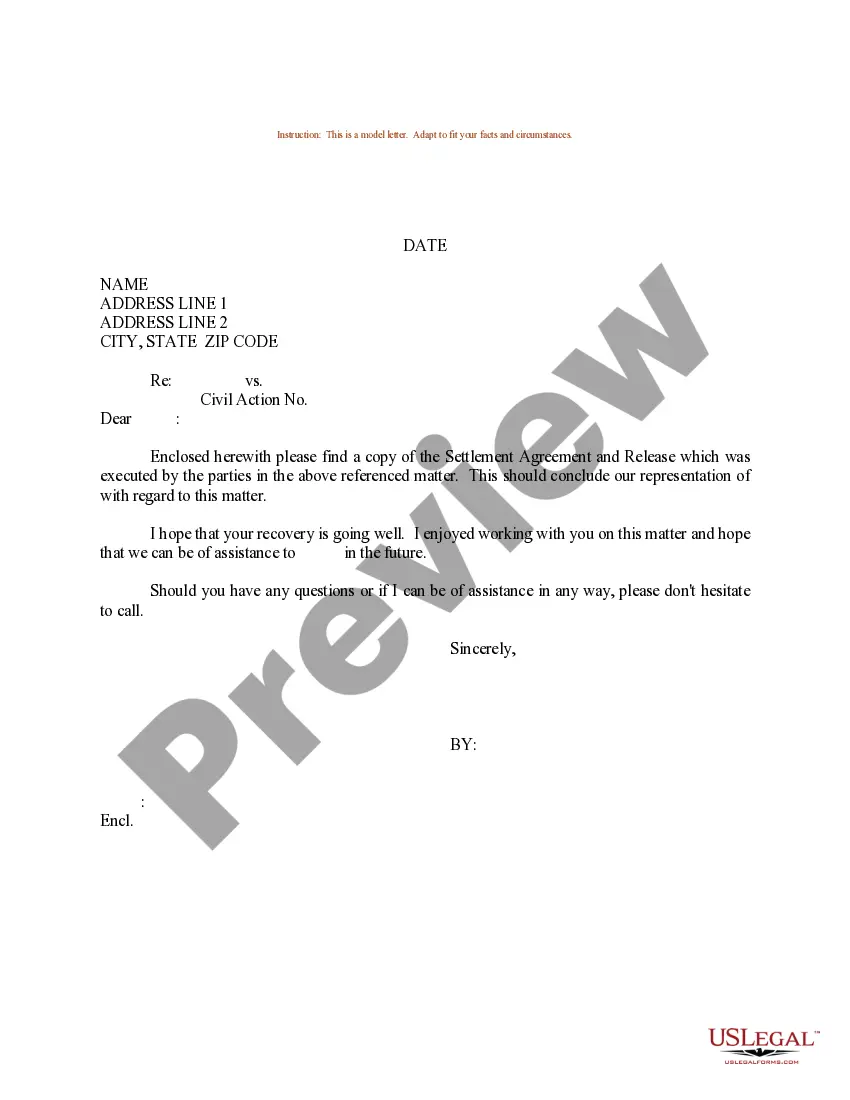
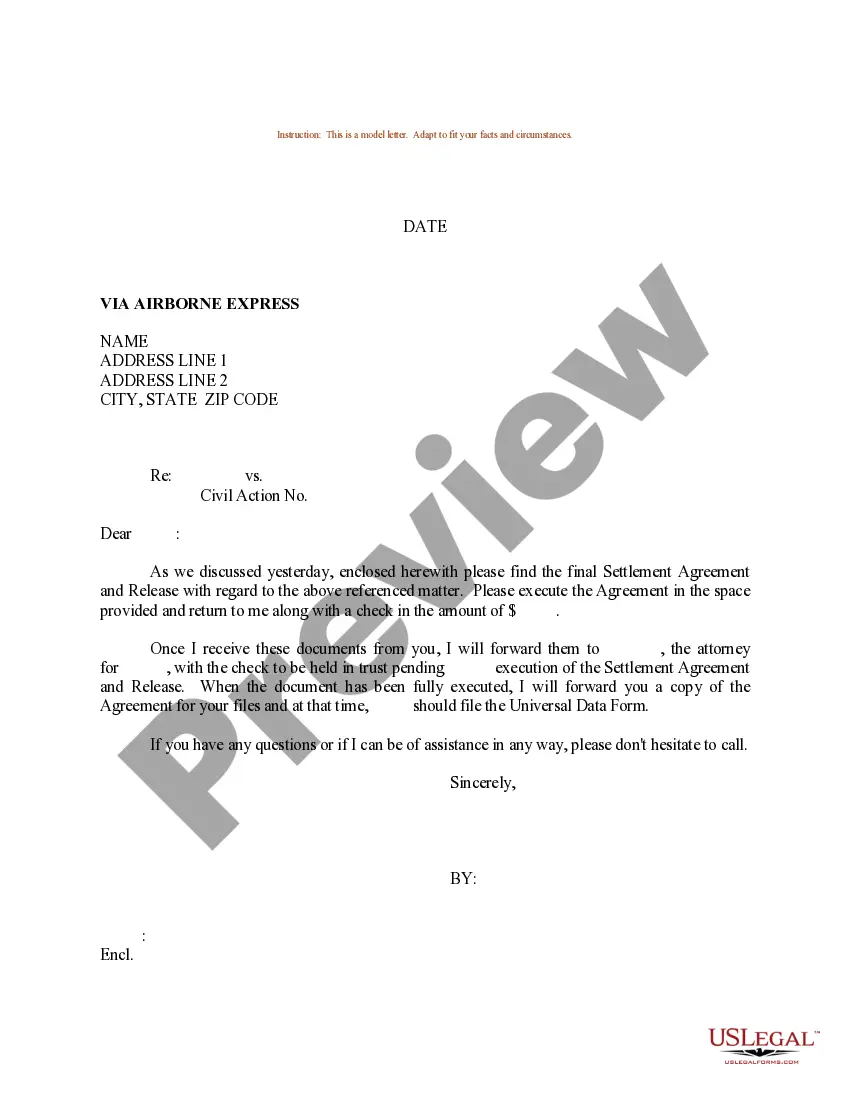
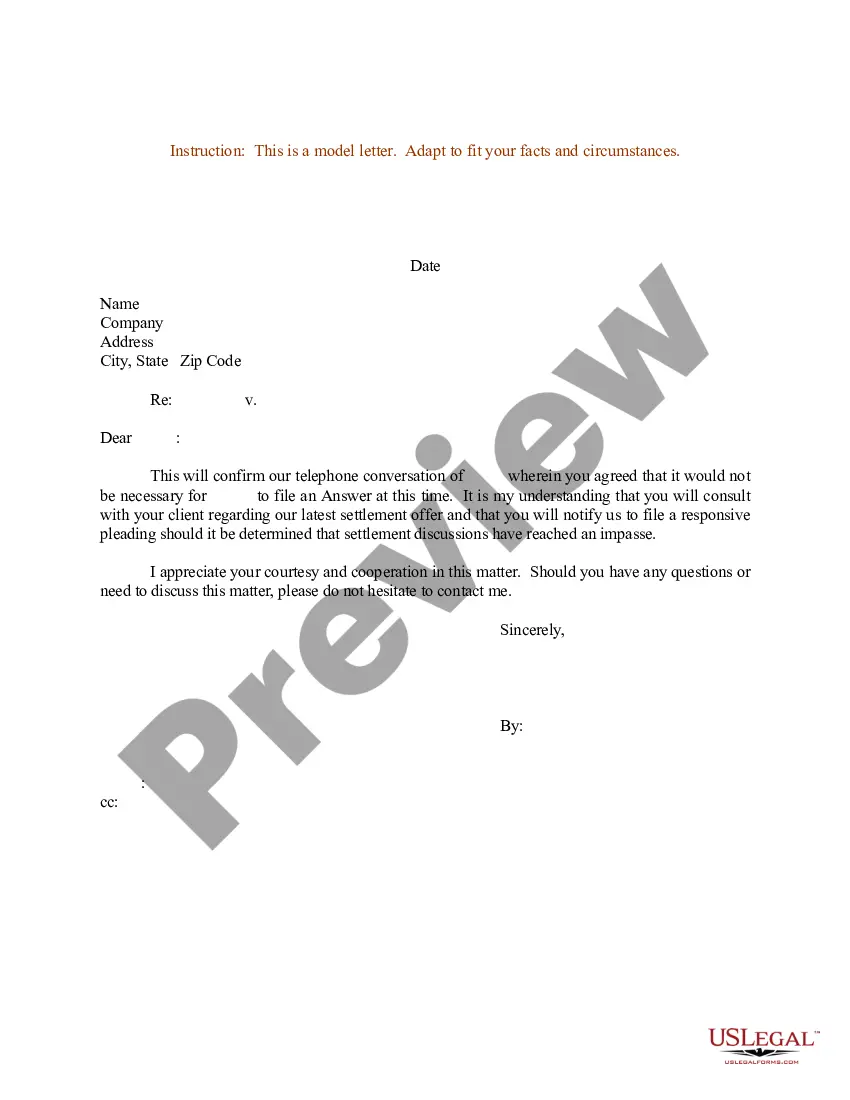
Get your form ready online
Our built-in tools help you complete, sign, share, and store your documents in one place.
Make edits, fill in missing information, and update formatting in US Legal Forms—just like you would in MS Word.
Download a copy, print it, send it by email, or mail it via USPS—whatever works best for your next step.
Sign and collect signatures with our SignNow integration. Send to multiple recipients, set reminders, and more. Go Premium to unlock E-Sign.
If this form requires notarization, complete it online through a secure video call—no need to meet a notary in person or wait for an appointment.
We protect your documents and personal data by following strict security and privacy standards.

Make edits, fill in missing information, and update formatting in US Legal Forms—just like you would in MS Word.

Download a copy, print it, send it by email, or mail it via USPS—whatever works best for your next step.

Sign and collect signatures with our SignNow integration. Send to multiple recipients, set reminders, and more. Go Premium to unlock E-Sign.

If this form requires notarization, complete it online through a secure video call—no need to meet a notary in person or wait for an appointment.

We protect your documents and personal data by following strict security and privacy standards.
Looking for another form?










Form popularity
FAQ
As mentioned, auditors send confirmation letters to third-parties. This could be a bank, lawyer or supplier. For example, a letter may be sent to a company's lawyers to determine whether there's any pending litigation that needs to be reported or disclosed in the company's audited financial statements.
Professional Reply Acknowledge the Email. Start your reply by acknowledging the audit confirmation request. Provide the Requested Information. Clarify Any Discrepancies (If Applicable) ... Offer Further Assistance. End with a Professional Closing.
During the course of an audit, you may hear your auditors refer to something called a “confirmation letter.” This is a letter that your auditor will send out to third parties, such as banks or suppliers, asking them to confirm certain financial information.
An audit letter is a written request for information about a person or entity being audited, usually sent to an attorney, banker, or other relevant party. The letter asks for details about pending or threatened litigation that may affect the audit.
Professional Reply Acknowledge the Email. Start your reply by acknowledging the audit confirmation request. Provide the Requested Information. Clarify Any Discrepancies (If Applicable) ... Offer Further Assistance. End with a Professional Closing.
If you need to write a confirmation letter, here are five helpful steps you can use to write your own: Include a letter header. Start with an explanation. Add detailed information. Highlight attachments. End with a supportive statement.
| Tinh Huynh. Audit confirmations are information requests, typically distributed by email or through secure portals, in which accountants ask third parties to confirm information provided by the company being audited.
As mentioned, auditors send confirmation letters to third-parties. This could be a bank, lawyer or supplier. For example, a letter may be sent to a company's lawyers to determine whether there's any pending litigation that needs to be reported or disclosed in the company's audited financial statements.
The notification letter states the objectives to be accomplished in the audit. Preliminary documentation required for the audit, such as written policies, procedures and flowcharts, may also be requested at that time.