Settlement Agreement Example In San Bernardino
Description


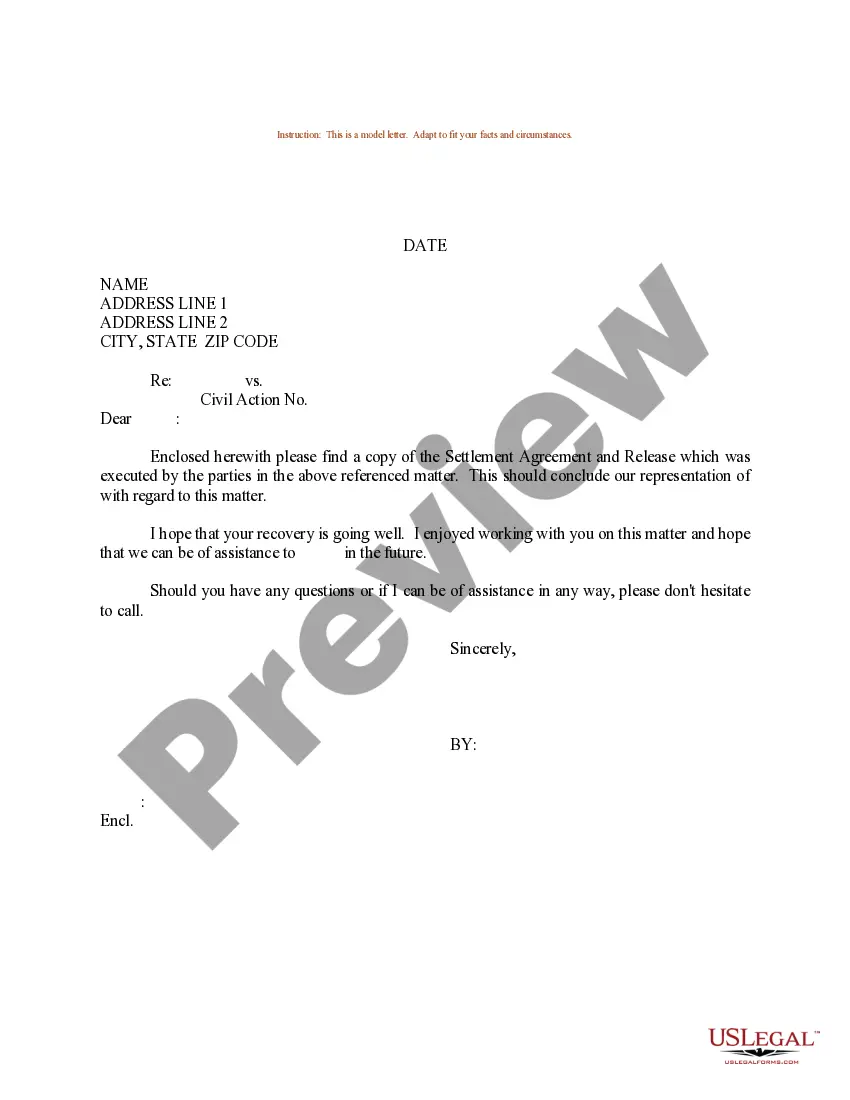
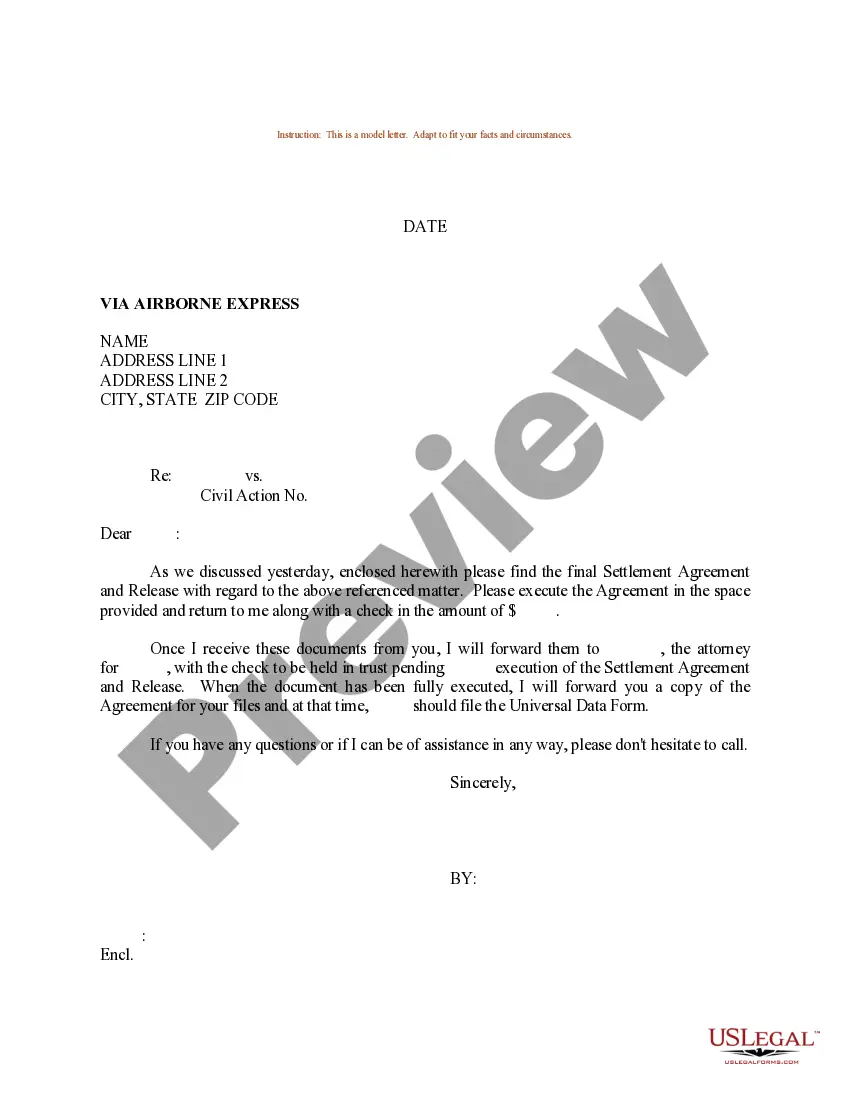
Get your form ready online
Our built-in tools help you complete, sign, share, and store your documents in one place.
Make edits, fill in missing information, and update formatting in US Legal Forms—just like you would in MS Word.
Download a copy, print it, send it by email, or mail it via USPS—whatever works best for your next step.
Sign and collect signatures with our SignNow integration. Send to multiple recipients, set reminders, and more. Go Premium to unlock E-Sign.
If this form requires notarization, complete it online through a secure video call—no need to meet a notary in person or wait for an appointment.
We protect your documents and personal data by following strict security and privacy standards.

Make edits, fill in missing information, and update formatting in US Legal Forms—just like you would in MS Word.

Download a copy, print it, send it by email, or mail it via USPS—whatever works best for your next step.

Sign and collect signatures with our SignNow integration. Send to multiple recipients, set reminders, and more. Go Premium to unlock E-Sign.

If this form requires notarization, complete it online through a secure video call—no need to meet a notary in person or wait for an appointment.

We protect your documents and personal data by following strict security and privacy standards.
Looking for another form?
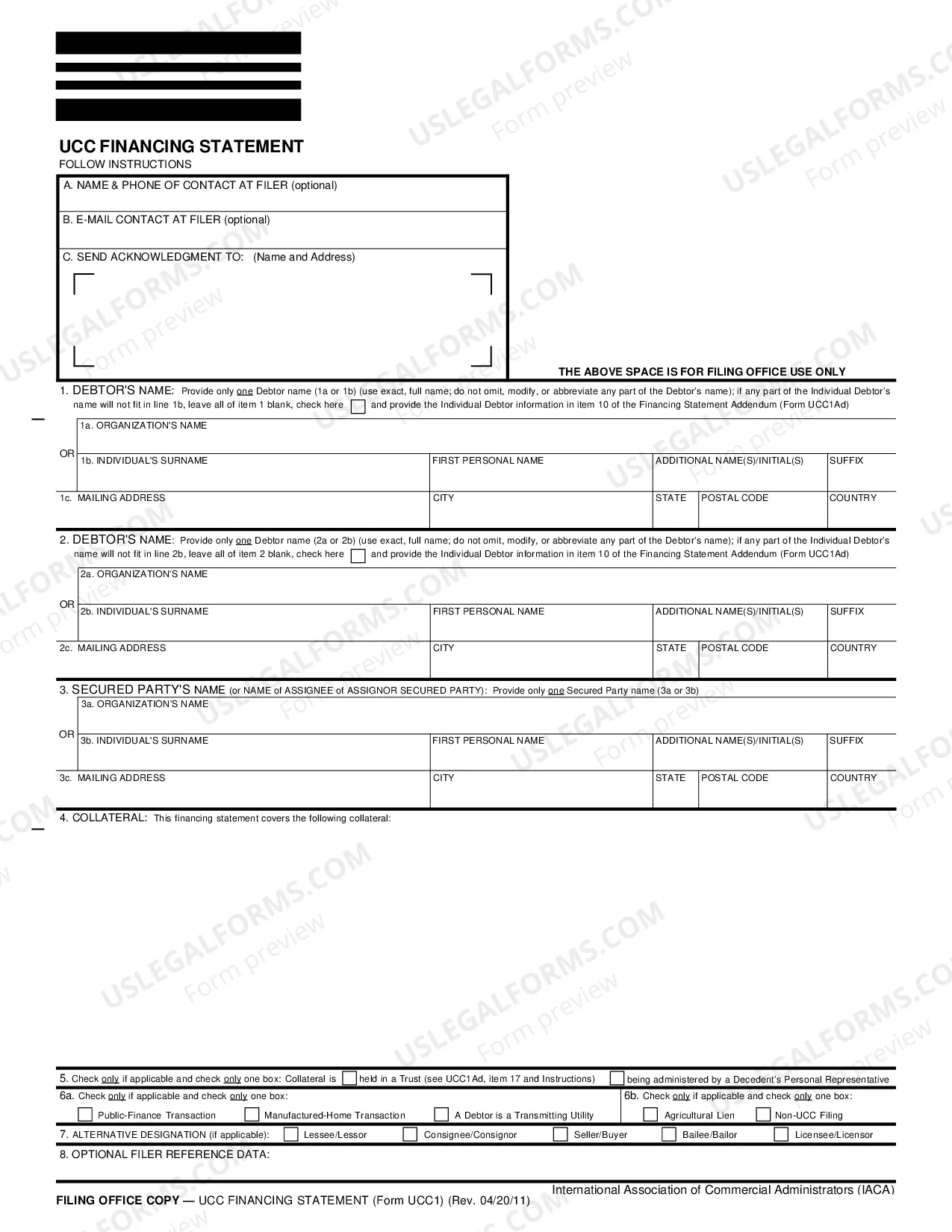
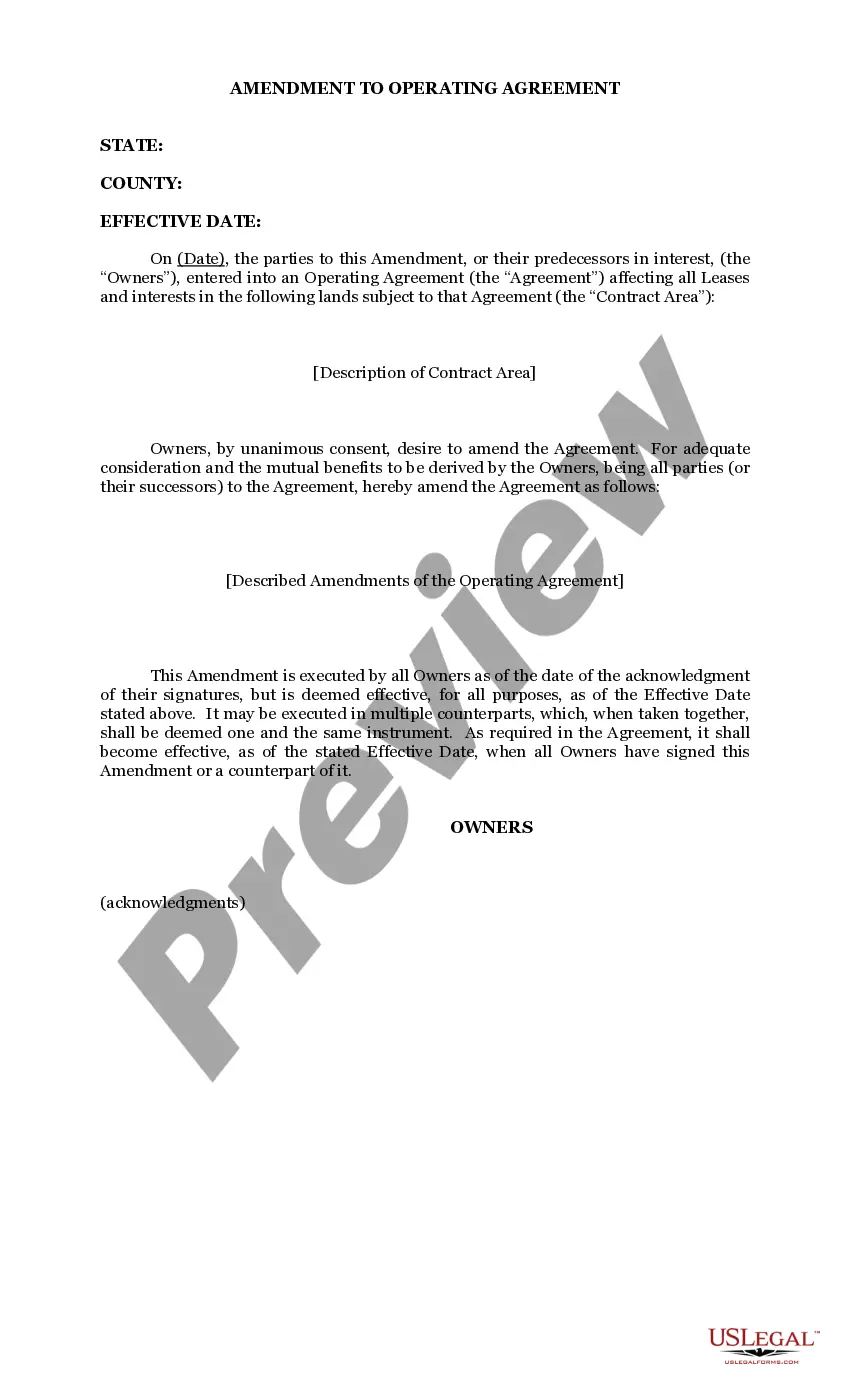


Form popularity
FAQ
A settlement agreement is always in writing, and both parties must agree to the provisions in the settlement agreement. Also, both parties must sign the settlement agreement for it to be legally binding. A settlement agreement will resolve a civil lawsuit.
How to Write a Settlement Agreement for a Divorce Gather Information About Assets, Debts, and Child Custody Needs. Draft a Clear Outline of the Agreement. Specify Terms for Property Division and Debt Allocation. Address Spousal Support and Child Custody Arrangements. Include a Dispute Resolution Clause.
It is generally a good idea to have a skilled attorney draft the settlement agreement, which will resolve your civil lawsuit.
What Should Be Included in a Settlement Agreement? Identifying information for all involved parties. A description of the issue you're seeking to settle. An offer of resolutions that both parties agree to. Proof of valid consideration from both parties without coercion or duress. Legal purpose.
If your attorney agrees with the terms of release, you will have to sign the form in the presence of a notary public. Once you sign the form, you cannot change the terms and you have released the opposing party from further liability.
Note: In a default case, the signature of the respondent on the settlement agreement must be notarized.
You both must sign the agreement. If your spouse didn't file a response in this case, their signature must be notarized. This means an official checks their ID and then has them sign the document in front of them.
Make sure the settlement agreement: is in writing. covers the specific dispute you're having. is made by a lawyer who's independent of your employer. gives the name of that lawyer. sets out what you and your employer agree to do. says that the agreement meets the rules about settlement agreements.