Settlement Confirmation Letter Without Insurance Sample In Nassau
Description


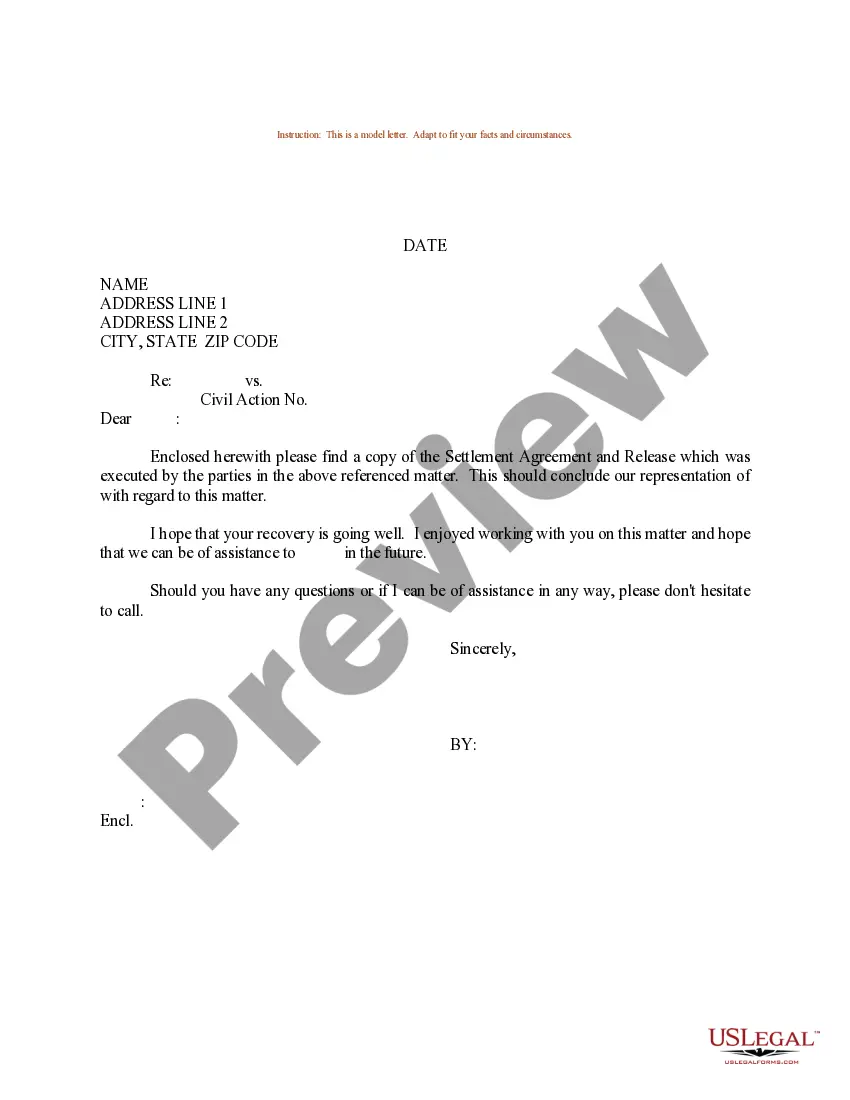
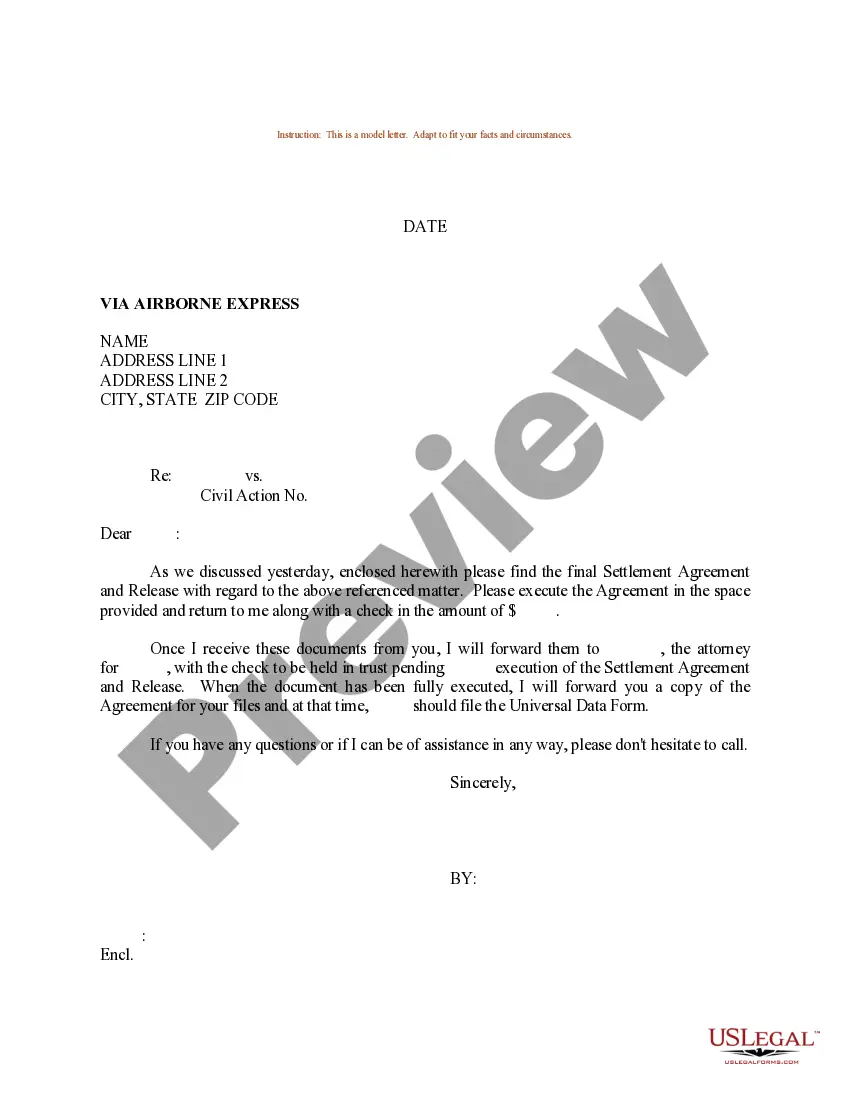
Get your form ready online
Our built-in tools help you complete, sign, share, and store your documents in one place.
Make edits, fill in missing information, and update formatting in US Legal Forms—just like you would in MS Word.
Download a copy, print it, send it by email, or mail it via USPS—whatever works best for your next step.
Sign and collect signatures with our SignNow integration. Send to multiple recipients, set reminders, and more. Go Premium to unlock E-Sign.
If this form requires notarization, complete it online through a secure video call—no need to meet a notary in person or wait for an appointment.
We protect your documents and personal data by following strict security and privacy standards.

Make edits, fill in missing information, and update formatting in US Legal Forms—just like you would in MS Word.

Download a copy, print it, send it by email, or mail it via USPS—whatever works best for your next step.

Sign and collect signatures with our SignNow integration. Send to multiple recipients, set reminders, and more. Go Premium to unlock E-Sign.

If this form requires notarization, complete it online through a secure video call—no need to meet a notary in person or wait for an appointment.

We protect your documents and personal data by following strict security and privacy standards.
Looking for another form?









Form popularity
FAQ
Your letter should clearly: State that the offer you received is unacceptable. Refute any statements in the adjustor's letter that are inaccurate and damaging to your claim. Re-state an acceptable figure. Explain why your counteroffer is appropriate, including the reasons behind your general damage demands.
Example of a Claim Settlement Letter We are writing to inform you that we have completed our evaluation of your claim filed under policy number Policy Number regarding Brief Description of the Claim. We are pleased to offer a settlement amount of Settlement Amount.
A claim acknowledgement letter is a formal document sent by an insurance company to a policyholder in response to a claim they have filed. This letter serves several key purposes: Acknowledges Receipt: It confirms that the insurance company has received the claim.
Treat the following as a set of general guidelines: Gather complete information before you start writing. Describe your injuries and medical treatment. List your medical expenses, lost wages, and non-economic damages. Make a settlement demand. Include a deadline for legal action if you want to, but don't bluff.
A reasonable settlement offer is one that includes medical expenses, lost wages, pain and suffering, and property damage. While it varies from case to case, an experienced personal injury lawyers can help you find a reasonable amount for your case.
How to write a compensation letter The date and the recipient's contact information. A formal salutation. An introductory statement. List of compensation items. The date compensation becomes available. Exceptions and additional compensation details. Closing statement and salutation. Your name and contact details.
Settlement agreements are contracts. Although the law presumes that settlement agreements are valid, they generally are subject to contract defenses, including mistake, unconscionability, duress, undue influence, and fraud.
Yes, once all the necessary written concurrences are obtained, a settlement agreement is binding on both parties.
An Order to Show Cause is way to present to a judge the reasons why the court should order relief to a party. For example, a party can seek an order granting discovery, or dismissing all or part of an action by bringing an Order to Show Cause.
Under New York law, and in other US jurisdictions, settlement agreements are treated like any other contract. ingly to establish the existence of a settlement agreement, “a plaintiff must establish an offer, acceptance of the offer, consideration, mutual assent and an intent to be bound” (Kowalchuk v.