Settlement Agreement Fixed Fee In Montgomery
Description


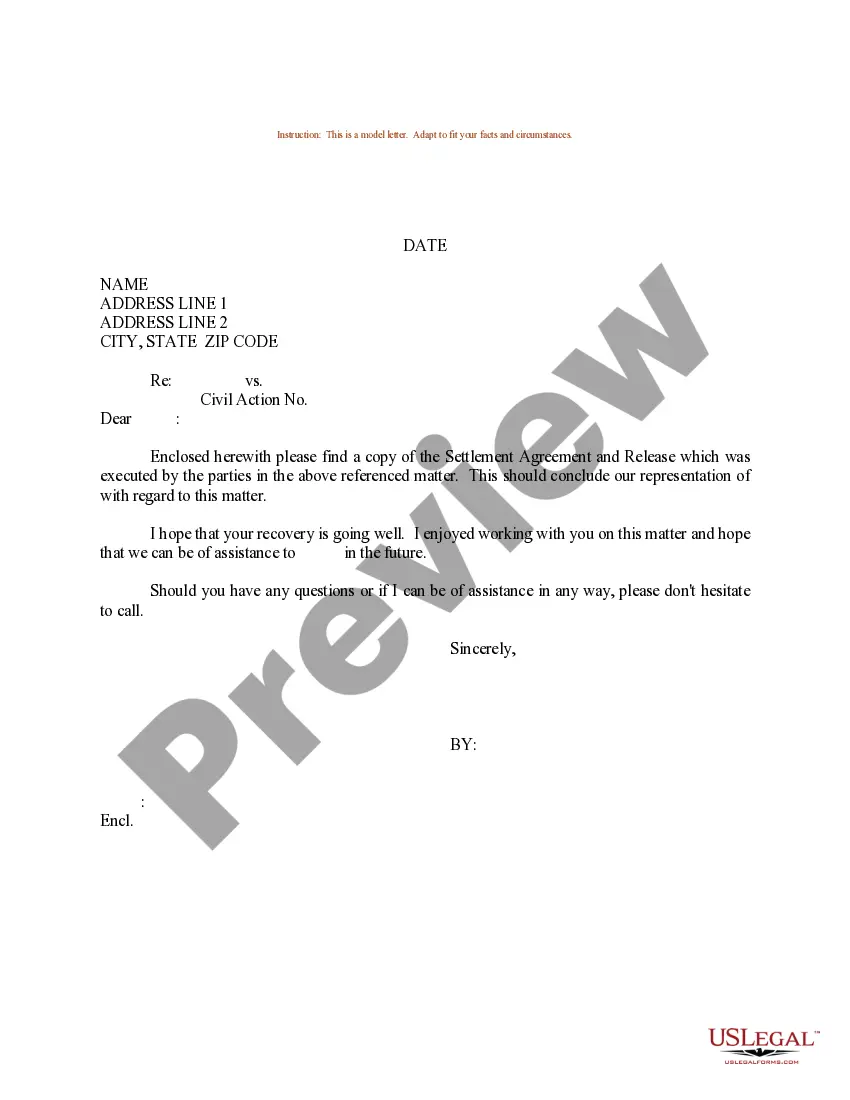
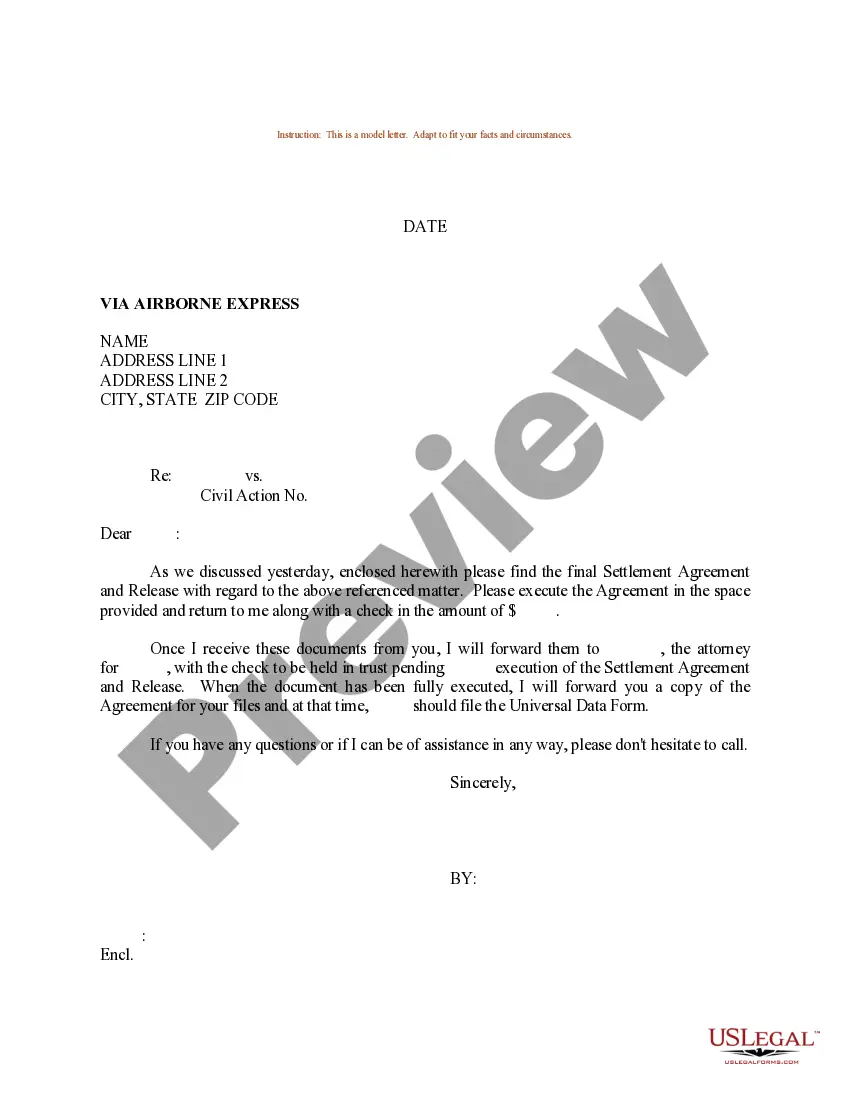
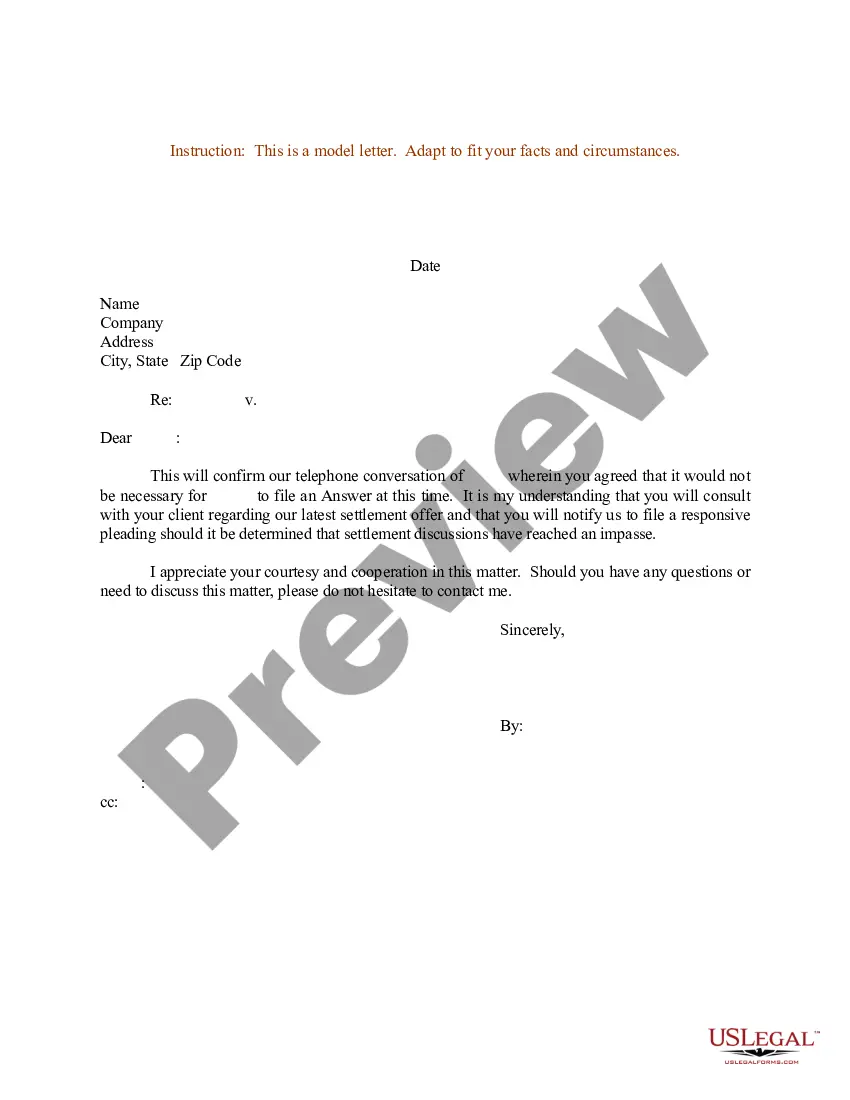
Get your form ready online
Our built-in tools help you complete, sign, share, and store your documents in one place.
Make edits, fill in missing information, and update formatting in US Legal Forms—just like you would in MS Word.
Download a copy, print it, send it by email, or mail it via USPS—whatever works best for your next step.
Sign and collect signatures with our SignNow integration. Send to multiple recipients, set reminders, and more. Go Premium to unlock E-Sign.
If this form requires notarization, complete it online through a secure video call—no need to meet a notary in person or wait for an appointment.
We protect your documents and personal data by following strict security and privacy standards.

Make edits, fill in missing information, and update formatting in US Legal Forms—just like you would in MS Word.

Download a copy, print it, send it by email, or mail it via USPS—whatever works best for your next step.

Sign and collect signatures with our SignNow integration. Send to multiple recipients, set reminders, and more. Go Premium to unlock E-Sign.

If this form requires notarization, complete it online through a secure video call—no need to meet a notary in person or wait for an appointment.

We protect your documents and personal data by following strict security and privacy standards.
Looking for another form?






Form popularity
FAQ
A reasonable settlement offer is one that includes medical expenses, lost wages, pain and suffering, and property damage. While it varies from case to case, an experienced personal injury lawyers can help you find a reasonable amount for your case.
By negotiating for higher settlements, you can show your clients that they deserve justice. You can provide compassionate legal care by working to hold liable parties responsible.
At the outset of settlement negotiations, list all individuals and entities—both for the plaintiff and the defendant—that the agreement will cover. ✔ List all legal issues to be settled. List all claims your adversary may legally release via settlement. Verify the agreement covers these claims.
What Should Be Included in a Settlement Agreement? Identifying information for all involved parties. A description of the issue you're seeking to settle. An offer of resolutions that both parties agree to. Proof of valid consideration from both parties without coercion or duress. Legal purpose.
The Role of the Court Depending on the claim's nature, a judge or another officer of the court might need to sign off on the settlement agreement. This underscores the importance of having an experienced personal injury attorney handle your case from start to finish.
Once a settlement agreement is entered as a judgment, the Family Code set-aside statute applies. The proper remedy to avoid the deal is a motion to set aside the judgment. There are two statutory frameworks for a family court to set aside a judgment: CCP section 473(b) and Family Code sections 2120-2129.