Settlement Agreement Example In Los Angeles
Description

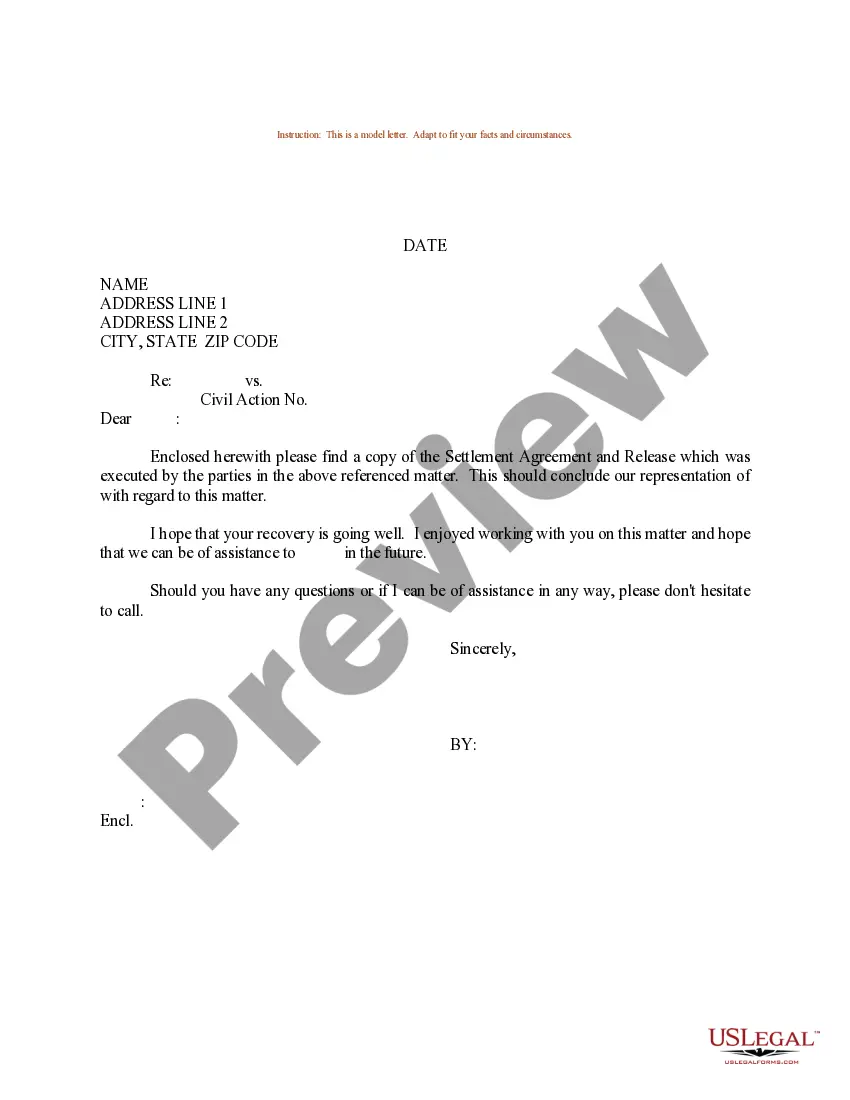
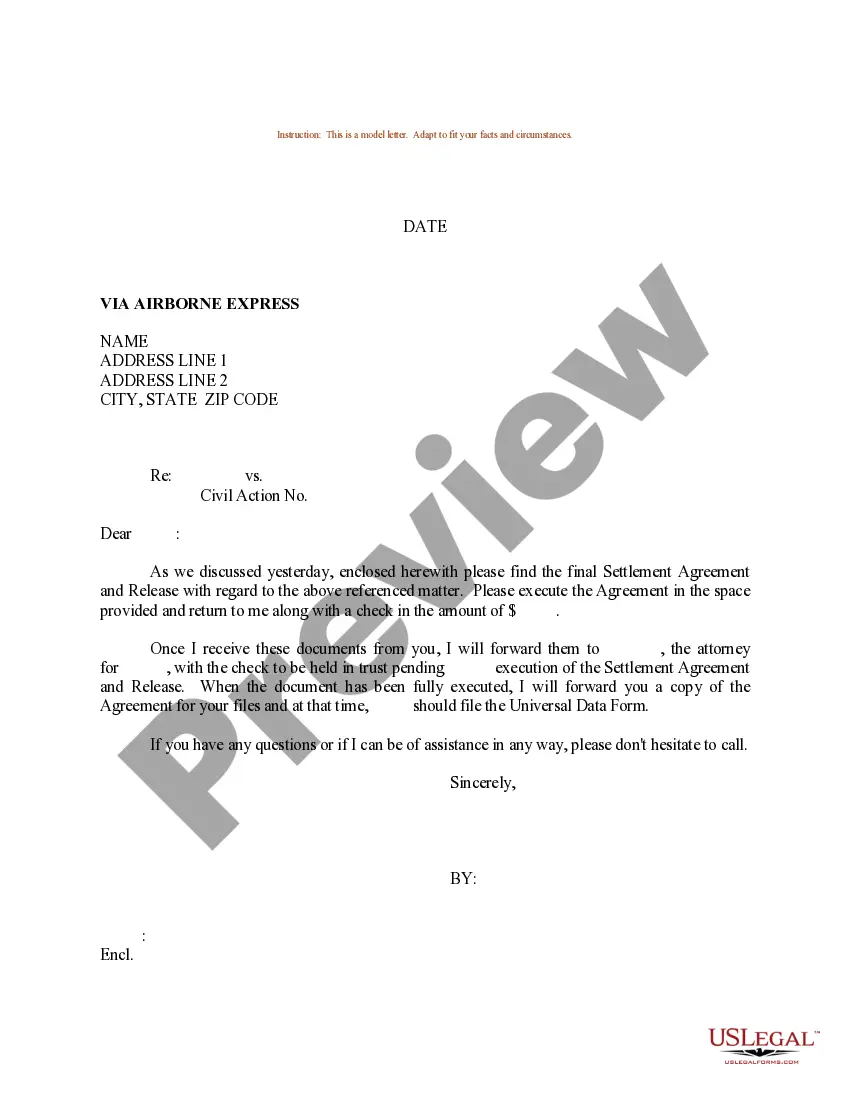
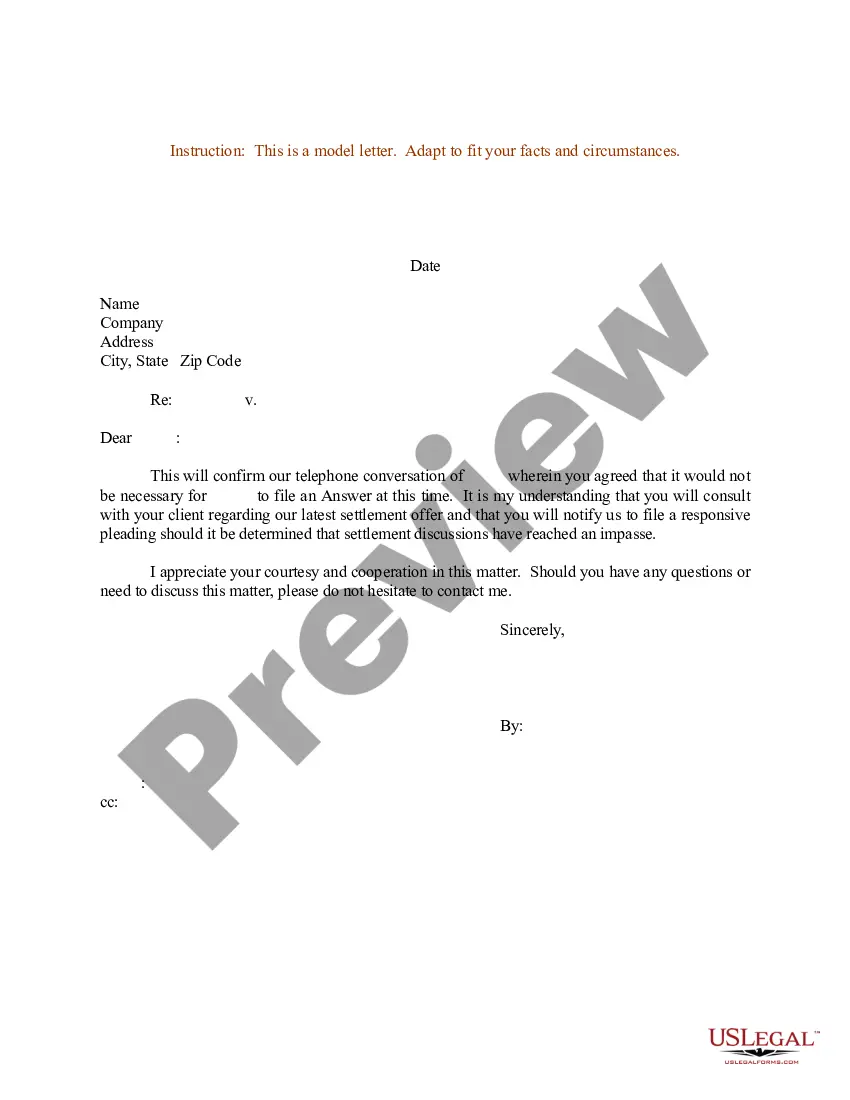
Get your form ready online
Our built-in tools help you complete, sign, share, and store your documents in one place.
Make edits, fill in missing information, and update formatting in US Legal Forms—just like you would in MS Word.
Download a copy, print it, send it by email, or mail it via USPS—whatever works best for your next step.
Sign and collect signatures with our SignNow integration. Send to multiple recipients, set reminders, and more. Go Premium to unlock E-Sign.
If this form requires notarization, complete it online through a secure video call—no need to meet a notary in person or wait for an appointment.
We protect your documents and personal data by following strict security and privacy standards.

Make edits, fill in missing information, and update formatting in US Legal Forms—just like you would in MS Word.

Download a copy, print it, send it by email, or mail it via USPS—whatever works best for your next step.

Sign and collect signatures with our SignNow integration. Send to multiple recipients, set reminders, and more. Go Premium to unlock E-Sign.

If this form requires notarization, complete it online through a secure video call—no need to meet a notary in person or wait for an appointment.

We protect your documents and personal data by following strict security and privacy standards.
Looking for another form?








Form popularity
FAQ
Just a few of the terms that an effective settlement agreement needs are: a recital of the parties that are to be bound by the agreement, an accurate characterization of the subject matter of the dispute and the legal claims that are being alleged by the claimant,
A settlement agreement is always in writing, and both parties must agree to the provisions in the settlement agreement. Also, both parties must sign the settlement agreement for it to be legally binding. A settlement agreement will resolve a civil lawsuit.
What Is the New Law for Severance Agreements in California? California's “Silenced No More Act” began in January 2022 and impacted severance agreements by prohibiting employers from including non-disclosure and non-disparagement clauses where it relates to harassment, discrimination, and retaliation.
It is generally a good idea to have a skilled attorney draft the settlement agreement, which will resolve your civil lawsuit.
To ensure your proposal is effective and legally sound, it should include the following key elements: Clearly Defining the Dispute and Terms of Resolution. Specifying Financial Settlements, Deadlines, and Responsibilities. Using Precise Legal Language to Avoid Loopholes.
Usually, a settlement agreement will include the following: Parties involved. Clearly define who the parties to the agreement are. Background information. Settlement amount. Payment terms. Release of claims. Confidentiality clause. Governing law. Other provisions.
A settlement agreement may be invalidated if it is found to be unconscionable, meaning that the terms are so one-sided that they shock the conscience. Additionally, if one party did not have the legal capacity to consent, such as being a minor or mentally incapacitated, the agreement may be invalid.
Here's a step-by-step guide to drafting your own settlement agreement in California: Gather Information About Assets, Debts, and Child Custody Needs. Draft a Clear Outline of the Agreement. Specify Terms for Property Division and Debt Allocation. Address Spousal Support and Child Custody Arrangements.
A wife in California can be entitled to up to half of the assets in the marriage along with up to 40% of their partner's income for child support, spousal support, and primary child custody.