Confirmation And Settlement Process In Franklin
Description


Get your form ready online
Our built-in tools help you complete, sign, share, and store your documents in one place.
Make edits, fill in missing information, and update formatting in US Legal Forms—just like you would in MS Word.
Download a copy, print it, send it by email, or mail it via USPS—whatever works best for your next step.
Sign and collect signatures with our SignNow integration. Send to multiple recipients, set reminders, and more. Go Premium to unlock E-Sign.
If this form requires notarization, complete it online through a secure video call—no need to meet a notary in person or wait for an appointment.
We protect your documents and personal data by following strict security and privacy standards.

Make edits, fill in missing information, and update formatting in US Legal Forms—just like you would in MS Word.

Download a copy, print it, send it by email, or mail it via USPS—whatever works best for your next step.

Sign and collect signatures with our SignNow integration. Send to multiple recipients, set reminders, and more. Go Premium to unlock E-Sign.

If this form requires notarization, complete it online through a secure video call—no need to meet a notary in person or wait for an appointment.

We protect your documents and personal data by following strict security and privacy standards.
Looking for another form?








Form popularity
FAQ
At the outset of settlement negotiations, list all individuals and entities—both for the plaintiff and the defendant—that the agreement will cover. ✔ List all legal issues to be settled. List all claims your adversary may legally release via settlement. Verify the agreement covers these claims.
A plaintiff's concern about the financial resources of a defendant may also play a major role in settlement. A plaintiff with a strong case will often be forced to accept a lower-value settlement if the de- fendant is financially incapable of paying the likely judgment.
Be as neutral and matter-of-fact as possible. If the insurance company made any error in its assessment of your claim, you should be clear when addressing that in your written communication. State the settlement offer you are willing to accept and the reasons why.
Under New York law, and in other US jurisdictions, settlement agreements are treated like any other contract. ingly to establish the existence of a settlement agreement, “a plaintiff must establish an offer, acceptance of the offer, consideration, mutual assent and an intent to be bound” (Kowalchuk v.
When accepting a settlement offer, there's no one-size-fits-all answer to how long you have. The timeframe can vary depending on several factors: The terms of the offer itself: Sometimes, an insurance company will put a deadline on their offer. They might say you have 30 days or 60 days to accept.
Rejecting the first compensation offer is often a wise decision, especially if it feels rushed or doesn't account for the full scope of your injuries and potential long-term expenses. Many initial offers address only immediate costs, allowing insurers to settle quickly while minimizing their payout.
It would be best to formally accept the settlement offer in writing before it is legally binding and valid. This means you can change your mind and continue renegotiating if you discover the insurance company is attempting to settle your claim for less than you deserve.
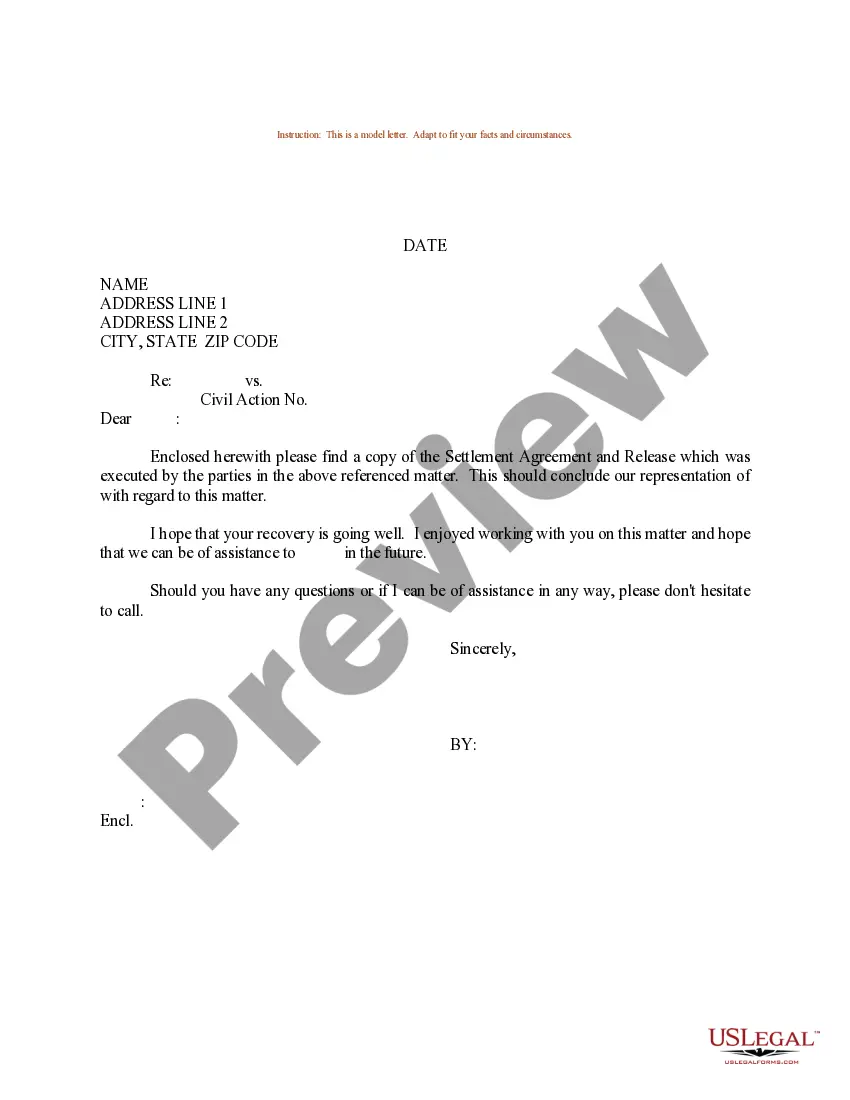
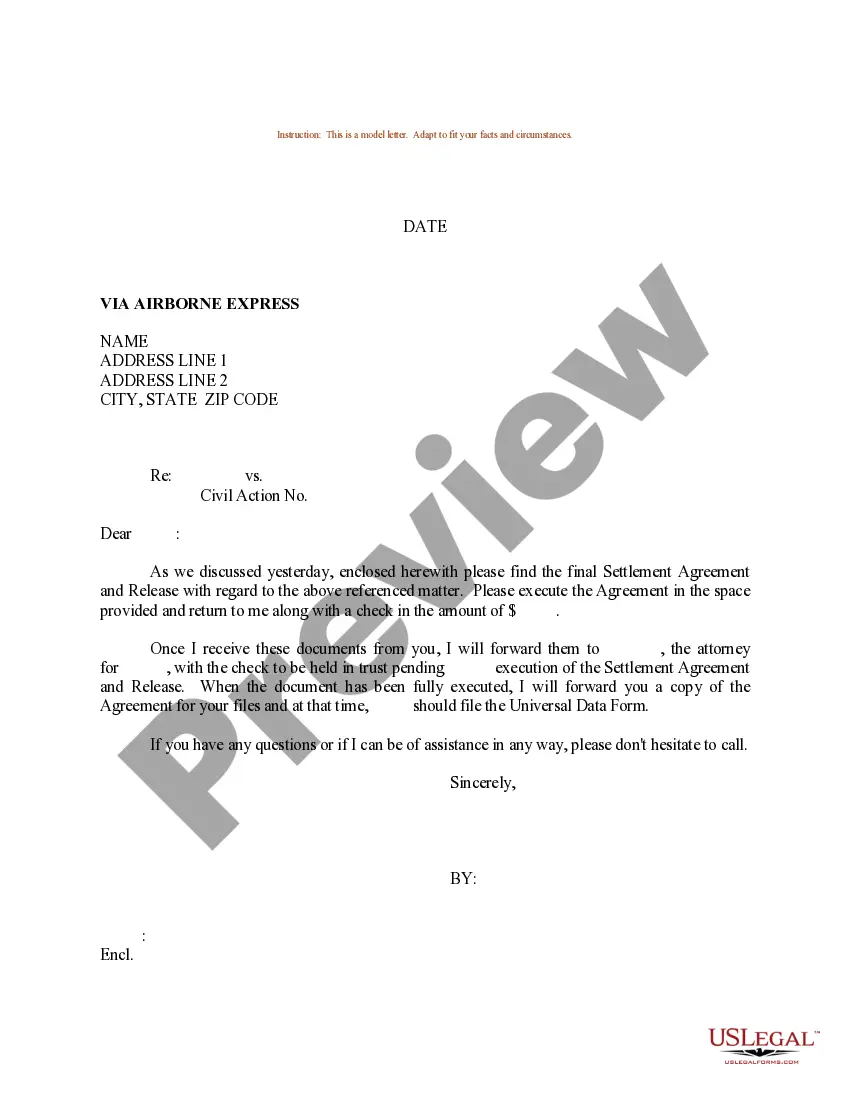
Dear Mr./Ms. Adjuster: Pursuant to our phone conversation on insert date, please accept this letter as confirmation that we have agreed to settle, in full, my above-referenced claim for personal injuries for the amount of: Agreed to Final Settlement Amount. Thank you for your prompt attention to this matter.
Franklin Templeton mutual funds offer a range of benefits and risks for investors. While diversification, professional management, and flexibility are among the benefits, market risk, management risk, and fees are among the potential downsides.
But missing the 9pm ET cut-off time does not equate to trade failure. Trades can still be sent to DTC for settlement after 9pm ET – by pm via the Night Delivery Order. The final cut-off time for sending trades to the DTC is pm ET on T+1 – leveraging the Day Delivery Order.