Confirmation Letter For Job In Clark
Description

Get your form ready online
Our built-in tools help you complete, sign, share, and store your documents in one place.
Make edits, fill in missing information, and update formatting in US Legal Forms—just like you would in MS Word.
Download a copy, print it, send it by email, or mail it via USPS—whatever works best for your next step.
Sign and collect signatures with our SignNow integration. Send to multiple recipients, set reminders, and more. Go Premium to unlock E-Sign.
If this form requires notarization, complete it online through a secure video call—no need to meet a notary in person or wait for an appointment.
We protect your documents and personal data by following strict security and privacy standards.

Make edits, fill in missing information, and update formatting in US Legal Forms—just like you would in MS Word.

Download a copy, print it, send it by email, or mail it via USPS—whatever works best for your next step.

Sign and collect signatures with our SignNow integration. Send to multiple recipients, set reminders, and more. Go Premium to unlock E-Sign.

If this form requires notarization, complete it online through a secure video call—no need to meet a notary in person or wait for an appointment.

We protect your documents and personal data by following strict security and privacy standards.
Looking for another form?







Form popularity
FAQ
Key components of an employment verification letter Employee's information: Full name, job title, and department. Employer's information: Company name, address, and contact details. Employment details: Date of hire, current employment status (full-time, part-time, contract), and if applicable, end date of employment.
What Should Be Included in an Employment Verification Letter? The employee's full name. Employer name. Employer address. Name and address of the third party requesting the letter. Job title (and description – optional) Employment start date (and end date if applicable) Current or final salary.
Subject Line - Keep it clear and concise (e.g., ``Job Confirmation - (Your Name)''). Salutation - Address the recipient appropriately (e.g., ``Dear (Hiring Manager's Name),''). Introduction - State the purpose of the email (confirming the job offer). Details of the Job Offer Expression of Gratitude
What should be included in employment verification letters? Employer address. Name and address of the company requesting verification. Employee name. Employment dates. Employee job title. Employee job description. Employee current salary. Reason for termination (If applicable)
Verification of employment letter sample. Dear Requesters Name/To Whom It May Concern, This letter is to confirm the employment of Employee's Full Name, who has been employed at Company Name since Start Date and currently holds the position of Job Title.
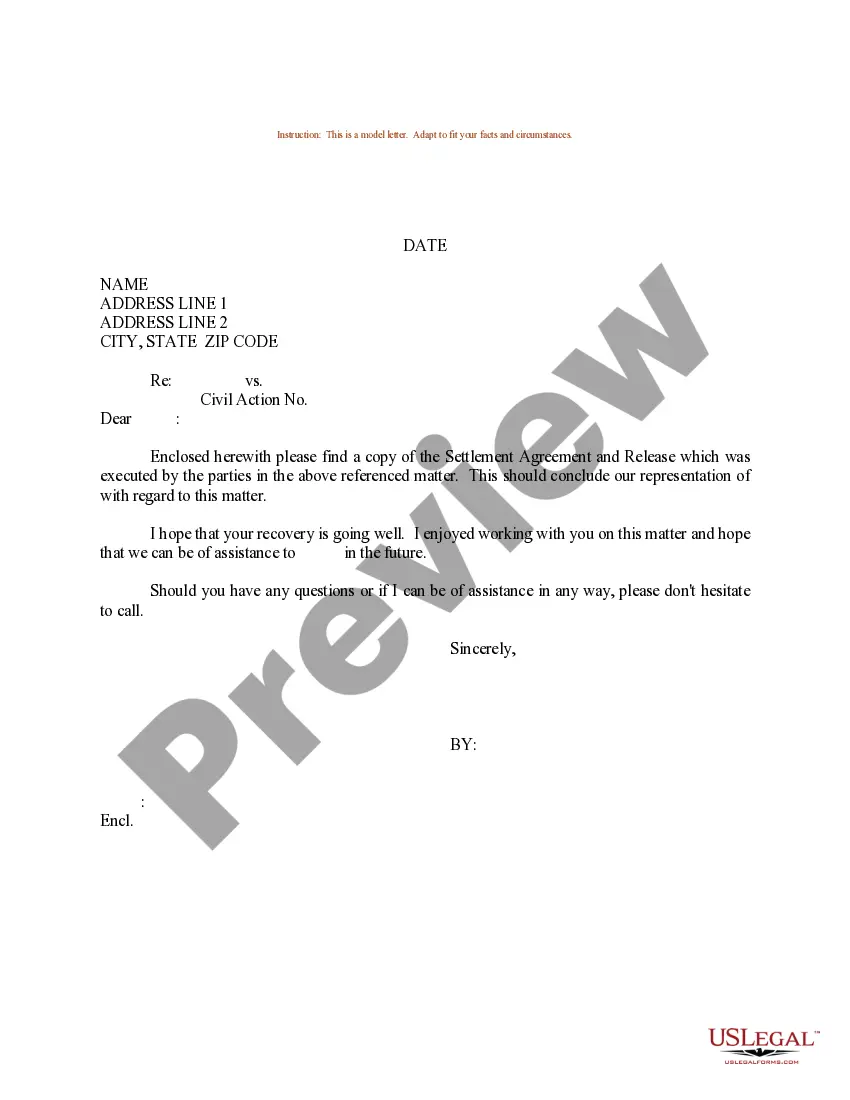
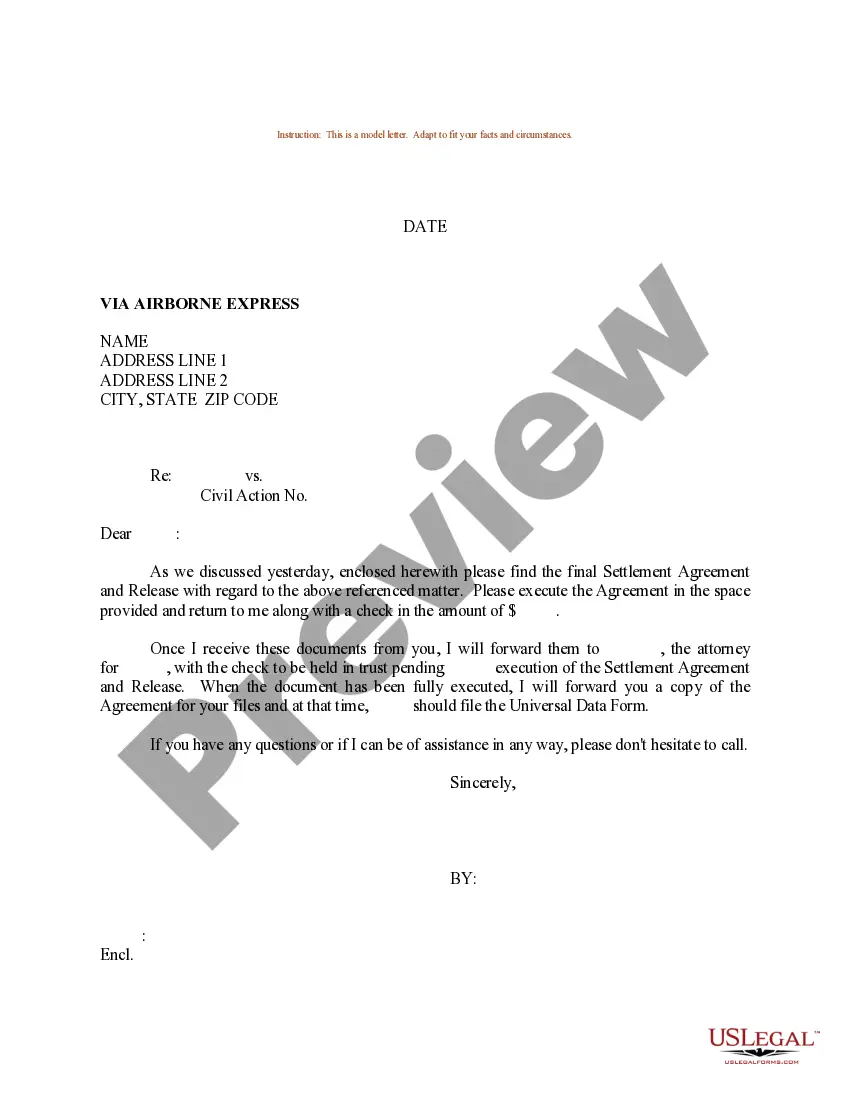
A Confirmation Letter is a letter sent to an employee or potential employee to confirm that the person has been offered a job and that the offer is still open. The letter may also include details about the start date, salary, and other benefits.
All U.S. employers must properly complete Form I-9 for every individual they hire for employment in the United States. This includes citizens and noncitizens. Both employees and employers (or authorized representatives of the employer) must complete the form.
Contact the human resources department It may be your company's policy that you direct all employment verification requests to the human resources department. In some cases, an HR representative may write the letter, or they may provide a template that your direct supervisor can use.
Employers frequently receive employment verification requests from prospective employers, government agencies, collection agencies, and mortgage lenders. However, receiving a verification request does not mean that an employer will necessarily have to respond to it.