Settlement Confirmation Letter With Loan In Bronx
Description


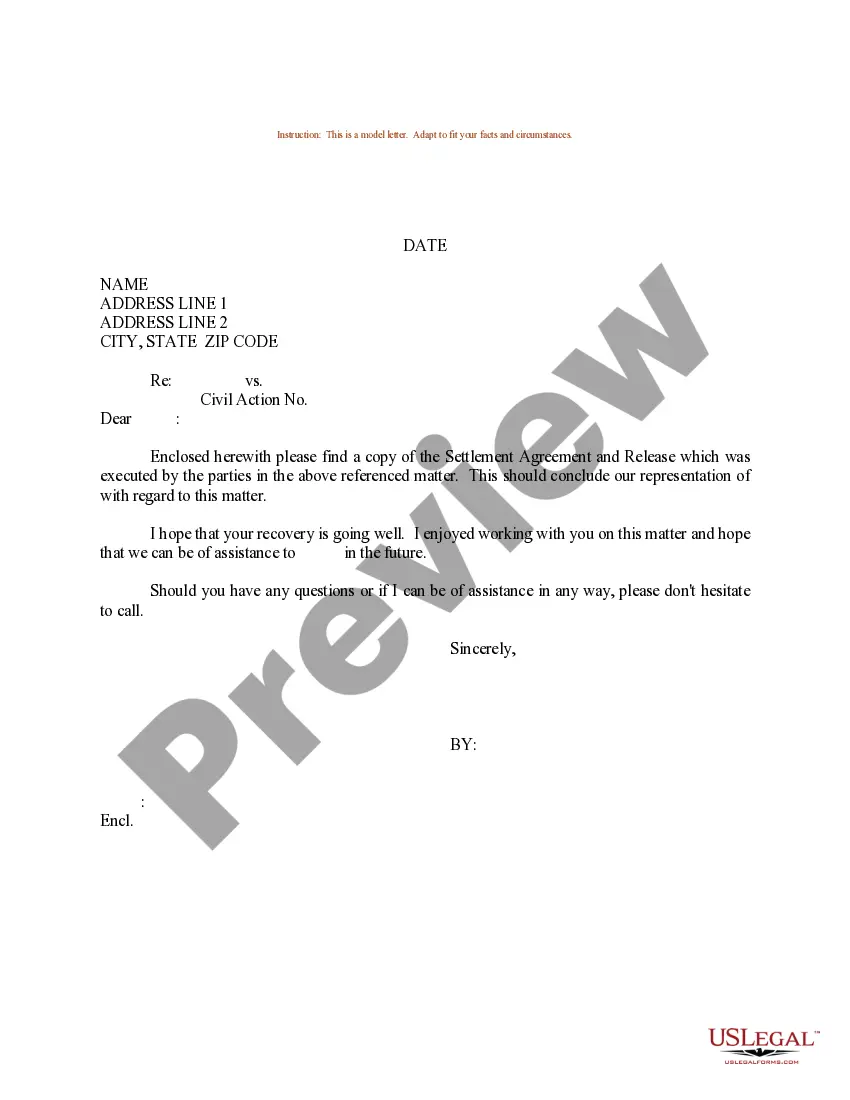
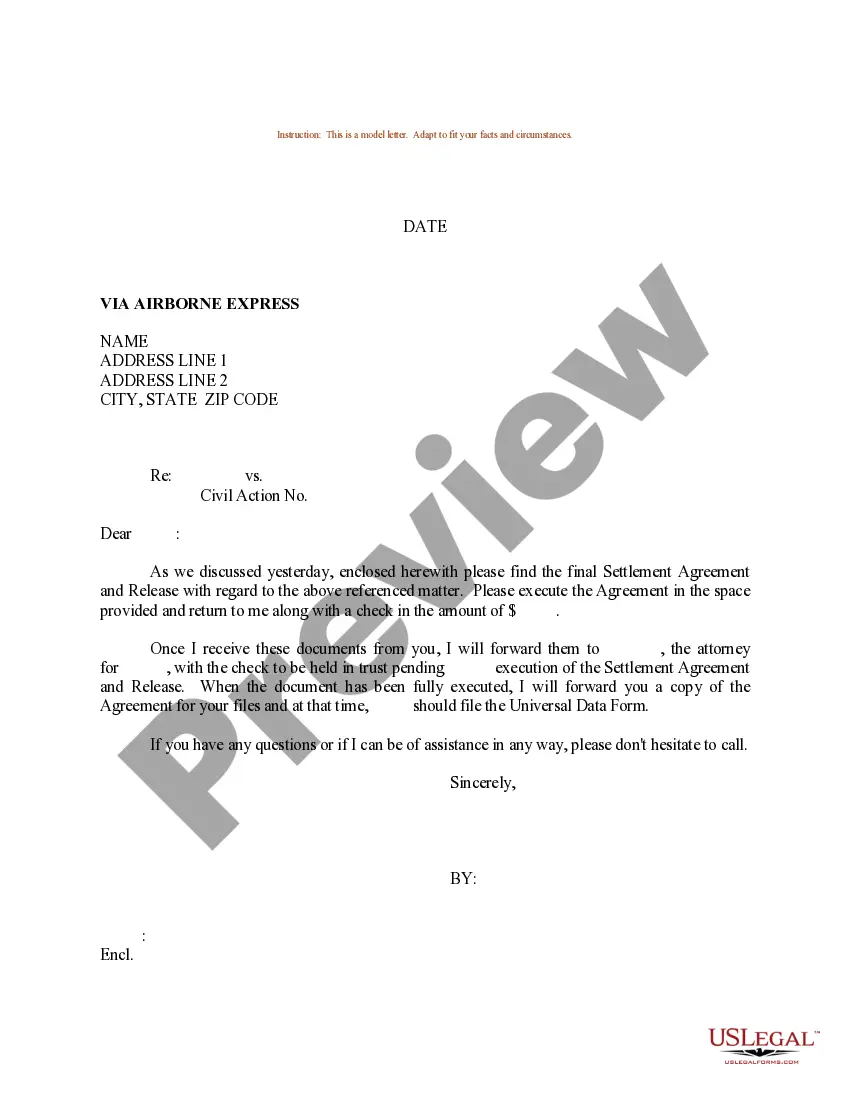
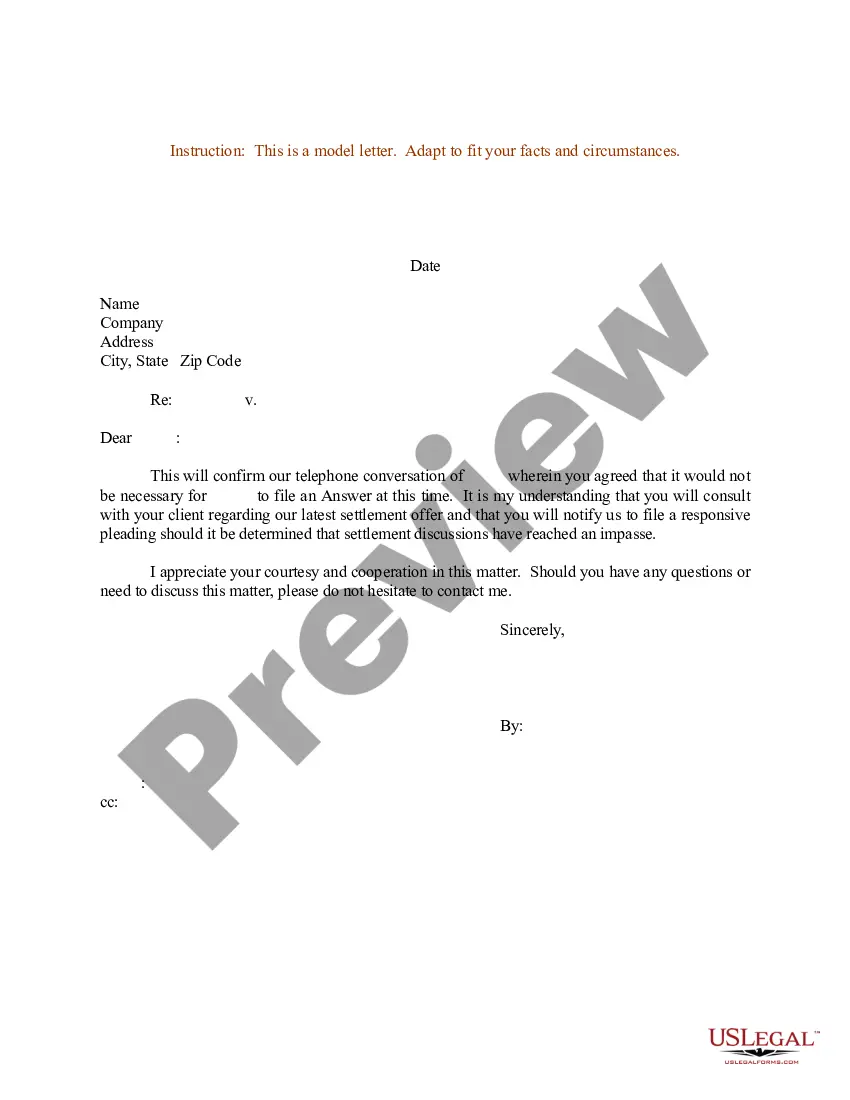
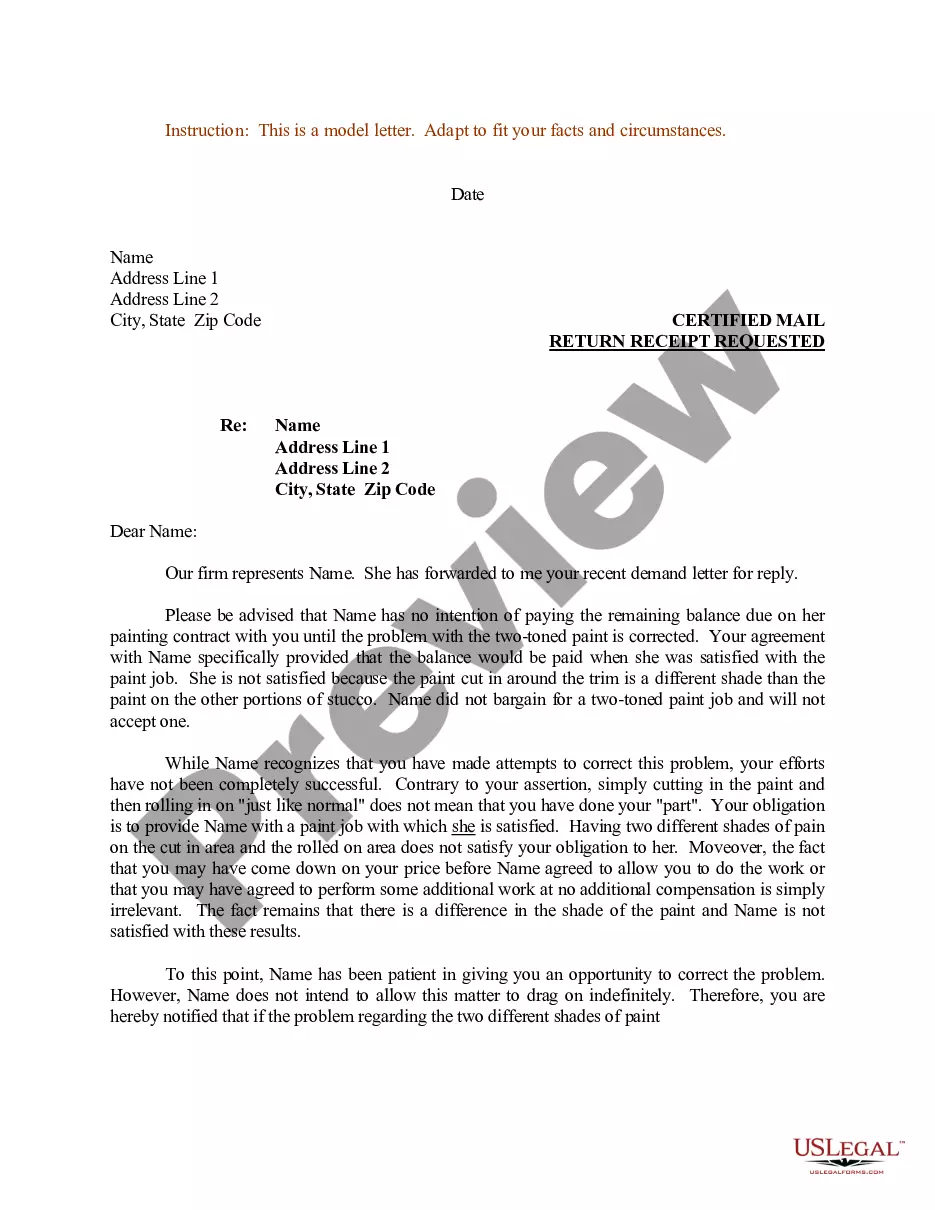
Get your form ready online
Our built-in tools help you complete, sign, share, and store your documents in one place.
Make edits, fill in missing information, and update formatting in US Legal Forms—just like you would in MS Word.
Download a copy, print it, send it by email, or mail it via USPS—whatever works best for your next step.
Sign and collect signatures with our SignNow integration. Send to multiple recipients, set reminders, and more. Go Premium to unlock E-Sign.
If this form requires notarization, complete it online through a secure video call—no need to meet a notary in person or wait for an appointment.
We protect your documents and personal data by following strict security and privacy standards.

Make edits, fill in missing information, and update formatting in US Legal Forms—just like you would in MS Word.

Download a copy, print it, send it by email, or mail it via USPS—whatever works best for your next step.

Sign and collect signatures with our SignNow integration. Send to multiple recipients, set reminders, and more. Go Premium to unlock E-Sign.

If this form requires notarization, complete it online through a secure video call—no need to meet a notary in person or wait for an appointment.

We protect your documents and personal data by following strict security and privacy standards.
Looking for another form?









Form popularity
FAQ
Drafting a settlement agreement Consult with legal counsel. Always get legal advice when drafting or entering into a settlement agreement. Detail the dispute. Clearly outline the nature of the dispute and the reasons for the settlement. Specify terms. Include a release. Maintain confidentiality. Sign and date.
For an uncontested divorce, spouses must create a settlement agreement that outlines how property, assets, and debts will be divided. This agreement should cover all marital property, which is any property acquired during the marriage, such as real estate, vehicles, and joint bank accounts.
Under New York law, and in other US jurisdictions, settlement agreements are treated like any other contract. ingly to establish the existence of a settlement agreement, “a plaintiff must establish an offer, acceptance of the offer, consideration, mutual assent and an intent to be bound” (Kowalchuk v.
A settlement agreement is a legally binding contract between an employer and an employee that outlines the terms for resolving a dispute or ending the employment relationship. It typically includes compensation for the employee in exchange for waiving their right to bring future claims against the employer.
Tips to Negotiate with Creditors on Your Own Determine If Negotiation Is Right for You. Set Your Terms. Tell the Truth and Keep a Consistent Story. Learn Your Rights Under the Fair Debt Collection Practices Act (FDCPA) ... Keep Detailed Communication Notes. Negotiate with Creditors Directly. Get All Agreements in Writing.
Treat the following as a set of general guidelines: Gather complete information before you start writing. Describe your injuries and medical treatment. List your medical expenses, lost wages, and non-economic damages. Make a settlement demand. Include a deadline for legal action if you want to, but don't bluff.
In a Nutshell The statute of limitations on debt in New York state is three years.
Treat the following as a set of general guidelines: Gather complete information before you start writing. Describe your injuries and medical treatment. List your medical expenses, lost wages, and non-economic damages. Make a settlement demand. Include a deadline for legal action if you want to, but don't bluff.
For example, a collector cannot make threats of violence or use obscene or profane language, or repeated annoying telephone calls. They cannot make false or misleading statements about the amount owed or whom they represent. The law also prevents collectors from giving false credit information about you to anyone.
5 Steps to Negotiate Credit Card Debt Settlement Confirm the Amount You Owe. First, double-check the amount of the debt you want to negotiate a settlement for. Calculate How Much You Can Repay. Get Help From a Professional. Contact Your Creditor. Agree to a Debt Settlement Plan.