Severance Termination Without Cause In Utah
Description

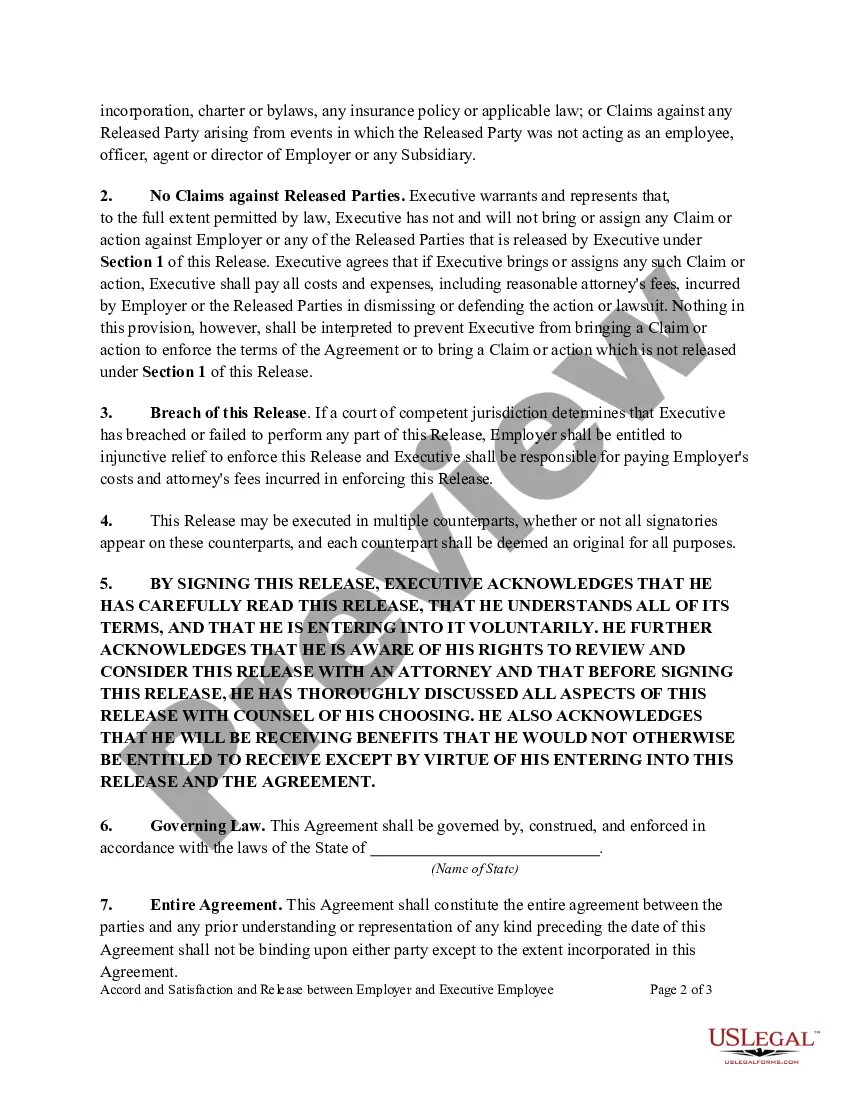
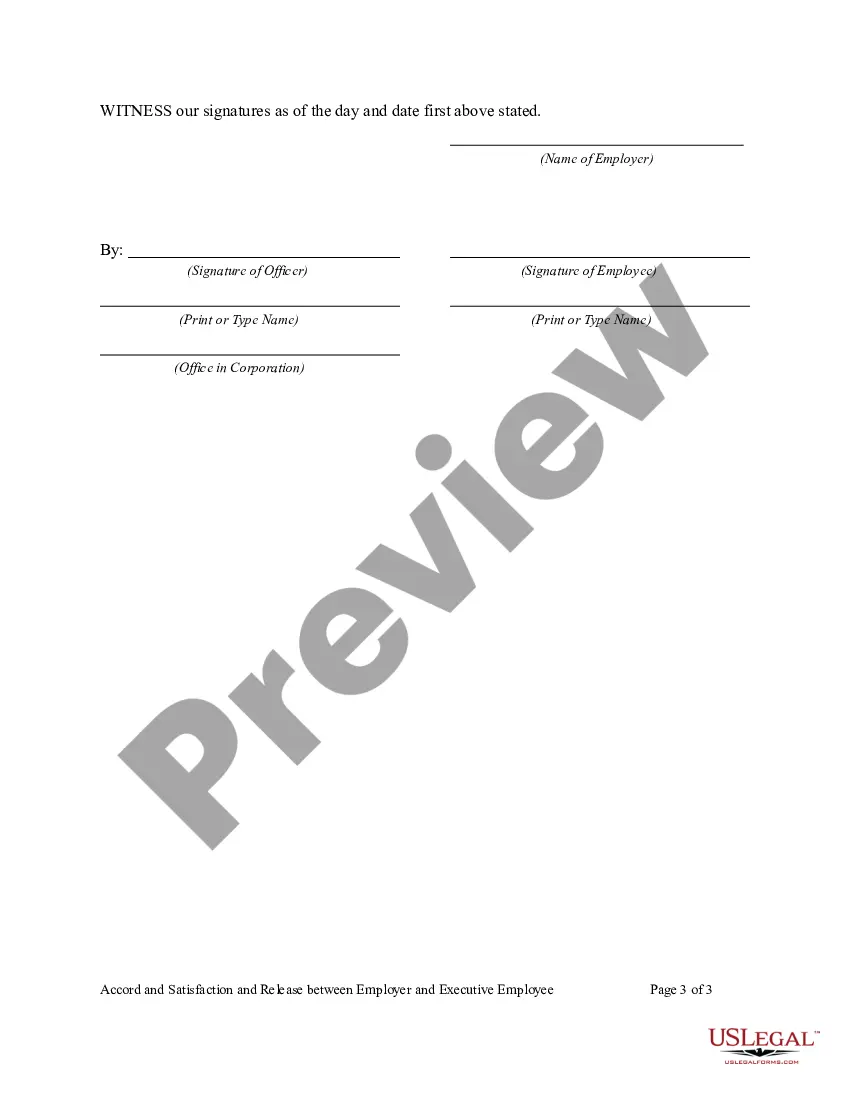
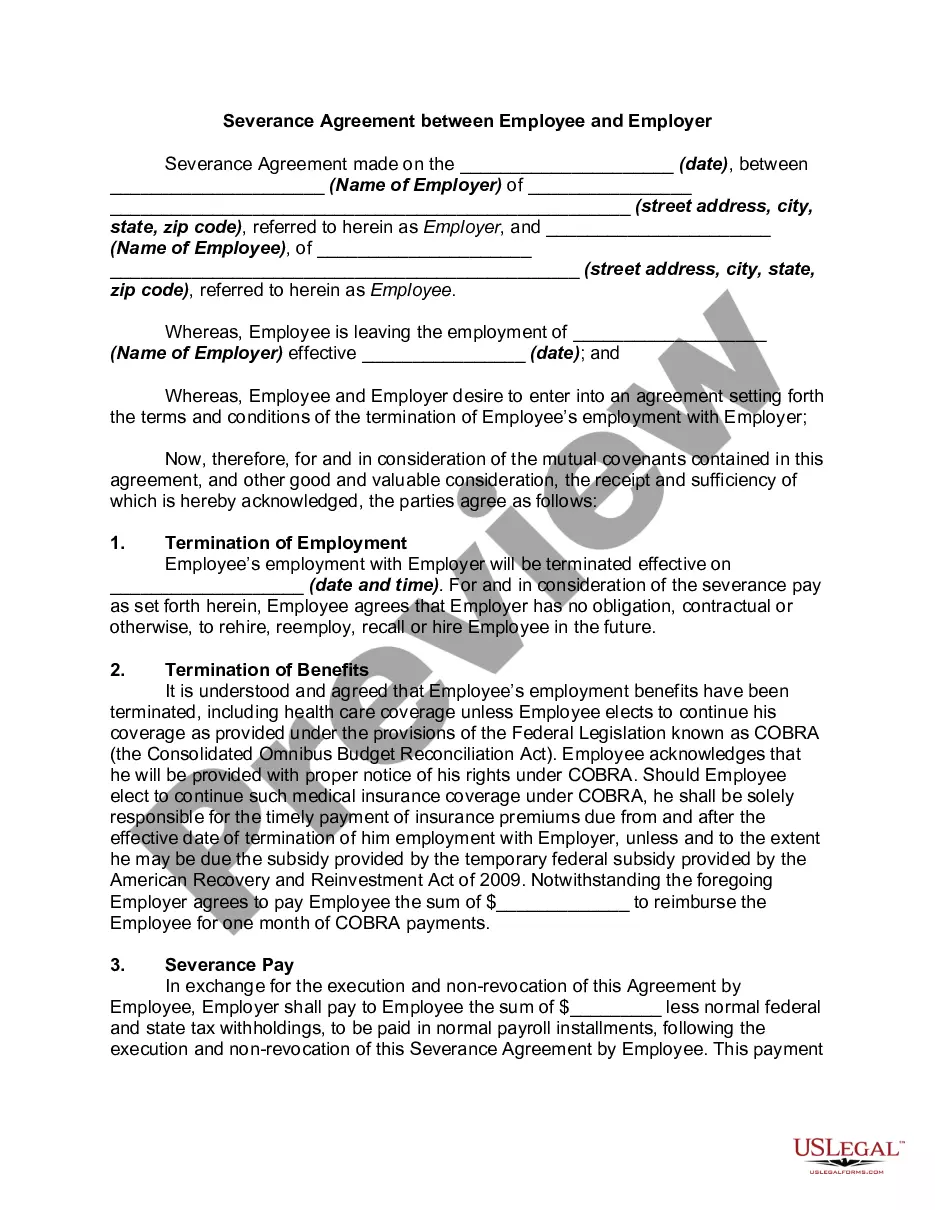
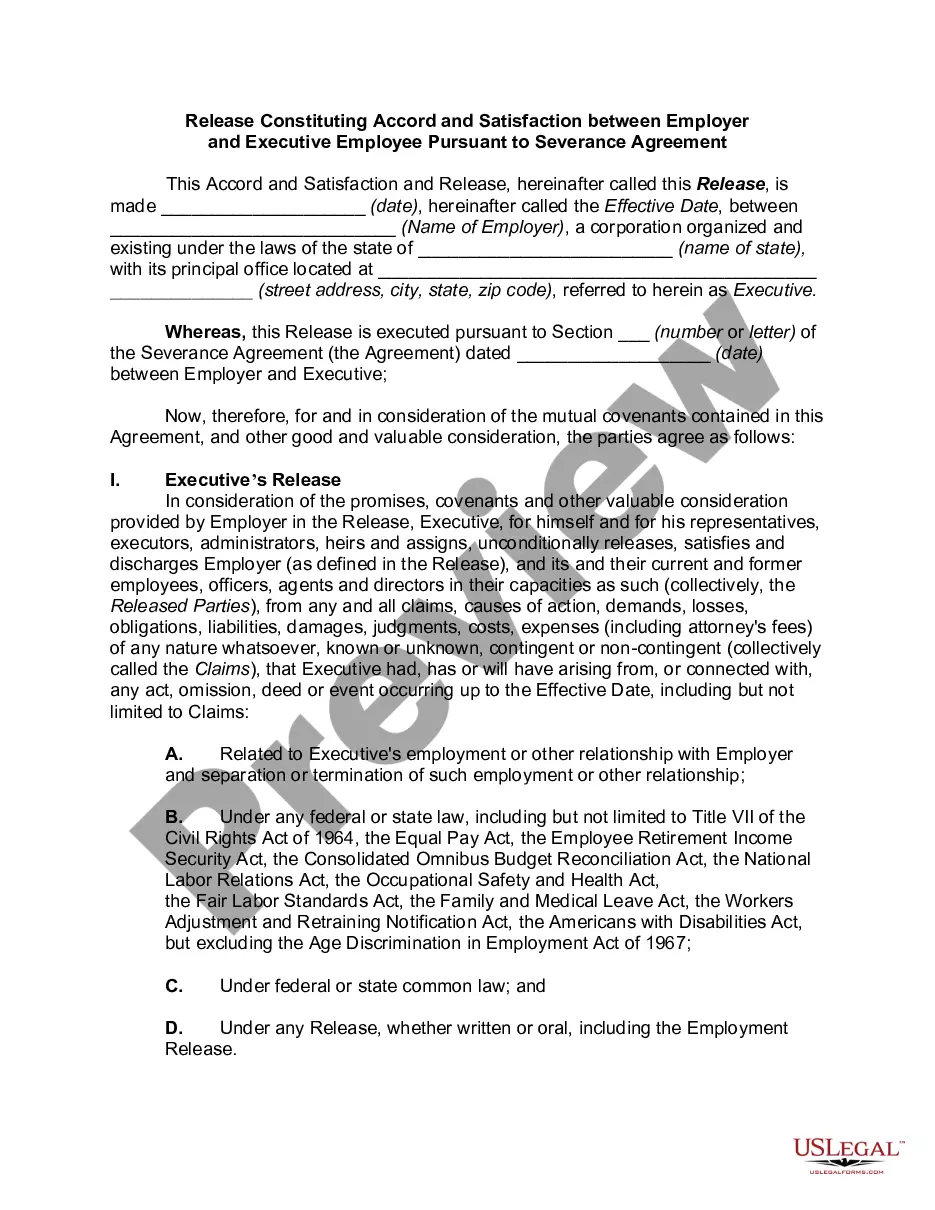
Get your form ready online
Our built-in tools help you complete, sign, share, and store your documents in one place.
Make edits, fill in missing information, and update formatting in US Legal Forms—just like you would in MS Word.
Download a copy, print it, send it by email, or mail it via USPS—whatever works best for your next step.
Sign and collect signatures with our SignNow integration. Send to multiple recipients, set reminders, and more. Go Premium to unlock E-Sign.
If this form requires notarization, complete it online through a secure video call—no need to meet a notary in person or wait for an appointment.
We protect your documents and personal data by following strict security and privacy standards.

Make edits, fill in missing information, and update formatting in US Legal Forms—just like you would in MS Word.

Download a copy, print it, send it by email, or mail it via USPS—whatever works best for your next step.

Sign and collect signatures with our SignNow integration. Send to multiple recipients, set reminders, and more. Go Premium to unlock E-Sign.

If this form requires notarization, complete it online through a secure video call—no need to meet a notary in person or wait for an appointment.

We protect your documents and personal data by following strict security and privacy standards.
Looking for another form?









Form popularity
FAQ
The type of evidence you will need depends on the type of wrongful termination case you have. Evidence can be in the form of your testimony, witness statements, “me too” victims, documents, communications, and recordings. Evidence of a particular pattern, practice, and policy may also be relevant.
It is illegal for an employer to retaliate against an employee because he or she has opposed any type of discriminatory treatment or because he or she has filed charges, testified, assisted or participated in any proceeding, investigation or hearing alleging discriminatory treatment protected by the law.
Utah prohibits an employer from discharging an employee for a reason deemed to be in violation of a clear and substantial public policy. An employee terminated in violation of a clear and substantial public policy may sue for wrongful discharge.
While multimillion awards are possible, it is crucial to keep in mind that federal laws limit the amount of punitive and compensatory damages awarded in cases involving wrongful termination. They cannot exceed $50,000 – $300,000, depending on the number of employees working for the employer's business.
To prove wrongful dismissal, you will need to be able to show that your employer fired you without cause and without providing the proper notice or severance. Each of these elements must be proven to be able to seek compensation for a wrongful dismissal case.
In law, wrongful dismissal, also called wrongful termination or wrongful discharge, is a situation in which an employee's contract of employment has been terminated by the employer, where the termination breaches one or more terms of the contract of employment, or a statute provision or rule in employment law.
Your termination could be wrongful if your employer fired you: Due to discrimination. In violation of a federal or state labor law. Because you reported and refused to participate in harassment.
Utah operates under the “at-will” employment doctrine, similar to many other states in the US. This means employers in Utah can terminate an employee at any time for any reason, except for illegal reasons such as discrimination, retaliation, or breach of contract.