Severance Agreement Form Without Severance In Texas
Description

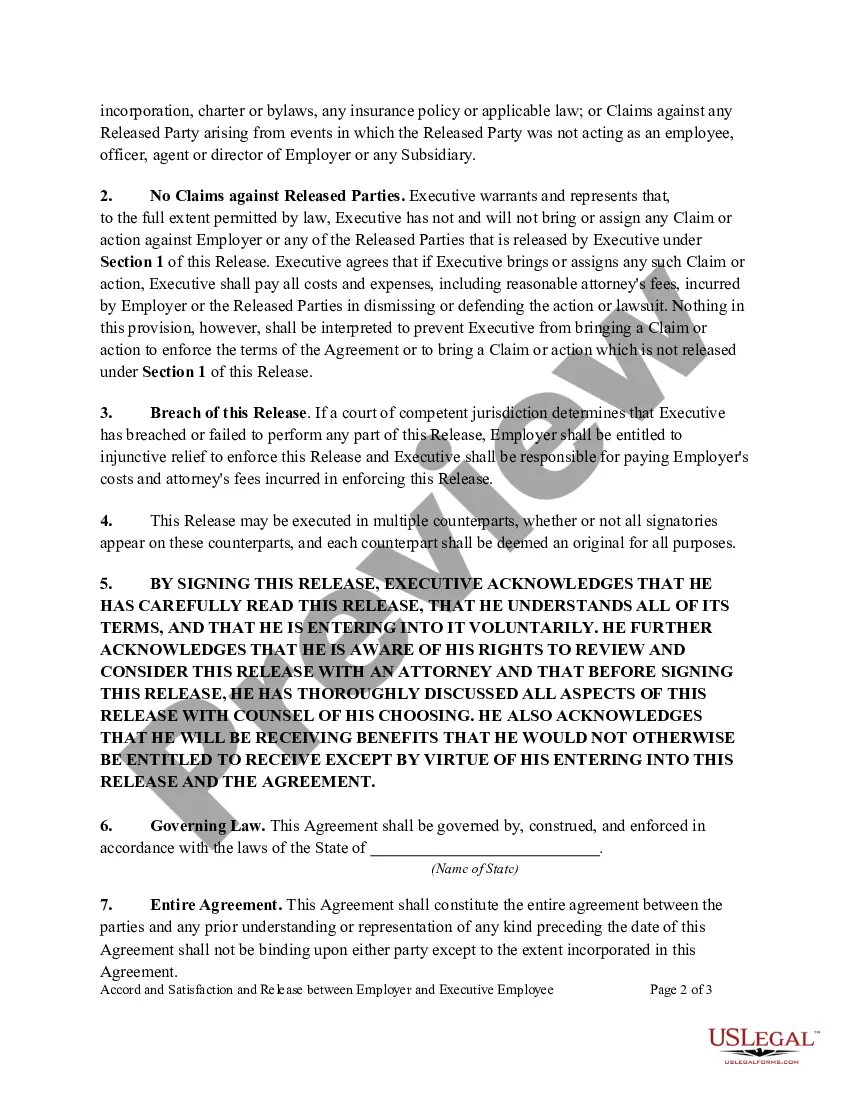
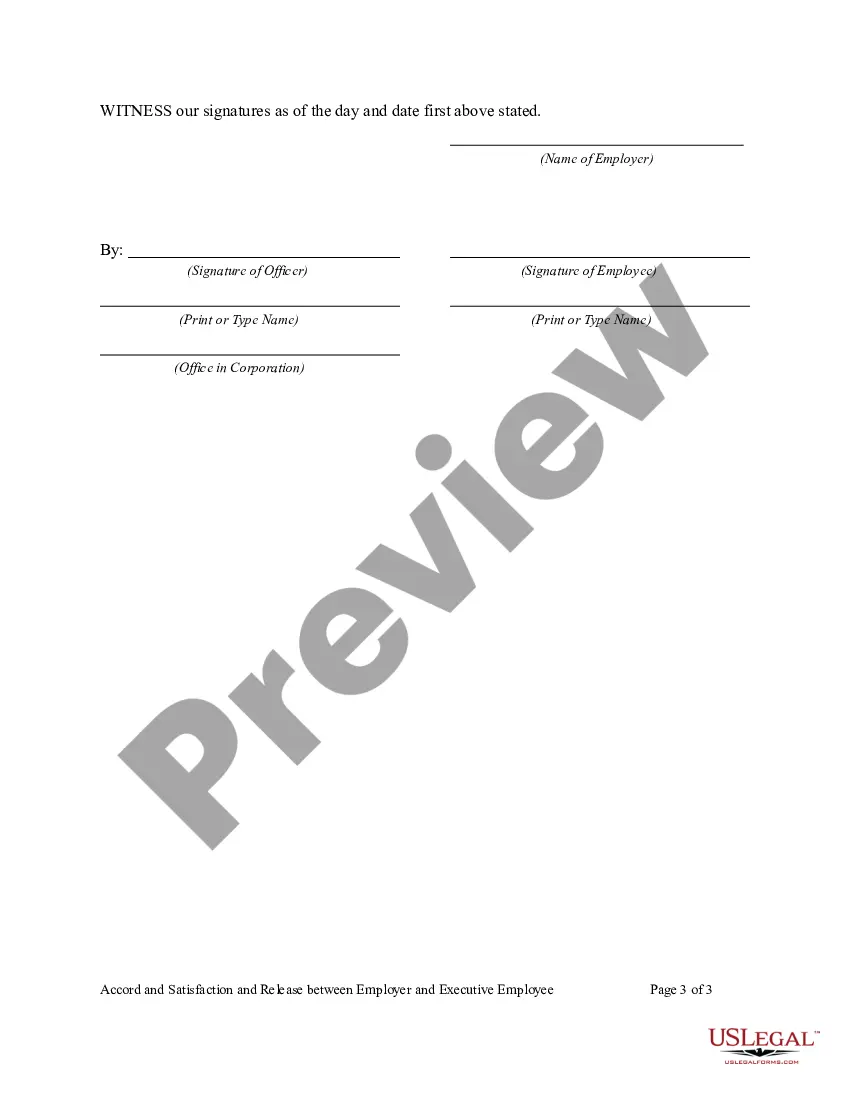
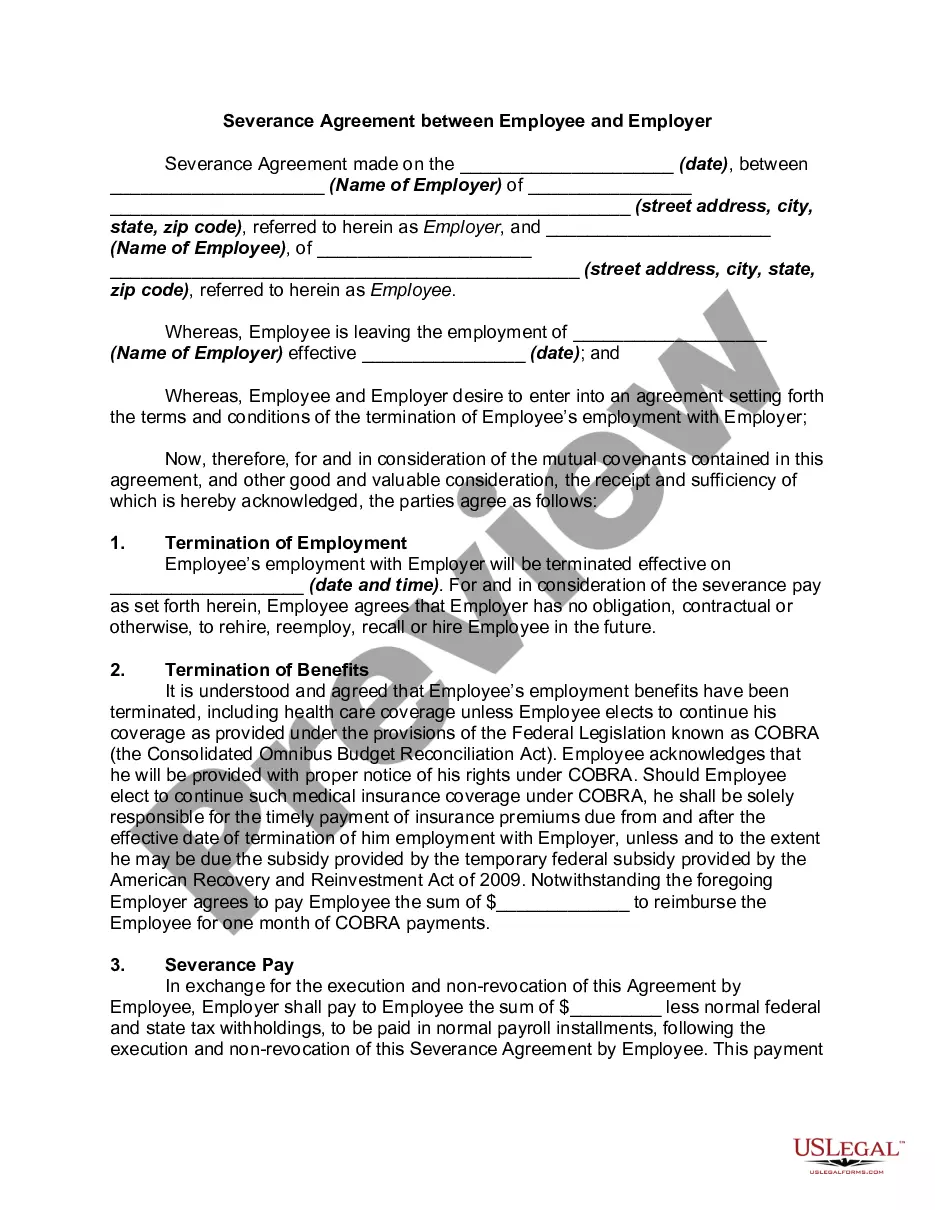
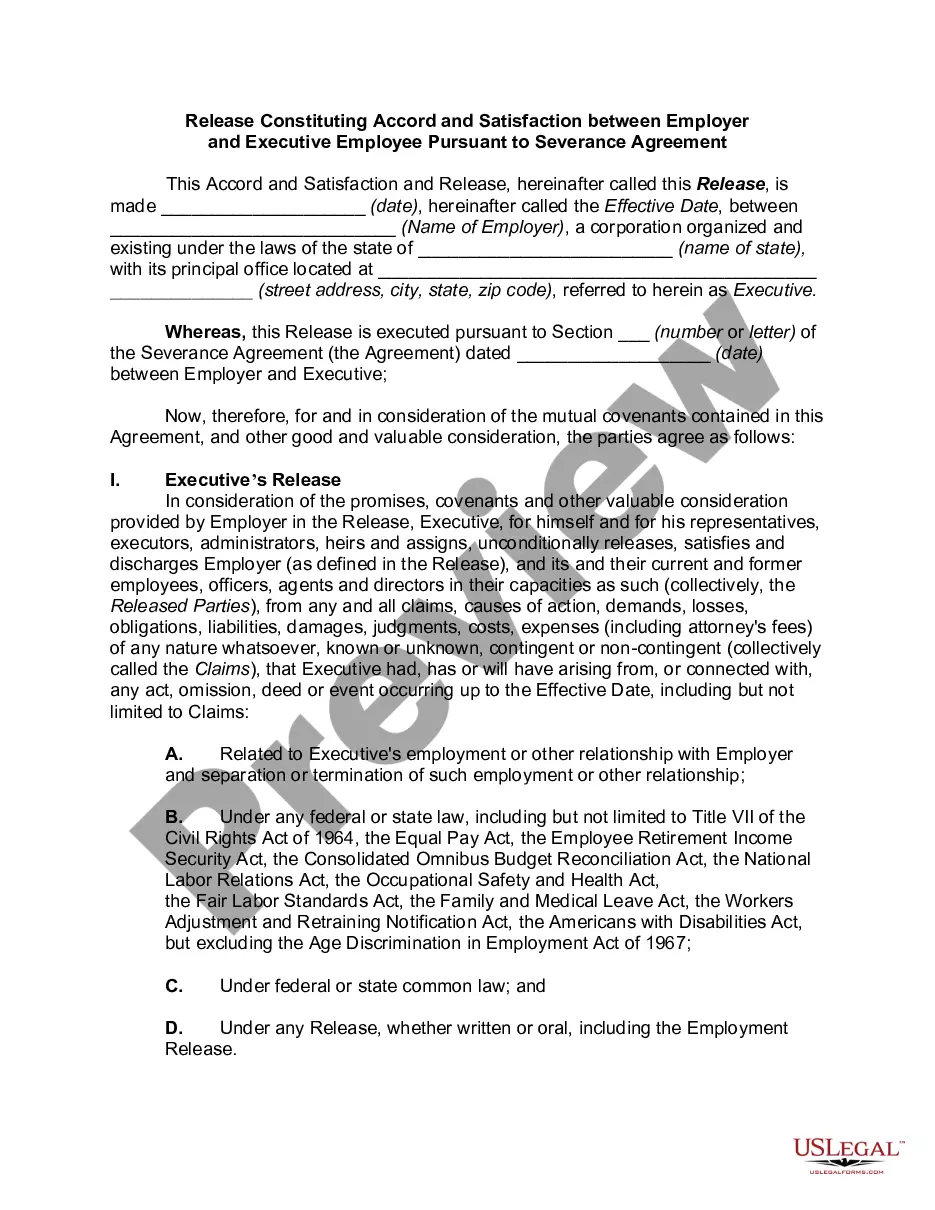
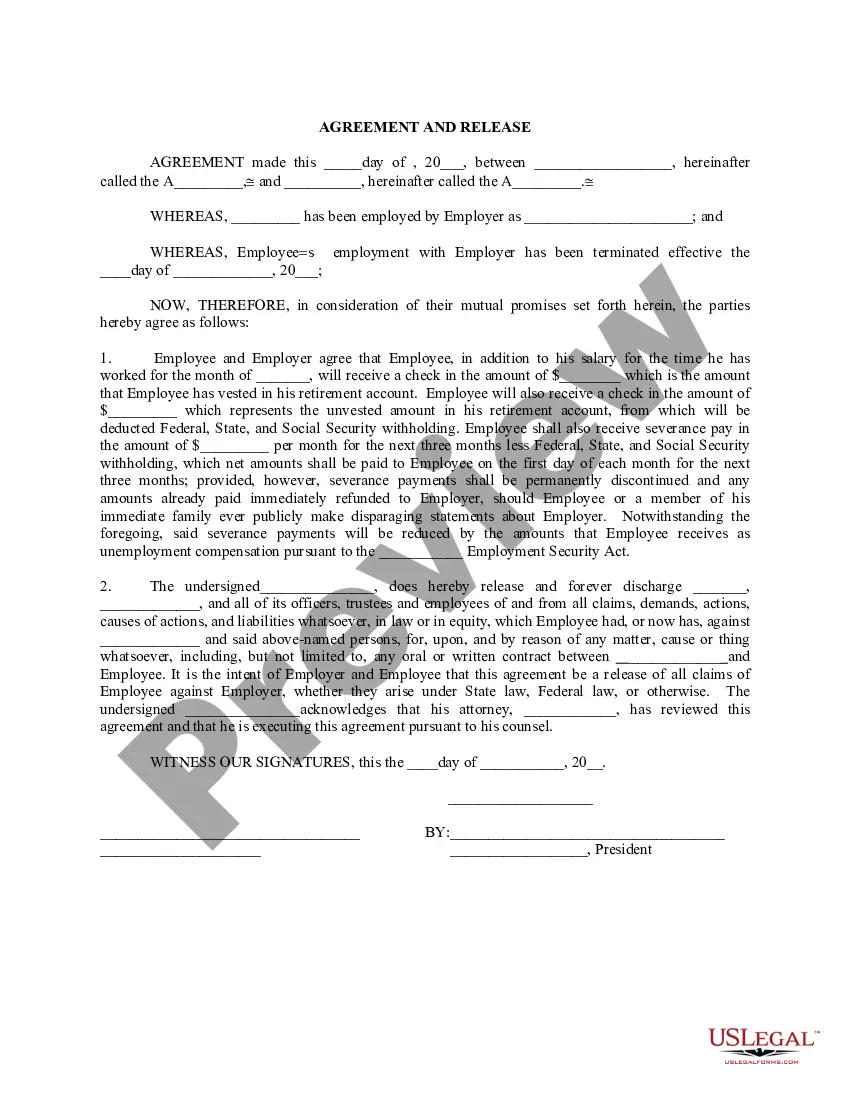
Get your form ready online
Our built-in tools help you complete, sign, share, and store your documents in one place.
Make edits, fill in missing information, and update formatting in US Legal Forms—just like you would in MS Word.
Download a copy, print it, send it by email, or mail it via USPS—whatever works best for your next step.
Sign and collect signatures with our SignNow integration. Send to multiple recipients, set reminders, and more. Go Premium to unlock E-Sign.
If this form requires notarization, complete it online through a secure video call—no need to meet a notary in person or wait for an appointment.
We protect your documents and personal data by following strict security and privacy standards.

Make edits, fill in missing information, and update formatting in US Legal Forms—just like you would in MS Word.

Download a copy, print it, send it by email, or mail it via USPS—whatever works best for your next step.

Sign and collect signatures with our SignNow integration. Send to multiple recipients, set reminders, and more. Go Premium to unlock E-Sign.

If this form requires notarization, complete it online through a secure video call—no need to meet a notary in person or wait for an appointment.

We protect your documents and personal data by following strict security and privacy standards.
Looking for another form?


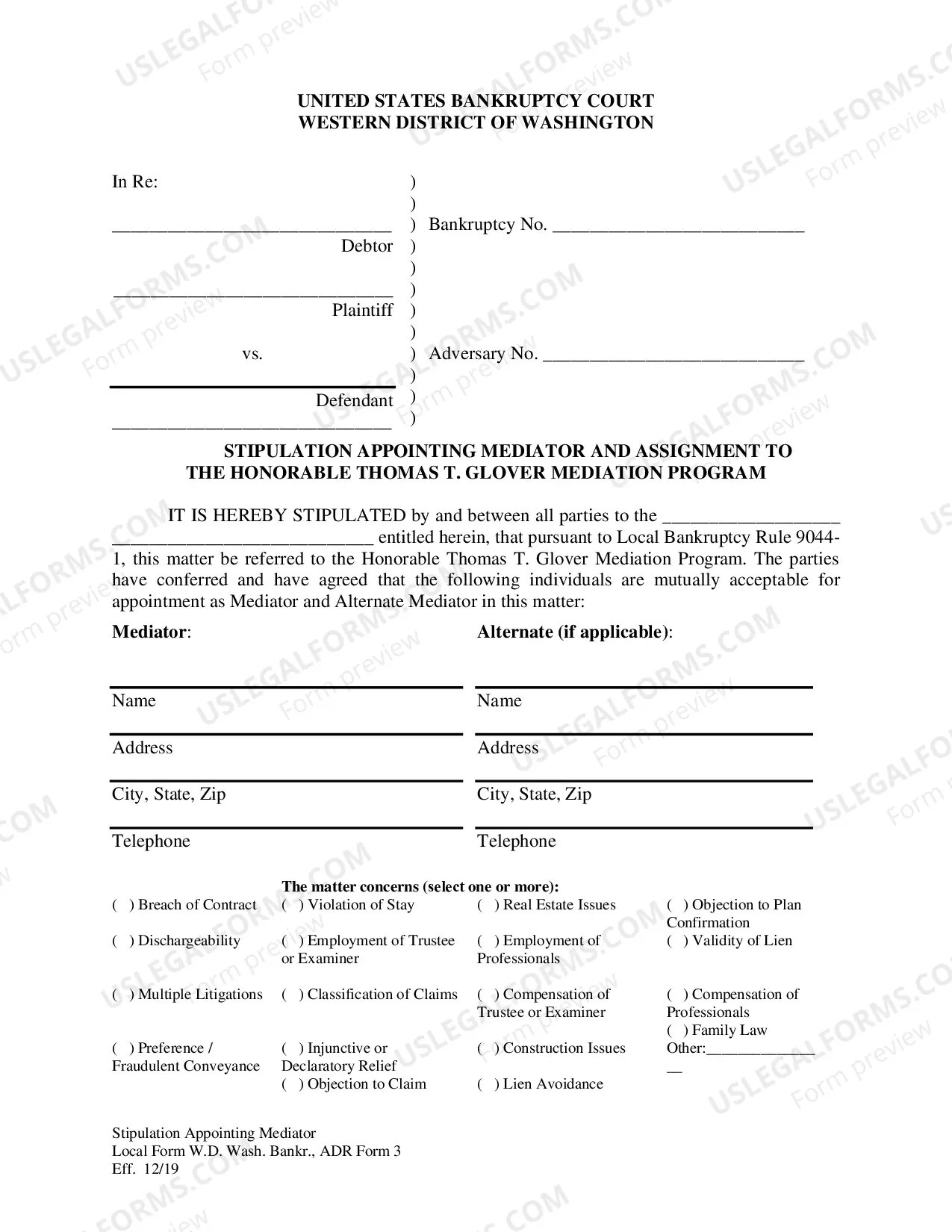





Form popularity
FAQ
Lack of Voluntary Consent: Under California law, a severance agreement can be considered valid and enforceable only if the parties entered into it voluntarily. If your consent was obtained through coercion, duress, or fraud, the agreement will be deemed invalid.
Most employers know that Texas is an “employment at-will” state, meaning that—unless there is an employment agreement guaranteeing employment for a specific amount of time—employees can be terminated for any lawful reason.
There is no requirement to provide severance in the US and if you were terminated for cause a company generally would not provide it. In general severance is only provided when a company does something like lay you off because of financial conditions or restructuring (if even then).
The agreement must be backed by consideration. The employer must give something of value to the employee in exchange for the agreement. Employees must have 21 days to consider the severance offer, or 45 days if more than one employee is laid off as part of a group lay off.
Texas, like many U.S. states, operates under the “at-will” employment doctrine. This means that unless a contract or an agreement states otherwise, both employers and employees can terminate the employment relationship at any time, for any reason, or even for no reason at all, provided it's not an unlawful one.
"Pink slip" or work separation notice - optional in most states - not required in Texas (however, giving at least a simple work separation notice can help prevent ex-employees from filing wage claims based upon "work" they allegedly did after your company thought they were gone - see comment 5 under "Work Separations - ...
In summation, Texas (like nearly every other state) utilizes at-will employment as the default relationship when no separate agreement exists between the employer and the employee. Here, an employer or an employee can effectuate separation from employment at any time, with or without notice, for any lawful reason.
Is a Letter of Termination Required? For the most part, the Federal Labor Standards Act (FLSA) doesn't require organizations to provide letters of termination. The exceptions are when employees are part of a union, a collective bargaining agreement, or certain mass layoffs or corporate closures.
Because Texas is an “employment at-will” state, an employer can fire an employee at any time for any lawful reason. Any lawful reason for termination may include a bad reason or no reason at all.
Normally, except in the event of a mass layoff, no notice to the state of Texas is required for any kind of work separation, but if the employee was subject to a wage garnishment order for child support or alimony, the employer must notify the New Hire division of the Attorney General's office within seven days of the ...