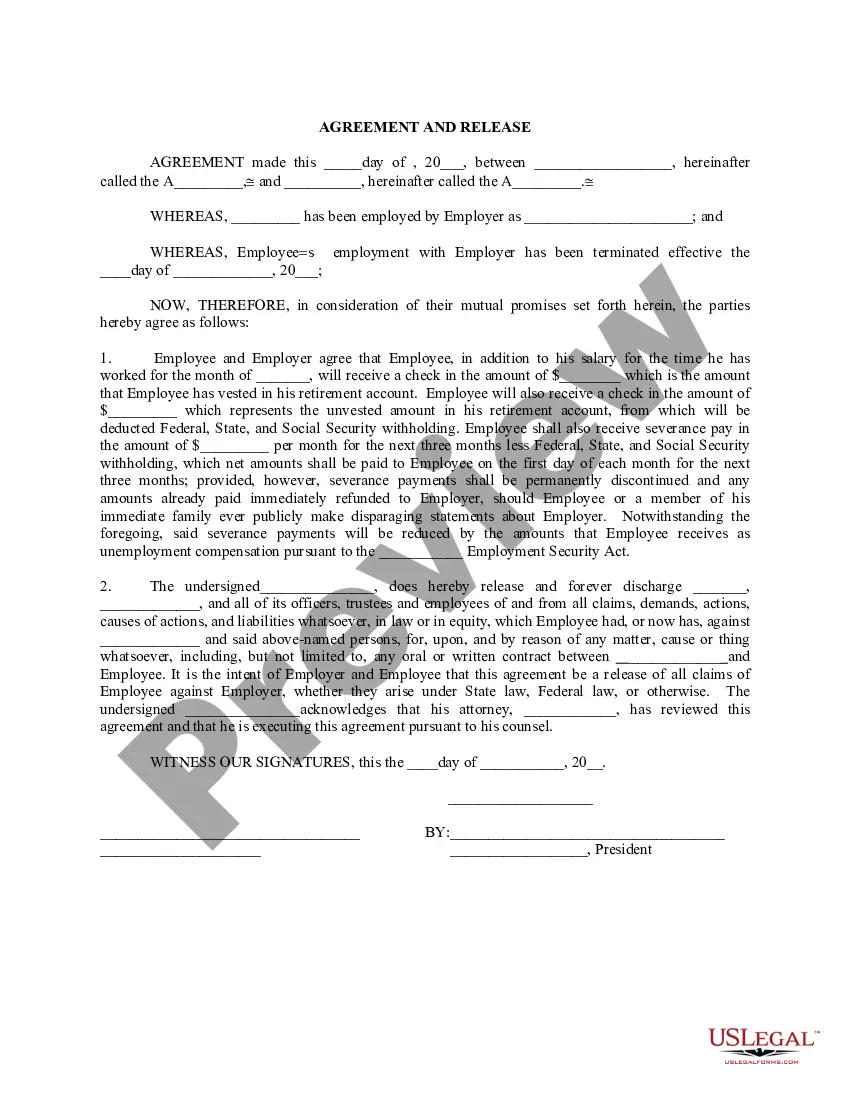
Severance Termination For Cause In San Bernardino
Description

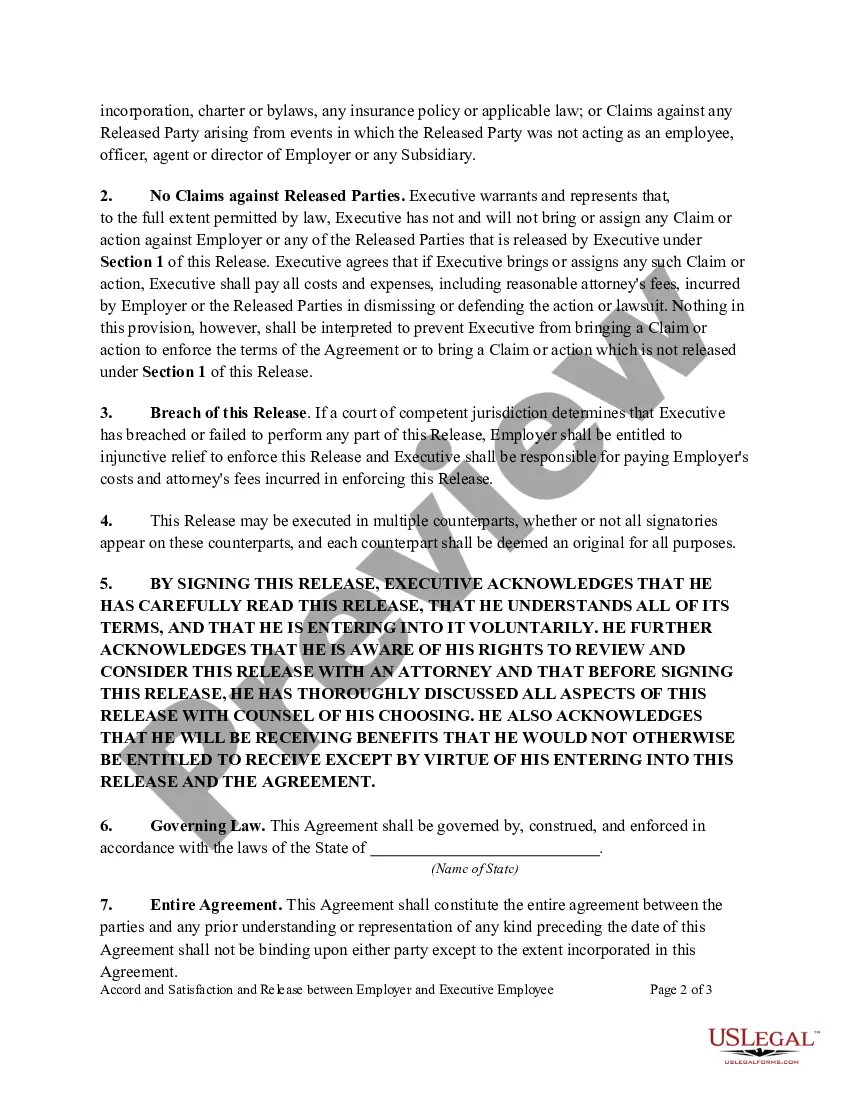
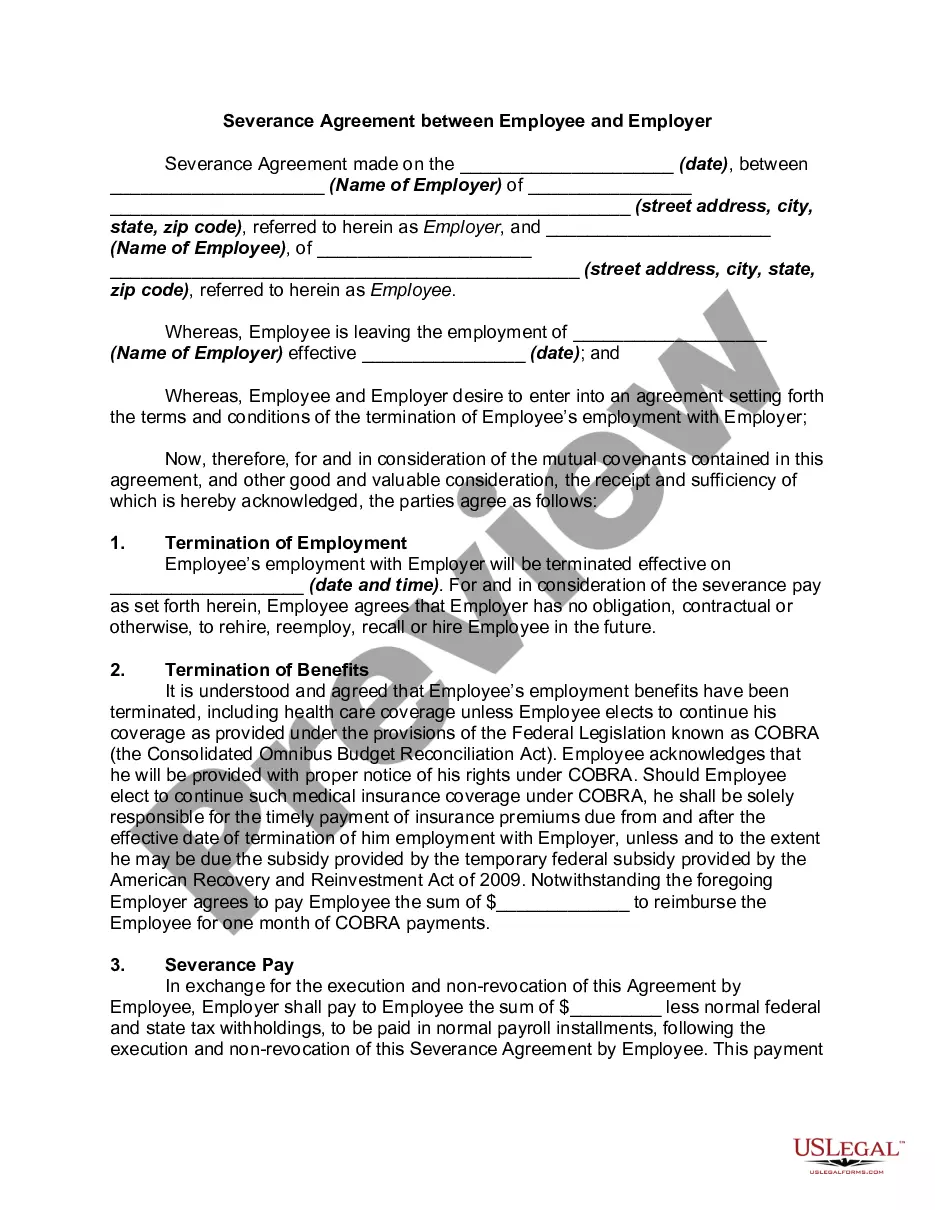
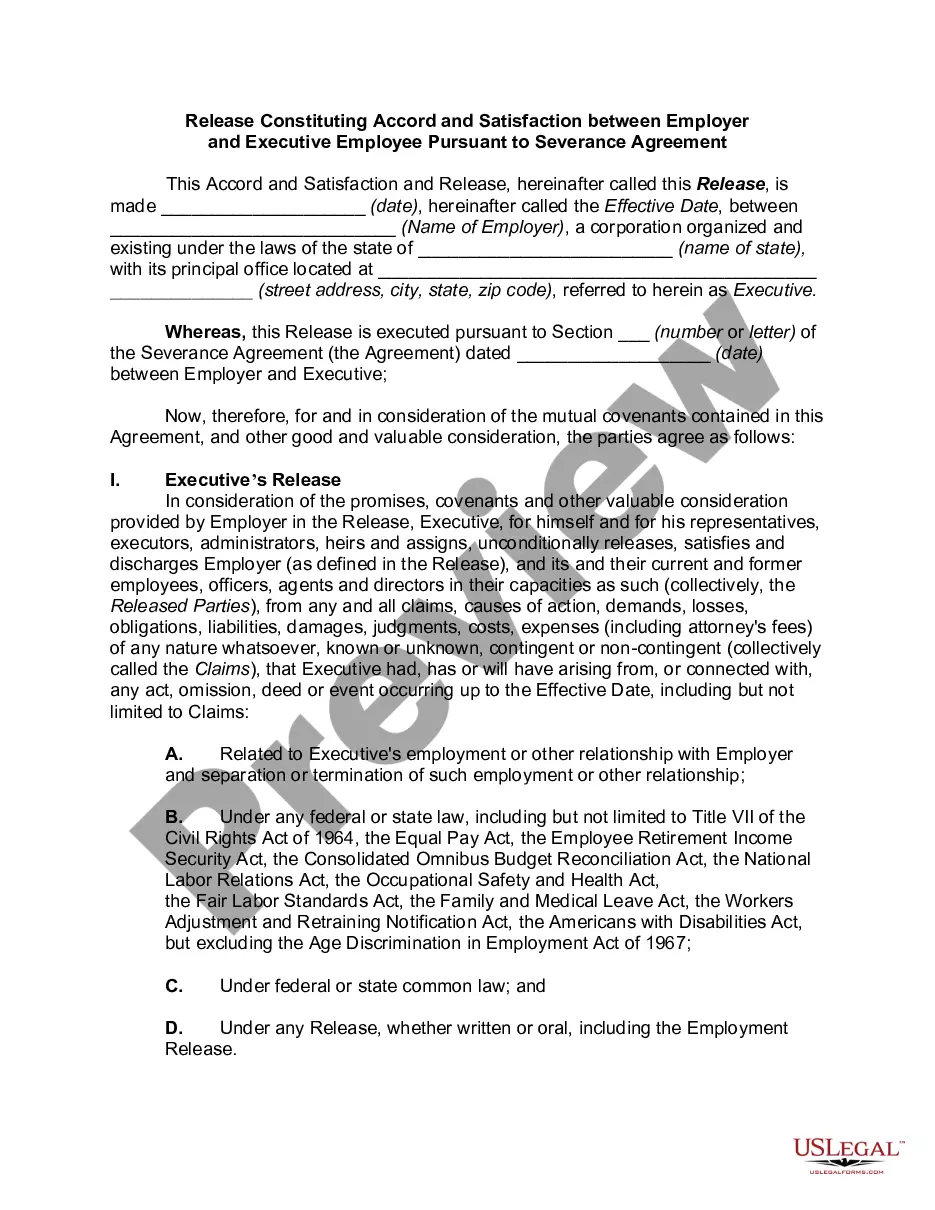
Get your form ready online
Our built-in tools help you complete, sign, share, and store your documents in one place.
Make edits, fill in missing information, and update formatting in US Legal Forms—just like you would in MS Word.
Download a copy, print it, send it by email, or mail it via USPS—whatever works best for your next step.
Sign and collect signatures with our SignNow integration. Send to multiple recipients, set reminders, and more. Go Premium to unlock E-Sign.
If this form requires notarization, complete it online through a secure video call—no need to meet a notary in person or wait for an appointment.
We protect your documents and personal data by following strict security and privacy standards.

Make edits, fill in missing information, and update formatting in US Legal Forms—just like you would in MS Word.

Download a copy, print it, send it by email, or mail it via USPS—whatever works best for your next step.

Sign and collect signatures with our SignNow integration. Send to multiple recipients, set reminders, and more. Go Premium to unlock E-Sign.

If this form requires notarization, complete it online through a secure video call—no need to meet a notary in person or wait for an appointment.

We protect your documents and personal data by following strict security and privacy standards.
Looking for another form?




Form popularity
FAQ
Most employers offer a severance agreement established by company policy that outlines the financial terms on which the employee will leave the company. Sometimes, employees can negotiate those terms. Regardless, they must sign the agreement to receive their severance package.
If you're fired for cause, which it sounds like you will be, then they don't need to give you severance. Normally companies will give something to avoid getting sued for wrongful dismissal, because normally there are steps they need to take in order to avoid those kinds of lawsuits.
Just cause termination absolves the employer of severance payments. The employer must provide clear evidence of serious misconduct to avoid severance obligations. Terminated employees should seek legal advice to verify if just cause has been appropriately established.
Whenever an employee is terminated with cause, the reason should be clearly stated in their termination letter. If the employee is fired without a clear reason, the discharge will be considered as termination without cause.
Do You Get Severance If You Get Fired? There are no legal requirements or federal law for employers to offer a dismissal or redundancy package at the time of termination of employment. The Fair Labor Standards Act (FLSA) does not have any such provisions either.
Tips to Negotiate Your Severance Package Understand the situation. Let the company make the first step and show you their offer. Decide on your requests. Next, decide what you want to ask for. Make a counteroffer. Sign when you're ready.
Eligibility for Retiree Health and Life Insurance Benefits Rule of 70: the employee's age plus years of continuous, full-time service equal 70 or more, and the employee is at least age 55, with at least ten years of continuous, full-time service.
While no mandate requires employers to provide severance under California law, SB 331, signed into law in October 2021, introduced important provisions: Time to Review: You have a minimum of five days to review the severance agreement.