Severance Agreement Form With Non Compete In San Bernardino
Description

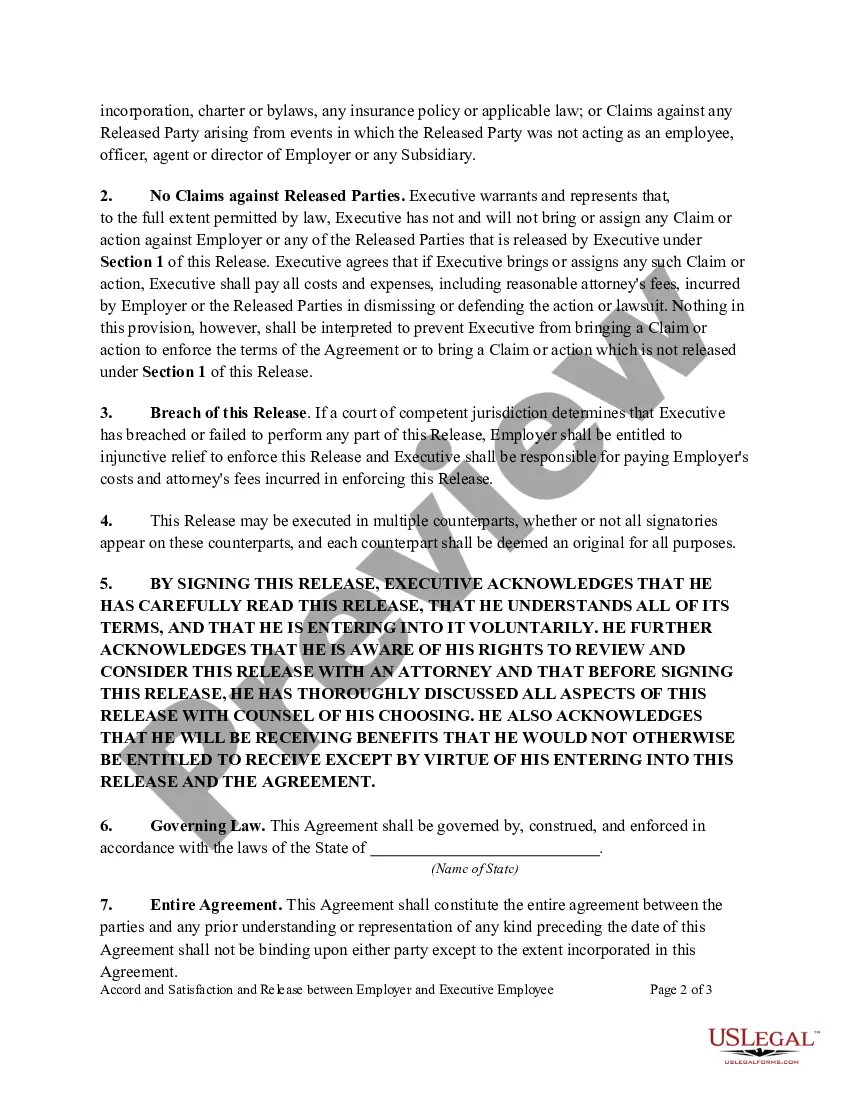
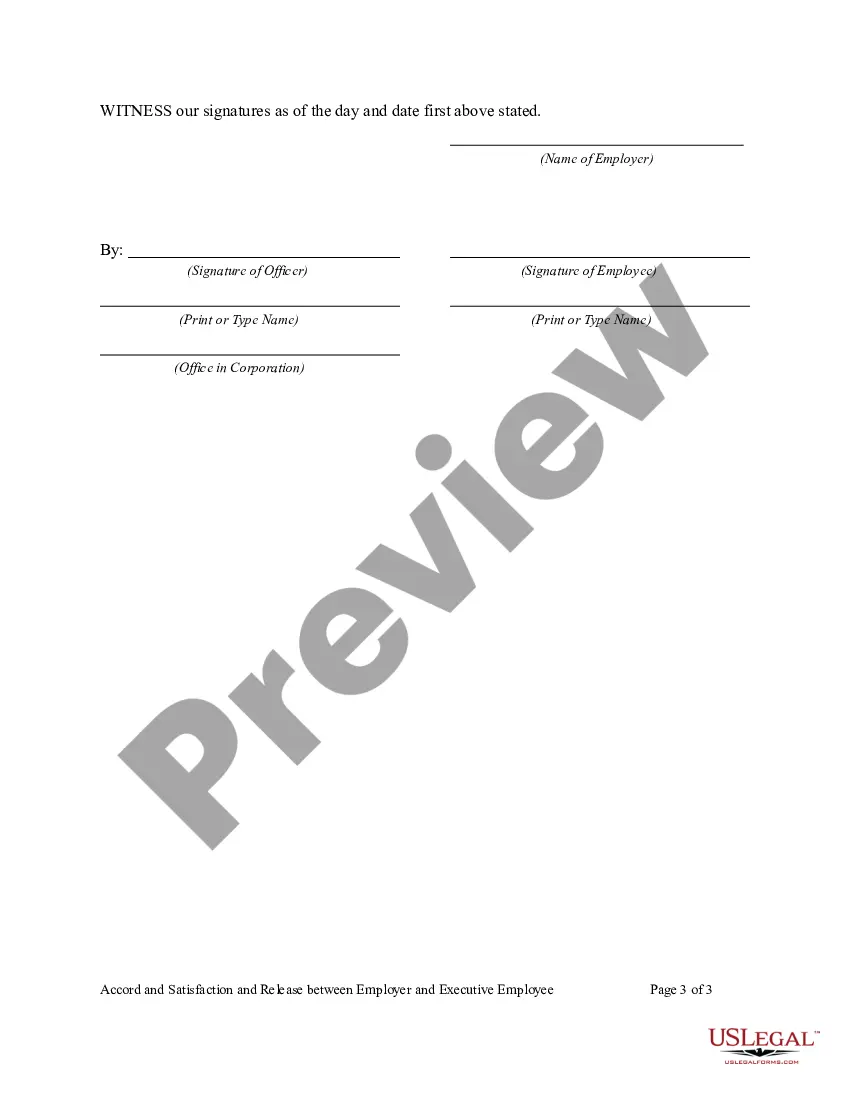
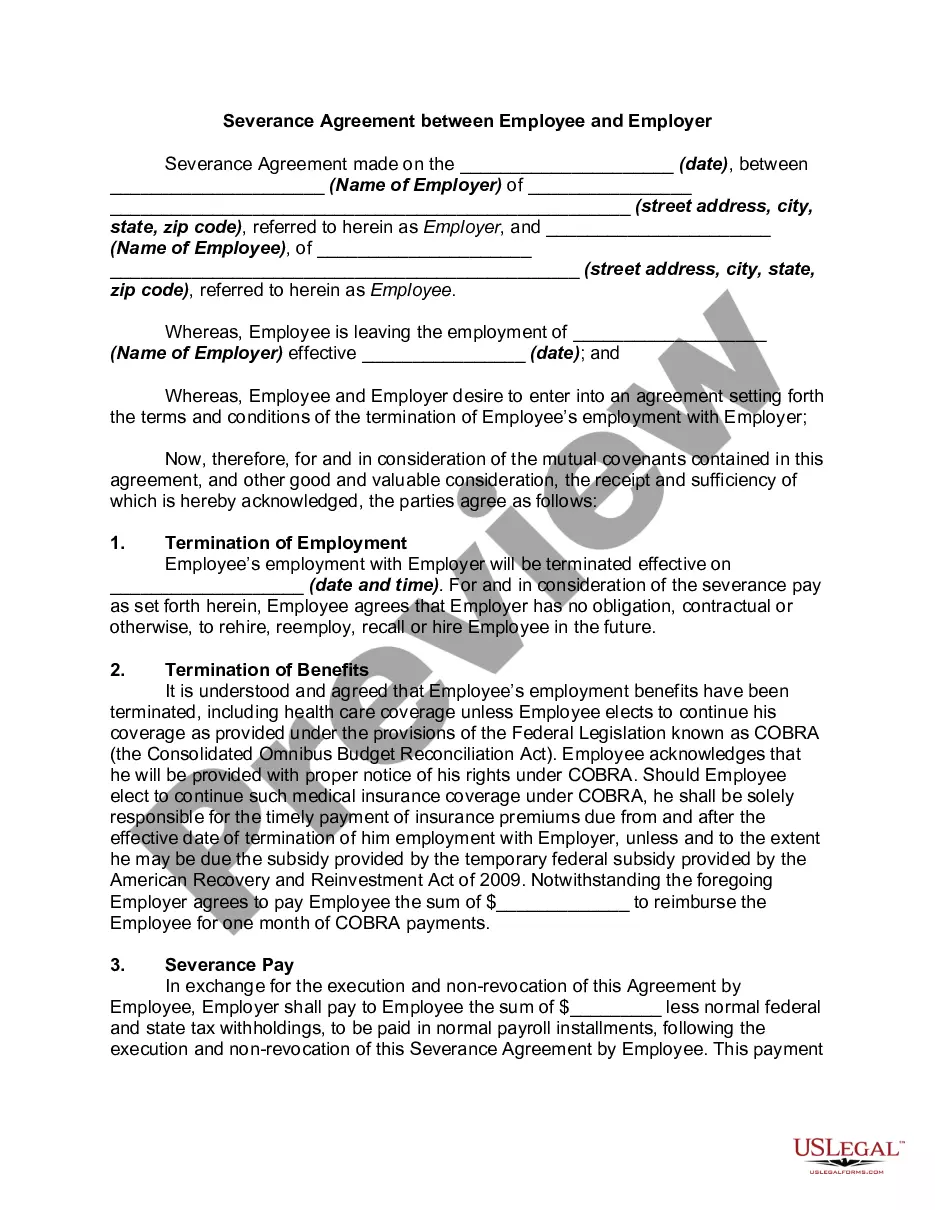
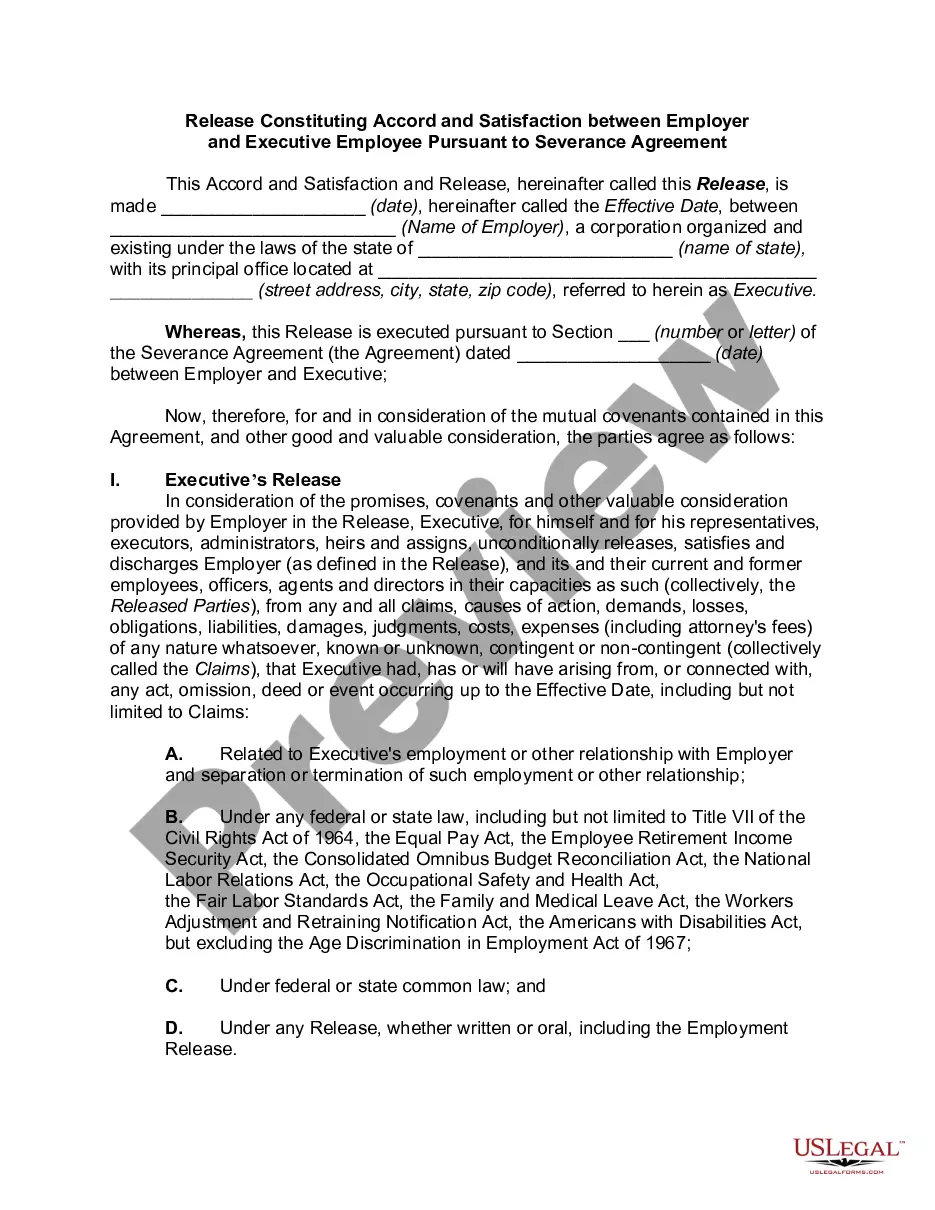
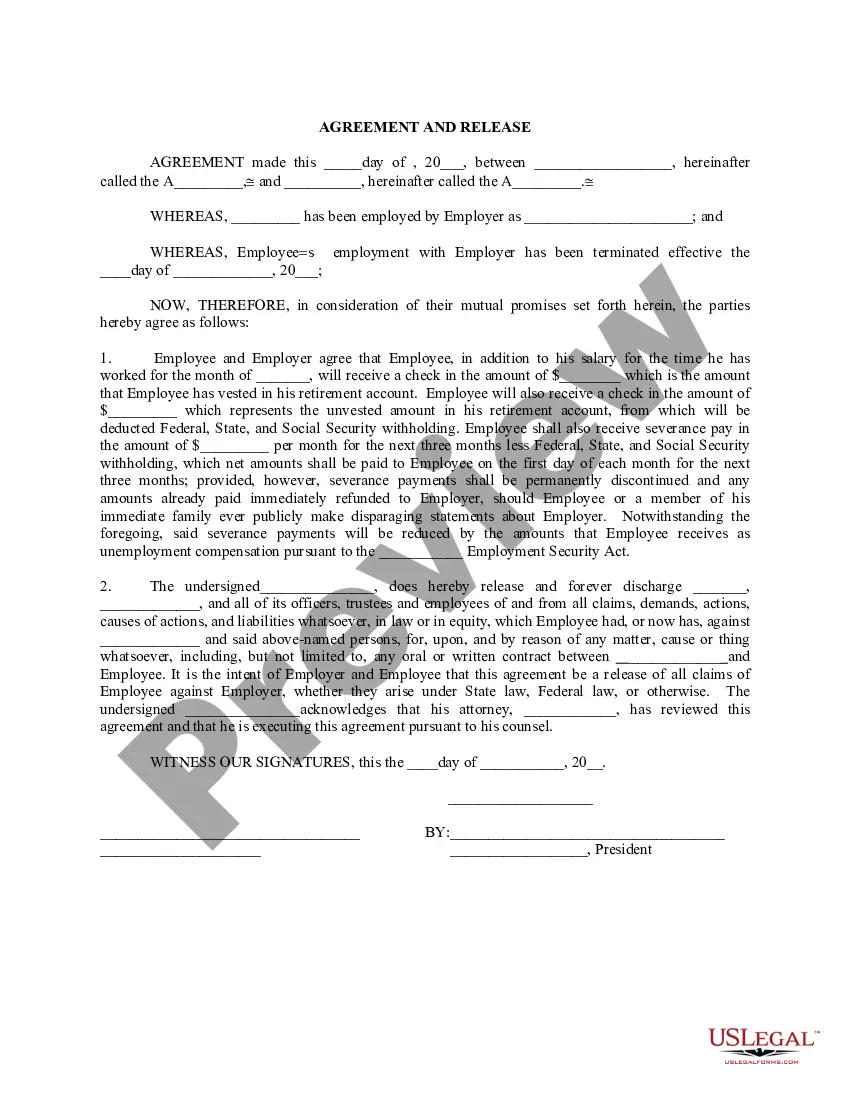
Get your form ready online
Our built-in tools help you complete, sign, share, and store your documents in one place.
Make edits, fill in missing information, and update formatting in US Legal Forms—just like you would in MS Word.
Download a copy, print it, send it by email, or mail it via USPS—whatever works best for your next step.
Sign and collect signatures with our SignNow integration. Send to multiple recipients, set reminders, and more. Go Premium to unlock E-Sign.
If this form requires notarization, complete it online through a secure video call—no need to meet a notary in person or wait for an appointment.
We protect your documents and personal data by following strict security and privacy standards.

Make edits, fill in missing information, and update formatting in US Legal Forms—just like you would in MS Word.

Download a copy, print it, send it by email, or mail it via USPS—whatever works best for your next step.

Sign and collect signatures with our SignNow integration. Send to multiple recipients, set reminders, and more. Go Premium to unlock E-Sign.

If this form requires notarization, complete it online through a secure video call—no need to meet a notary in person or wait for an appointment.

We protect your documents and personal data by following strict security and privacy standards.
Looking for another form?






Form popularity
FAQ
Most severance agreements include a release of claims clause, which means: If You Signed a Release of Claims, You Usually Cannot Sue.
You are bound by whatever conditions you agreed to in the non compete contract. You can leave the job and likely still practice in your given field. The most common restriction is one of distance. So you cannot leave your current company and go across the street to work for a competitor.
Severance agreements can be challenged on grounds of unconscionability or duress. Unconscionability refers to terms that are so one-sided or oppressive that they shock the conscience.
The following are the most common ways to get out of a non-compete agreement: Determine that the terms of the contract do not in fact prevent you from a desired course of action. Recognize when a non-compete contradicts the law. Negotiate a release agreement with the involved parties. Ignore the agreement.
It is generally unlawful in California for an employer's severance agreement to state that you may not compete against the employer in a future job.
compete clause is fairly standard in severance packages for key employees. The employer asks the employee to agree not to work for competing businesses, poach clients, or recruit existing employees for a period of time or in a certain geographic area. Be careful that this clause is not too large or vague.
Noncompetes in the employment law context are expressly unlawful. Employers must notify California employees (and former employees) hired after January 1, 2022, that their noncompetes are void. (Employers had a deadline of February 14, 2024, to do this.)
Noncompete agreements are void and prohibited by law in California. QUICK SUMMARY: In California, noncompete agreements that are intended to prevent or restrain an employee from engaging in another lawful possession, trade or business during their employment have long been unenforceable.
Under California law, many non-compete agreements are automatically void. Evaluate whether your non-compete agreement falls under the general prohibition of California Business and Professions Code Section 16600. If the agreement was executed after January 1, 2024, it is likely void under AB 1076.
A contract is defined as an enforceable agreement between two parties. An employment contract is an enforceable agreement between two parties that contains whatever terms and conditions of employment the parties agree upon and, when accepted, becomes controlling upon the employment relationship.