Employment With Severance In Queens
Description

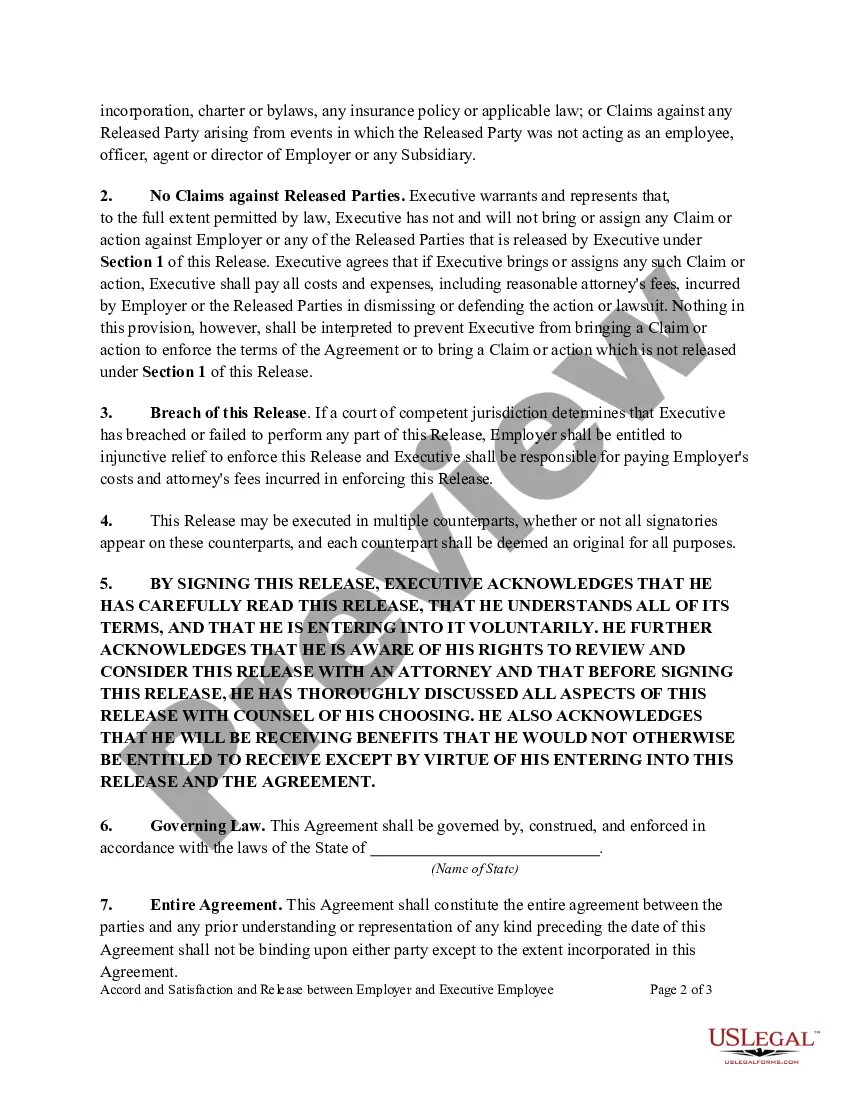
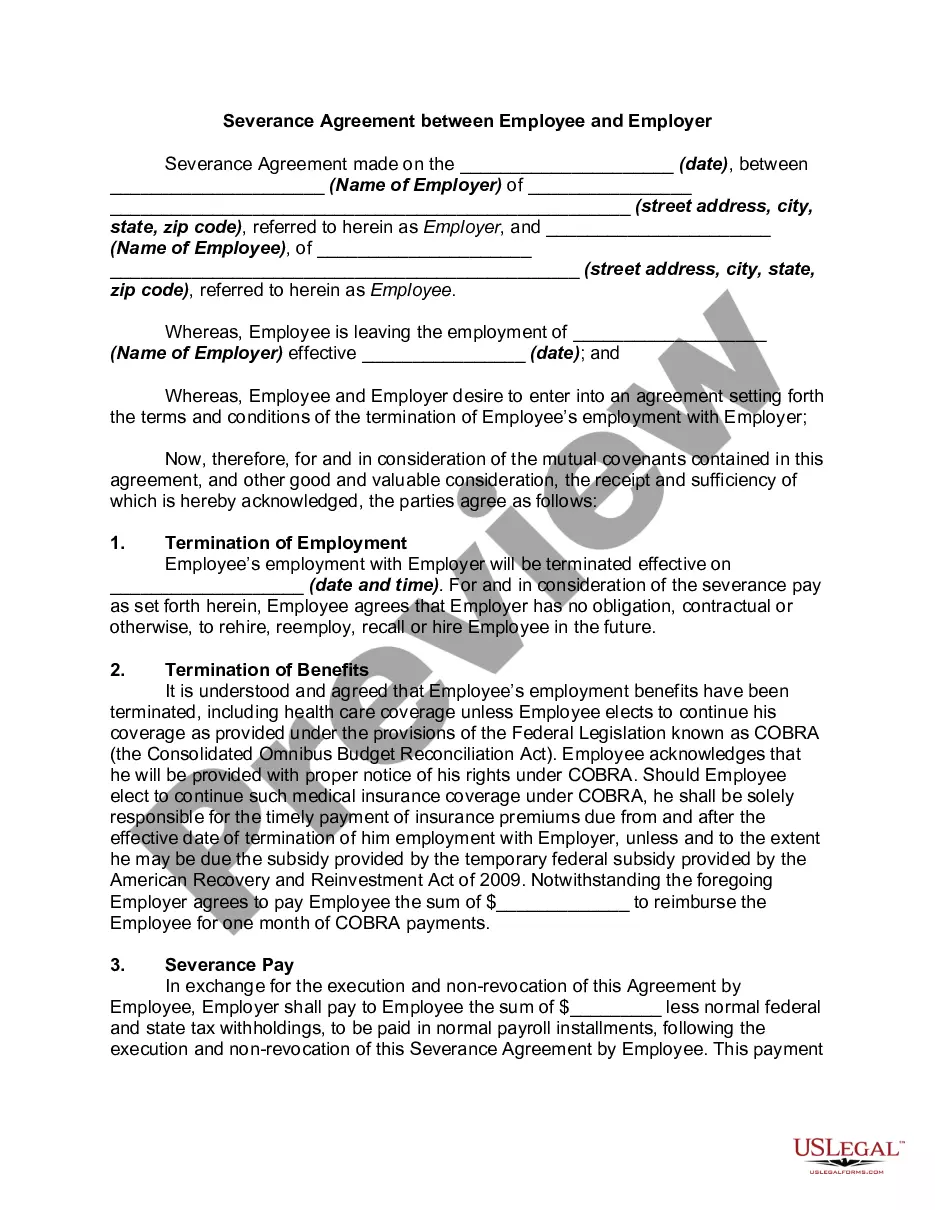
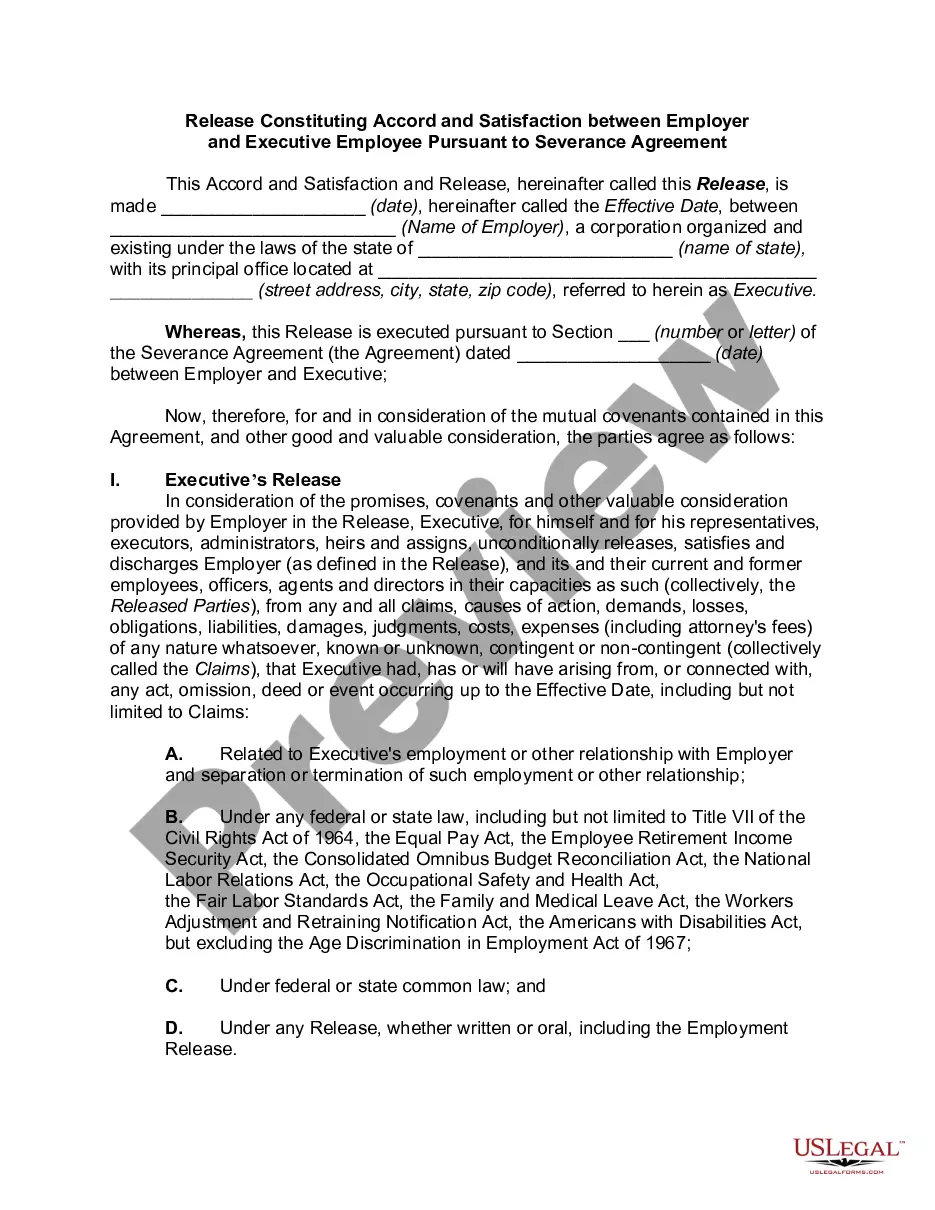
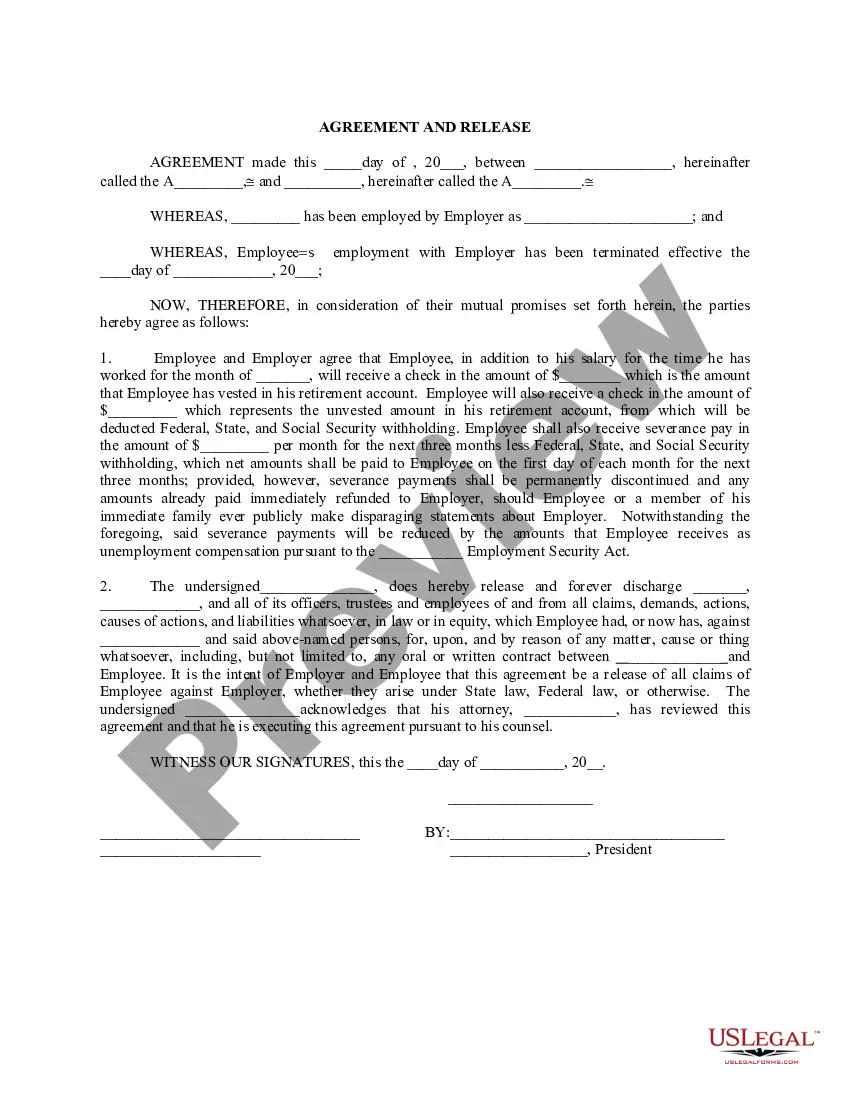
Get your form ready online
Our built-in tools help you complete, sign, share, and store your documents in one place.
Make edits, fill in missing information, and update formatting in US Legal Forms—just like you would in MS Word.
Download a copy, print it, send it by email, or mail it via USPS—whatever works best for your next step.
Sign and collect signatures with our SignNow integration. Send to multiple recipients, set reminders, and more. Go Premium to unlock E-Sign.
If this form requires notarization, complete it online through a secure video call—no need to meet a notary in person or wait for an appointment.
We protect your documents and personal data by following strict security and privacy standards.

Make edits, fill in missing information, and update formatting in US Legal Forms—just like you would in MS Word.

Download a copy, print it, send it by email, or mail it via USPS—whatever works best for your next step.

Sign and collect signatures with our SignNow integration. Send to multiple recipients, set reminders, and more. Go Premium to unlock E-Sign.

If this form requires notarization, complete it online through a secure video call—no need to meet a notary in person or wait for an appointment.

We protect your documents and personal data by following strict security and privacy standards.
Looking for another form?






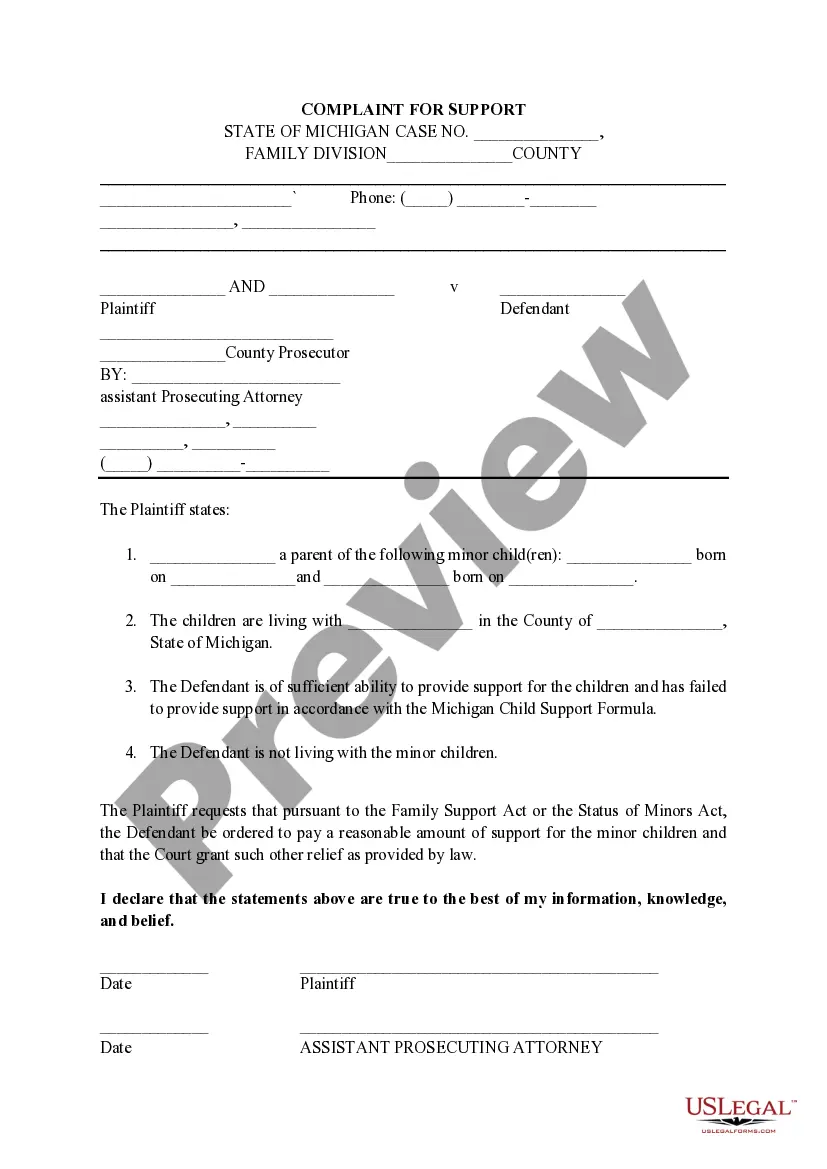

Form popularity
FAQ
“Working off the books” refers to employment that is not reported to tax authorities, usually to evade taxes or circumvent other legal obligations. In such arrangements, employers and employees agree to compensation without complying with tax withholding requirements, employment laws, or other regulations.
Officially employed by a company, or an official member of an organization, society, sports team, etc.: There are 256 people on the books at the cement works.
``Off the books'' means or ``under the table'' means the employer isn't reporting it.
You may be eligible for Unemployment Insurance if the weekly payments of dismissal or severance are less than the maximum benefit rate. You will not be eligible for benefits if: You receive weekly dismissal or severance payments that are greater than the maximum weekly benefit rate; or.
You may be denied benefits if you: Were fired because you violated a company policy, rule or procedure, such as absenteeism or insubordination. Quit your job without good cause, such as a compelling personal reason.
You may be eligible for Unemployment Insurance if the weekly payments of dismissal or severance are less than the maximum benefit rate. You will not be eligible for benefits if: You receive weekly dismissal or severance payments that are greater than the maximum weekly benefit rate; or.
You can indeed still accept severance even if you're about to accept another offer--in fact, even if you've already accepted another offer (assuming that there's nothing in your severance agreement that prohibits that, which there probably won't be).