Employment Standards For Severance In Minnesota
Description

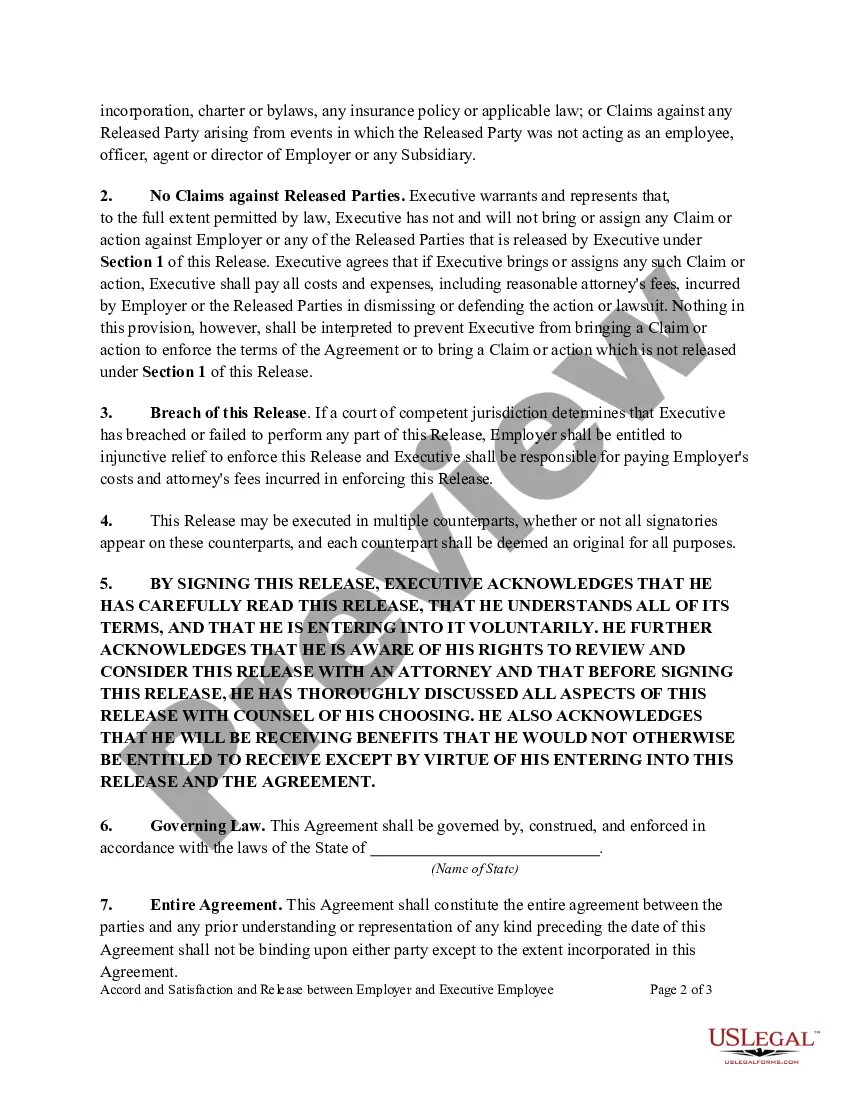
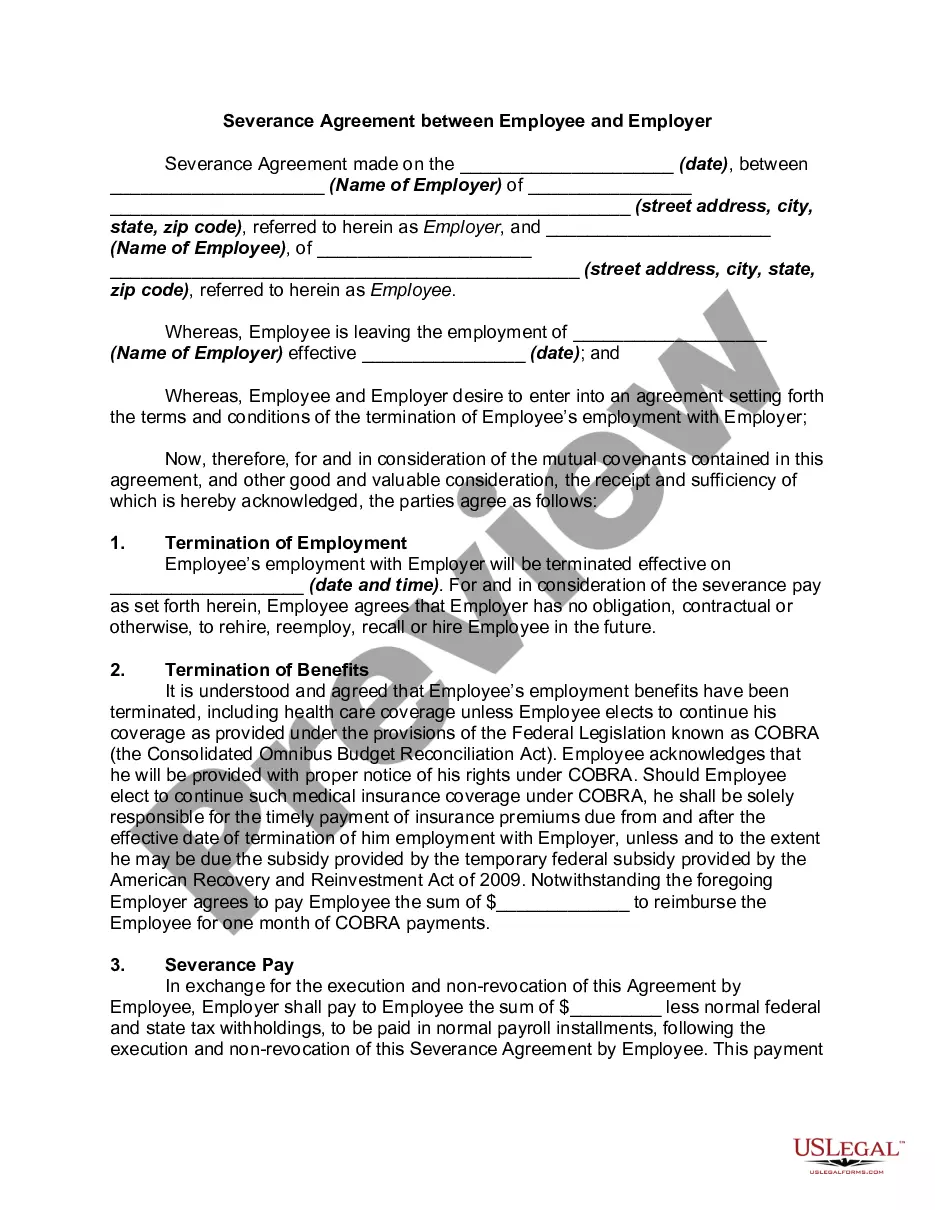
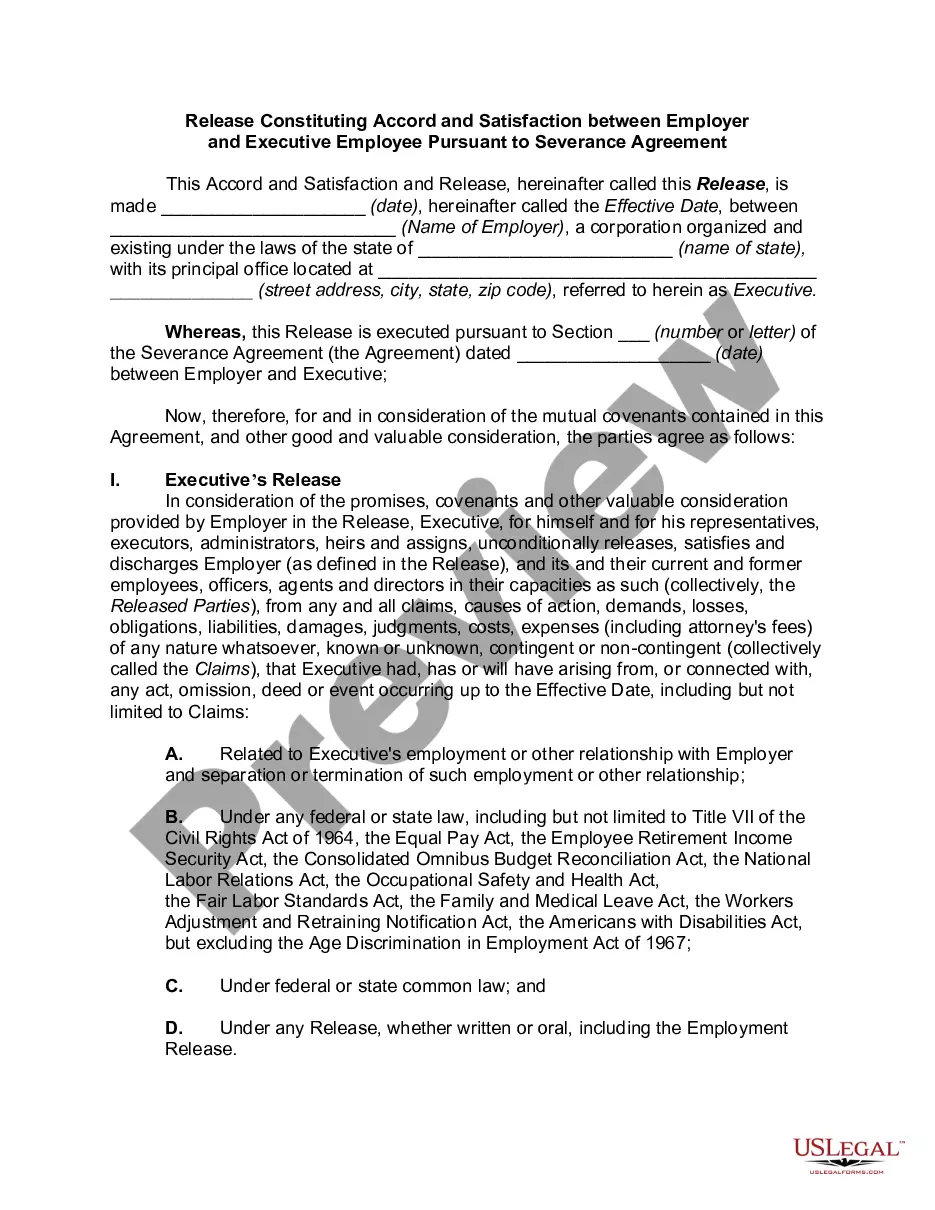
Get your form ready online
Our built-in tools help you complete, sign, share, and store your documents in one place.
Make edits, fill in missing information, and update formatting in US Legal Forms—just like you would in MS Word.
Download a copy, print it, send it by email, or mail it via USPS—whatever works best for your next step.
Sign and collect signatures with our SignNow integration. Send to multiple recipients, set reminders, and more. Go Premium to unlock E-Sign.
If this form requires notarization, complete it online through a secure video call—no need to meet a notary in person or wait for an appointment.
We protect your documents and personal data by following strict security and privacy standards.

Make edits, fill in missing information, and update formatting in US Legal Forms—just like you would in MS Word.

Download a copy, print it, send it by email, or mail it via USPS—whatever works best for your next step.

Sign and collect signatures with our SignNow integration. Send to multiple recipients, set reminders, and more. Go Premium to unlock E-Sign.

If this form requires notarization, complete it online through a secure video call—no need to meet a notary in person or wait for an appointment.

We protect your documents and personal data by following strict security and privacy standards.
Looking for another form?







Form popularity
FAQ
“If any term of this Agreement is to any extent invalid, illegal, or incapable of being enforced, such term shall be excluded to the extent of such invalidity, illegality, or unenforceability; all other terms hereof shall remain in full force and effect.”
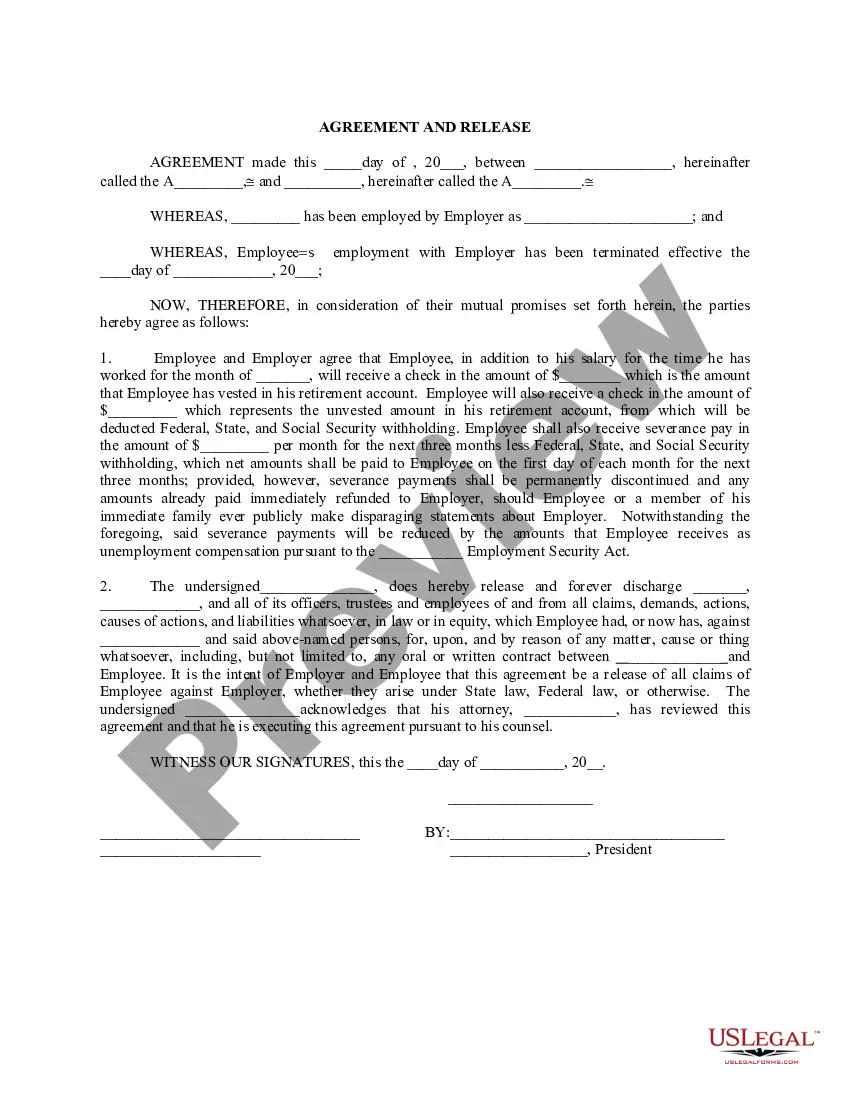
How to Structure a Severance Agreement Determine Eligibility: Decide which employees will be offered a severance agreement based on company policy or specific circumstances. Consult Legal Counsel: Work with an attorney to draft the agreement to ensure compliance with federal and state laws.
Most termination clauses are an agreement between the employer and the employee that in the event the employer elects to dismiss the employee without cause, the employee will only receive what they are entitled to under the Employment Standards Code.
On February 21, 2023, the NLRB issued a decision stating that the language of typical Confidentiality Clauses and Non-disparagement Clauses are illegal because they infringe on an employee's right to organize (form a union) or help other employees organize.
A termination clause in an employment context is created to control the termination of an employment relationship between an employee and an employer. These clauses are only found in employment contracts and make express references to employment law, such as employer duties and employee rights.
No notice of separation by either party is required by law upon separation of an employee for any reason. Courtesy and time to collect accrued benefits are reasons why notice is given.
Doesn't my employer have to give me a break? The state law requires employers to provide restroom time and sufficient time to eat a meal. If the break is less than 20 minutes in duration, it must be counted as hours worked. Time to use the nearest restroom must be provided within each four consecutive hours of work.
While Minnesota is an “at-will” employment state, meaning employers can generally terminate employees at any time, this does not extend to illegal or public policy-violating reasons. Wrongful termination can happen if an employee is fired due to discrimination, retaliation, or other unlawful reasons.