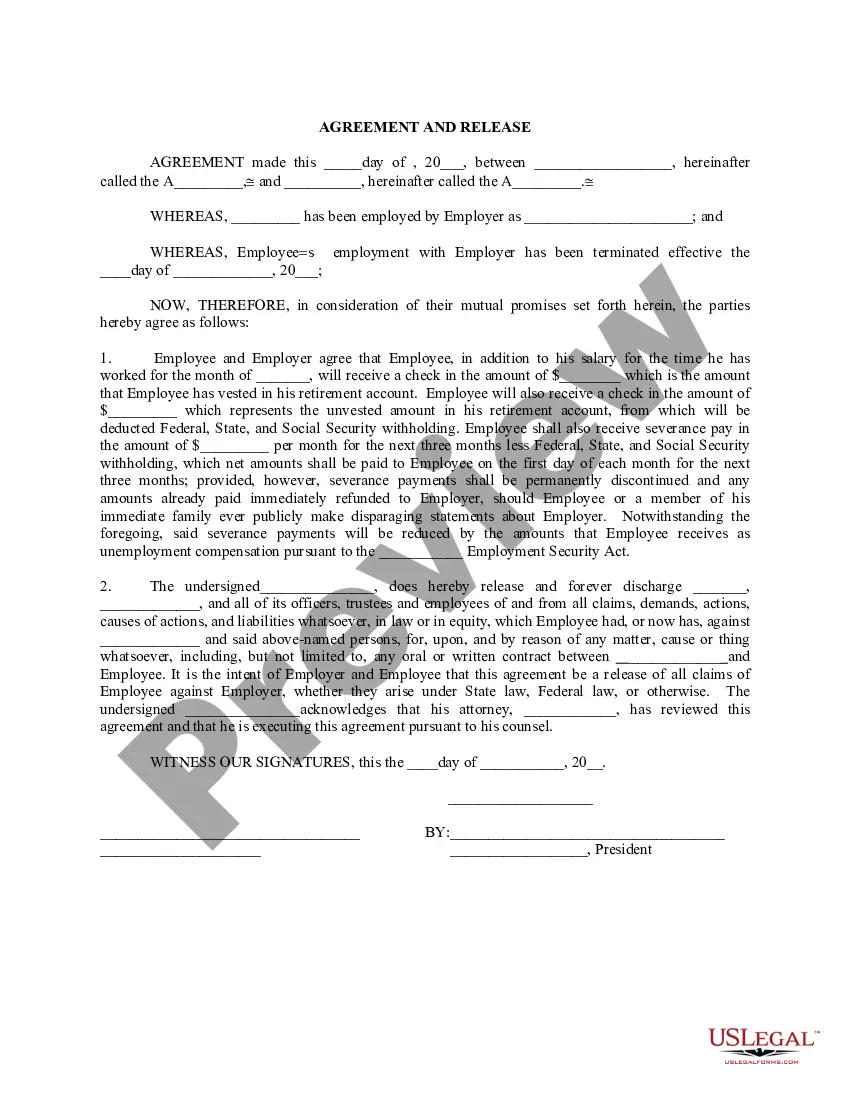
Termination Without Severance Pay In Massachusetts
Description

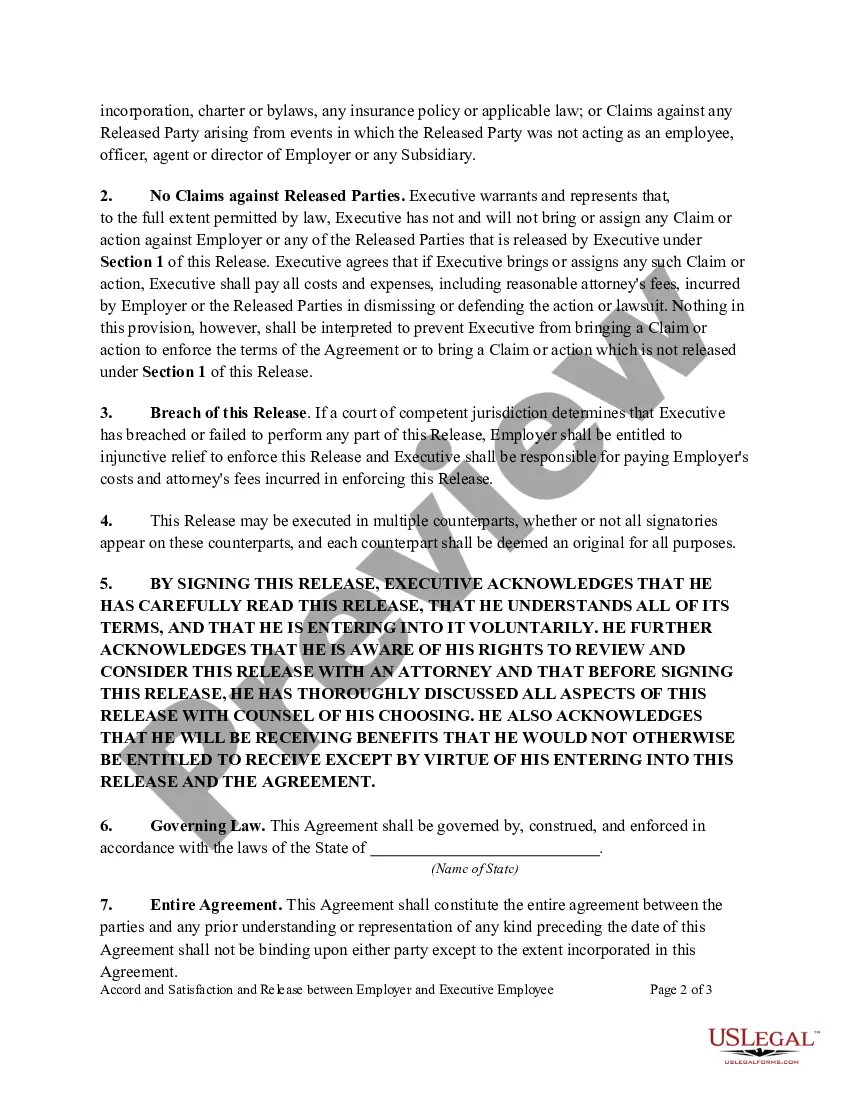
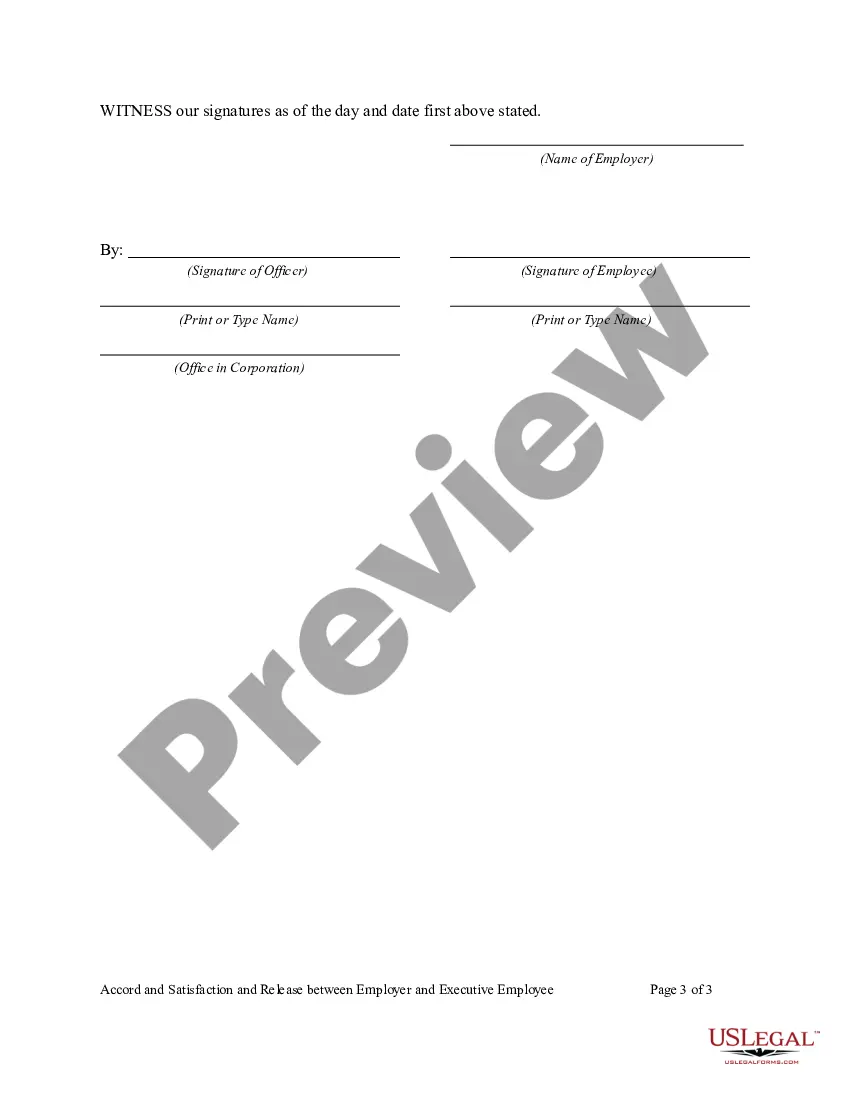
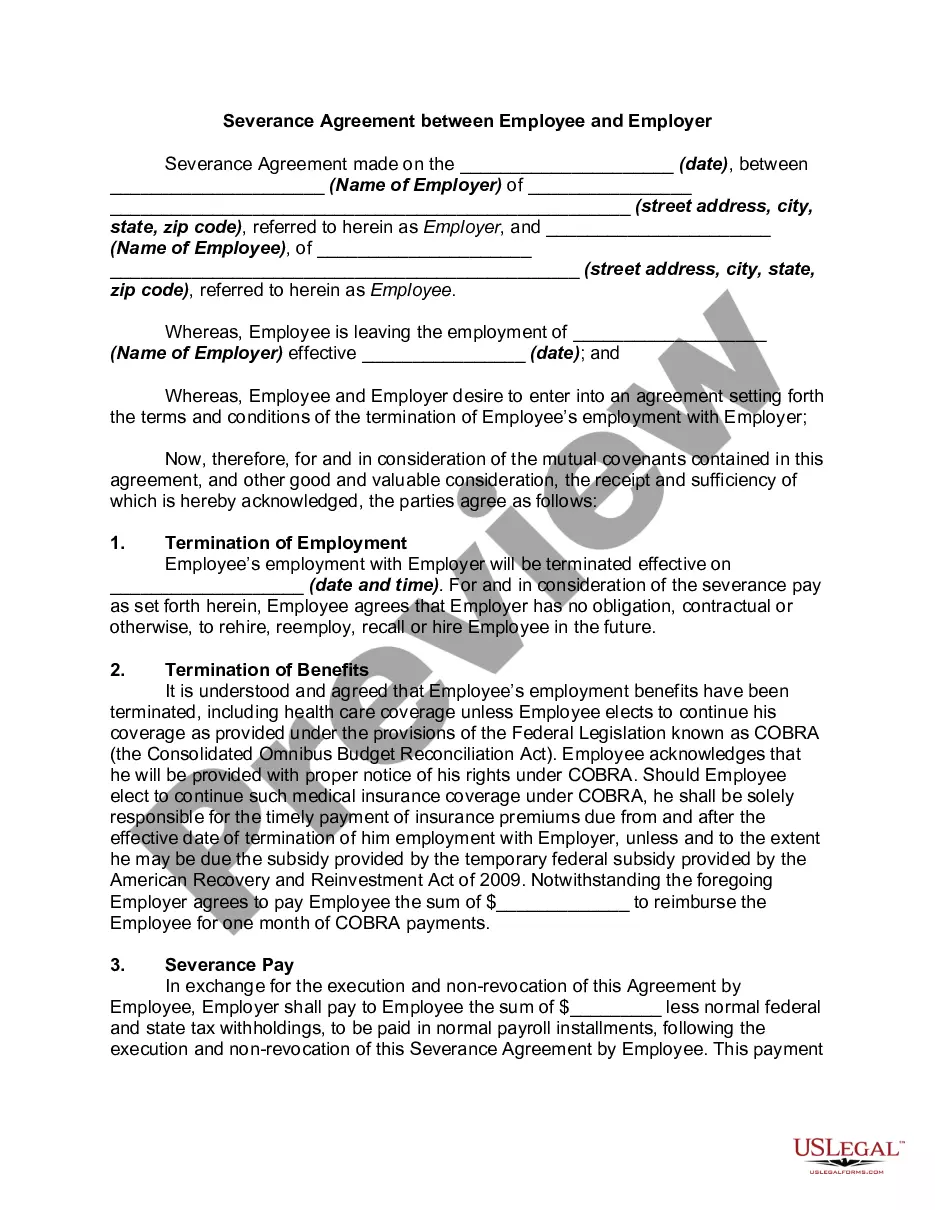
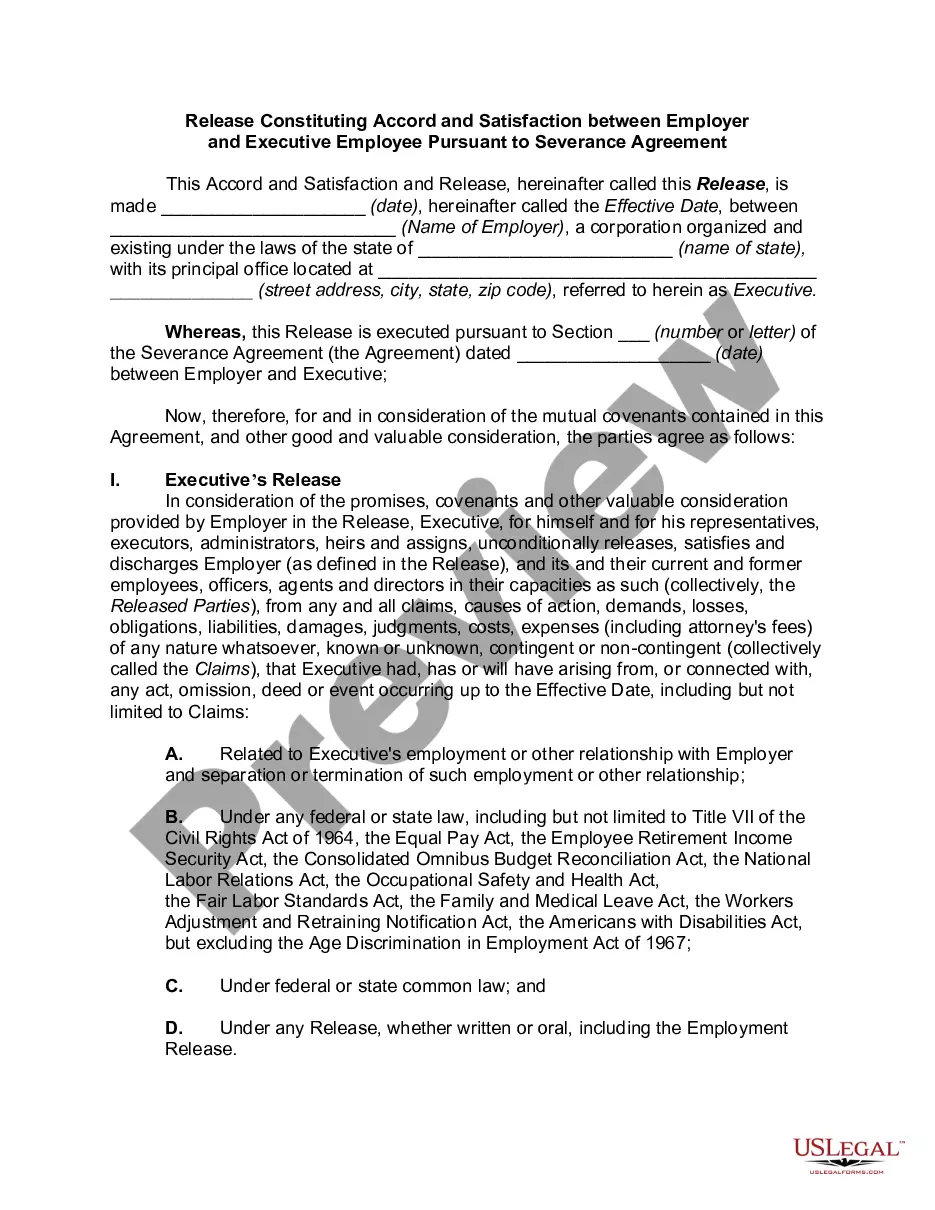
Get your form ready online
Our built-in tools help you complete, sign, share, and store your documents in one place.
Make edits, fill in missing information, and update formatting in US Legal Forms—just like you would in MS Word.
Download a copy, print it, send it by email, or mail it via USPS—whatever works best for your next step.
Sign and collect signatures with our SignNow integration. Send to multiple recipients, set reminders, and more. Go Premium to unlock E-Sign.
If this form requires notarization, complete it online through a secure video call—no need to meet a notary in person or wait for an appointment.
We protect your documents and personal data by following strict security and privacy standards.

Make edits, fill in missing information, and update formatting in US Legal Forms—just like you would in MS Word.

Download a copy, print it, send it by email, or mail it via USPS—whatever works best for your next step.

Sign and collect signatures with our SignNow integration. Send to multiple recipients, set reminders, and more. Go Premium to unlock E-Sign.

If this form requires notarization, complete it online through a secure video call—no need to meet a notary in person or wait for an appointment.

We protect your documents and personal data by following strict security and privacy standards.
Looking for another form?


Form popularity
FAQ
“Although it seems almost impossible to believe, employers in Massachusetts, or in any other employee-at-will state, can fire any employee at any time for any reason — or even for no reason at all. An employer can terminate any employee, with or without notice.”
You may not be eligible for unemployment benefits if your only source of employment is from working as: An employee of a non-profit or religious organization. A worker trainee in a program run by a nonprofit or public institution. A real estate broker or insurance agent who work only on commission.
Expiration of the terms of the contract: Contract terminates when its specified date or duration expires. Example: John's one-year lease, starting on January 1, 2024, expires on December 31, 2024. At that point, the contract terminates unless both parties agree to renew it.
Employers are not required to provide a termination letter, and frequently conduct the termination verbally instead of reducing it to writing. Even if you do receive a letter, most often it will not contain any meaningful details about the reasons for termination of employment.
While multimillion awards are possible, it is crucial to keep in mind that federal laws limit the amount of punitive and compensatory damages awarded in cases involving wrongful termination. They cannot exceed $50,000 – $300,000, depending on the number of employees working for the employer's business.
Wrongful termination occurs where an employee is discharged for unlawful reasons, which can include discrimination based on a protected class or retaliation. Employees who suffer a wrongful termination may bring a claim under both state and federal law.